That post-facial glow has an indisputable gratifying quality. A facial can be a great way to support healthier-looking skin, whether your goals are to hydrate, exfoliate, clear up breakouts, or simply treat yourself to a little self-care. However, with so many varieties available, ranging from sophisticated skin therapies to soothing spa treatments, it’s helpful to understand what each one has to offer.
In essence, a facial is a skincare procedure meant to enhance the skin’s look and condition. Depending on the kind, it may include light therapy, exfoliation, massage, masks, or even tiny instruments and gadgets. While some are simply calming, others address particular skin issues like sun damage, dryness, or acne. The good news? If your skin type is taken into consideration, many facials are appropriate even for novices.
The 12 common facial types are broken down here, along with their advantages and things to consider before trying them.
1. Classic Facial
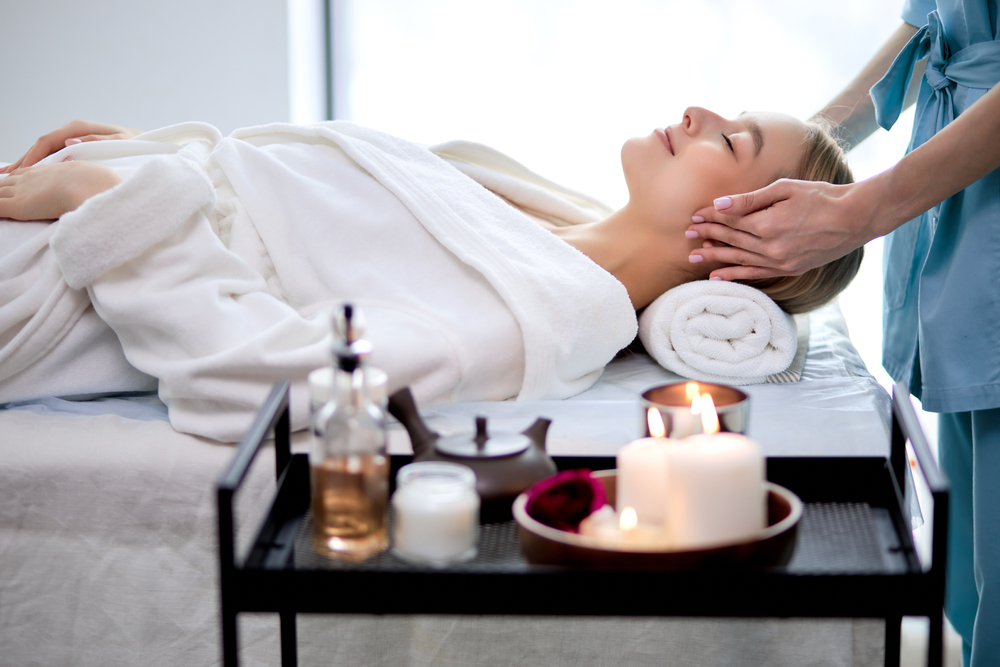
For those who are unfamiliar with skincare procedures, a traditional facial is the preferred choice. Cleaning, exfoliation, steaming, light extractions, masking, and moisturizing are typically included in the sequence of steps. In order to leave you with a fresh, glowing complexion, these facials are frequently tailored according to your skin type, whether it is dry, oily, sensitive, or combination. Many people appreciate the instant increase in softness and hydration, even though the effects might only last a short while. Just ask about the products being used and be careful if you have sensitive skin.
2. LED Light Therapy Facial

LED (light-emitting diode) technology is used in this facial to address a number of skin conditions. While blue light kills bacteria that cause acne, red light can help reduce fine lines and increase collagen production. A variety of skin types can benefit from this non-invasive, painless treatment. Significant results usually require regular sessions, and the benefits can be sustained between professional treatments by using at-home LED masks.
3. Microneedling
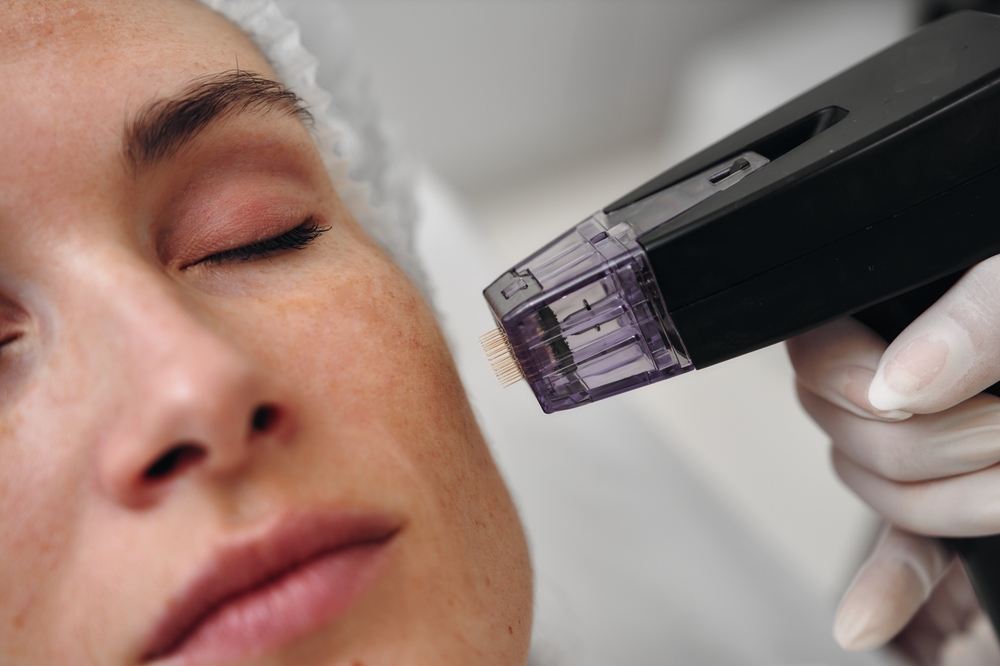
Microneedling is the process of making tiny punctures in the skin with a device that contains tiny, fine needles. By encouraging the skin’s natural healing response, this procedure increases the synthesis of collagen and elastin. It is frequently used to lessen the visibility of fine lines, uneven texture, and acne scars. Although it may sound harsh, when administered by a qualified professional, the treatment is safe and under control. Many skin tones, including those that are prone to hyperpigmentation, are thought to benefit from it as well.
4. IPL Photofacial

Using light energy, an IPL (intense pulsed light) photofacial targets skin discolorations like sun spots, redness, and visible blood vessels. The light breaks down damaged blood vessels or unwanted pigmentation beneath the skin’s surface, which the body then naturally eliminates. It works especially well for rosacea and sun damage symptoms. However, because it can exacerbate discoloration, it is not advised for people with melasma or deeper skin tones.
5. Hydrafacial

This three-step, patented facial uses a device that removes impurities and delivers serums to deeply cleanse, exfoliate, extract, and hydrate the skin. Hydra facials are popular for special occasions or routine skincare maintenance because of their immediate glow and short recovery time. Most skin types can safely use them, but people with severe breakouts, sunburns, or active rashes should consult a professional before making a reservation.
6. Chemical Peel

Chemical peels exfoliate the outermost layer of skin using various acids, such as lactic, glycolic, or salicylic acid, to reveal a smoother, more radiant complexion beneath. They are available in a range of intensities, from mild peels ideal for beginners to more aggressive choices for more serious issues like uneven pigmentation or scarring. Some people may notice obvious flaking after a peel, while others might not. In any case, the secret to getting the best results is sun protection and mild aftercare.
7. Firming or Sculpting Facial (Microcurrent Facial)

Radiofrequency and microcurrent devices are used in firming or sculpting facials to stimulate collagen and tone the facial muscles. Without the need for surgery or injections, these facials can help tighten and lift the skin, giving the appearance of more contour. Although results are frequently apparent after a single session, they are typically transient in the absence of regular follow-up care. Asking ahead of time what the treatment entails and how it operates is beneficial because methods and resources differ greatly.
8. Microdermabrasion
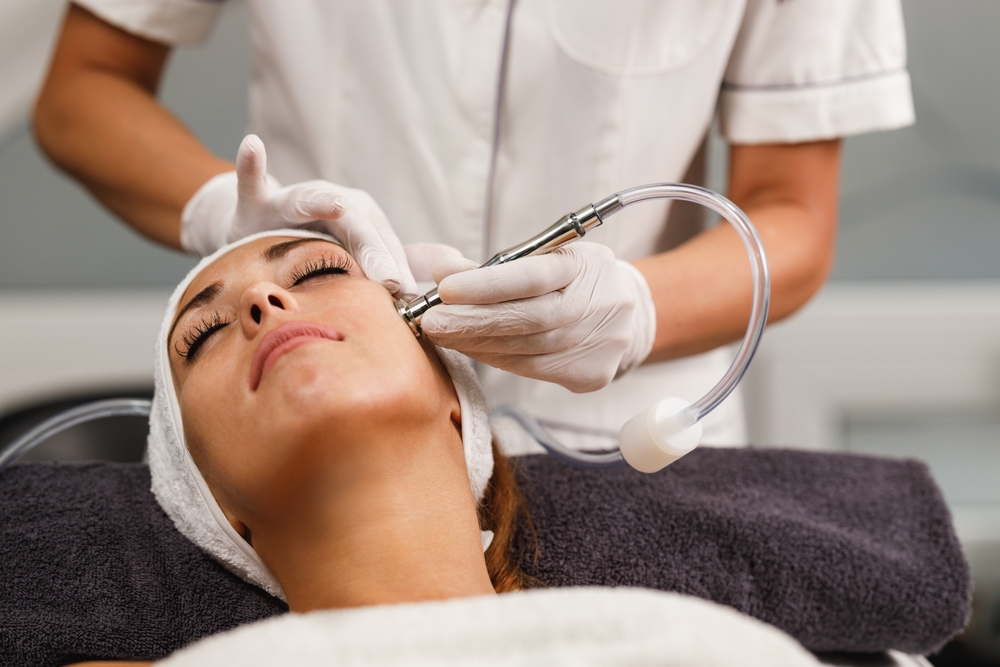
A wand or tiny crystals are used in the mechanical exfoliation process known as microdermabrasion to gently remove the epidermis’ outermost layer. It can assist with minor textural issues, clogged pores, and dullness. After the procedure, some people experience an instant glow. Before beginning, it’s crucial to determine whether your skin can handle this treatment because it may be too harsh for people with sensitive skin or active breakouts.
9. Dermaplaning

Dermaplaning is a procedure that uses a surgical blade to gently scrape the skin’s surface in order to get rid of fine facial hair and dead skin cells. A smoother, more radiant complexion that is ideal for makeup application is the end result. It’s a well-liked option for people seeking an instant glow. A variant known as oilplaning, in which the blade is used with a nourishing oil, might be a kinder option if your skin is sensitive or extremely dry.
10. Enzyme Facial
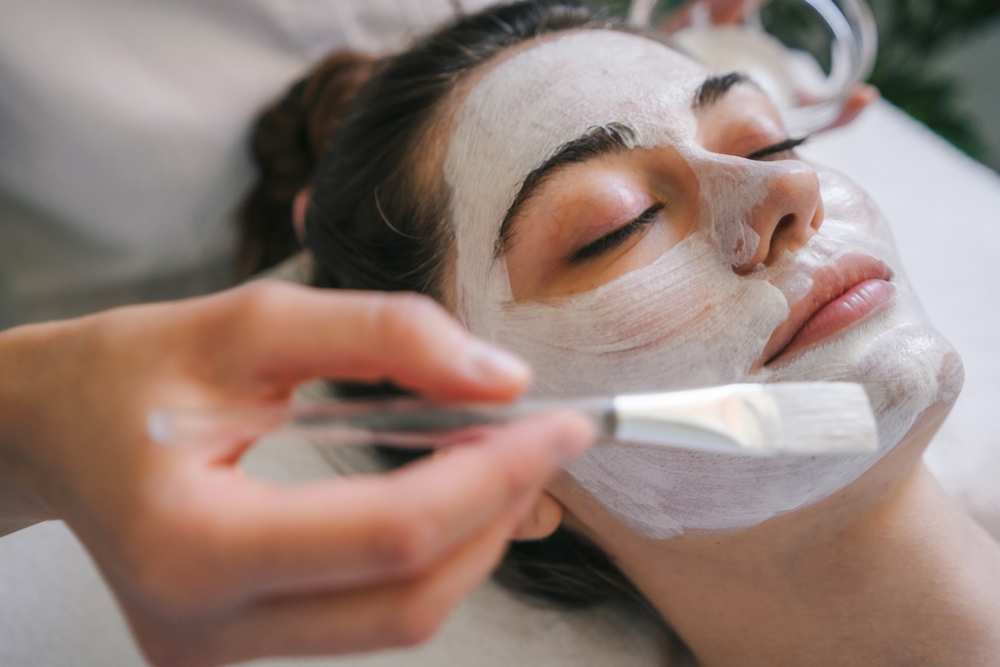
Natural enzymes from fruits like papaya or pumpkin are used in enzyme facials to gently exfoliate the skin. Compared to chemical or physical exfoliants, they provide a more calming experience and are perfect for sensitive or reactive skin types. These facials are a fantastic option for anyone looking for a new look with little risk because they help to brighten the complexion and remove dull skin without irritating the skin.
11. Oxygen Facial

A stream of concentrated oxygen mixed with hydrating serums is applied directly to the skin’s surface during an oxygen facial. The skin appears dewy and refreshed after this treatment, which also helps to brighten and plump the skin. The effects are instantaneous but transient, and it’s especially helpful for dry or tired-looking skin. To achieve that glowing appearance, many people choose to have this facial before important occasions or photo shoots.
12. Herbal Facial

Herbal facials, which draw inspiration from traditional Indian wellness practices, use natural herbs, oils, and massage techniques to encourage relaxation and balance. These facials provide both skincare and stress-relieving benefits, and are usually tailored according to your dosha, or personal energy type. Even though they might not produce noticeable cosmetic changes, they can soothe irritated skin and promote general health, particularly when incorporated into a daily self-care regimen.
What to Know Before You Go?
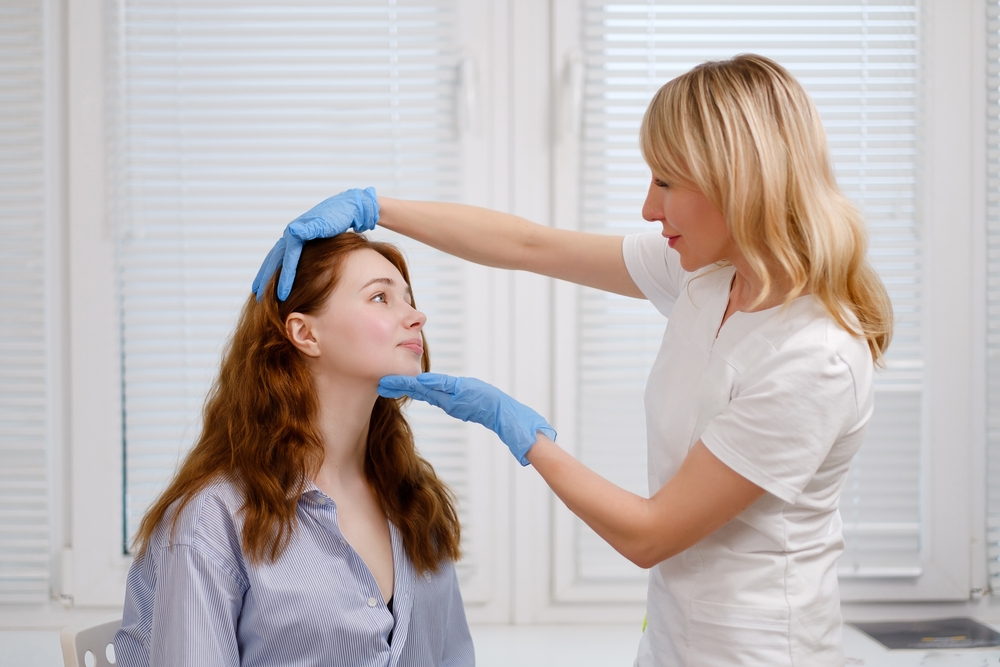
It’s crucial to take your skin type and any current skin conditions into account before attempting any facials. Those with reactive or sensitive skin should be particularly wary and inquire about the methods and ingredients being used. It’s still a good idea to see a dermatologist if you have persistent conditions like rosacea, eczema, or acne because facials cannot replace medical treatments. Since your skin will be more vulnerable to UV rays following your treatment, stay away from potent skincare products like retinol for at least a day or two. You should also always wear sunscreen.
Whether you’re treating a specific issue or simply taking some time to unwind and revitalize, facials can be a fantastic way to take care of your skin. Every skin type, objective, and comfort level can be accommodated by one of the many available treatments. Ask questions, pay attention to your skin, and don’t be scared to start slowly. Your next facial could mark the beginning of your best skin yet if you take the proper approach.