

A medical condition that impacts almost every part of the body, obesity is more than just a number on a scale. Obesity is defined as a body mass index (BMI) of 30 or greater and is associated with numerous serious health issues. Excess weight can subtly put undue strain on your body and mind. These 11 significant health issues are linked to obesity, according to experts, and they show why controlling your weight is more important than you may think.
1. High Blood Pressure

Hypertension, or elevated blood pressure, is among the most prevalent consequences of obesity. Your heart must work harder to pump blood when you have too much fat because it puts pressure on your blood vessels. This can harm arteries over time and raise the risk of major illnesses like kidney issues, heart disease, and stroke. According to studies, obesity is a contributing factor in 65–78% of cases of high blood pressure. Although genetics play a part, lifestyle modifications such as bettering one’s diet, exercising, and managing stress can help control blood pressure. Even a small amount of weight loss can have a significant impact.
2. Liver Disease
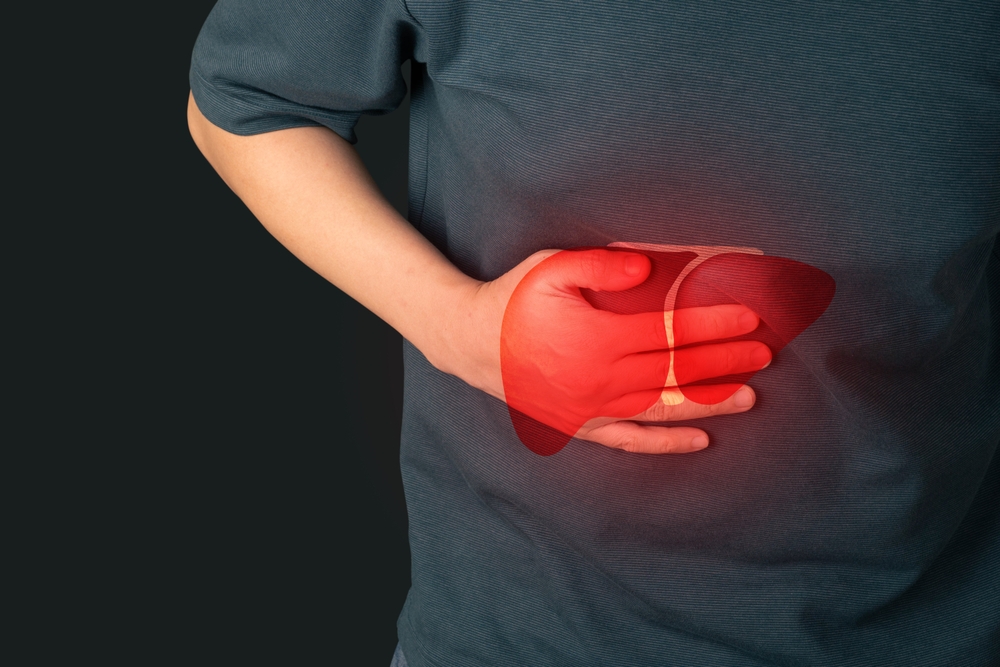
Previously known as nonalcoholic fatty liver disease (NAFLD), metabolic dysfunction–associated steatotic liver disease (MASLD) is primarily caused by obesity. Metabolic dysfunction–associated steatohepatitis (MASH), where liver inflammation results in significant damage, can develop from this condition, which causes fat to accumulate in the liver. MASLD frequently goes undiagnosed until it gets really bad. Abdominal pain, exhaustion, and jaundice are signs of advanced stages. The best course of action? Losing weight and controlling associated diseases like high cholesterol and type 2 diabetes.
3. High Cholesterol

Having excess body fat can cause your cholesterol levels to become unbalanced, lowering “good” HDL cholesterol and raising “bad” LDL cholesterol and triglycerides. Heart disease, stroke, and other cardiovascular issues become more likely as a result. Obesity increases the risk of high cholesterol, but it can affect people of any size. The good news is that studies have shown that reducing your body weight by just 5–10% can help lower your risk of complications and improve your cholesterol levels.
4. Type 2 Diabetes

One of the biggest risk factors for type 2 diabetes is obesity. Your body may become resistant to insulin, the hormone that facilitates the transfer of blood sugar into cells, if you have excess body fat, particularly around the abdomen. Blood sugar levels rise as a result, putting stress on the pancreas and raising the risk of complications from diabetes, such as kidney failure, nerve damage, and vision loss. Thankfully, research indicates that even a small weight loss of 10 to 15 pounds can help increase insulin sensitivity and improve blood sugar regulation.
5. Heart Disease

Obesity is a major contributor to the development of heart disease, which is the world’s leading cause of death. The accumulation of fat, particularly belly fat, around the heart and arteries raises the risk of atherosclerosis, a disorder in which plaque clogs the arteries and can cause heart attacks or heart failure. In order to determine risk, health professionals frequently use waist circumference rather than BMI; a measurement of more than 35 inches for women and more than 40 inches for men suggests an increased risk of heart disease. Losing weight helps lower blood pressure, cholesterol, and inflammation while also lessening the strain on the heart.
6. Stroke

Obesity can have an impact on your brain in addition to your heart. Obese people, particularly those with abdominal obesity, have a markedly increased risk of stroke. When a blood vessel bursts or blood flow to the brain is interrupted, a stroke occurs, which can result in death or irreversible damage. Stroke risk is further increased by high blood pressure, high cholesterol, and type 2 diabetes, all of which are more prevalent in obese individuals. Your risk of stroke can be significantly reduced by controlling these conditions and maintaining a healthy weight.
7. Gallbladder Disease

One of the main risk factors for gallstones and other gallbladder conditions is obesity. Cholesterol makes up about 70% of gallstones, and obese people frequently have higher cholesterol levels in their bile, which can cause excruciating bile duct blockages. Sharp upper abdominal pain, nausea, and vomiting can all be symptoms of gallstones. The best strategy to reduce your risk of gallbladder disease is to lose weight gradually and steadily rather than by going on a fast-paced crash diet.
8. Osteoarthritis

Your joints, particularly the knees, hips, and lower back, are put under more strain when you are overweight. Osteoarthritis may result from the gradual deterioration of the cartilage that surrounds your joints. Additionally, inflammation from fat tissue can exacerbate stiffness and pain in the joints. Obesity increases the risk of developing arthritis earlier and experiencing more severe symptoms. Losing weight can improve quality of life by lowering joint pressure and delaying the progression of disease.
9. Sleep Apnea

A dangerous disorder known as obstructive sleep apnea (OSA) causes breathing to stop and start repeatedly while you’re asleep. Fat deposits around the upper airway are frequently the cause, and they can obstruct breathing at night. Obesity significantly increases the risk of OSA, which can result in poor sleep, daytime fatigue, and an increased risk of heart disease, stroke, and type 2 diabetes. Losing weight, using breathing machines like CPAP, and altering one’s lifestyle to lower risks and enhance sleep quality are all common components of effective treatment.
10. Asthma and Breathing Problems

Literally, being obese can make breathing more difficult. Being overweight can cause or exacerbate asthma symptoms because it limits lung expansion, reduces lung volume, and increases inflammation. Obesity has been linked to an increased risk of asthma and more severe flare-ups, according to studies. In actuality, obesity affects almost 40% of adults with asthma. Asthma can be easier to manage when body weight is reduced because it improves breathing and relieves lung pressure.
11. Mental Health Issues

Obesity has an impact on mental health in addition to physical health. Obesity increases the risk of anxiety, depression, and low self-esteem. The relationship is reciprocal: living with obesity can raise the risk of mood disorders, and depression can cause weight gain because it alters appetite and energy levels. Obese people have a 55% increased risk of depression, according to studies. It’s critical to address both physical and mental health. A successful treatment plan may include lifestyle support, therapy, and occasionally medication.
Beyond appearance or body mass index, obesity is a complicated medical condition. It raises the possibility of issues with the joints, lungs, liver, heart, and even mental health. The good news is that even modest weight reductions, like 5 to 10%, can have a significant positive impact on one’s health. Working with medical professionals to create a customized plan can help you take charge of your health and enhance your quality of life if you suffer from obesity.