

Stepping on the scale and seeing an unexpected number can be frustrating—especially when you haven’t changed much about your diet or activity. What many people don’t realize is that certain medications can quietly influence weight. From boosting appetite to slowing metabolism or causing fluid retention, some commonly prescribed drugs may play a role in weight gain.
The good news? Awareness is power. Knowing which medications may affect your weight can help you have informed conversations with your doctor or pharmacist and make lifestyle choices that better support your health. Let’s take a friendly, judgment-free look at 10 common medications that may cause weight gain and why it happens.
1. Tricyclic Antidepressants

Older antidepressants like amitriptyline, doxepin, and nortriptyline are effective for mood disorders but are known to increase appetite. This boost in hunger can gradually lead to weight gain. If this becomes a concern, doctors may suggest alternatives that are more weight neutral or even linked with slight weight loss. Never stop antidepressants suddenly—always talk with your healthcare provider first.
2. Corticosteroids
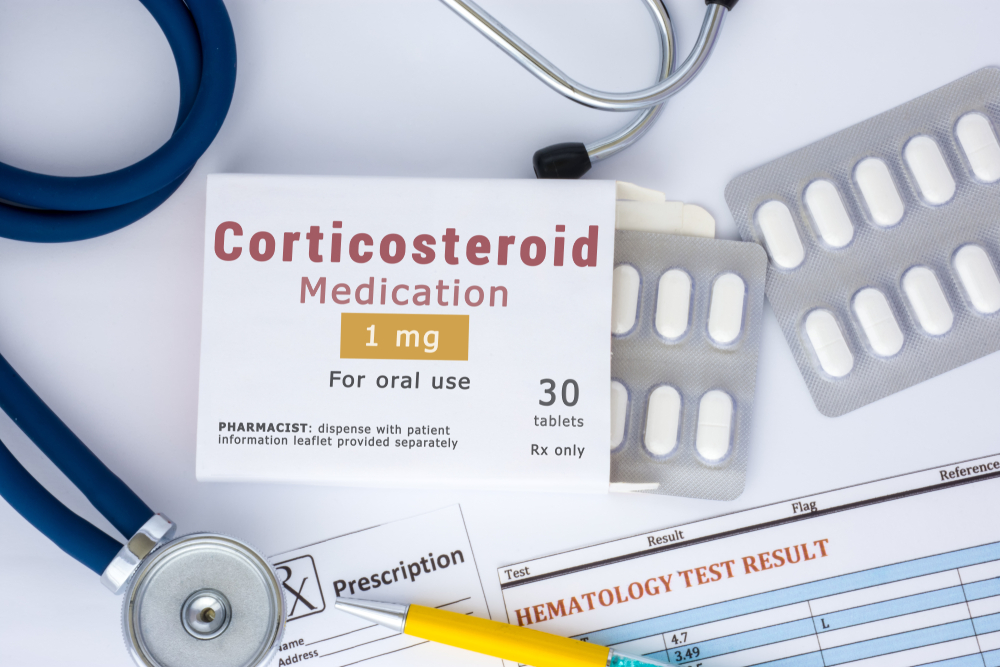
Oral steroids such as prednisone are widely used for conditions like asthma, arthritis, lupus, and back pain. They can increase appetite, cause fluid retention, and change how your body processes calories. Short courses usually limit these effects, but long-term use may make weight management trickier. Pairing steroids with balanced meals and staying active can help offset some of the impact.
3. Antihistamines
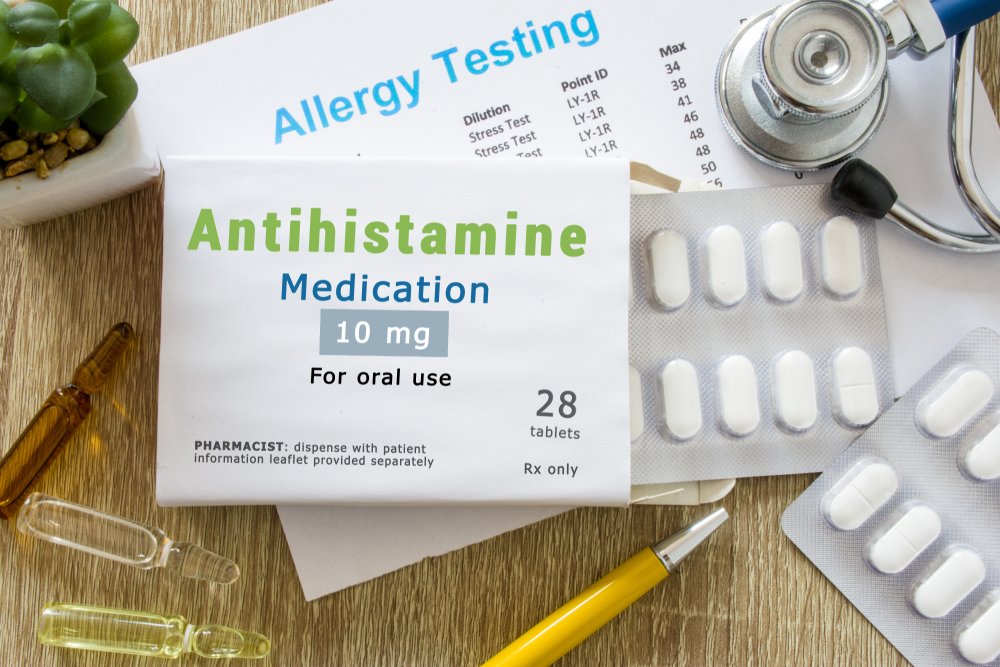
Allergy medications like cetirizine, fexofenadine, and desloratadine may seem harmless, but regular use has been linked with higher body weight. Histamine helps regulate hunger, and blocking it may interfere with your body’s “I’m full” signals. For chronic allergies, nasal sprays can be an alternative that typically doesn’t affect weight.
4. Epilepsy Medications

Some seizure medications—including gabapentin, pregabalin, and vigabatrin—may increase appetite. Over time, this can lead to noticeable weight gain. If this becomes an issue, there are other epilepsy medications that are considered weight neutral or even associated with weight loss. A medication review with your doctor can help identify options.
5. Beta-Blockers

Used to manage high blood pressure and heart conditions, beta-blockers like atenolol and metoprolol have been linked to modest weight gain. They may reduce energy levels or exercise tolerance, making physical activity harder. In some cases, doctors may consider other blood pressure medications that don’t have this effect.
6. SSRIs

Selective serotonin reuptake inhibitors, such as escitalopram, paroxetine, and sertraline, can sometimes lead to weight gain. Changes in appetite, improved mood, or shifts in daily routines may all play a role. Weight changes often appear early, so it’s helpful to speak up if you notice the scale creeping up.
7. MAOIs

Monoamine oxidase inhibitors are less commonly used today but can still be prescribed for depression or migraines. These medications may stimulate appetite, with some causing more weight gain than others. If weight is a concern, alternative treatments may be available.
8. Insulin
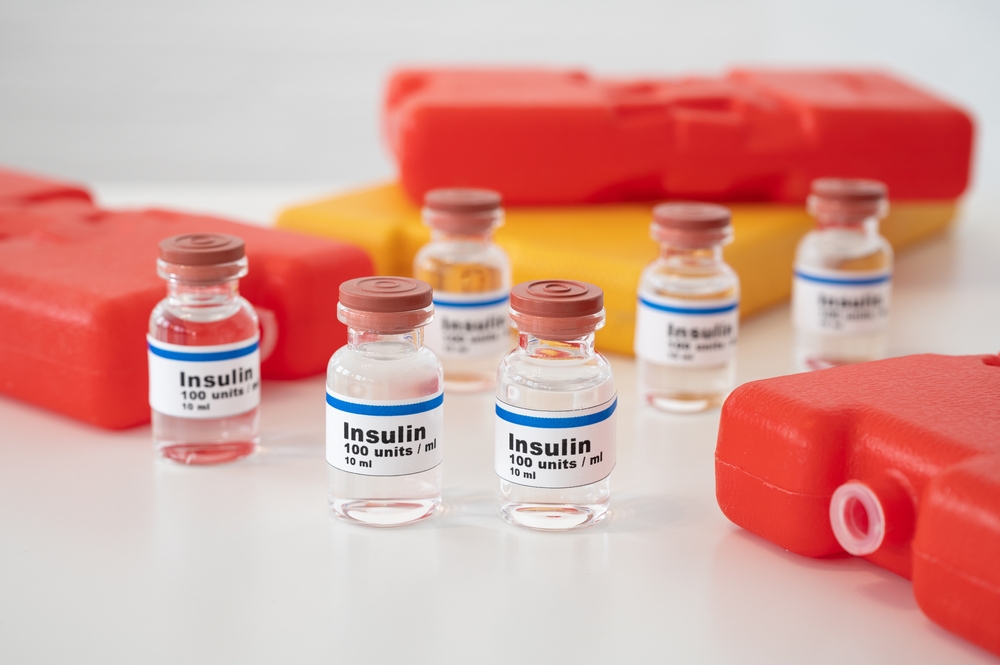
Insulin is essential for managing diabetes, especially type 1 diabetes. However, because it helps move glucose from the bloodstream into cells, excess glucose that isn’t used for energy can be stored as fat. Balanced eating and regular physical activity can help minimize weight gain, and people with type 2 diabetes may sometimes reduce insulin needs through lifestyle changes.
9. Sulfonylureas
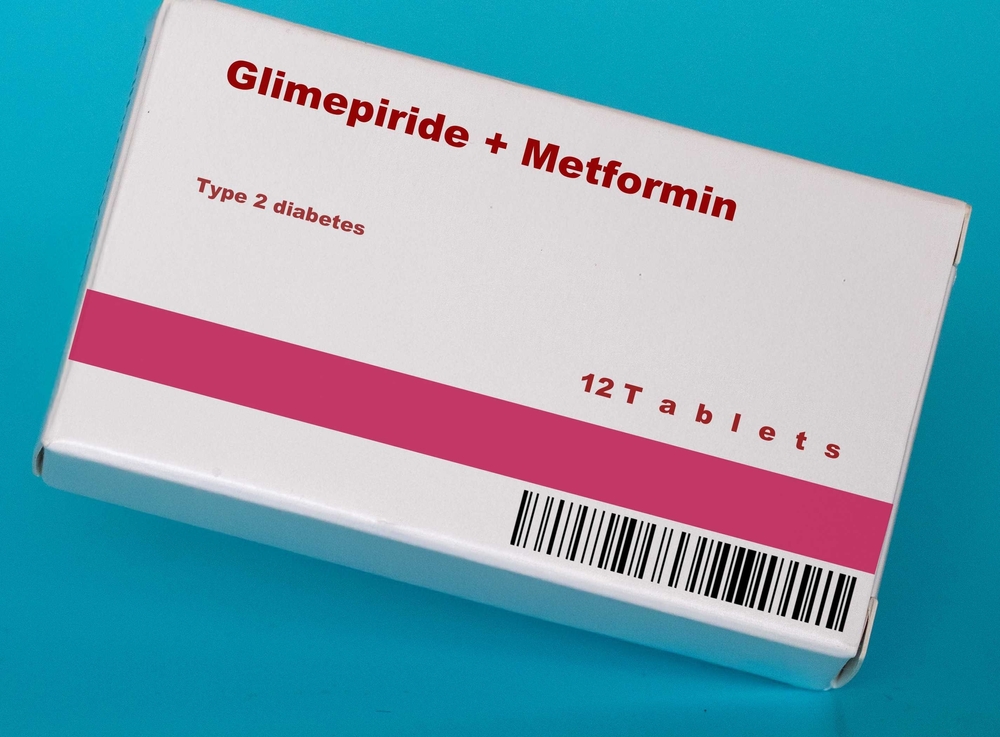
This class of diabetes medications lowers blood sugar by encouraging the pancreas to release more insulin. The result can be gradual weight gain similar to insulin therapy. Other diabetes drugs, such as metformin or SGLT2 inhibitors, may be weight neutral or even support weight loss, depending on individual needs.
10. Antipsychotics
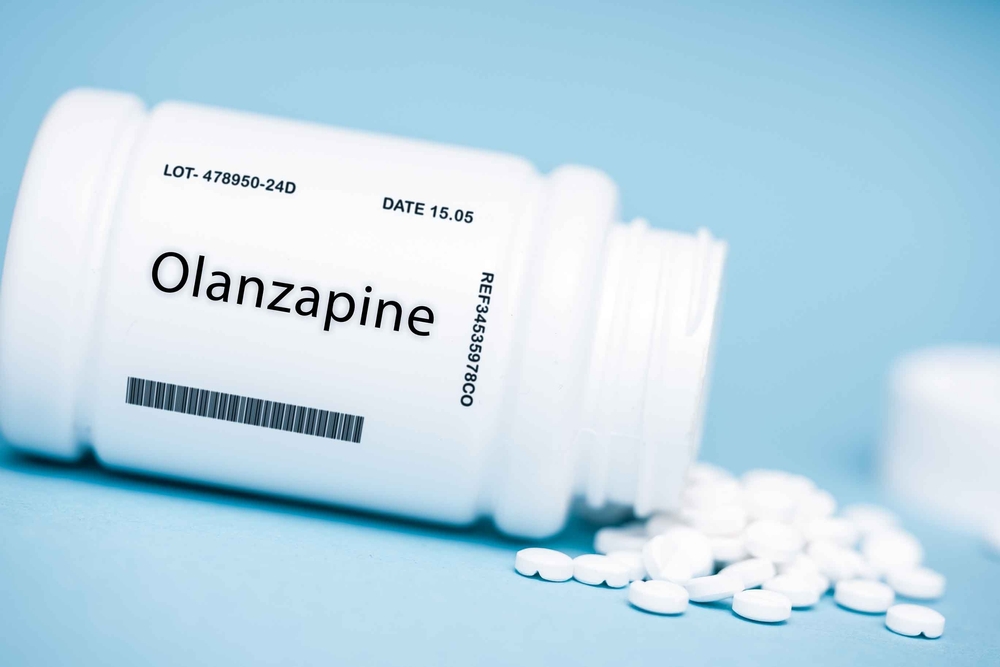
Certain antipsychotic medications, particularly olanzapine, are strongly linked to weight gain and changes in blood sugar and cholesterol levels. Some newer options have a lower risk, and doctors often weigh these effects carefully when choosing a treatment plan.
Medication-related weight gain is common—and it’s not a personal failure. If you notice changes on the scale after starting a new prescription, don’t panic and don’t stop your medication on your own. Instead, talk with your doctor or pharmacist about what you’re experiencing. Together, you can explore dose adjustments, alternative medications, or lifestyle strategies that work for your body and your health goals.
A number on the scale is just one piece of the bigger picture. Feeling better, managing your condition, and living well always come first.