

With their continuous chemical reactions, hormone balance, and toxin removal, our bodies function like living laboratories. The problem is that a lot of health changes occur subtly and without noticeable symptoms. For this reason, medical professionals advise taking preventative measures, such as getting specific blood and health tests every six months. These examinations can identify minor alterations before they become more serious problems. Here are ten important tests that you should incorporate into your daily health regimen, along with their results and significance.
1. Complete Blood Count (CBC)
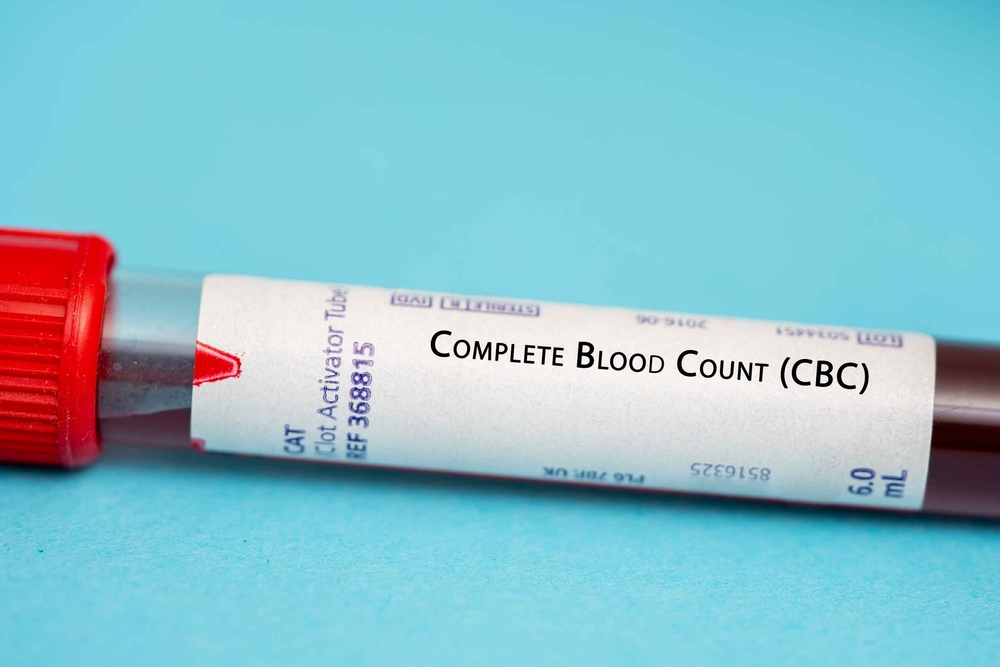
Your blood’s general health can be seen in the Complete Blood Count. It counts platelets, hemoglobin, hematocrit, white blood cells, and red blood cells. Anemia, infections, immune system issues, and even clotting disorders can be indicated by these numbers. Doctors frequently use a CBC as a starting point for more extensive investigations because it can reveal problems that cause fatigue, dizziness, and bruising. Even if you’re feeling good, monitoring your CBC twice a year can help you establish your own “normal” and identify any changes early.
2. Comprehensive Metabolic Panel (CMP)
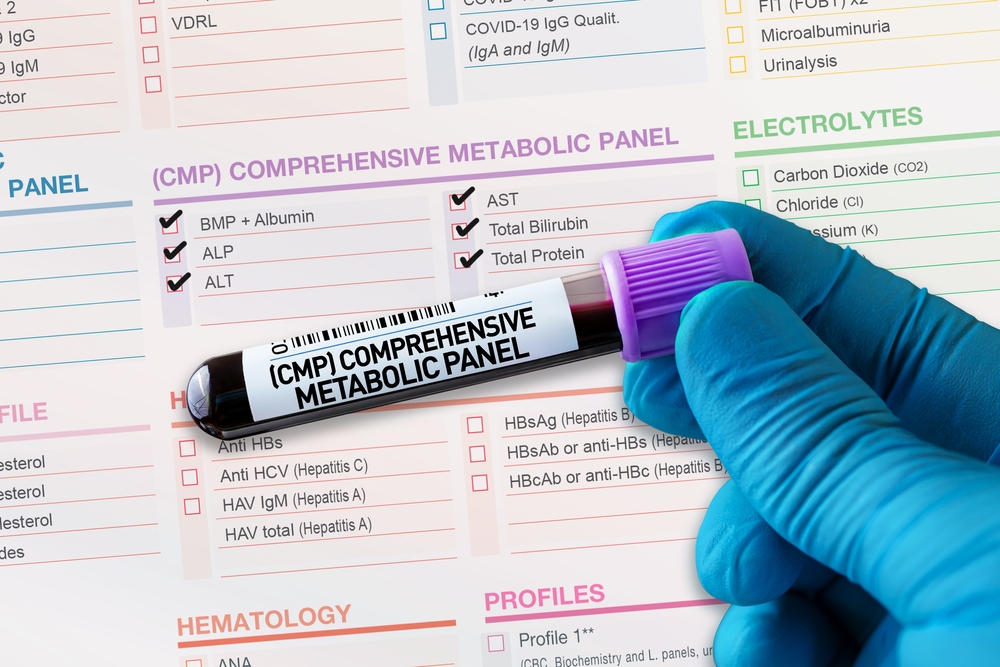
The Comprehensive Metabolic Panel provides a broad overview of the organ function and chemical balance of your body. It assesses protein levels, blood sugar, electrolyte balance, and kidney and liver health. This test is a useful health indicator because these areas are affected by underlying disease, medications, diet, and hydration. This test is a crucial component of preventive care because it can identify subtle changes, such as slightly elevated liver enzymes or declining kidney filtration rate, before they result in symptoms.
3. Lipid Profile (Cholesterol Panel)
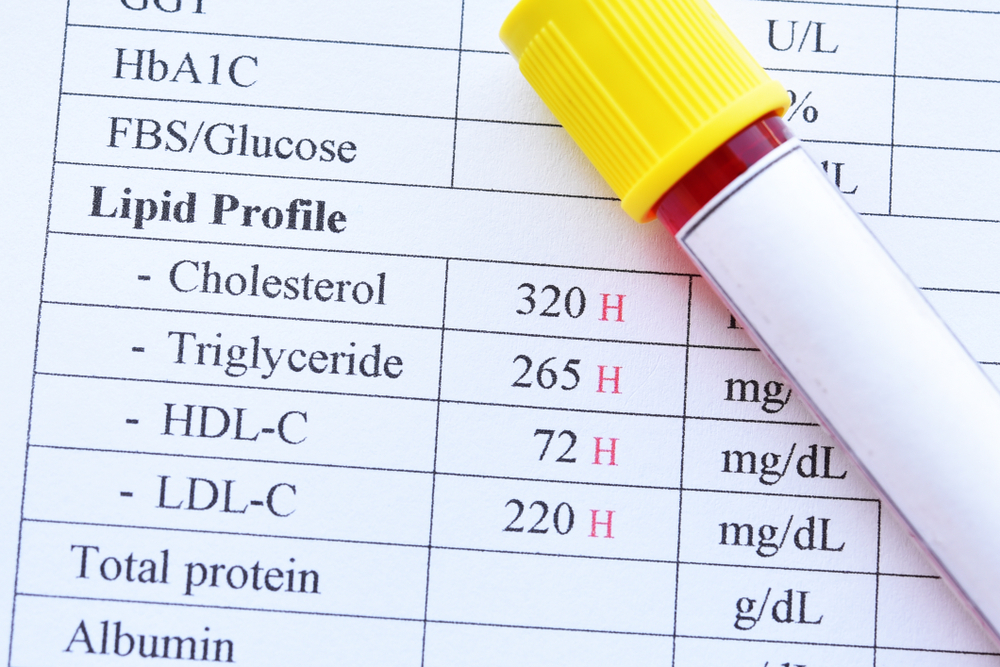
Triglycerides, HDL (or “good”), LDL (or “bad”), and total cholesterol are all measured by a lipid profile. Since imbalances can raise the risk of heart disease and stroke, these numbers directly affect cardiovascular health. While high HDL is protective, high LDL or triglycerides can be detrimental. You can see how lifestyle changes are affecting your heart health in real time by getting this test every six months, which is especially helpful if you’re making changes to your diet or exercise regimen.
4. HbA1c (Glycated Hemoglobin)
A useful tool for calculating your average blood sugar levels over the previous two to three months is the HbA1c. HbA1c displays long-term trends and can detect prediabetes before it develops into type 2 diabetes, in contrast to a single glucose reading that may be impacted by your diet that day. Regularly checking your HbA1c is essential for maintaining long-term metabolic health and protecting your blood vessels, as many people are shocked to discover they have elevated HbA1c despite having a normal weight.
5. Thyroid Function Tests (TSH ± Free T3/T4)
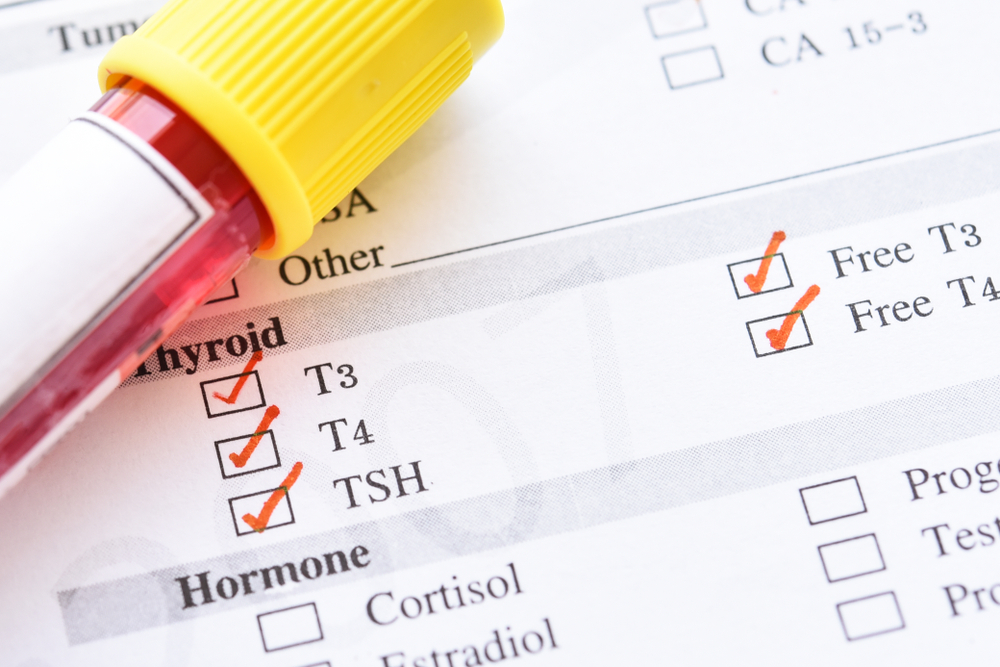
Your metabolism, energy, mood, and even heart rhythm are all regulated by the thyroid, a tiny gland with a huge function. TSH, the hormone that instructs your thyroid on how much hormone to produce, is usually measured first in a thyroid panel. Doctors may also measure the active thyroid hormones, free T3 and free T4, for a more complete picture. Regular screening is a crucial precaution because symptoms like fatigue, hair loss, and unexplained weight changes can be caused by both overactive and underactive thyroid function.
6. Vitamin D (25-Hydroxy Vitamin D)
Vitamin D is necessary for immune system strength, muscle function, and even mental health in addition to bone health. However, due to dietary gaps and insufficient sun exposure, deficiencies are common. You can identify deficiencies early and make necessary adjustments with safe sun exposure or supplements by taking your 25-hydroxy vitamin D levels twice a year. Testing is the safest way to make sure your vitamin D levels are just right because too much of it can damage your kidneys.
7. C-Reactive Protein (CRP or hs-CRP)
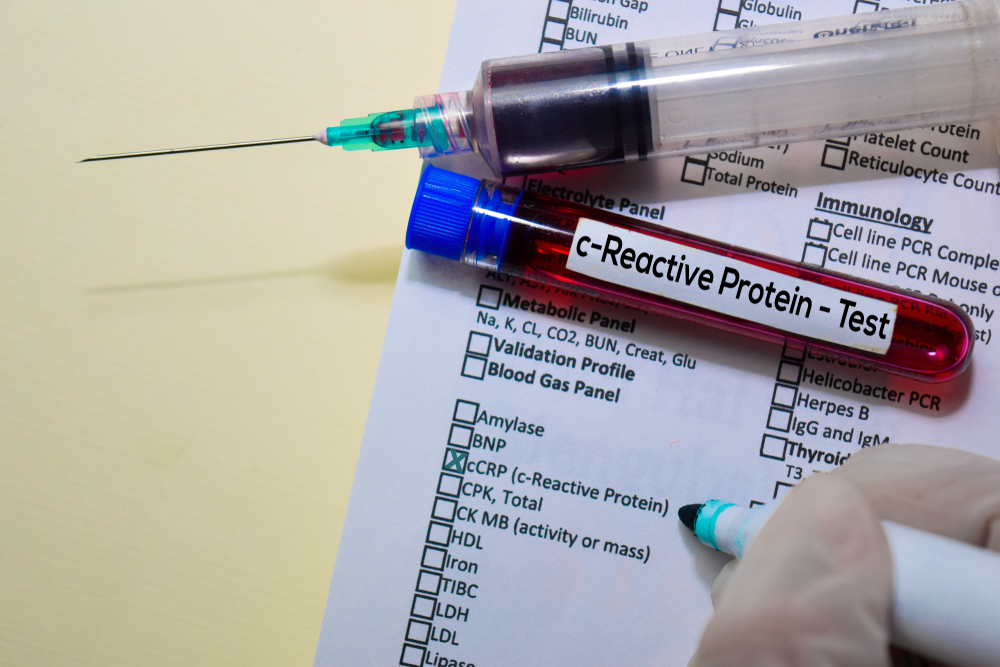
One indicator of inflammation in the body is C-Reactive Protein. Chronic inflammation is associated with heart disease, diabetes, and autoimmune disorders, whereas short-term inflammation aids in the healing of wounds and the fight against infections. When evaluating cardiovascular risk, high-sensitivity CRP (hs-CRP) testing is particularly helpful. Your doctor may look into diet, stress, gut health, or hidden infections if your CRP levels are high in order to lower them before they cause long-term harm.
8. Kidney Function & Electrolyte Panel
Your kidneys keep the proper ratio of minerals in your blood, filter waste, and control fluid balance. In addition to electrolytes like sodium, potassium, calcium, and chloride, a kidney panel measures your creatinine, blood urea nitrogen (BUN), and estimated glomerular filtration rate (eGFR). These findings may reveal early kidney disease, adrenal gland problems, or dehydration. Regular monitoring is particularly crucial for people with diabetes, high blood pressure, or frequent use of certain medications because kidney health can deteriorate covertly.
9. Liver Function Tests (LFTs)

Food nutrients, drugs, and poisons are all processed by the liver. Tests for liver function measure bilirubin, albumin, ALT, AST, and alkaline phosphatase, among other enzymes. Increased levels may indicate fatty liver disease, viral infections, alcohol-related damage, or adverse drug reactions. Rechecking every six months guarantees that minor problems are not overlooked until they become serious. Even slight changes in liver enzyme levels can provide crucial hints.
10. Iron Studies (Ferritin, Iron, TIBC)
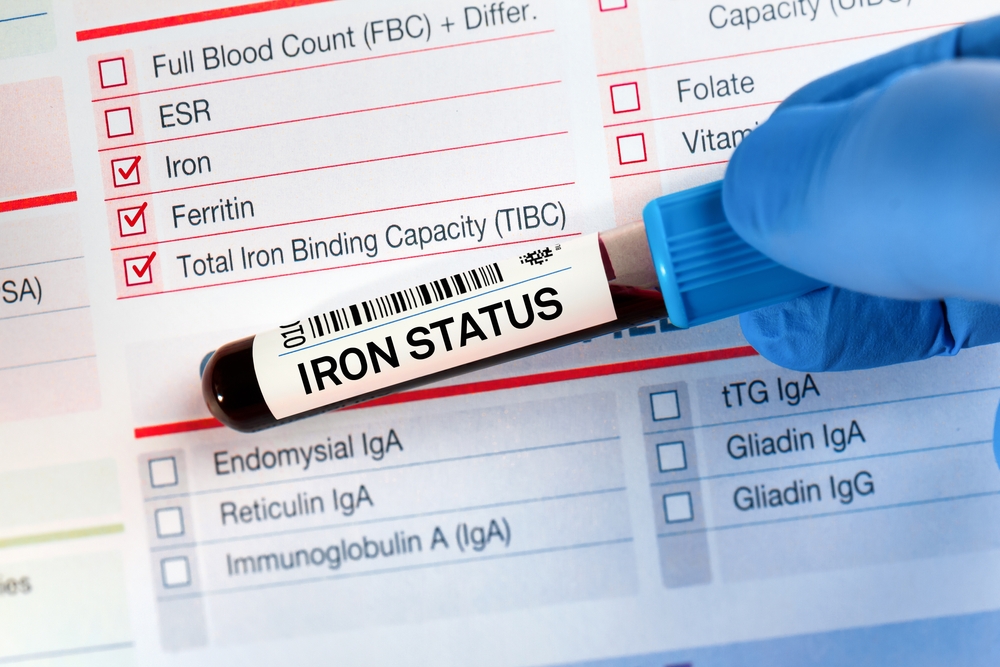
Your blood needs iron to carry oxygen, but too much or too little iron can be dangerous. Serum iron, total iron-binding capacity (TIBC), and ferritin (your iron storage) are commonly measured in iron studies. Excess iron can harm organs, while low ferritin can result in weakness, exhaustion, and difficulty concentrating. Women, athletes, frequent blood donors, and anyone with chronic inflammation should pay special attention to these numbers.
Why Is Six Months Ideal?

Twice-yearly testing provides a balance between alertness and usefulness. It gives you the opportunity to address minor problems before they become health emergencies and lets you monitor trends rather than just one-time numbers. A six-month interval keeps your health monitoring current and pertinent because stress, lifestyle changes, and seasonal variations can all affect your results. Naturally, you should always discuss your results with a trained healthcare professional who can interpret them in light of your needs and personal history.