

You put on your sneakers, work out hard, and feel good about yourself—until you look down and realize your legs appear… larger? Leg swelling following exercise can be unexpected (and a little unsettling), but it’s usually just your body adjusting to the strain of exercise. However, swelling can occasionally be your body’s little warning sign that something else needs to be addressed.
Here’s a friendly, understandable look at the most typical causes of leg swelling following exercise—as well as when it might be time to see a doctor.
1. Your Muscles Are Repairing Tiny Tears
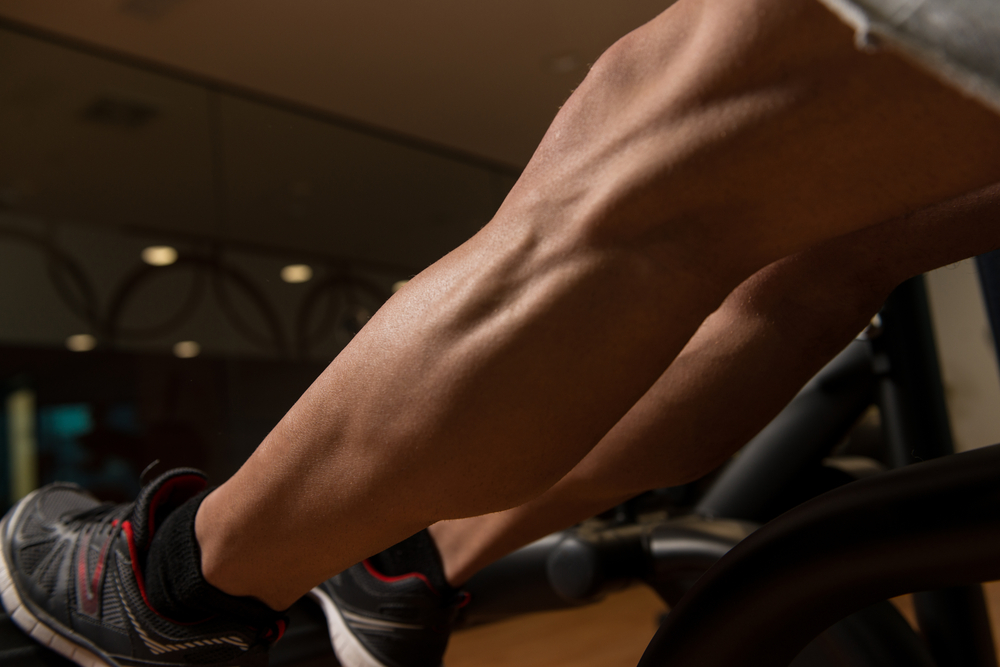
Every time you push your muscles, particularly during leg-heavy exercises like cycling, running, or squats, you cause microscopic tears in the muscle fibers. This is actually how your muscles get stronger, and it’s completely normal.
In order to begin rebuilding and repairing those fibers, your body rushes blood and fluid to the affected area. The outcome? momentary swelling or puffiness.
What can help?
- Taking breaks and elevating your legs
- Using compression sleeves
- Allowing time for recovery
These steps can reduce the swelling while your muscles do their behind-the-scenes strengthening.
2. You May Have a Workout-Related Injury
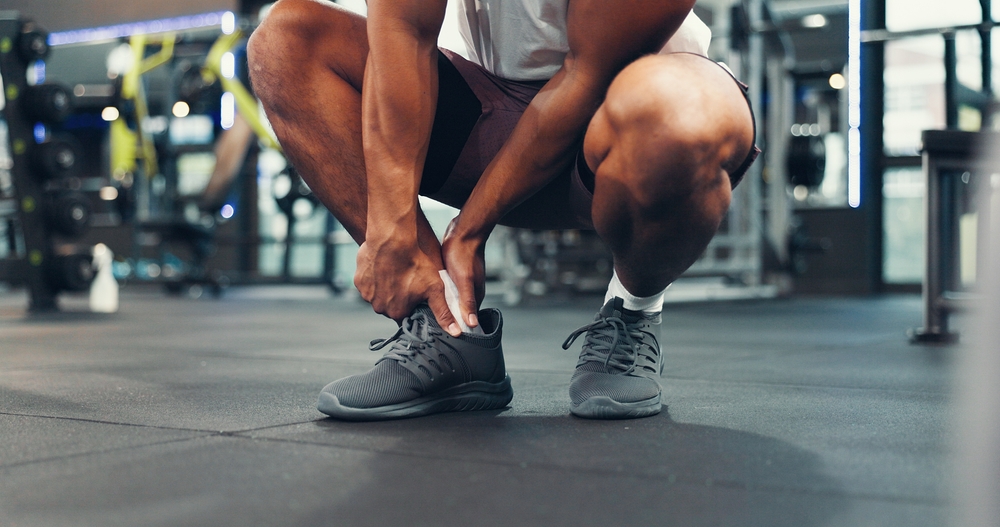
Swelling following exercise can occasionally indicate that something went wrong during your workout rather than just being a sign of muscle repair. Inflammation and swelling, frequently accompanied by tenderness or pain, can result from a rolled ankle, strained muscle, or undetected impact injury.
Seeing a doctor is the safest course of action if something doesn’t feel right or if the swelling is accompanied by excruciating pain, bruises, or trouble moving. Early intervention can prevent a minor injury from developing into a serious one.
3. Your Body Might Be Holding Onto Extra Fluid
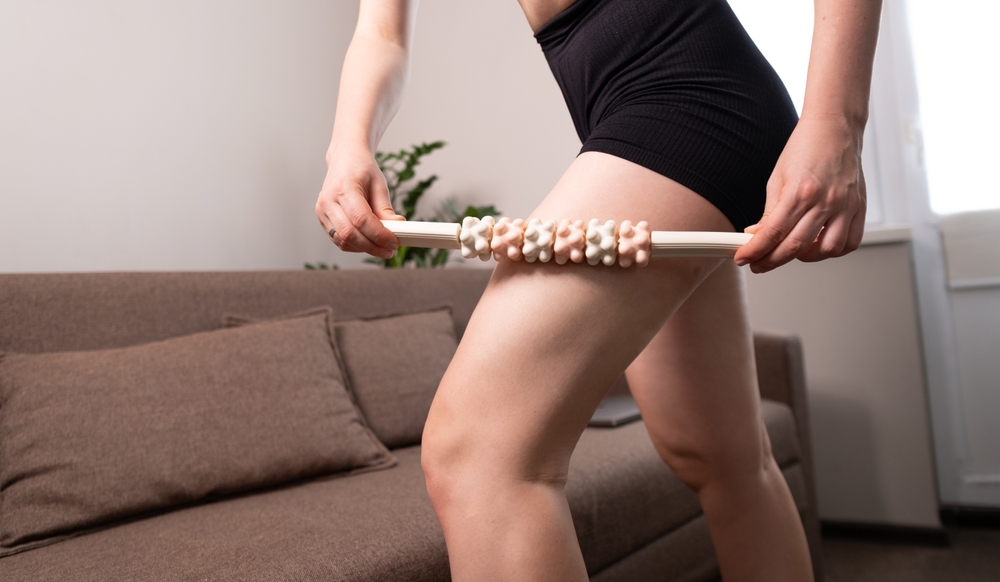
Your legs may swell slightly after exercise due to fluid retention. Fluid can accumulate in the lower body when your body is unable to move or drain it effectively, particularly after physical activity when blood flow to your legs naturally increases.
Underlying medical conditions affecting the kidneys, heart, liver, lungs, or thyroid can occasionally be connected to fluid retention. Exercise may make the swelling more noticeable, but the underlying problem might be occurring in the background.
It’s wise to consult your healthcare provider to rule out anything more serious if swelling persists even when you’re at rest or if it occurs frequently.
4. Your Veins Might Be Working Overtime
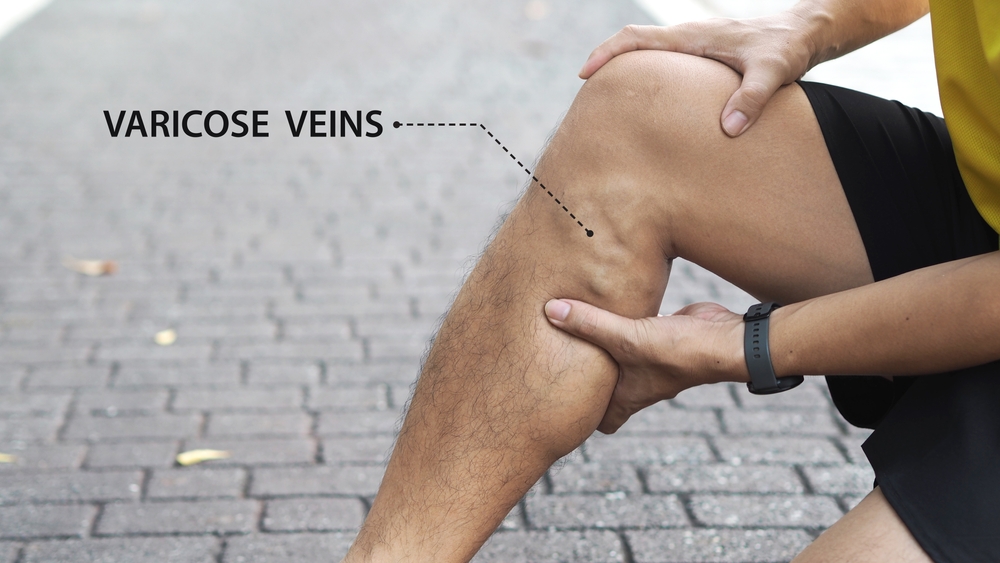
Blood is pushed upward toward your heart by the veins in your legs, which function as one-way highways. Blood may start to accumulate in your legs when those valves weaken or malfunction. Swelling, pain, or even outward symptoms like varicose or spider veins may result from this.
Your leg muscles naturally receive more blood when you exercise, which can exacerbate the swelling.
A vein specialist or primary care physician can help determine the cause of a circulation problem and suggest treatments, ranging from compression socks to straightforward lifestyle changes to minimally invasive procedures when necessary.
5. Hormones and Pregnancy Can Boost Swelling

You are probably already aware that swollen ankles and legs can be a daily occurrence if you are pregnant. Because your body is already carrying more fluid, exercise may cause that swelling to temporarily worsen.
However, hormone-related swelling can occur even if you are not pregnant. Your body may retain more water than normal due to PMS, menstrual cycles, and perimenopause. Exercise may make the swelling more apparent.
Your healthcare provider can provide advice on how to manage symptoms, such as low-impact exercises, compression clothing, or methods to promote healthy circulation, if hormonal changes appear to be the cause.
After exercise, mild swelling is frequently common, particularly when your muscles are healing. However, it’s crucial to consult a healthcare professional if swelling is uncomfortable, ongoing, or getting worse. To keep you comfortable, active, and self-assured during your workouts, they can help identify the problem and direct you toward the best course of action.
It’s always a good idea to pay attention to what your legs are trying to tell you because they work so hard for you.