
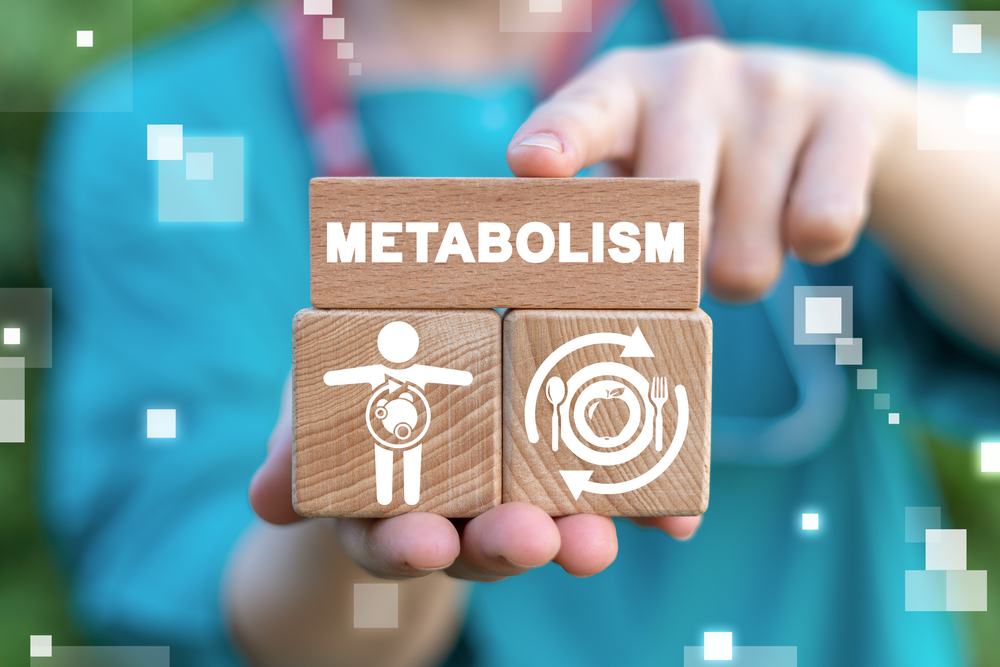
Have you ever felt like your metabolism is working against you? You’re eating better, trying to move more, yet the scale barely budges. It’s tempting to blame a “slow metabolism,” but the truth is a little more nuanced. While genetics play the biggest role in how efficiently your body burns calories, the foods you eat can gently nudge your metabolism in the right—or wrong—direction.
Let’s explore 11 foods that can either support or sabotage your metabolism, so you can make smarter choices without obsessing over every bite.
First, What Exactly Is Metabolism?
Think of metabolism as your body’s internal engine. It’s responsible for turning food into energy so you can breathe, think, digest, move, and even maintain your body temperature.
Your metabolism is made up of three main parts:
- Resting Metabolic Rate (RMR): Calories burned just to keep you alive (this makes up the biggest chunk).
- Activity Thermogenesis: Calories burned through movement and exercise.
- Thermic Effect of Food: Calories burned while digesting and processing what you eat.
While you can’t completely change your metabolic engine, you can influence how smoothly it runs through food choices, muscle-building exercise, and eating enough—not too little.
Can Food Really Boost Metabolism?
Short answer: a little, yes—but it’s not magic.
Some foods slightly increase calorie burn during digestion, help preserve muscle mass, reduce inflammation, or keep you full longer so you’re less likely to overeat. Over time, these small effects can add up and support healthy weight management.
Now let’s get to the good stuff.
Six of the Best Foods for a Metabolism Boost
1. Avocado

Avocados are rich in healthy fats that help you feel satisfied after meals, which can reduce the urge to snack later. They also have anti-inflammatory properties, and lower inflammation may help your body’s metabolic processes work more smoothly. While avocados are nutritious, portion control is important because they are calorie-dense, so a small serving goes a long way.
2. Tempeh

Tempeh is a protein-rich, fermented soy product that supports satiety and muscle maintenance. Because it contains natural probiotics, it may improve gut health, which plays a role in energy regulation and overall metabolic function. A well-balanced gut can help you feel more energized and support efficient calorie use throughout the day.
3. Chili Peppers

Chili peppers contain capsaicin, a compound that can slightly increase calorie burn and fat oxidation. Eating spicy foods may temporarily raise metabolic rate, though the effect is modest. Still, adding chili peppers to meals can offer a small metabolic boost while also enhancing flavor without adding extra calories.
4. Beans
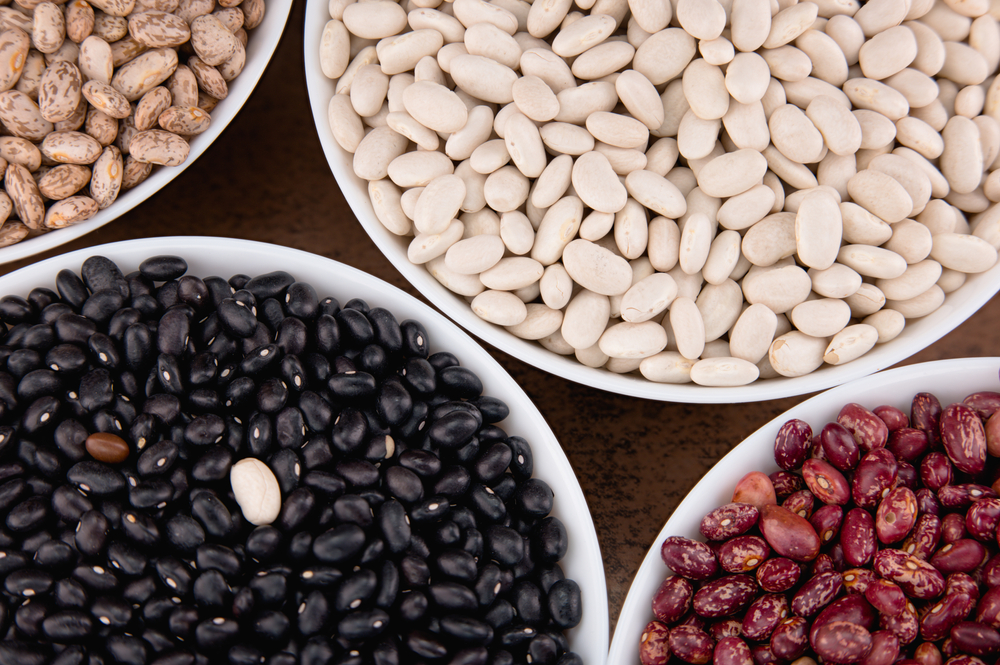
Beans are packed with protein and fiber, making them excellent for keeping hunger at bay and preserving lean muscle mass. Since muscle tissue burns more calories than fat, maintaining muscle helps support metabolism even at rest. The fiber in beans also slows digestion, helping you feel full longer and naturally reducing overall calorie intake.
5. Whole Grains
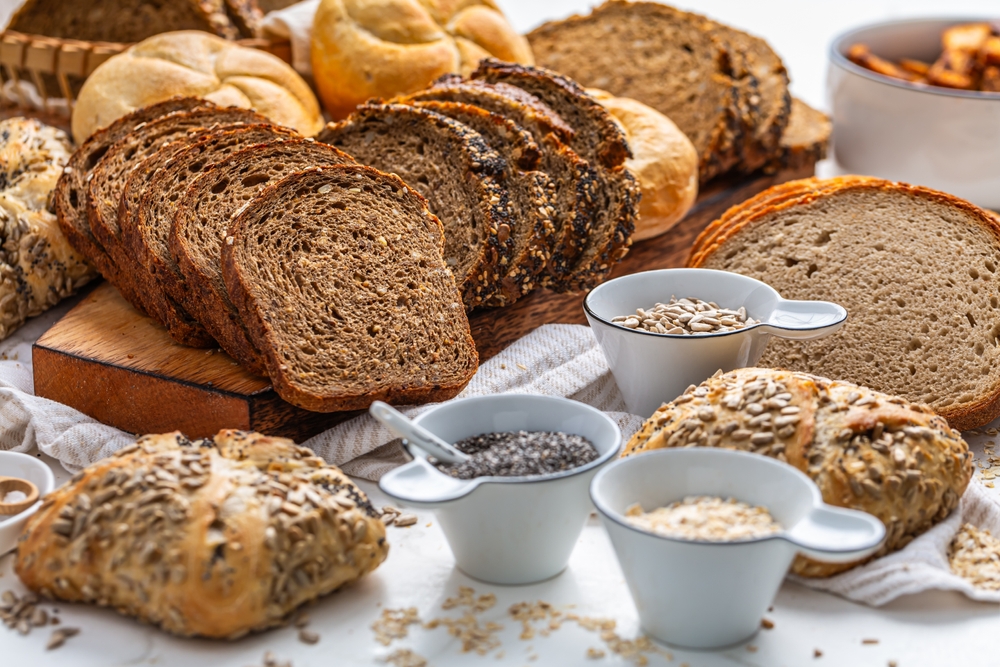
Whole grains contain fiber and nutrients that refined grains lack. Your body burns more energy digesting whole grains, which can slightly increase resting calorie burn. They also help regulate blood sugar levels and reduce inflammation, making them a smarter choice for metabolic health and long-term weight management.
6. Eggs

Eggs are low in calories but high in protein, healthy fats, and B vitamins, all of which help your body convert food into usable energy. Eating eggs, especially at breakfast, can reduce hunger later in the day and support fat loss when combined with a balanced, calorie-controlled diet.
Five Foods That Can Slow Things Down
1. Refined Grains

Refined grains such as white bread, white pasta, and pastries lack fiber and digest quickly. This can cause rapid spikes and drops in blood sugar, leading to increased hunger and fatigue. Because they are less filling, refined grains can encourage overeating and make weight management more difficult.
2. Sugary Beverages

Sugary drinks deliver a large amount of calories without making you feel full. They can interfere with fat metabolism and promote fat storage, especially when consumed alongside meals. Even fruit juice, though it may seem healthy, lacks the fiber of whole fruit and can trigger hunger soon after drinking it.
3. Alcohol

Alcohol contains empty calories and can disrupt blood sugar balance. It often lowers inhibitions, leading to poor food choices, and can reduce motivation to exercise the following day. Regular heavy drinking has been linked to weight gain and can slow progress toward metabolic and fitness goals.
4. Granola
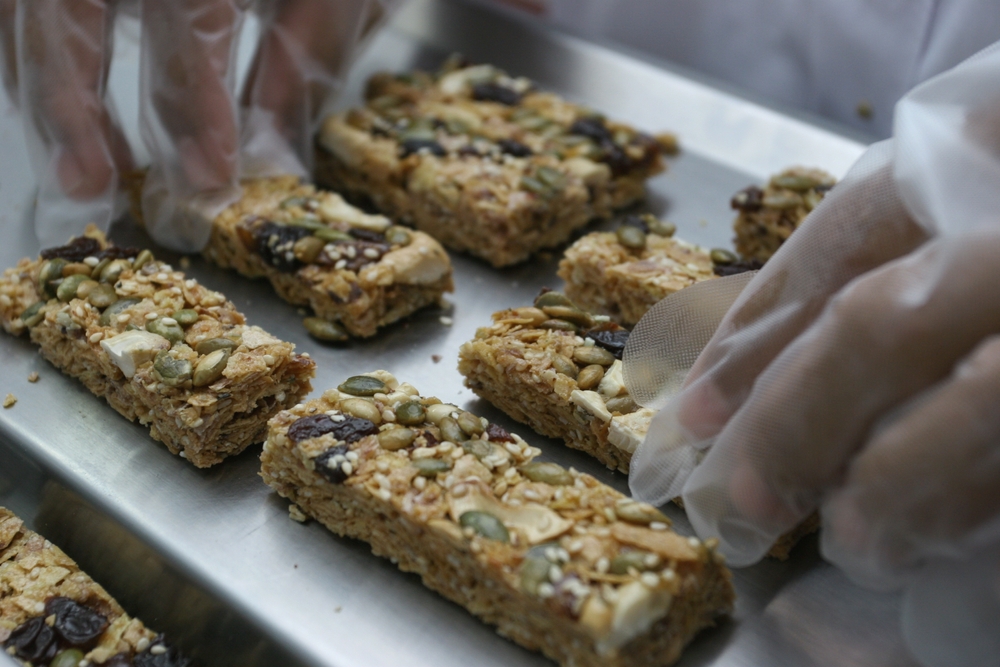
Although often marketed as a health food, many types of granola are high in sugar, fat, and calories. It’s easy to overeat because small portions pack a lot of energy. Choosing low-sugar versions or limiting portion size can help prevent unnecessary calorie overload.
5. Soybean Oil
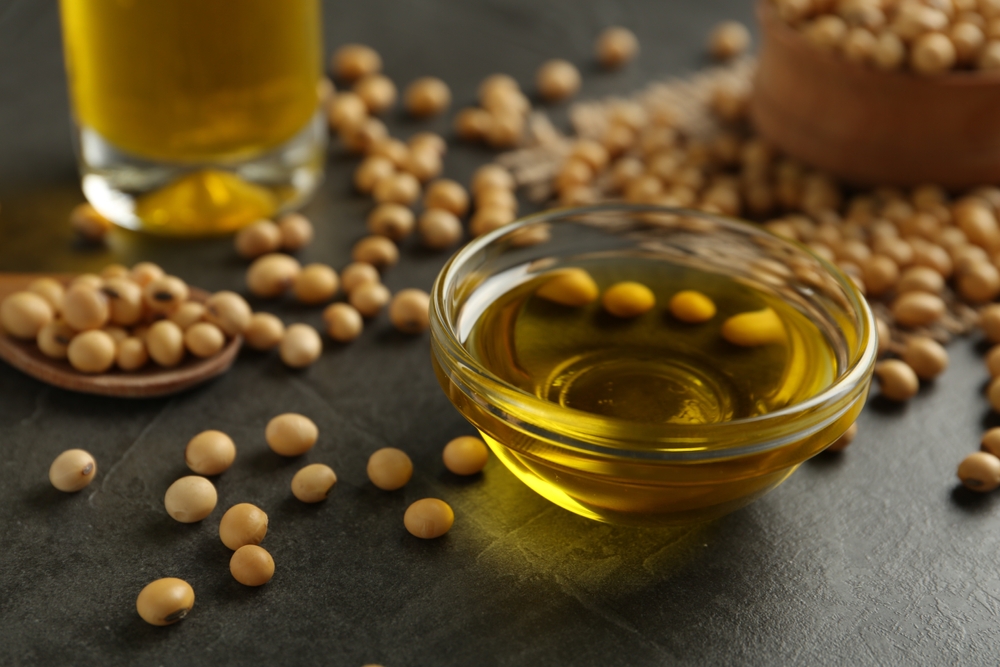
Soybean oil is common in processed foods and is high in omega-6 fatty acids, which may promote inflammation when consumed in excess. Chronic inflammation can interfere with hormones that regulate appetite and metabolism. Reducing processed foods and choosing healthier fats like olive oil can support better metabolic balance.
No single food can dramatically change your metabolism on its own, but consistent, balanced choices can make a meaningful difference over time. Focusing on whole foods, adequate protein, fiber-rich carbohydrates, and healthy fats—while limiting heavily processed items—helps your body work more efficiently. When combined with regular movement and enough calories to fuel your needs, these habits support a healthier metabolism and sustainable weight management.