
A fun night out can quickly turn into a rough morning. Headaches, nausea, fatigue, dry mouth, anxiety, and poor focus are all classic signs of a hangover. These symptoms happen because alcohol dehydrates the body, triggers inflammation, lowers blood sugar, and disrupts sleep. While there’s no magic cure that instantly makes a hangover disappear, science does offer several reliable ways to help your body recover faster and feel more like yourself again.
Here are nine science-backed fixes that actually help.
1. Rehydrate Like It’s Your Job

Alcohol acts as a diuretic, meaning it causes your body to lose fluids faster than usual. This dehydration contributes to headaches, dizziness, dry mouth, and fatigue. Drinking water helps restore fluid balance, supports circulation, and assists your body in flushing out leftover alcohol byproducts. Start sipping water as soon as you wake up, even if it’s just a few mouthfuls at a time. Avoid the common myth of having more alcohol the next morning — it may briefly mask symptoms, but it ultimately makes dehydration and inflammation worse.
2. Use Electrolytes for Faster Relief
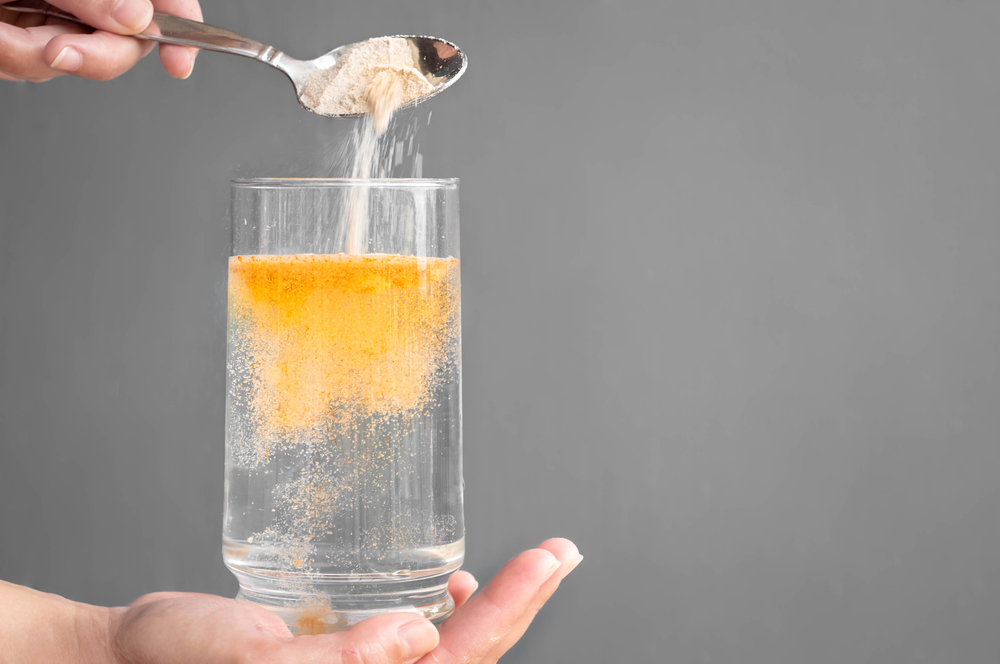
While water is essential, adding electrolytes can speed up recovery. Sports drinks or oral rehydration solutions contain minerals like sodium and potassium that help your cells absorb water more efficiently. If you don’t have a sports drink, foods can do the job just as well. Bananas, pretzels, soups, spinach, and nuts all provide key electrolytes. Water-rich foods such as watermelon and cucumber also help replenish fluids while being gentle on the stomach.
3. Refill Lost Nutrients With Vitamins B and C
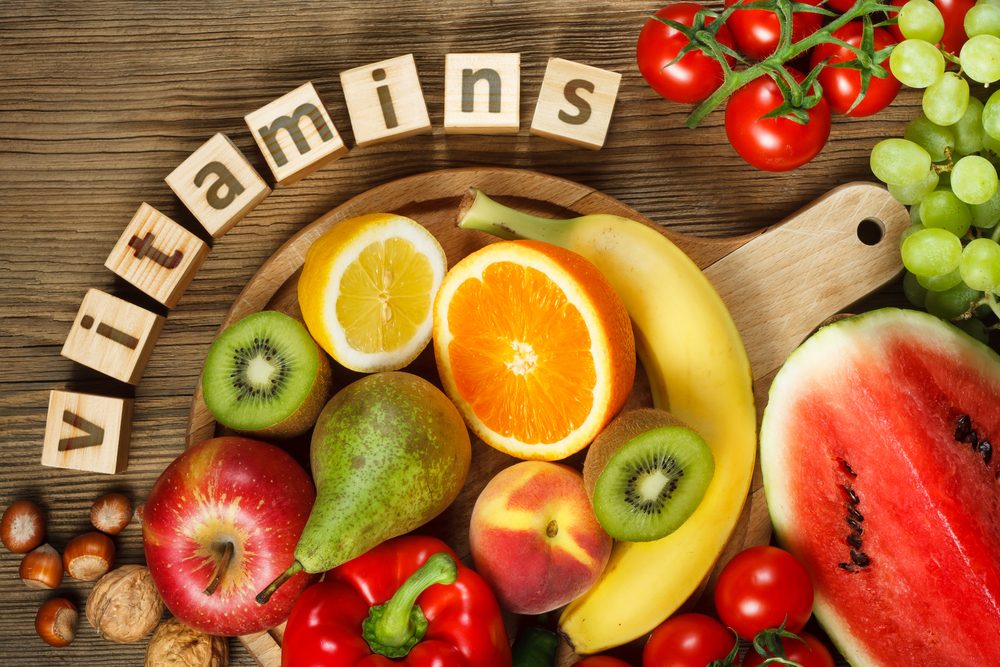
Alcohol can deplete important nutrients, particularly B vitamins, which are vital for energy production, brain function, and nervous system health. This depletion can leave you feeling sluggish and mentally foggy. Eating foods like eggs, whole grains, lean meats, and fortified cereals can help restore those levels. Vitamin C is also helpful, as alcohol can weaken immune defenses. Fruits and vegetables such as oranges, strawberries, kiwi, bell peppers, and broccoli provide a natural vitamin C boost to support recovery.
4. Bring Blood Sugar Back to Normal With Carbs
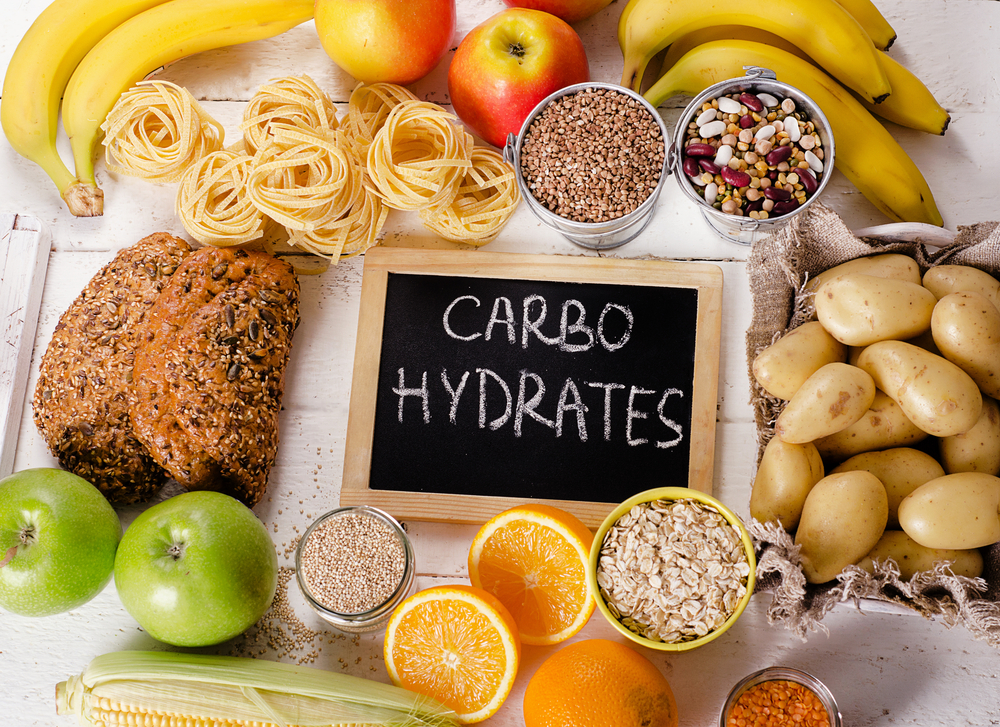
Alcohol interferes with how your body regulates blood sugar, which can lead to weakness, shakiness, irritability, and low energy. Eating carbohydrates helps stabilize blood sugar and provides a quick energy boost. Simple, comforting options like toast, oatmeal, rice, noodles, or crackers work well. Despite popular belief, greasy foods don’t absorb alcohol or cure hangovers — the alcohol has already been processed by your liver. A balanced meal with carbs, protein, and a bit of salt is a far better choice.
5. Sip Chamomile to Calm Hangover Anxiety
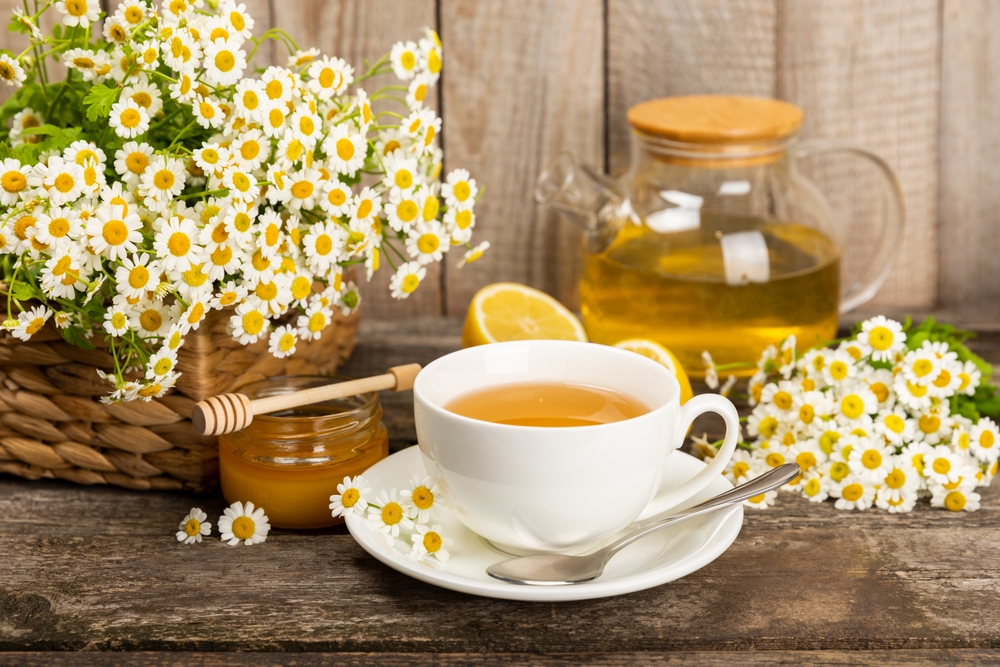
For many people, hangovers come with an emotional component — often called “hangxiety.” This uneasy, anxious feeling is linked to dehydration, low blood sugar, and hormone changes after drinking. Chamomile tea may help promote relaxation and calm the nervous system. While research specifically on hangovers is limited, chamomile has been shown to support sleep, reduce mild anxiety, and soothe the stomach. Even the warmth and ritual of drinking tea can be comforting when you’re feeling off.
6. Reduce Inflammation With the Right Pain Reliever
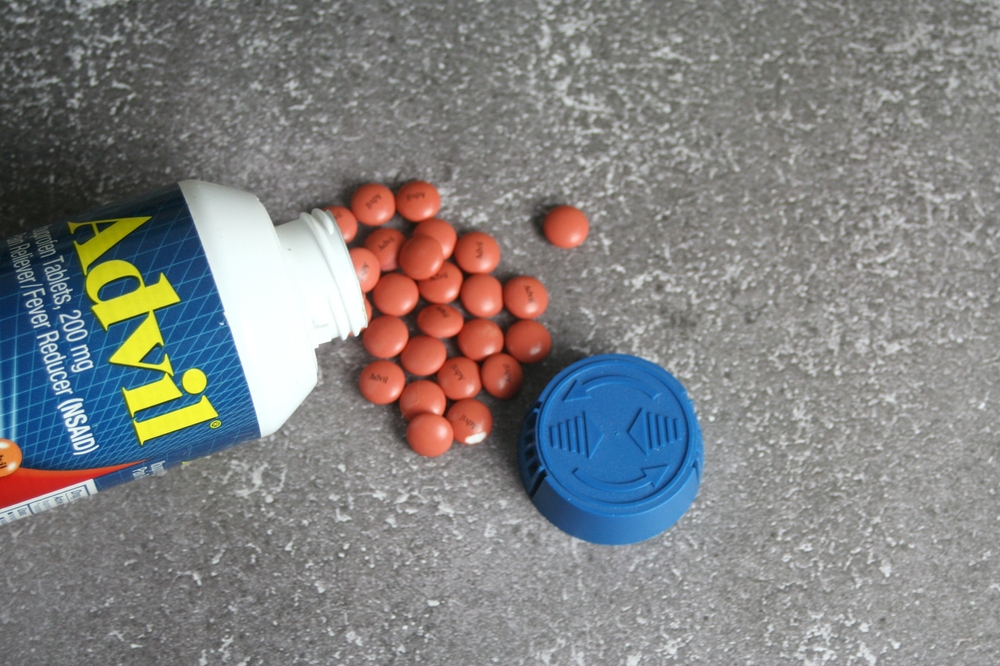
Headaches and body aches after drinking are often caused by inflammation triggered by your immune system. Nonsteroidal anti-inflammatory drugs (NSAIDs) such as ibuprofen or naproxen can help ease pain and reduce inflammation if your stomach can tolerate them. However, they should be avoided if you have nausea or stomach irritation. Acetaminophen (Tylenol) is not recommended when alcohol is still in your system, as both are processed by the liver and may increase the risk of liver damage when combined.
7. Use Ginger to Settle Your Stomach
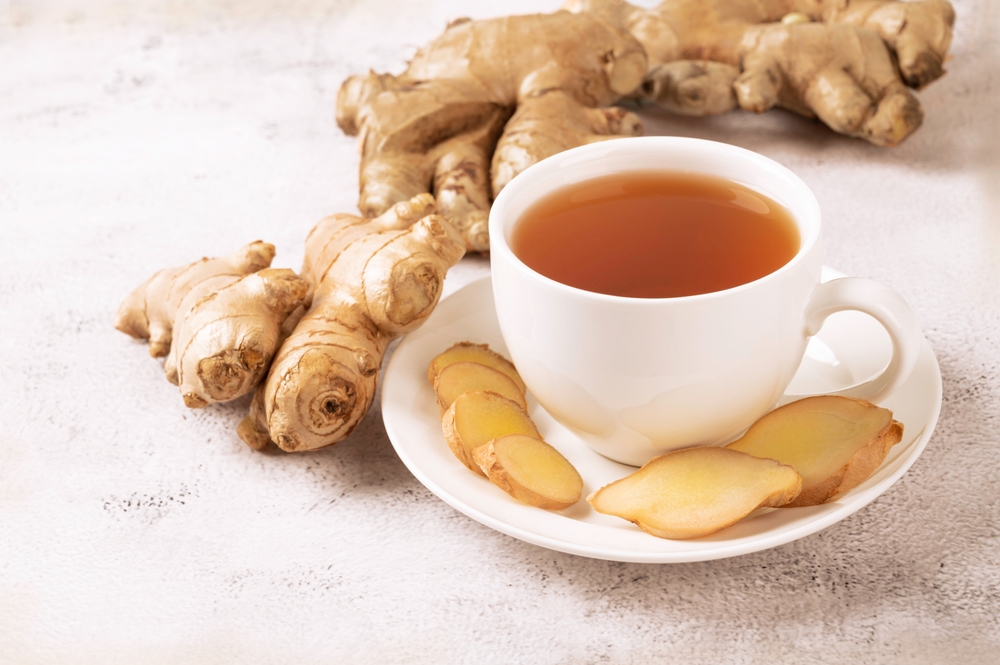
Nausea is one of the most uncomfortable hangover symptoms, and ginger is a well-known natural remedy for digestive upset. Ginger helps relax the stomach, improves digestion, and can reduce feelings of nausea. It can be consumed as ginger tea, fresh ginger slices, or ginger chews. Its gentle yet effective properties make it a popular choice for calming an upset stomach after drinking.
8. Move Gently to Boost Mood and Energy
Although intense exercise is not a good idea when hungover, light movement can help. Gentle activities such as walking, stretching, or easy yoga increase blood flow, improve mood, and may help your body clear toxins more efficiently. Exercise also releases endorphins, which can improve energy and mental clarity. Be sure to hydrate well and stop if you feel dizzy or unsteady — rest is always a valid option.
9. Sleep More to Let Your Body Reset

Alcohol disrupts your natural sleep cycle, preventing deep and restorative sleep even if you spend many hours in bed. This lack of quality sleep contributes to fatigue, irritability, and poor concentration the next day. One of the most effective hangover remedies is simply getting more rest. Napping or going to bed early allows your body time to repair, rebalance hormones, and restore your circadian rhythm. Combined with hydration and proper nutrition, sleep significantly speeds recovery.
Hangovers are your body’s way of asking for support. While no remedy can instantly erase the effects of heavy drinking, staying hydrated, eating balanced meals, replacing lost nutrients, resting, and avoiding harsh “quick fixes” can make a noticeable difference. Most importantly, drinking in moderation — or not at all — is the most reliable way to protect both your mornings and your long-term health.
Until then, keep these science-backed tips in mind. Your next morning might just feel a whole lot better.