
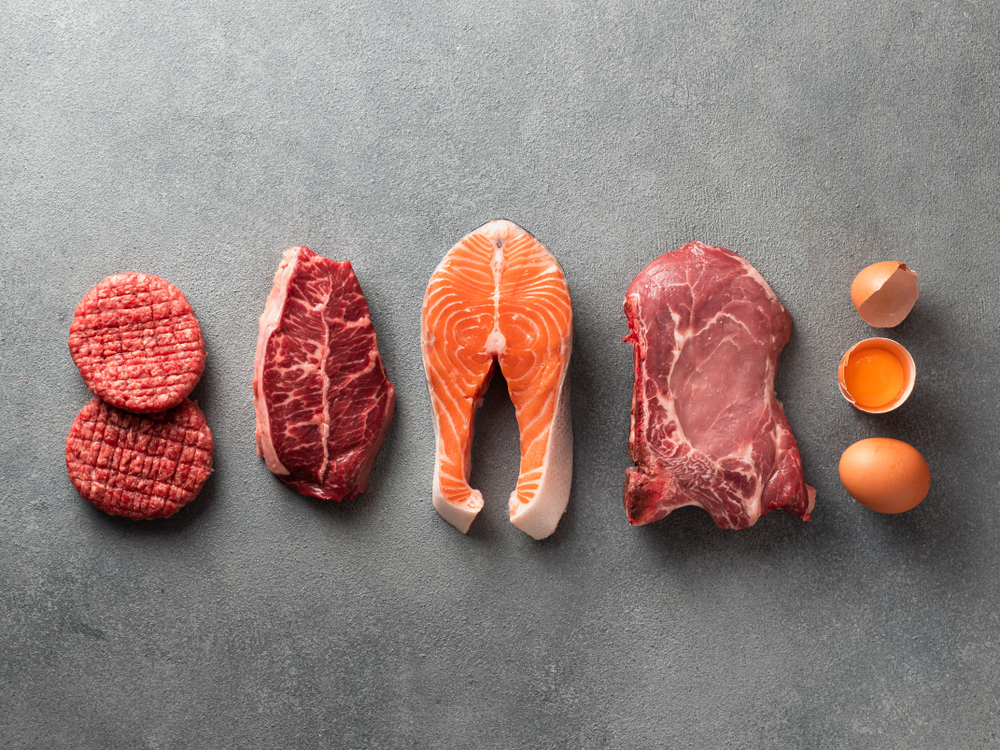
High-protein diets have been gaining steam for years, but one trend has taken the concept to an extreme: the carnivore diet. As the name boldly suggests, it’s all meat, all the time—no veggies, no fruit, no grains, no exceptions. While some curious eaters and a handful of high-profile advocates swear by it, many health experts aren’t so enthusiastic.
If you’ve been wondering what the carnivore diet is really about—and whether it’s worth trying—this approachable guide breaks down the science, the claims, the risks, and what you can realistically expect.
What Exactly Is the Carnivore Diet?
Unlike other high-protein or low-carb eating styles, the carnivore diet eliminates every source of carbohydrates. Followers eat only animal-derived foods: beef, pork, poultry, fish, eggs, and animal fats. As one dietitian puts it, if it “walked, swam, or flew,” it’s fair game.
Most people who venture into carnivore territory do so for weight loss or to manage autoimmune symptoms—often after trying other popular diets like paleo or keto. Paleo encourages fruits, vegetables, lean meats, and natural foods. Keto focuses on high fat, moderate protein, and very low carbs. Carnivore removes everything but the protein—making it the most restrictive of the three.
It’s simple to follow, but not necessarily simple on the body.
The Carnivore Diet: The Good and the Not-So-Good
Supporters claim that eliminating plant foods reduces inflammation, boosts energy, and trims body fat. Some well-known individuals have shared dramatic personal stories of symptom relief. But it’s important to note: these accounts are anecdotal, not scientific proof.
Research strongly favors balanced diets rich in plants, and no clinical studies confirm the carnivore diet’s supposed benefits. What we do have, however, is plenty of information about the potential problems.
Possible Upsides (Mostly Anecdotal)
-
Temporary reduction in food sensitivities: Cutting out common triggers—like gluten, soy, or nuts—may help some individuals pinpoint problem foods.
-
Simplicity: With a very short list of allowed foods, meal planning becomes straightforward.
-
Fullness factor: High-protein meals help many people feel satisfied for longer.
Scientifically Supported Downsides
-
Nutrient deficiencies: Vitamins C and E, fiber, and antioxidants are scarce or nonexistent in an all-meat diet.
-
Digestive issues: With zero fiber, constipation and gut imbalance are common concerns.
-
Cancer risk: High intake of red and processed meats has been linked to increased gastric cancer risk in certain studies.
-
Heart health concerns: Saturated fats from fatty cuts of meat may negatively affect cardiovascular health.
-
Kidney strain: Processing large amounts of animal protein can be taxing on the kidneys.
-
Disordered eating risk: Extreme restriction can trigger or worsen unhealthy eating behaviors.
Human bodies thrive on variety—and carnivore cuts out entire food groups that are essential to long-term wellness.
How Much Does the Carnivore Diet Cost?
Brace yourself: this diet isn’t cheap. High-quality cuts of red meat, seafood, and organ meats add up fast, especially when consumed three times a day. For most people, it’s a far more expensive lifestyle than balanced eating.
What Can You Eat on the Carnivore Diet?
While the diet is simple in concept, there are still some nuances.
Top Foods You Can Eat
-
Beef, pork, lamb, and other red meats
-
Poultry
-
Fish and seafood
-
Organ meats
-
Eggs
-
Bone broth and bone marrow
-
Butter, ghee, and lard
-
Salt and pepper
-
Water
-
Meat-based gravies made without flour
Foods to Avoid (Basically Everything Else)
-
Vegetables and fruits
-
Grains and legumes
-
Nuts and seeds
-
Pasta, bread, and baked goods
-
Alcohol
-
Foods with added sugars or plant-based ingredients
A Simple 7-Day Sample Menu
Here’s an example of how a week might look on a carnivore diet:
Day 1: Fried eggs with ham; rib-eye steak; burger patties; sugar-free jerky
Day 2: Scrambled eggs and bacon; beef ribs; baked trout; bone broth
Day 3: Eggs and liver; NY strip steak; scallops; bone marrow
Day 4: Eggs with salmon; pork chops; trout; hard-boiled eggs
Day 5: Eggs and bacon; burger patties; chicken thighs; sardines
Day 6: Eggs with ham; lamb chops; shrimp and mussels; pork rinds
Day 7: Trout and shredded chicken; pork shoulder; lamb chops with seafood; salmon jerky
Meals are filling, so snacks are optional.
Carnivore Diet Grocery List
If you’re planning to give carnivore a try, stock up on:
-
Rib-eye, strip steak, brisket
-
Chicken thighs and breasts
-
Pork chops, ribs, and shoulder
-
Organ meats (liver, kidneys)
-
Lamb chops
-
Seafood like shrimp, mussels, scallops, salmon, and trout
-
Bone broth, marrow, eggs, pork rinds
-
Salt and pepper
How Much Should You Exercise?
Followers often recommend consuming plenty of animal fat for energy during workouts since there are no carbs to rely on. Hydration is also crucial because meat alone won’t provide enough water.
Some carnivore advocates claim diet matters more than exercise for weight loss. However, balanced research overwhelmingly supports combining both for overall health.
Thinking of Trying the Carnivore Diet? Tips for a Safer Start
If you’re still curious, here are some gentle guidelines to make the transition less risky:
1. Prioritize Your Health
Monitor your mood, digestion, and energy levels. Check in with a healthcare provider—especially if you have chronic conditions.
2. Ease Into It
Increase your meat intake gradually instead of switching overnight.
3. Personalize It
Don’t be afraid to adjust the diet by adding nutrient-rich foods like berries or leafy greens, if needed.
4. Use Supplements Wisely
A diet this restrictive may require vitamins or minerals such as magnesium, calcium, potassium, or fiber supplements. Consult a dietitian before adding anything.
5. Consider a Less Extreme Alternative
Keto or paleo diets offer similar benefits with far fewer risks and are more sustainable for most people.
The carnivore diet is bold, simple, and—depending on who you ask—either life-changing or downright risky. While some people report positive short-term changes, there’s no scientific evidence supporting its long-term benefits, and plenty of concerns point in the opposite direction.
If you’re intrigued, approach it with curiosity—but also caution. Your body thrives on balance, and no single diet is a magic fix. Listening to your health, staying flexible, and relying on science-backed nutrition will always serve you best.