
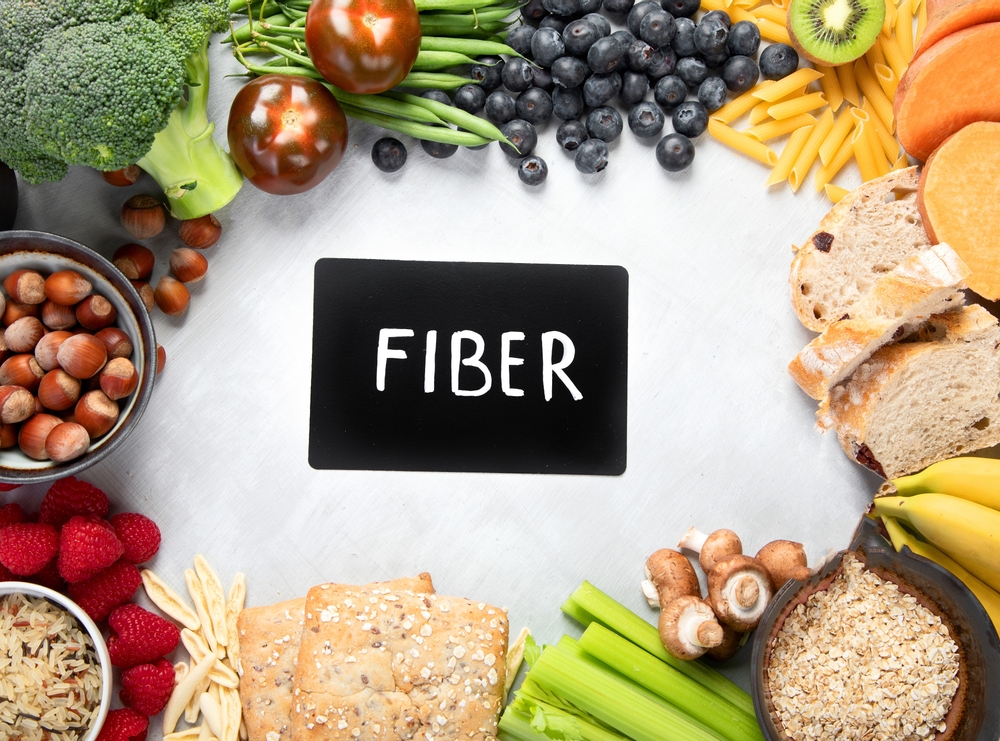
If you’ve ever tried to eat healthier by adding more fiber and ended up feeling bloated or gassy, you’re definitely not alone. Fiber is amazing for your body—it supports digestion, keeps you fuller for longer, and can even lower your risk of diabetes and heart disease. But when you add too much too fast, your digestive system can protest a little. The good news? You can get all the benefits of fiber without the discomfort if you do it the right way.
What Exactly Is Fiber, and Why Do You Need It?
Fiber is a type of carbohydrate found in plant-based foods like fruits, veggies, whole grains, beans, and nuts. Unlike other carbs, your body can’t fully digest fiber. Instead, it passes through your system, helping to keep your digestive tract moving smoothly.
There are two main types of fiber:
- Soluble fiber – This type dissolves in water and forms a gel-like texture in your digestive tract. It helps slow down digestion, which can stabilize blood sugar and lower cholesterol. You’ll find soluble fiber in foods like oats, beans, lentils, peas, apples, and seeds.
- Insoluble fiber – This type doesn’t dissolve in water and adds bulk to your stool, helping things move along. It’s found in whole grains, wheat bran, and many vegetables.
Both are important, and your body benefits most when you include a balance of both types.
How Much Fiber Do You Actually Need?
Most adults fall short when it comes to fiber. According to the National Institutes of Health (NIH), women should aim for about 25 grams per day, while men should target 38 grams. Yet, the average American only eats about 16 grams daily—less than half of what’s recommended!
Adding just a few more fiber-rich foods to your plate can make a big difference for your digestion, heart health, and energy levels.
The Benefits of a Fiber-Rich Diet
Here’s what you can look forward to when you start eating more fiber:
- Easier, more regular bowel movements
- Feeling full longer (which can help manage weight)
- Lower cholesterol levels
- Better blood sugar control
- Reduced risk of diabetes, heart disease, stroke, and even some cancers
Fiber is basically your digestive system’s best friend—but only if you give it time to adjust.
Why Does Fiber Make You Feel Bloated?
That uncomfortable bloated feeling happens because your gut bacteria are working hard to break down fiber. When they ferment the undigested parts, gas is released as a natural byproduct. If your body isn’t used to handling a lot of fiber, that gas can build up, leaving you feeling puffy and full.
The key to avoiding this? Take it slow.
How to Increase Your Fiber Without the Bloat?
If you want to enjoy all the good stuff fiber has to offer—without the belly bulge—try these gentle adjustments:
- Add fiber gradually.
Jumping from low to high fiber overnight can shock your system. Instead, add a few grams each week so your gut bacteria can adjust. - Mix it up.
Experiment with both soluble and insoluble fiber sources. If one type causes bloating, try others to see which foods feel best for your body. - Drink plenty of water.
Fiber absorbs water as it moves through your system. Staying hydrated helps fiber do its job and keeps things running smoothly. Aim for about eight glasses a day. - Pair fiber with carbs.
Some research suggests that diets higher in carbohydrates (like fruits, veggies, and whole grains) can reduce gas production compared to high-protein diets. - Don’t peel everything.
The skins of many fruits and vegetables are packed with fiber. Keeping those peels on—like apples, cucumbers, and potatoes—can give you an easy fiber boost.
The Bottom Line
Fiber is one of the simplest and most powerful ways to support your overall health. It helps your digestion, keeps your heart strong, and even helps you feel more satisfied after meals. Just remember: the secret to getting more fiber without the uncomfortable side effects is to go slow and stay hydrated.
Small, steady changes are all it takes to keep your belly happy and your body thriving.