Skip These Foods if Your Cholesterol is High
If you’ve been told your cholesterol is high, your diet is one of the first things you’ll need to adjust. Not all fats are the enemy, but some foods, especially those high in saturated fats, trans fats, and added sugars, can raise your LDL (bad) cholesterol and increase your risk of heart disease over time. The problem is, a lot of the worst offenders are everyday staples that don’t always look unhealthy at first glance.
To protect your heart and bring your numbers down, it’s worth knowing which foods do the most damage. That way, you can cut back without guessing and replace them with healthier options that actually support your cholesterol goals.
Here are 11 foods to avoid or limit if you’re trying to manage high cholesterol.
Fried Foods
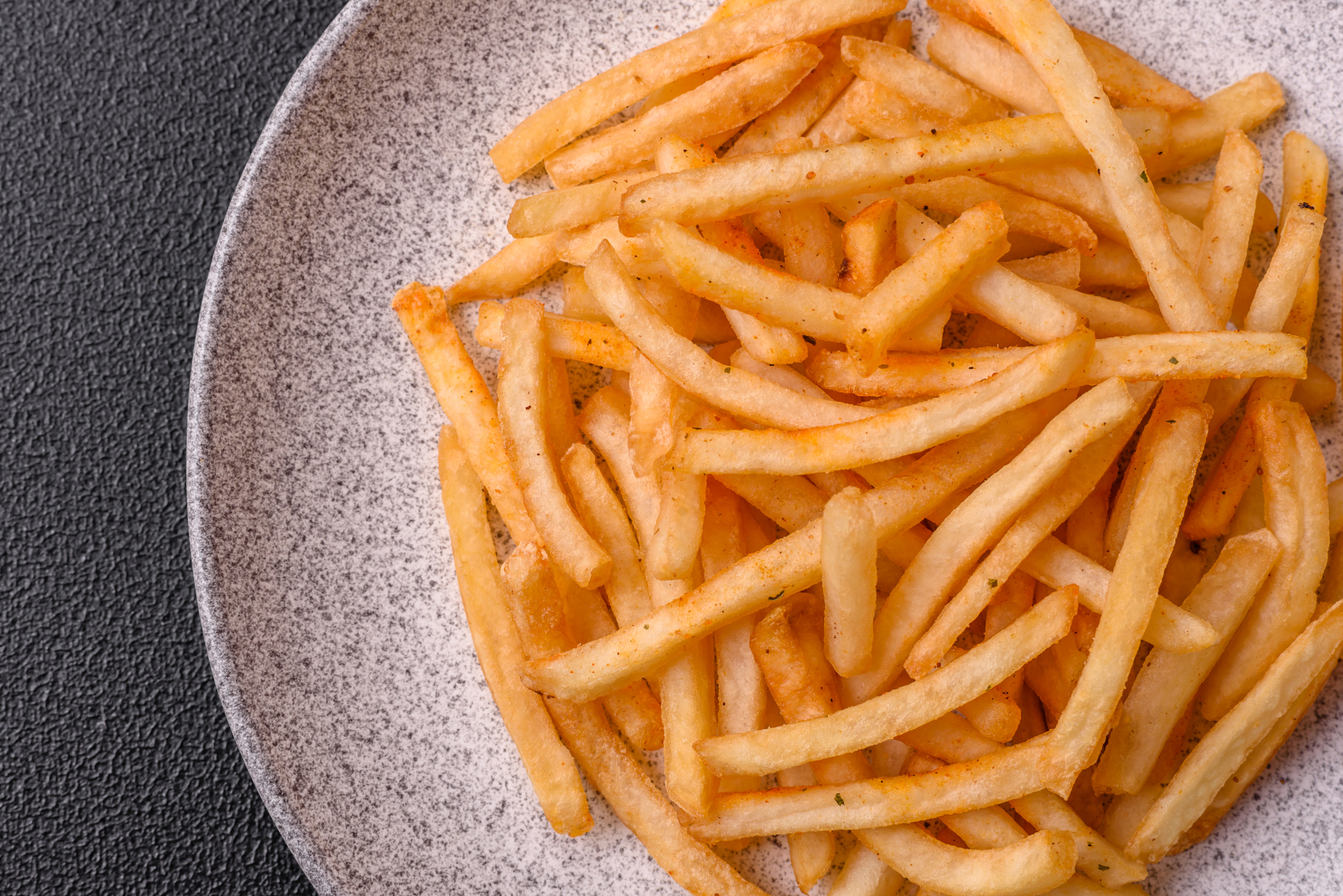
Deep-fried items like fries, nuggets, and battered snacks are usually cooked in oils high in trans fats or reused oils that increase LDL cholesterol. Even when homemade, frying adds unnecessary saturated fat that can spike your cholesterol levels fast.
Processed Meats
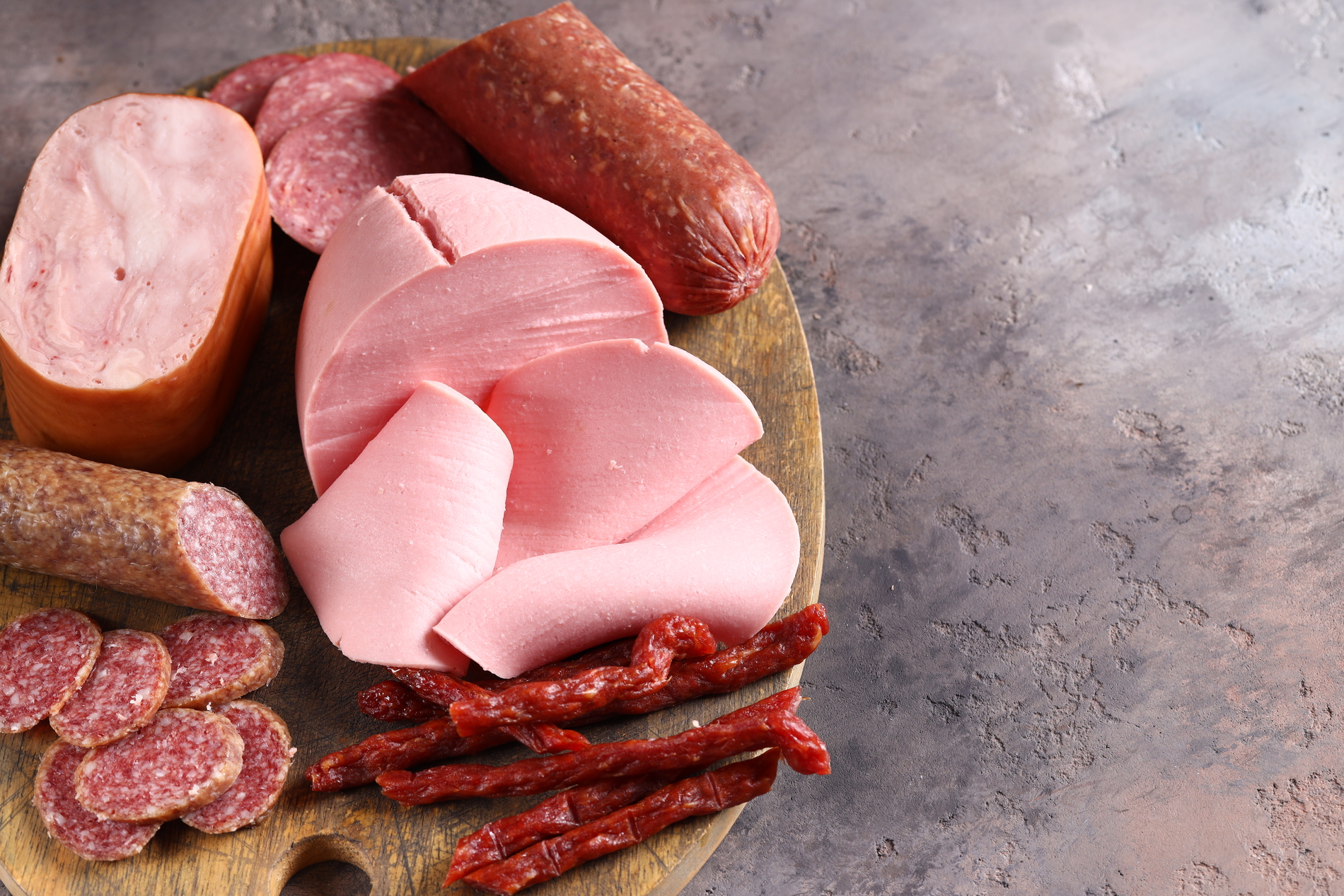
Sausages, bacon, hot dogs, and deli meats often contain high amounts of saturated fat and sodium. They’ve also been linked to inflammation and heart disease. If you eat them regularly, they can significantly impact your cholesterol over time.
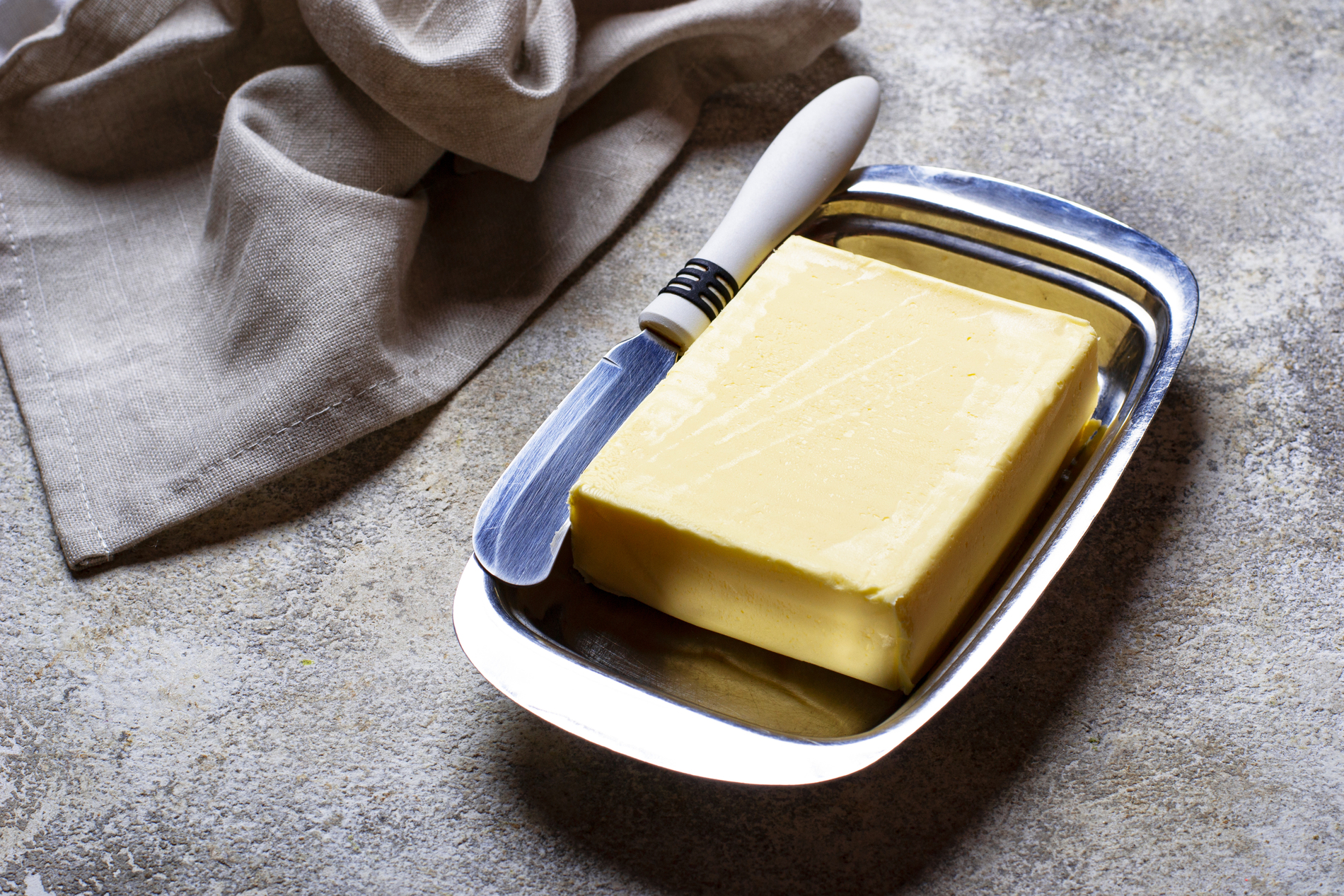
Butter and Lard
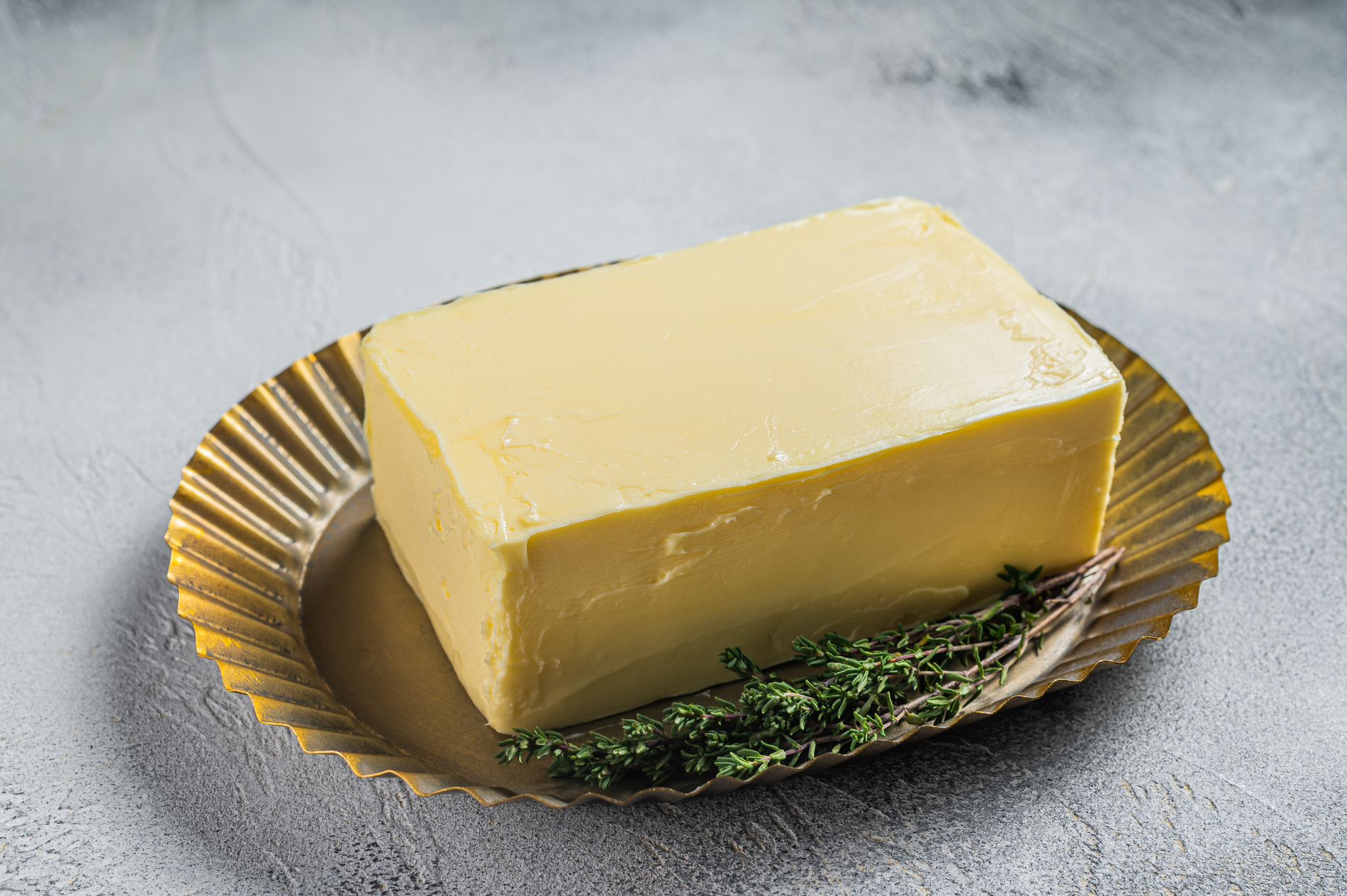
These solid fats are mostly saturated, which means they raise LDL cholesterol quickly when eaten in large amounts. Using them sparingly or swapping for plant-based oils like olive or avocado oil can make a noticeable difference.
Pastries and Baked Goods
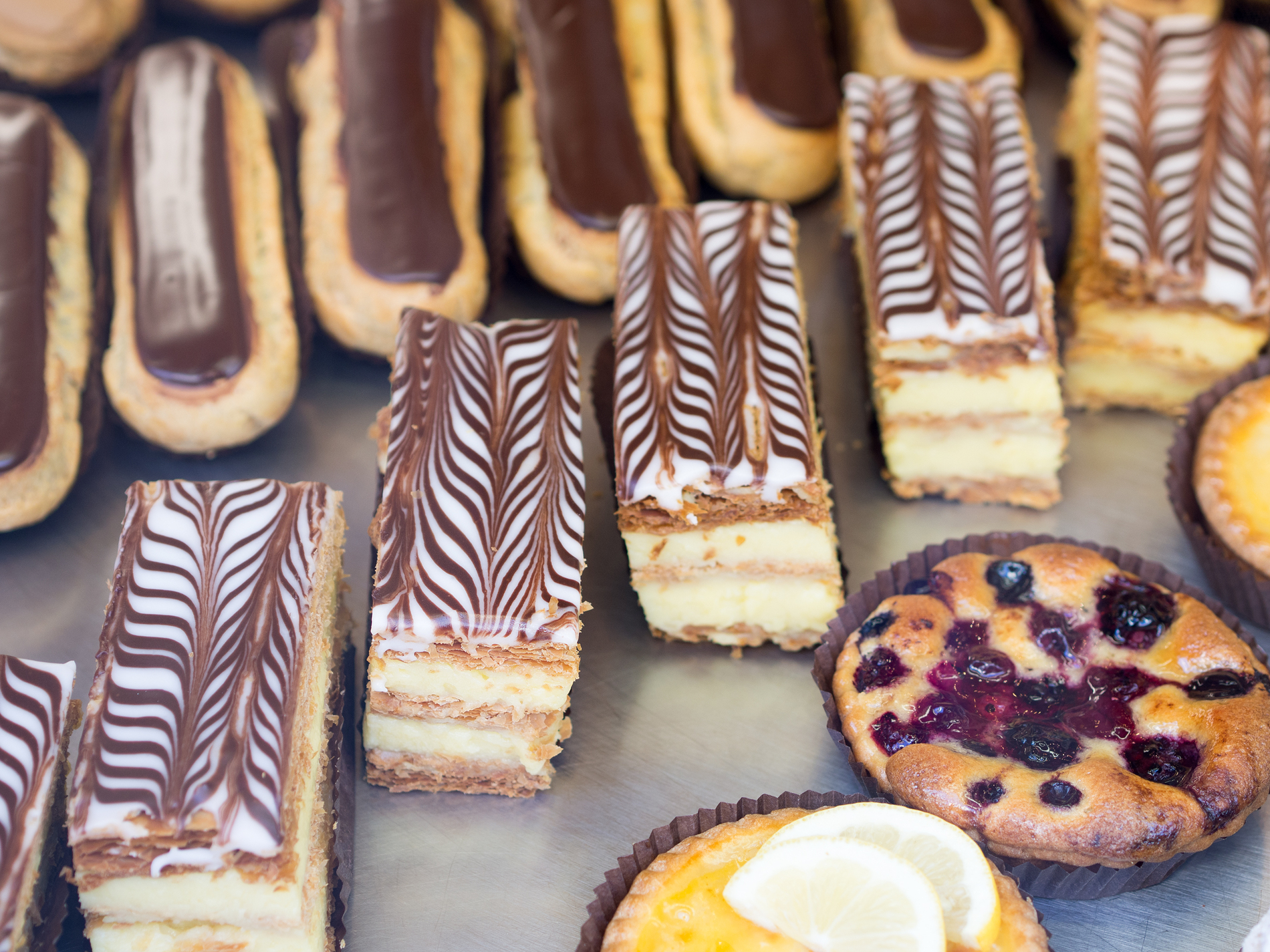
Cookies, muffins, doughnuts, and other store-bought baked items often contain trans fats or high levels of saturated fats. They’re also loaded with sugar and refined flour, which can increase triglycerides and contribute to poor heart health overall.
Red Meat (especially fatty cuts)
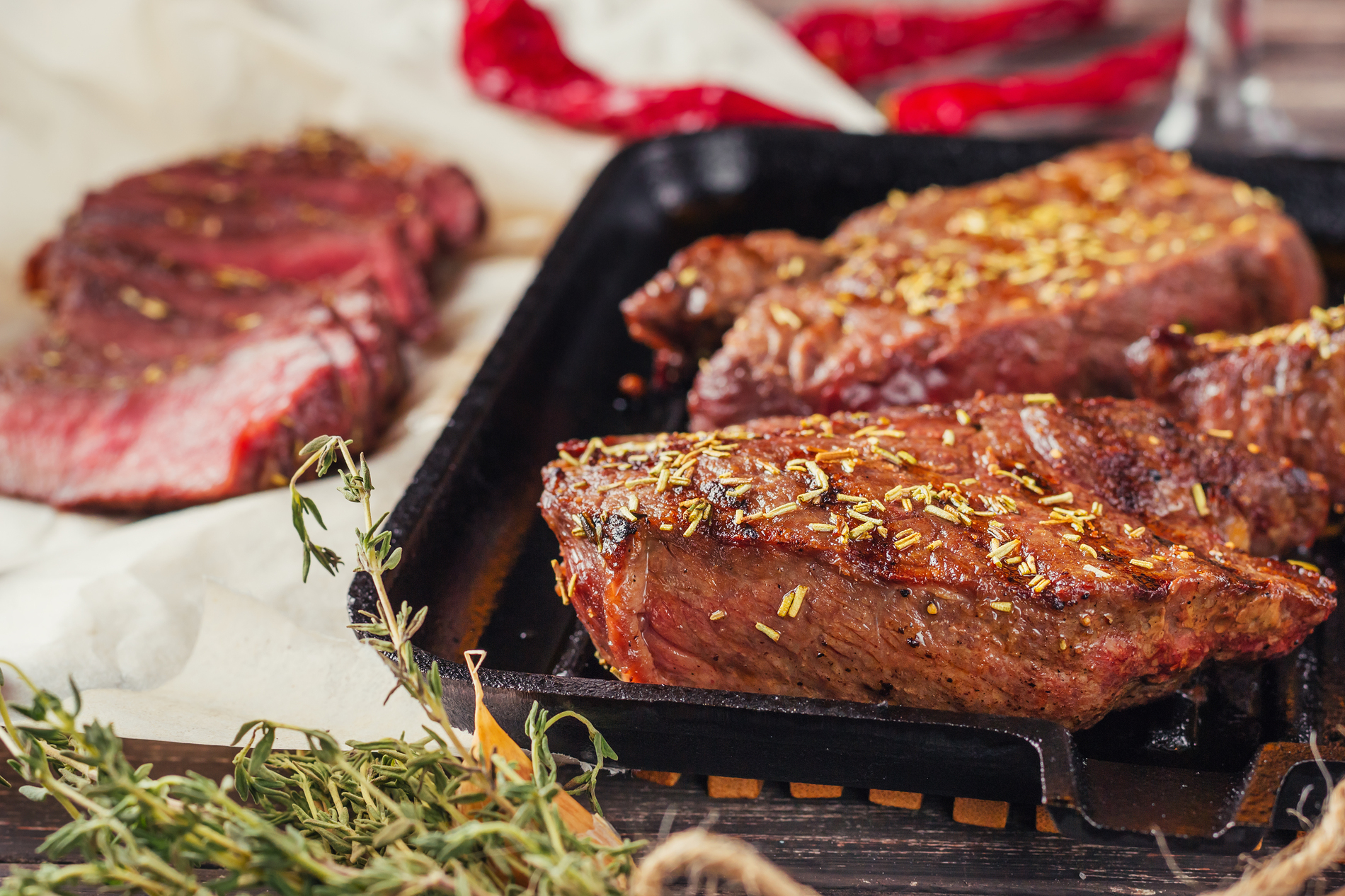
Beef, lamb, and pork can be high in saturated fat, especially cuts like ribs, steak, or ground meat with more than 10 percent fat. Eating these regularly can push up your LDL levels, even if the rest of your diet is balanced.
Cheese (in excess)
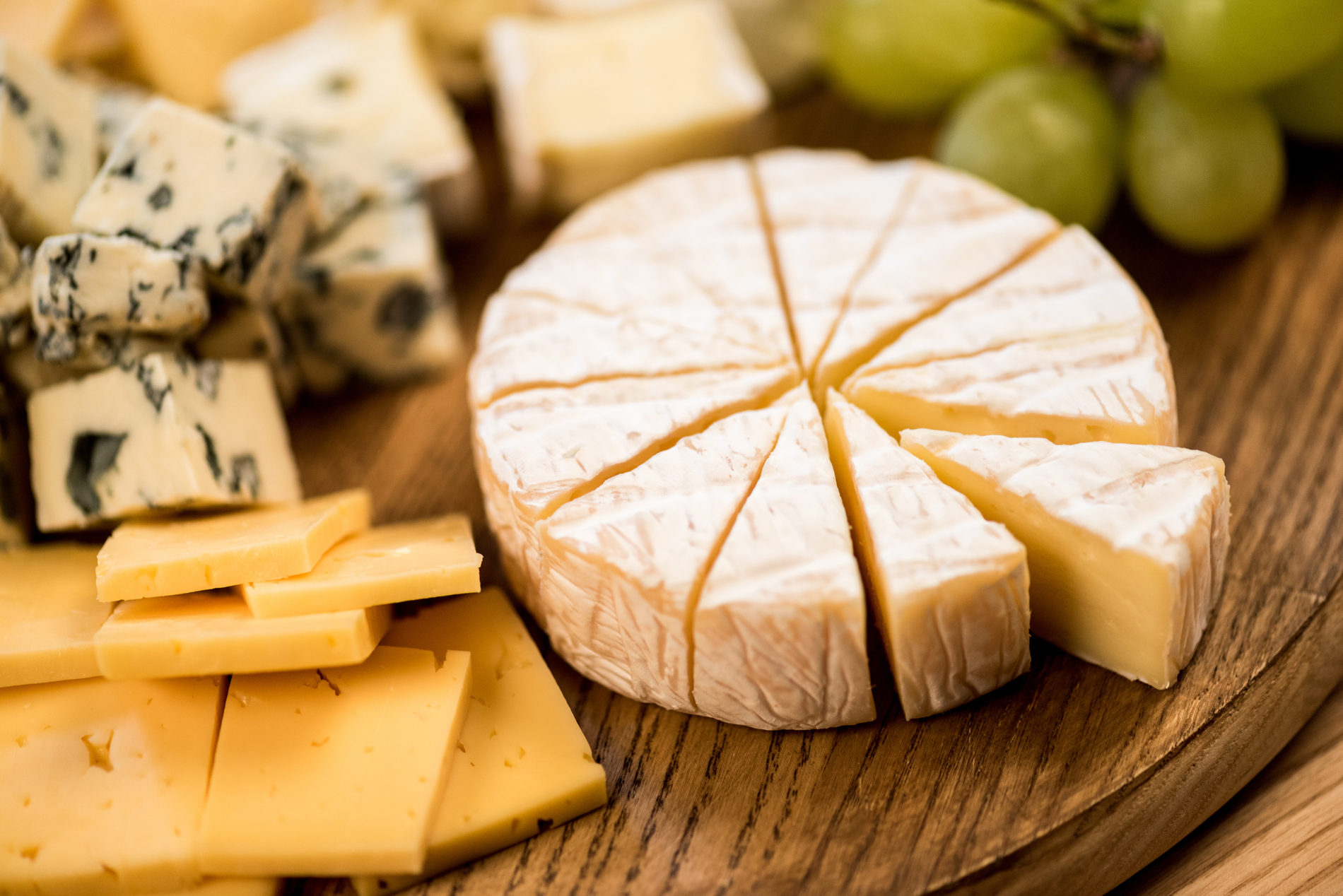
Cheese provides calcium and protein, but it’s also one of the top sources of saturated fat in many people’s diets. An ounce or two is fine occasionally, but eating cheese daily can quietly raise your cholesterol over time.
Ice Cream
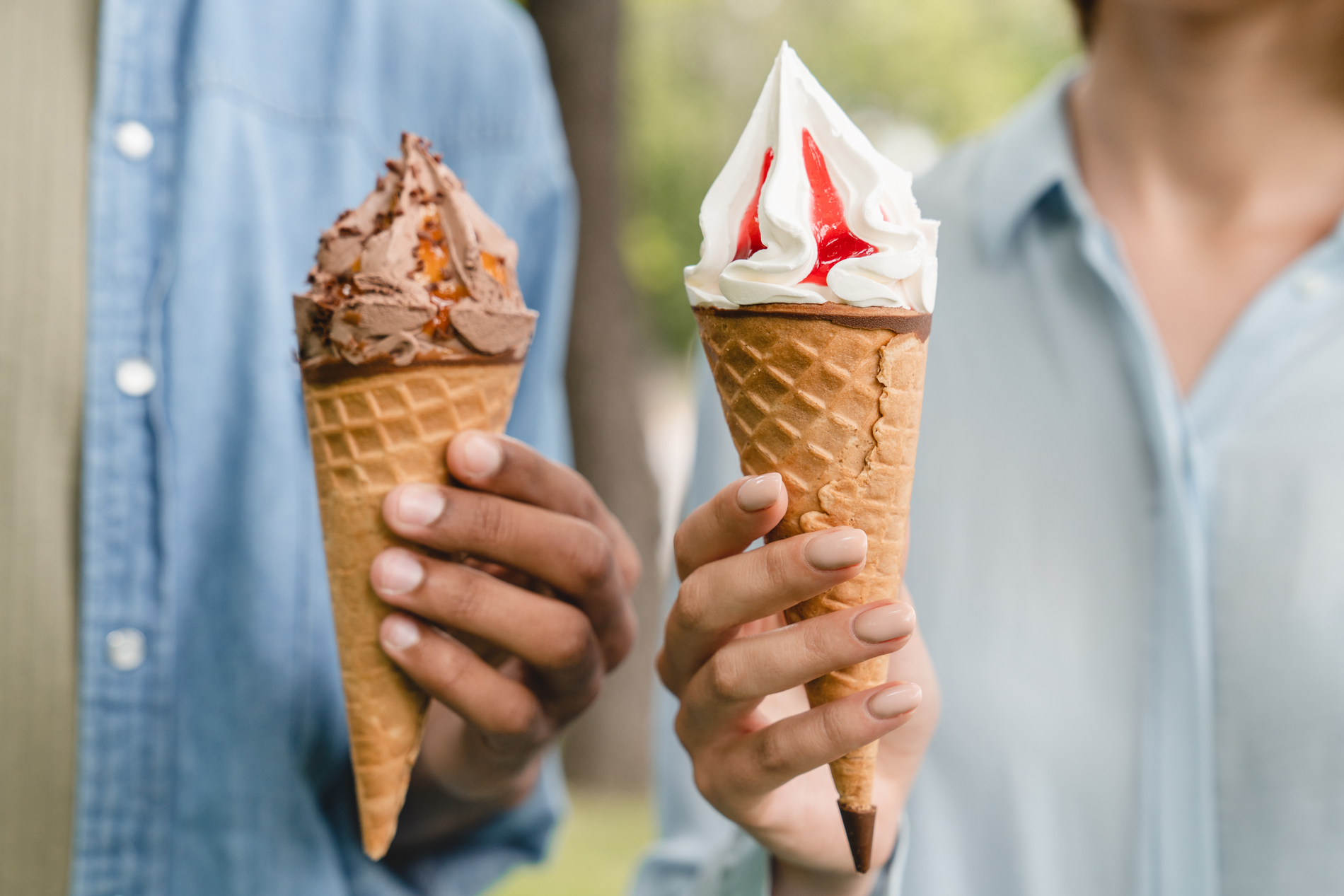
It’s high in saturated fat and added sugars—two things that don’t do your cholesterol any favours. A typical serving can contain more saturated fat than a cheeseburger, especially with full-fat dairy and added toppings.
Egg Yolks (in large amounts)
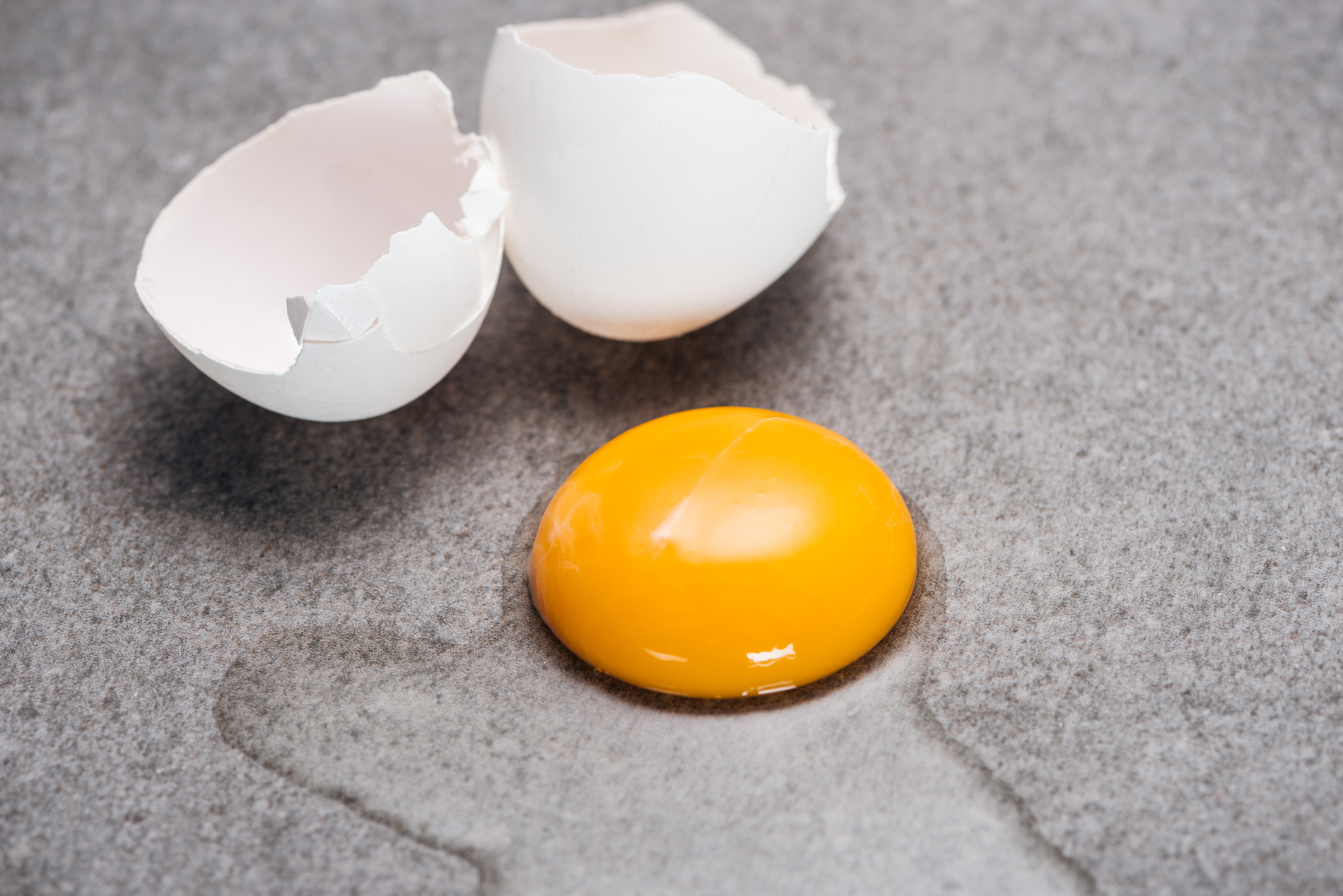
Egg yolks contain cholesterol, and while dietary cholesterol doesn’t affect everyone the same way, people with high cholesterol are often advised to limit it. One yolk has about 186 mg of cholesterol, so if you’re eating several a day, it can add up.
Cream-Based Sauces and Dressings
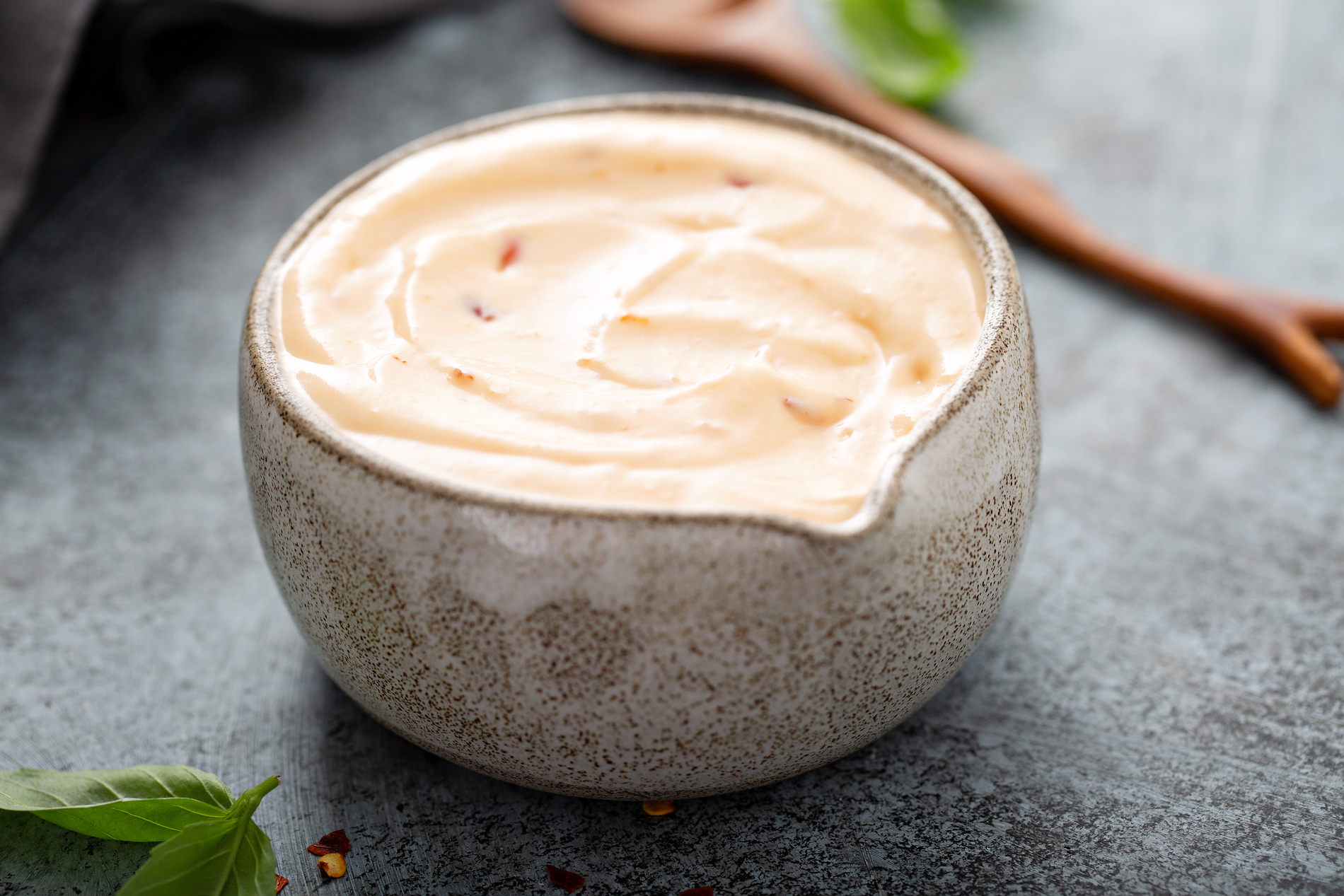
Alfredo sauce, creamy ranch, and full-fat salad dressings are loaded with saturated fats and calories. They seem harmless in small portions but often push your daily intake over the limit without you realising it.
Packaged Snacks (like chips and crackers)
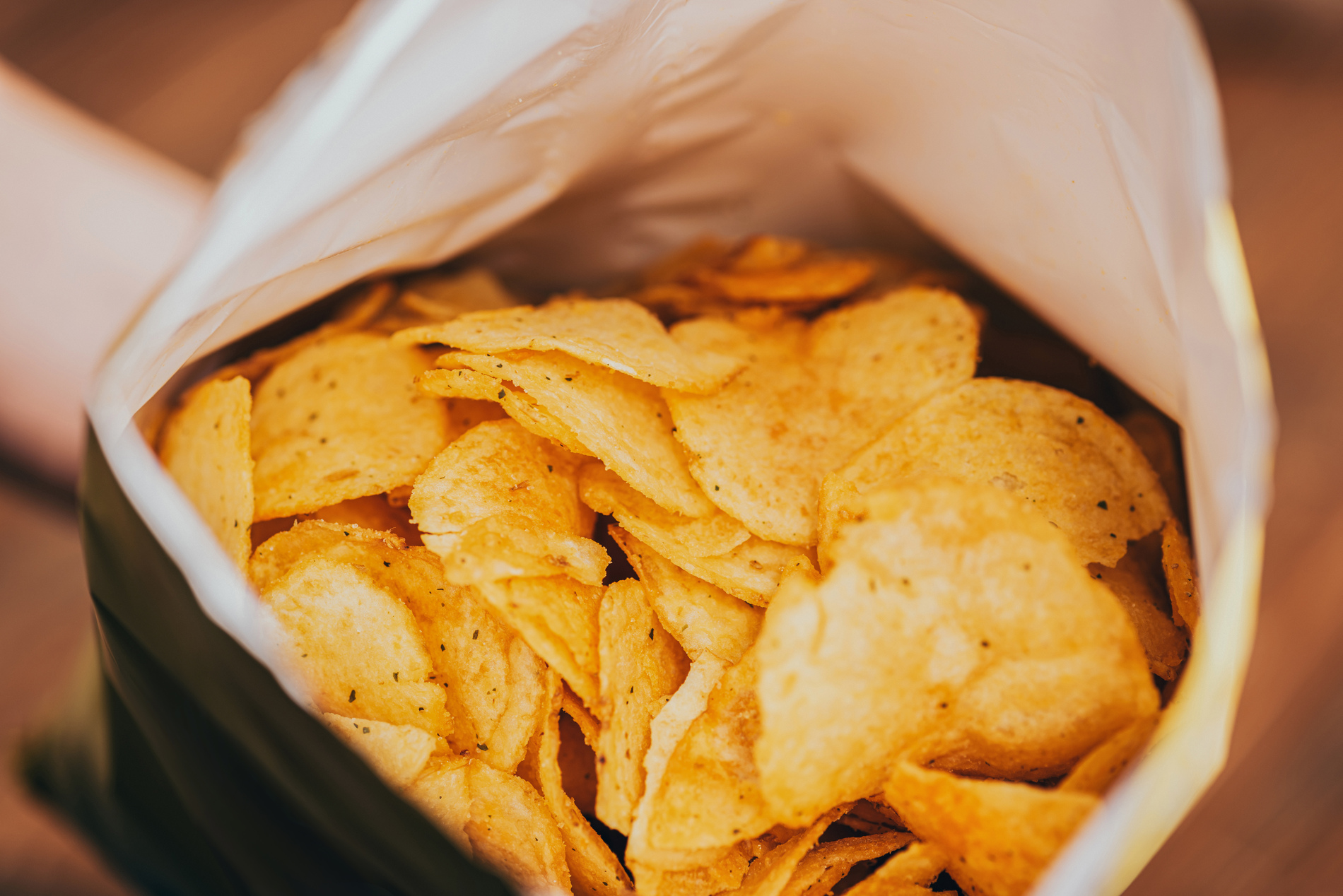
Many processed snacks contain partially hydrogenated oils or saturated fats that increase LDL cholesterol. Even if the label says “no trans fats,” look at the ingredients list. If you see shortening or hydrogenated oils, it’s best to skip it.
Fast Food Burgers and Sandwiches
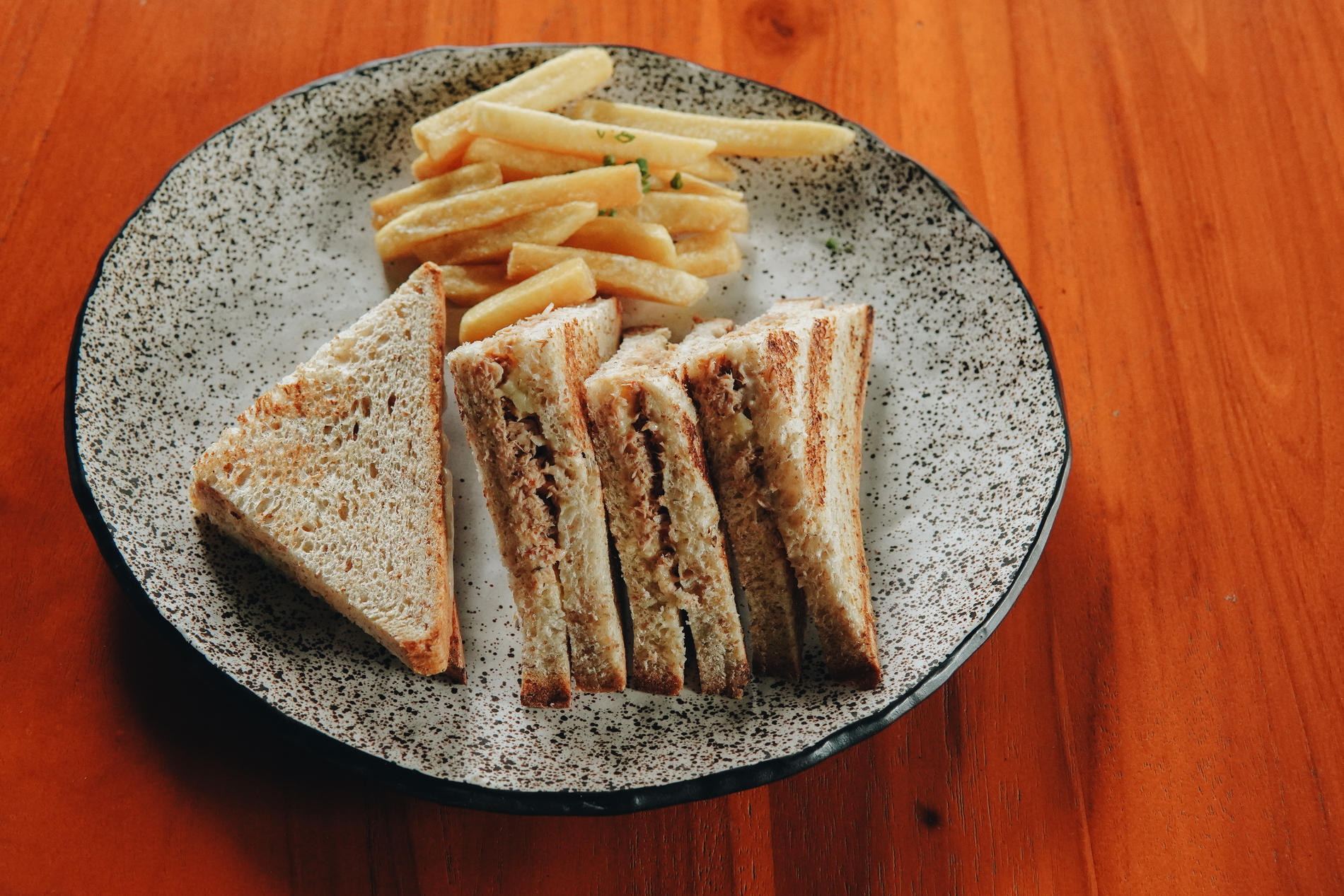
These often combine multiple cholesterol-raising ingredients: fatty meat, cheese, mayo-based sauces, and fried components. They’re also high in sodium, which adds extra strain on the heart. An occasional meal is fine, but it shouldn’t be a go-to option.
Wrapping Up
High cholesterol doesn’t mean cutting out all fat or eating a bland diet. It means being strategic: choosing unsaturated fats from plants and fish, eating more fibre-rich foods, and avoiding the heavy hitters that quietly push your numbers up. Once you know what to skip or swap, managing cholesterol becomes a lot more doable.