
With good reason, high blood pressure, sometimes referred to as hypertension, is frequently referred to as the “silent killer.” The condition can go undiagnosed for years because most people don’t notice any changes when their blood pressure rises. However, uncontrolled blood pressure can harm your kidneys, heart, brain, and even your eyes over time.
Although symptoms are uncommon, they can occur, and being aware of what to watch out for could be crucial. Here are nine potential indicators that your blood pressure may be elevated, along with when you should contact your physician.
1. Persistent Headaches
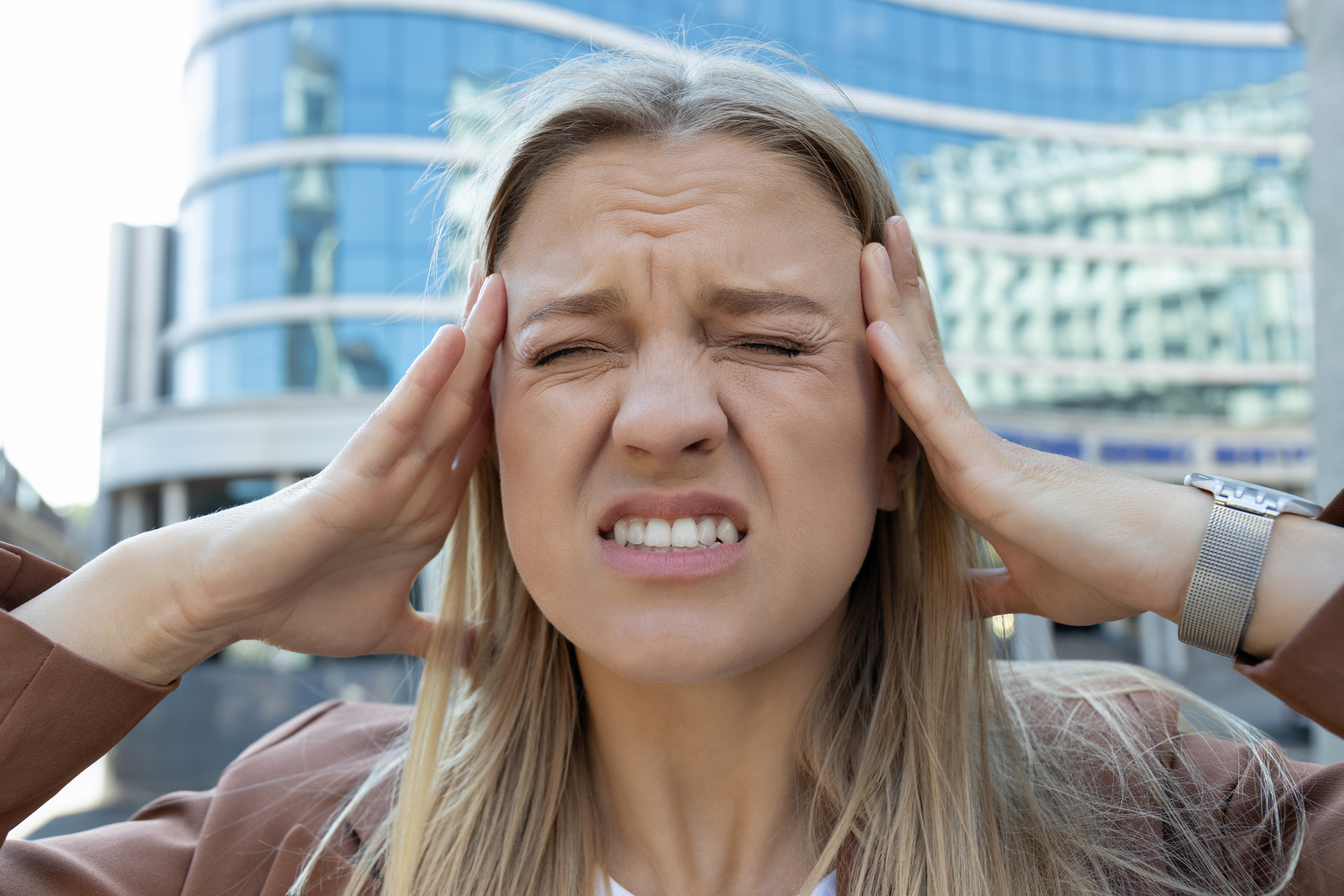
Although not all headaches are related to blood pressure, some people find that when their readings are high, their headaches get worse. These headaches typically occur in the early morning hours and are frequently throbbing or tension-like.
2. Dizziness
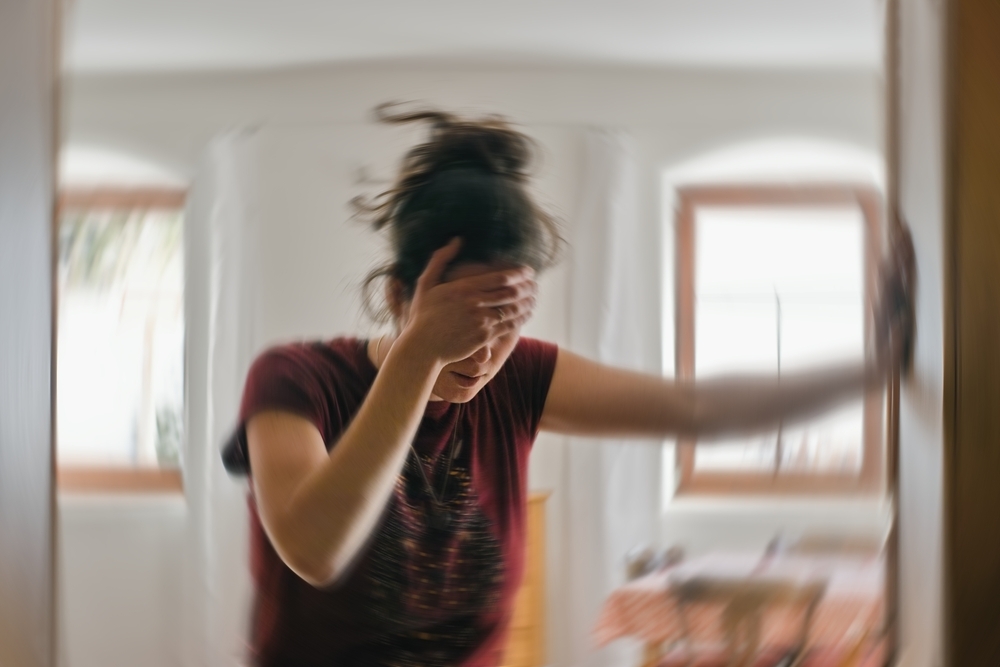
While dizziness may indicate dangerously high blood pressure, it can also occasionally be a side effect of blood pressure medications. Dizziness may indicate a stroke, so call 911 if it occurs suddenly, impairs your balance, or feels extremely intense.
3. Shortness of Breath

High blood pressure can make it difficult for the heart and lungs to function, particularly when exercising. Your body may be telling you something is wrong if you feel exhausted after doing simple tasks or climbing a few stairs.
4. Fatigue or Weakness

You may feel exhausted if you have high blood pressure. Your blood pressure or related conditions like sleep apnea may be the cause of your ongoing fatigue, whether it manifests as physical exhaustion, mental fog, or a lack of motivation.
5. Severe Headache During a Hypertensive Crisis
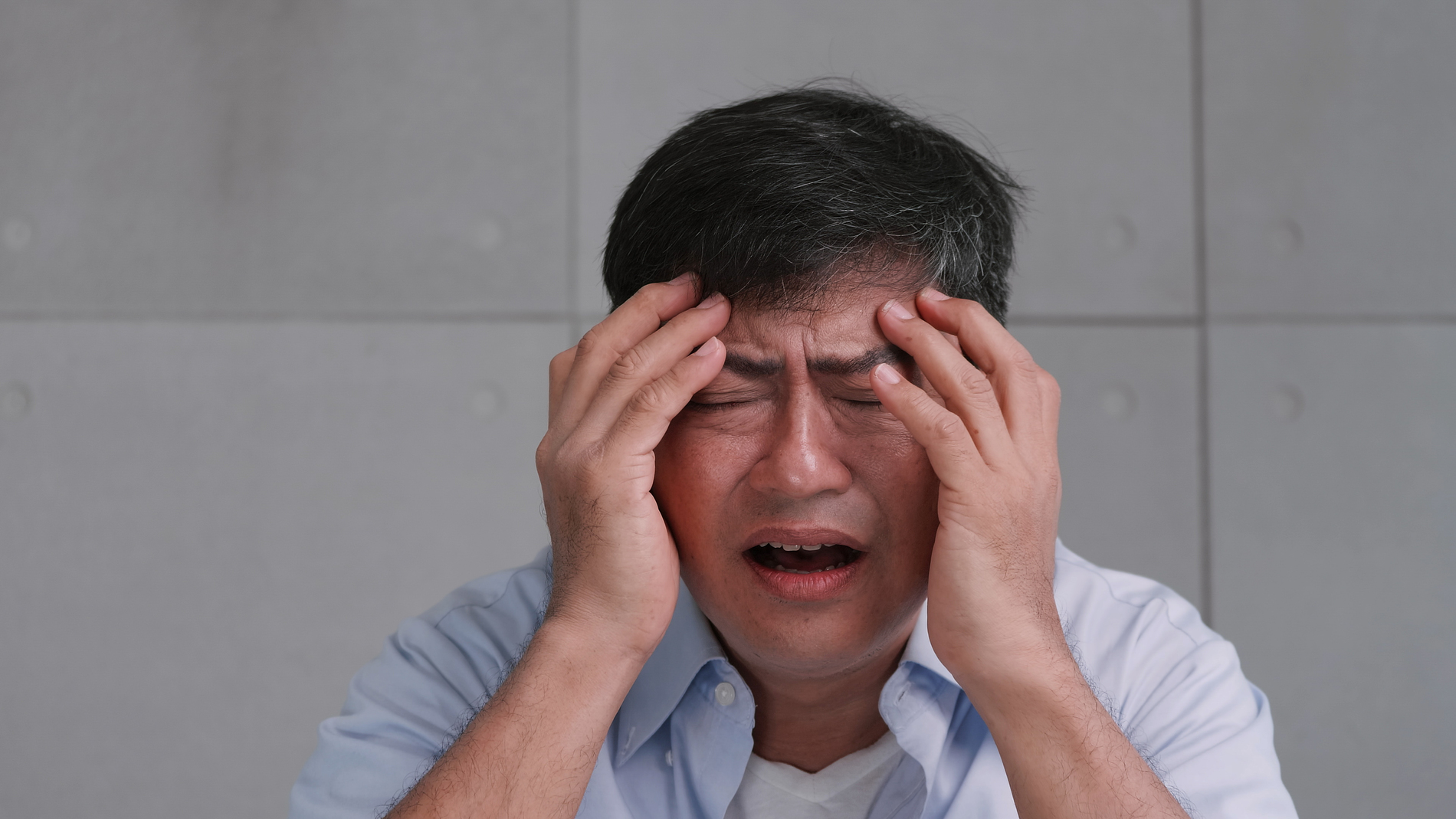
Rarely, blood pressure can spike to potentially fatal levels, a condition known as a hypertensive crisis. A sudden, intense headache that is frequently referred to as the “worst headache ever” is one of the most typical warning indicators. Contact emergency services right away if this occurs.
6. Chest Pain

You may experience tightness, pressure, or a squeezing sensation in your chest when your heart isn’t getting enough oxygen-rich blood. This might indicate a heart attack or a hypertensive crisis. In any case, it requires immediate attention.
7. Vertigo

In contrast to mild dizziness, vertigo makes you feel as though you’re moving or the room is spinning while you’re actually motionless. It can manifest during a hypertensive crisis and has been connected to uncontrolled hypertension.
8. Nausea or Vomiting

In certain cases, unexplained nausea or vomiting may indicate that blood pressure is dangerously high and influencing blood flow to the brain. Don’t ignore this; it could also indicate a heart attack or stroke.
9. Vision Problems

Your eyes’ blood vessels may be harmed by high blood pressure, which could result in double or blurred vision, dimming, or even abrupt blindness. Unexpected changes in vision should be handled as medical emergencies.
When to See a Doctor
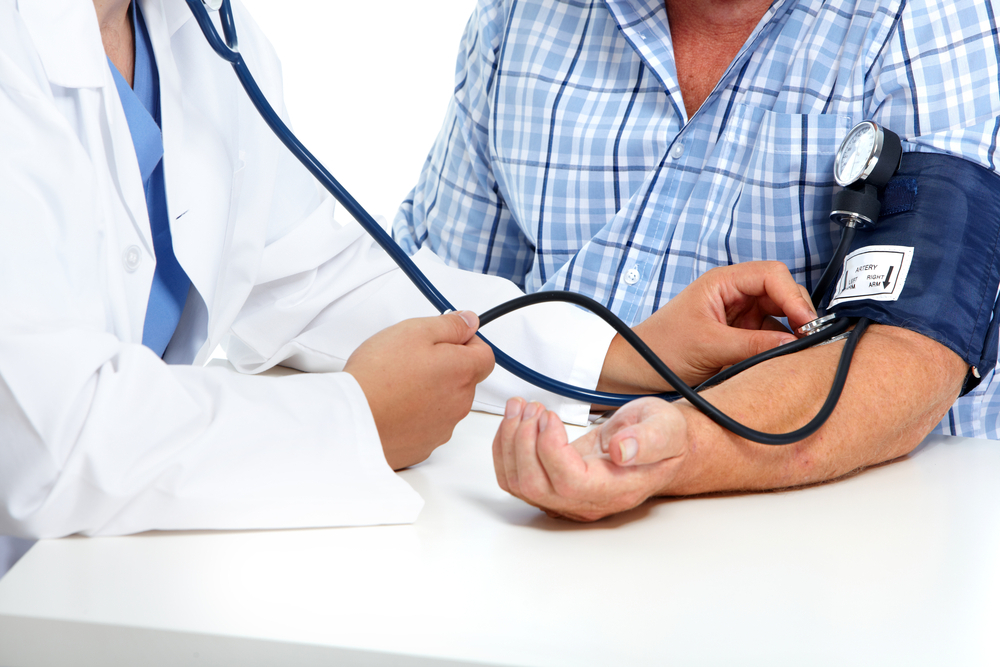
Since the majority of people with high blood pressure won’t exhibit any symptoms, routine checkups and at-home monitoring are crucial. However, don’t wait if you encounter any of the aforementioned problems, particularly if they appear suddenly or feel severe. Make an immediate call to your healthcare provider or visit the closest emergency department.
Although high blood pressure frequently goes unnoticed, its symptoms can be quite dangerous when they do show up. Never disregard warning signs such as headaches, lightheadedness, dyspnea, chest pain, and changes in vision. The most secure method? Be aware of your numbers, take regular blood pressure readings, and get medical attention if something seems off.