
Periods are more than just a monthly annoyance for many people; they also bring cramps that can be painful, bothersome, or just plain draining. Prostaglandins, which resemble hormones, cause the uterine contractions that result in these cramps. While warm baths, heating pads, and painkillers can be helpful, some people seek additional relief from natural remedies like herbs. A brief reminder: supplements and herbs are not subject to the same regulations as pharmaceuticals, so efficacy and quality can differ. Before attempting anything new, it’s always advisable to consult your doctor, particularly if you’re taking other medications. Here are nine herbs that research suggests may offer some comfort during that time of the month.
1. Ginger
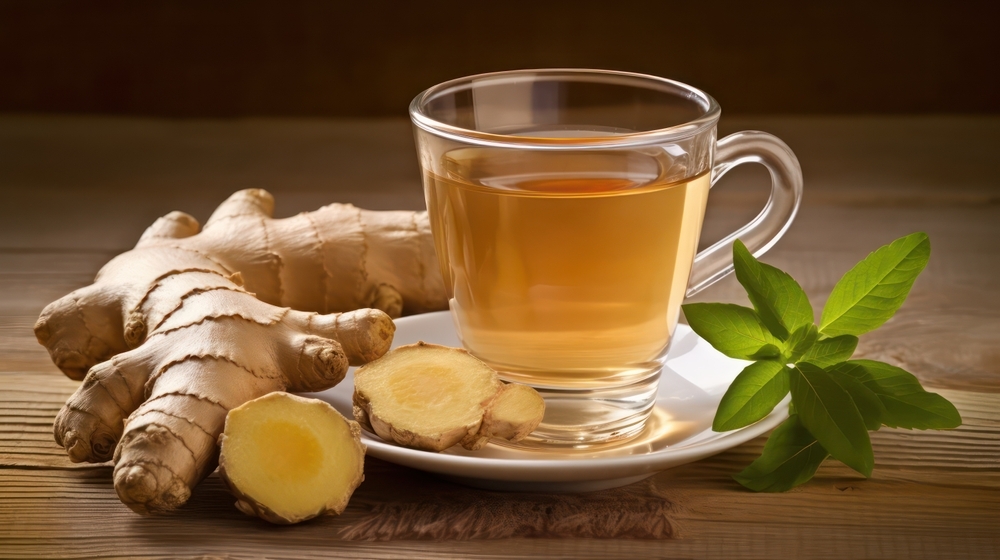
More than just a spice for tea or stir-fry, ginger has been researched for its ability to lower prostaglandin levels, which are linked to pain, and reduce inflammation. According to some research, taking ginger powder in capsules during the first few days of your cycle may help reduce cramps. For a natural boost, you can also add ginger powder to teas, soups, and smoothies.
2. Fennel
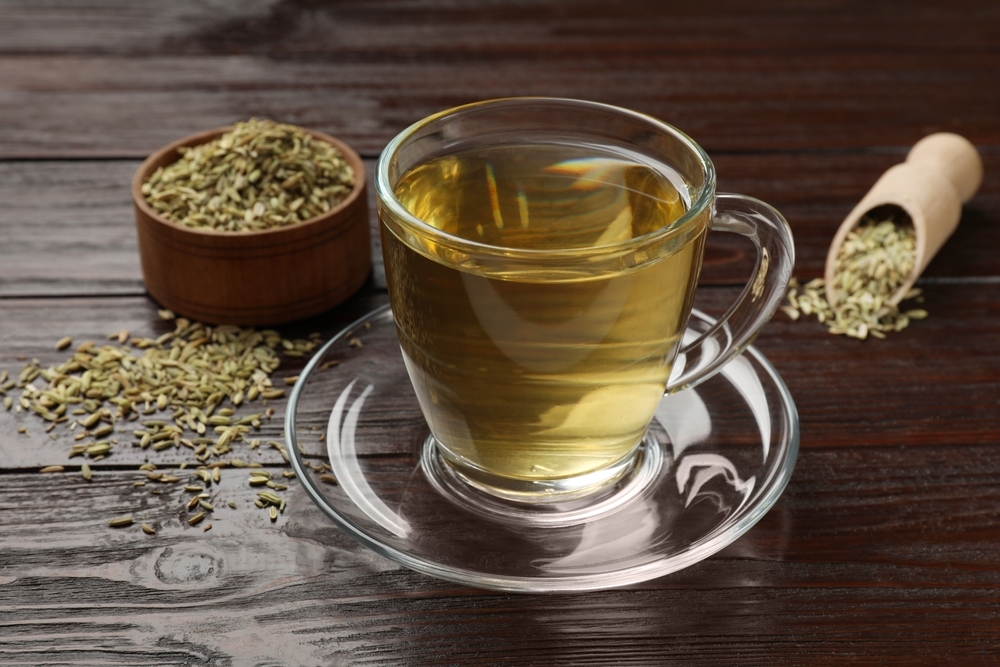
Fennel has long been used in traditional medicine for reproductive and digestive health due to its mild licorice flavor. Anethole, its main ingredient, may help ease muscle tension and lessen spasms. According to studies, fennel extract can relieve cramps just as well as some painkillers. The bulb can be roasted, used in salads, or brewed into fennel tea. If you want something more concentrated, there are also supplements available.
3. Chamomile
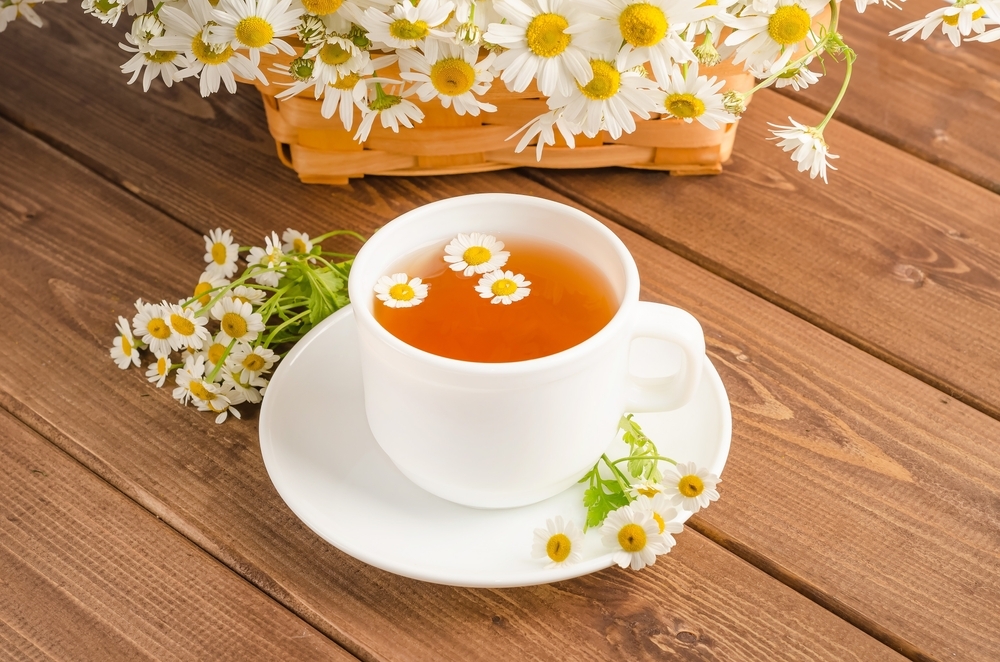
Although chamomile is frequently linked to relaxation, it may also help ease menstrual pain. Chamomile tea or extract has been associated with less cramping and even an improvement in mood during PMS because of its calming and anti-inflammatory qualities. A warm cup of chamomile tea is perhaps one of the most calming natural remedies available.
4. Chinese Herbal Blends
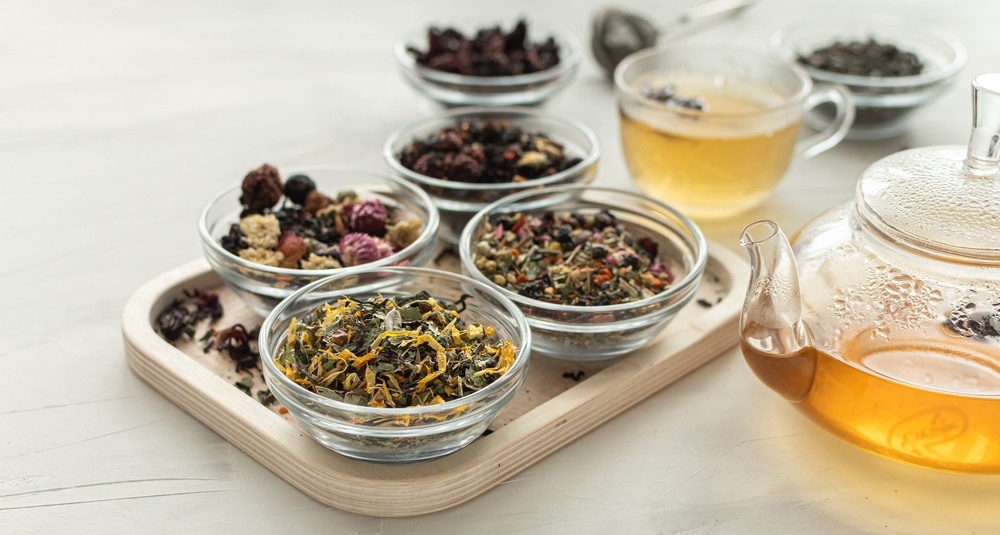
Blends of several herbs are frequently used in Traditional Chinese Medicine (TCM) to treat menstrual problems. Typical formulas include Dang-Gui-Shao-Yao-San, which is believed to reduce inflammation and contains peony and angelica root. Xiao Yao San, a mixture of peppermint, licorice, and ginger, is a traditional remedy for cycle-related stress and discomfort. A modified version, Jia Wei Xiao Yao San, incorporates peony bark and gardenia fruit. Research is conflicting, and quality control can differ greatly, even though some studies show promise.
5. Pycnogenol
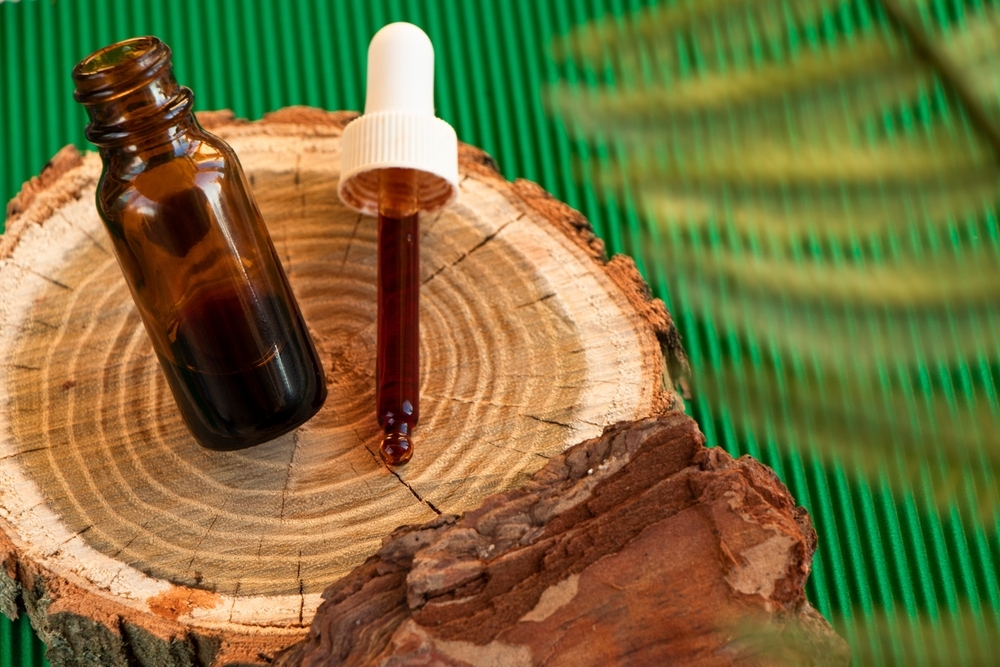
French maritime pine bark is used to make the extract known as Pycnogenol. According to some research, it might lessen pain and the need for prescription painkillers. Even though the findings are intriguing, more extensive and trustworthy research is still required. Pycnogenol is typically taken as a capsule supplement.
6. Cinnamon

In addition to adding flavor to desserts, cinnamon may lessen menstrual pain and shorten the duration of cramps. Concentrated cinnamon capsules may be more effective than food-level amounts, according to studies. However, it won’t hurt to add extra cinnamon to your oatmeal, coffee, or tea if you’d prefer to keep it natural.
7. Peppermint

In addition to being calming and refreshing, peppermint may also help relax the muscles that cause menstrual cramps. According to some studies, taking peppermint extract in capsule form can be just as beneficial as some painkillers. While concentrated supplements might provide more pronounced effects, peppermint tea is a mild alternative to try.
8. Licorice Root
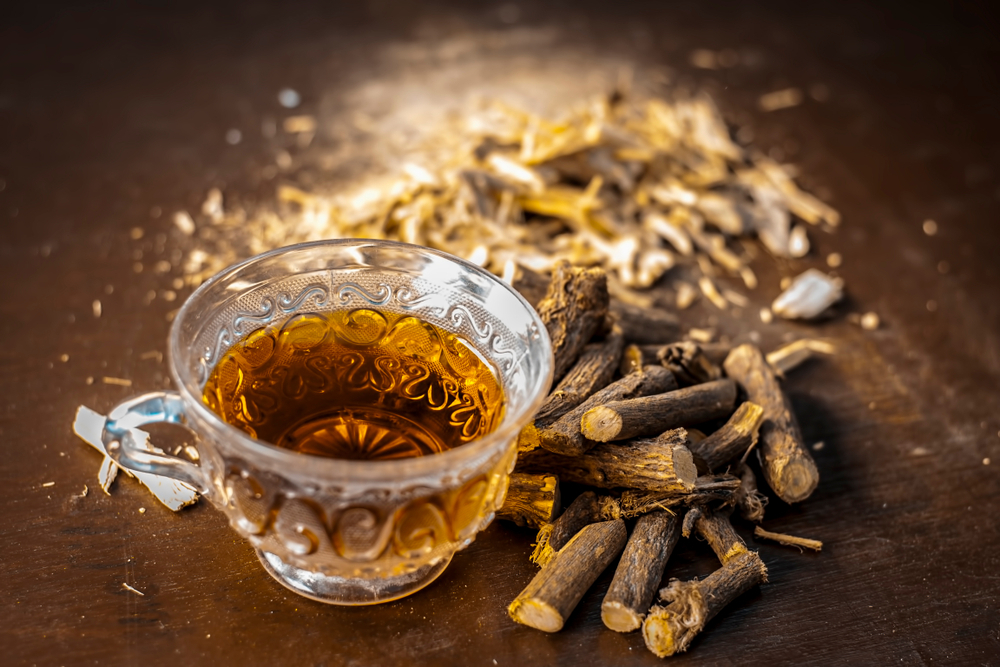
Licorice root, often used in Chinese herbal remedies, may have anti-inflammatory and hormone-balancing properties. Although it is frequently included in TCM blends, it hasn’t been extensively researched for cramps on its own.
9. Red Peony Root
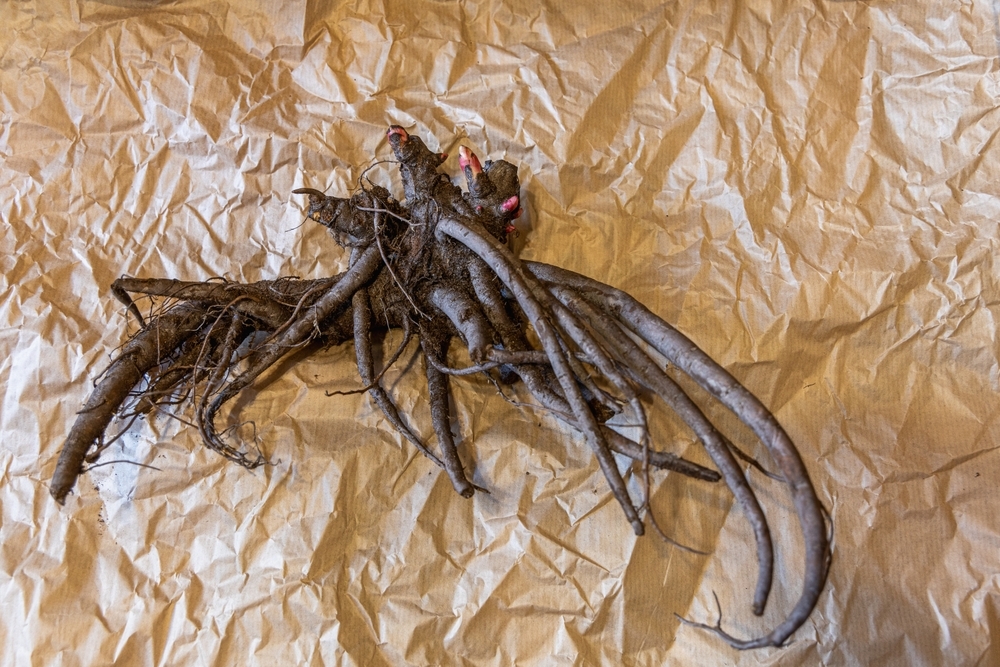
Red peony root, another herb commonly found in traditional formulas, has been associated with anti-inflammatory and relaxation properties. Similar to licorice root, it is typically taken in combination rather than by itself.
The Takeaway
Herbal remedies like ginger, fennel, chamomile, and others may offer a natural way to ease menstrual cramps, though research is inconclusive and results should be interpreted with caution due to small or poorly designed studies. Adding these herbs to your diet is generally safe, but being natural doesn’t always mean risk-free. Consult your doctor before trying new supplements, especially if you’re on medication. Whether you sip chamomile tea, sprinkle cinnamon on your food, or explore traditional blends under supervision, these herbs may help make that time of the month a little more bearable.