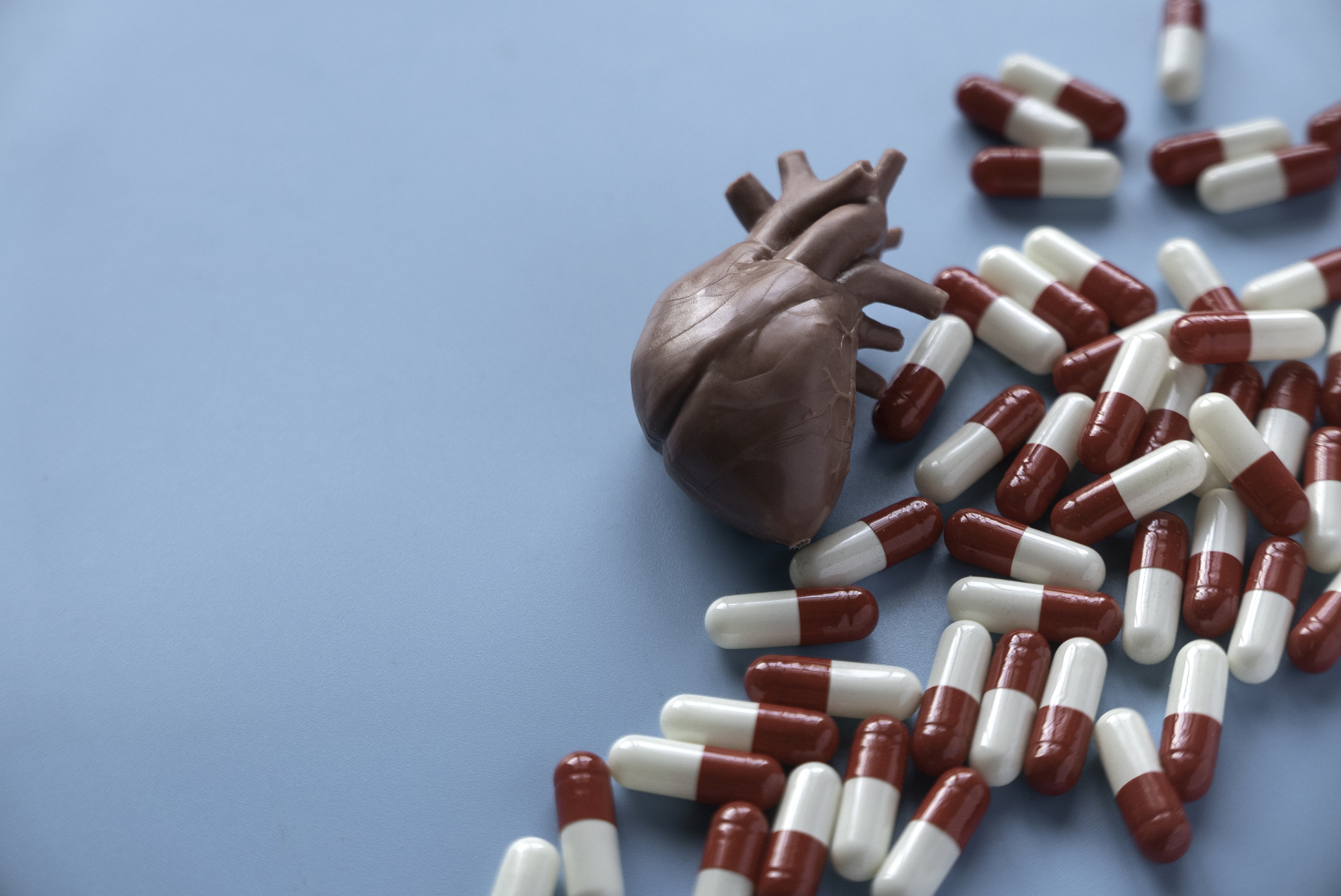
Eating is just as important when taking heart medication as taking your pills. Certain seemingly innocuous—or even healthful foods may actually affect how your medication functions. They might even have harmful side effects in certain situations. Let’s examine seven foods you should watch out for if you’re taking heart medication.
1. Grapefruit
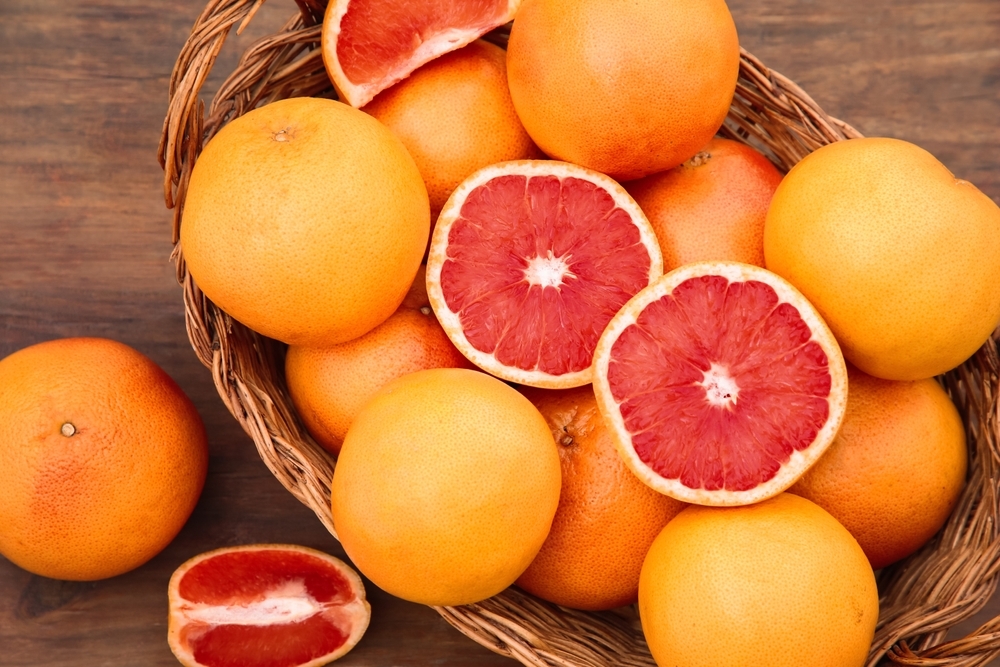
Despite its refreshing qualities, this tart fruit is one of the most problematic when it comes to drug interactions. The enzymes that typically aid your body in processing some medications, such as calcium channel blockers (for blood pressure) and statins (for cholesterol), can be blocked by grapefruit and its juice. This increases your risk of experiencing muscle soreness, lightheadedness, or even kidney issues because more of the medication remains in your system than is intended. Before incorporating grapefruit into your diet, it’s best to consult your doctor because even a small glass of juice can upset the balance.
2. High-Potassium Foods
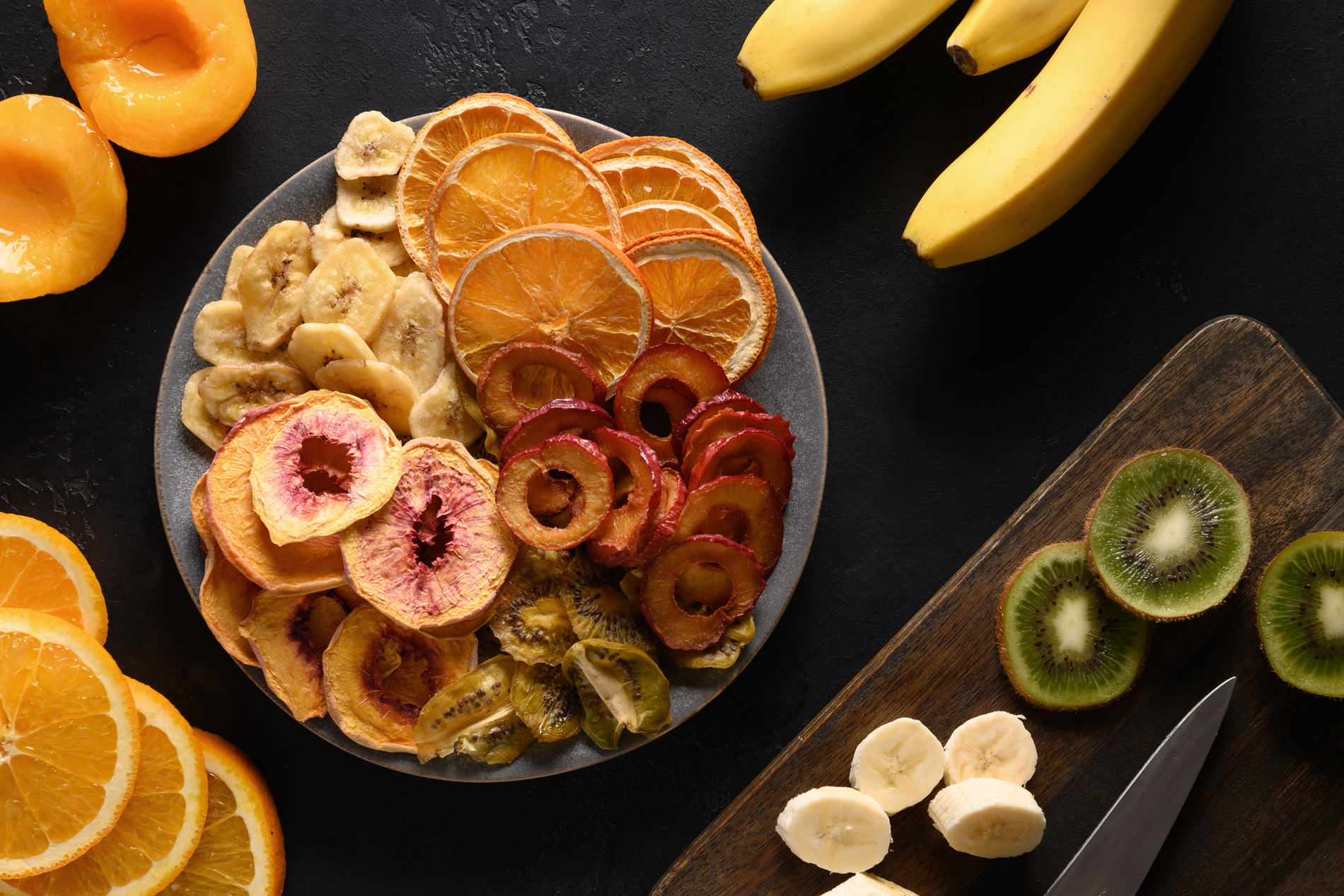
Dried fruits, avocados, oranges, and bananas are typically heart-healthy options. However, excessive potassium can be an issue if you’re taking potassium-sparing diuretics (like spironolactone), ACE inhibitors, or ARBs. These drugs lessen the amount of potassium your kidneys eliminate, which can result in hyperkalemia, or dangerously elevated potassium levels. Muscle weakness and irregular heartbeat are among the symptoms, which in extreme situations can be fatal. Consume these foods sparingly, and discuss appropriate portion sizes with your care team.
3. Leafy Greens
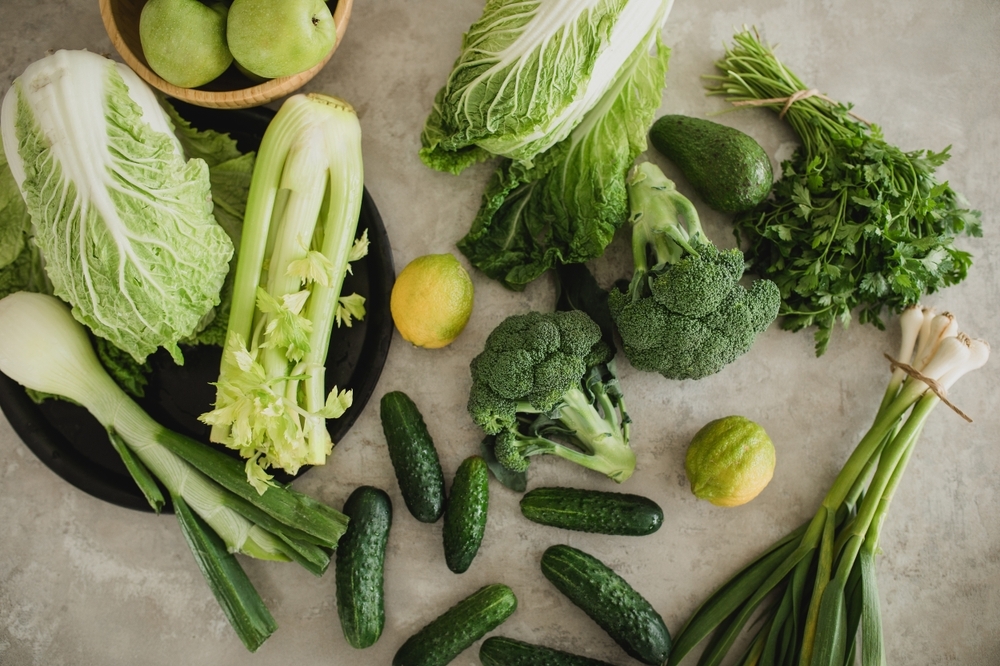
Although they are rich in nutrients, spinach, kale, and collard greens may interfere with warfarin, a common blood thinner, due to their high vitamin K content. Eating a lot more (or a lot less) than usual can interfere with the effectiveness of your medication because vitamin K helps your blood clot. You don’t have to completely give up salads because of this. Aim for consistency rather than abrupt, drastic changes in your intake; if you eat leafy greens on a regular basis, keep eating them.
4. Salty Sauces and Condiments
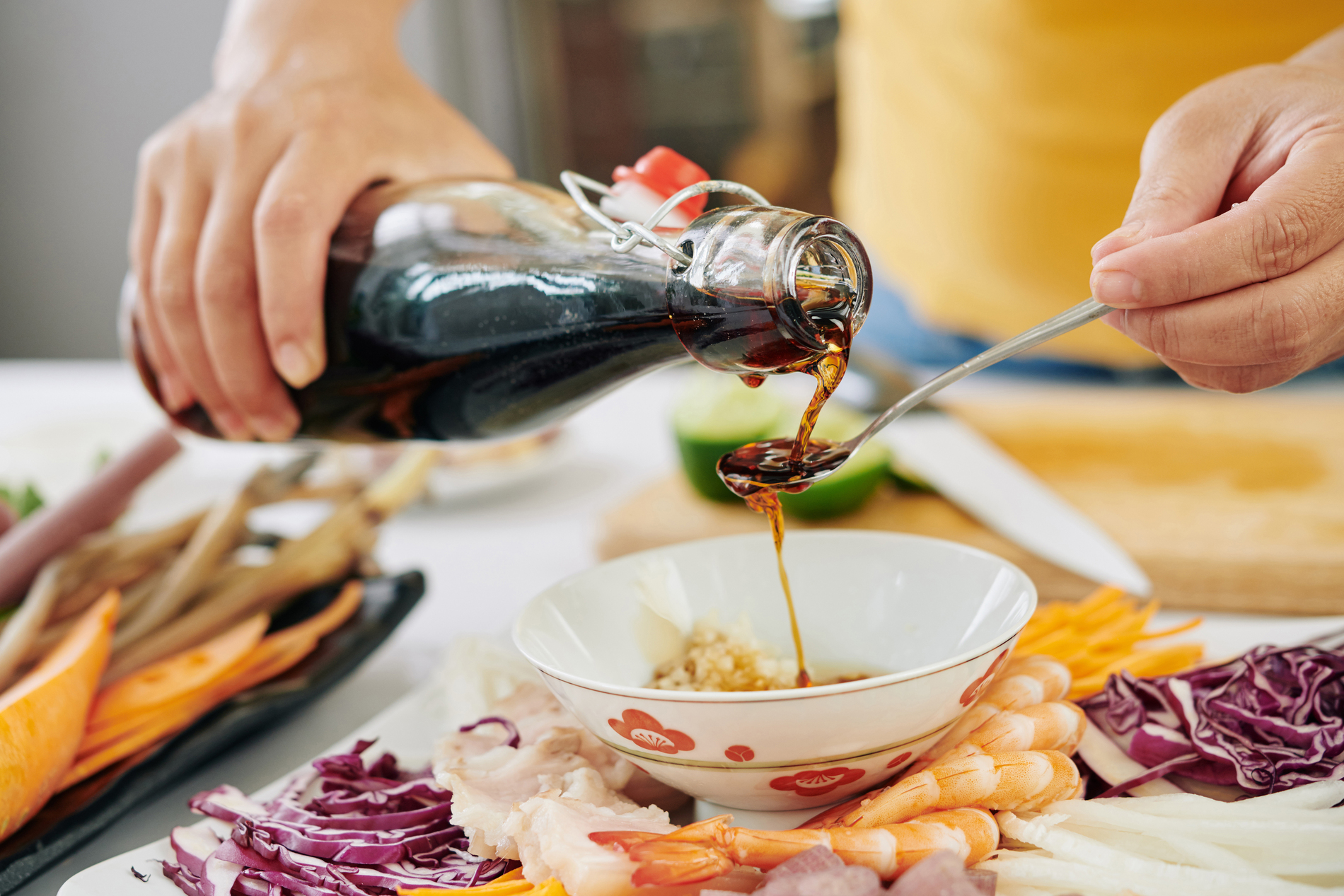
Fish sauce, teriyaki, soy sauce, and other salty condiments can sneak in a lot of sodium. Excess sodium causes the body to retain fluid, which puts additional strain on the heart in those who have high blood pressure or heart failure. Swelling, dyspnea, or abrupt weight gain may be the outcome. It’s a good idea to use lower-sodium sauces or add flavor with herbs and spices if you’re taking blood pressure or heart failure medications.
5. Alcohol
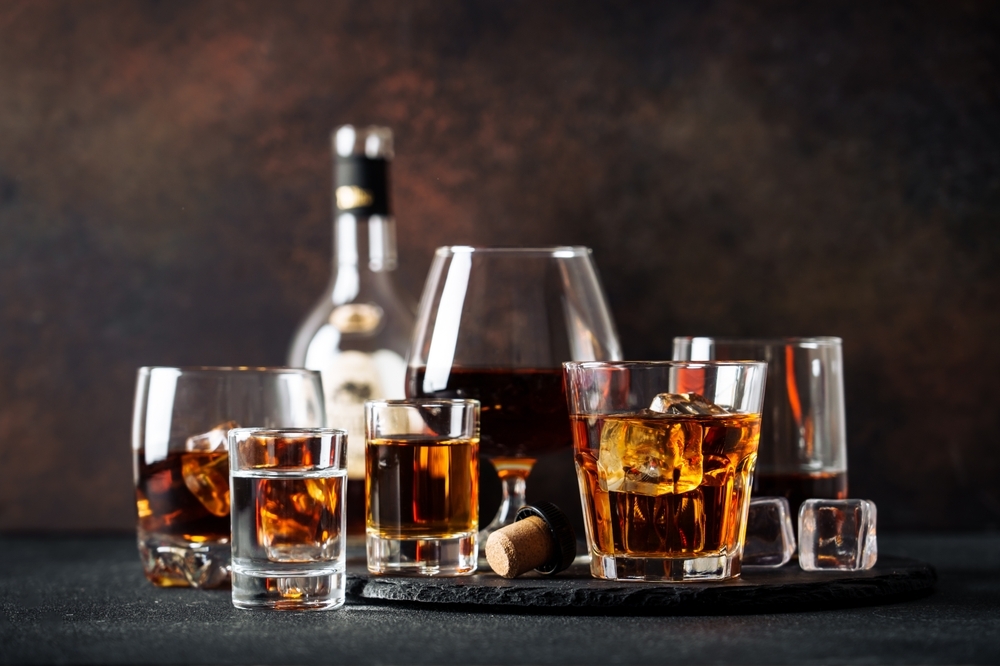
It may seem harmless to have a glass of wine with dinner, but when combined with heart medications, alcohol can have serious side effects. If you are taking antihypertensives, it may lower blood pressure too much; if you are taking blood thinners, it may increase the risk of bleeding; and if you are taking statins, it may put additional strain on your liver. Dizziness, fainting, or easy bruising can result from even tiny doses. Consult your physician about what is safe for you before pouring yourself a drink.
6. Garlic
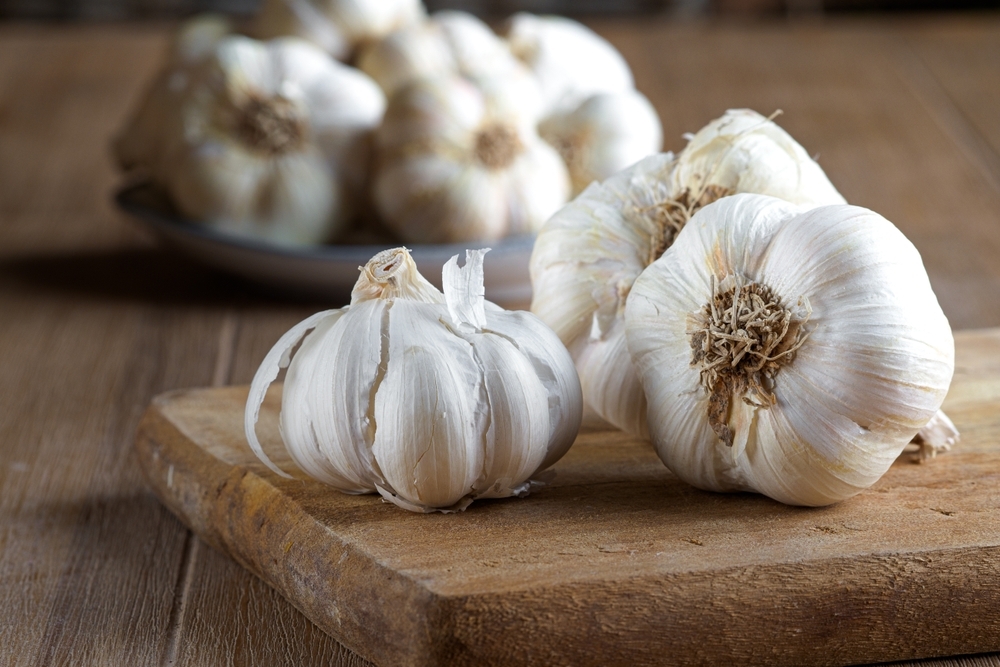
Although garlic enhances food flavor, it can cause unintended blood thinning when taken as supplements or concentrated extracts. Using blood thinners like clopidogrel, aspirin, or warfarin raises your risk of internal bleeding, bruises, and nosebleeds. Additionally, garlic can intensify the effects of some medications that lower blood pressure, making you feel dizzy. Garlic is generally safe to use in daily cooking, but unless your doctor approves, avoid taking supplements.
7. Black Licorice
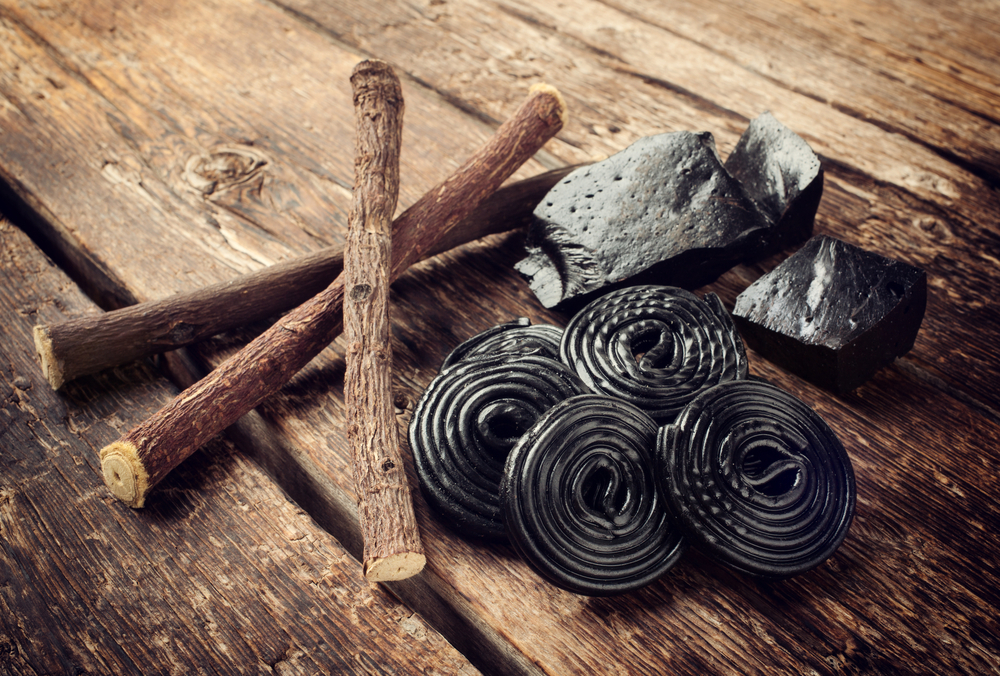
Although it’s not a popular remedy, black licorice can present unexpected risks to heart patients. The culprit is a substance known as glycyrrhizin, which can cause abnormal heart rhythms or high blood pressure by lowering potassium levels. That combination is risky for those who have kidney problems, heart disease, or are taking blood pressure medication. According to the FDA, eating a lot over time can be particularly dangerous, especially for elderly people.
Your plate may be as crucial as your prescription when you’re taking heart medication. If you’re not careful, you can have problems with grapefruit, high-potassium foods, leafy greens, salty condiments, alcohol, garlic supplements, and black licorice. It’s not always necessary to completely avoid these foods; rather, it’s important to maintain consistency, pay attention to portion sizes, and communicate with your healthcare provider. You can enjoy your meals while maintaining the safe operation of your heart medications by having a brief conversation with your physician or dietitian.