
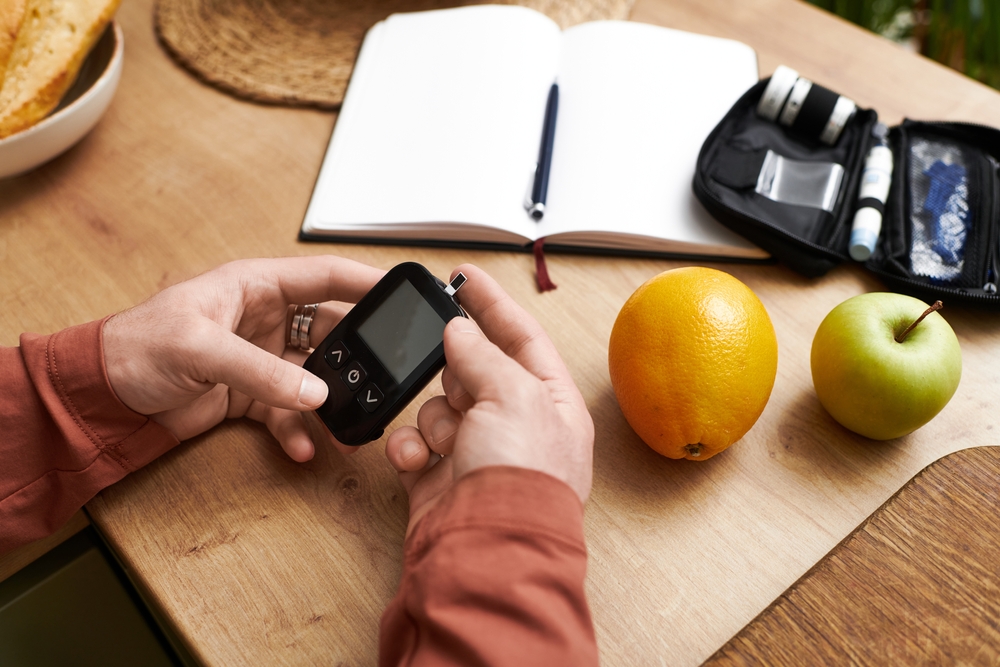
Maintaining healthy blood sugar levels is crucial for overall health. When blood sugar spikes too high or stays elevated over time, it can increase the risk of heart disease, kidney problems, vision loss, and type 2 diabetes. The good news is that small, natural lifestyle changes can make a significant difference. Here are 15 strategies supported by research to help manage blood sugar naturally.
1. Eat Carbohydrates Last
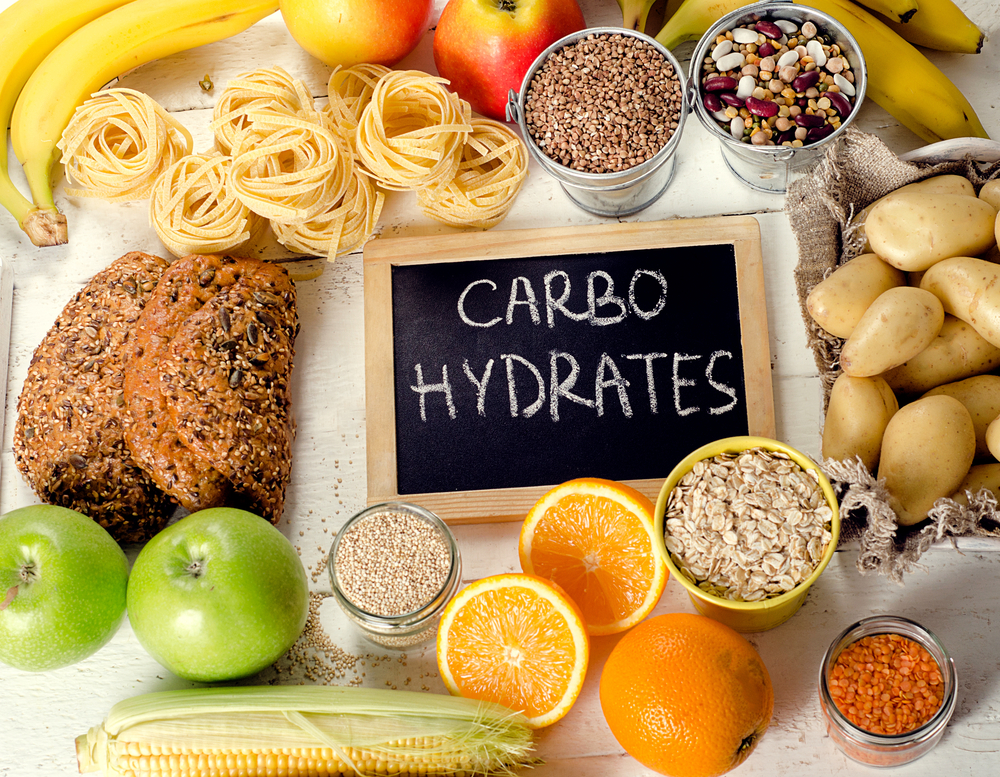
The order in which you eat your food affects your blood sugar response. Research shows that starting meals with fiber-rich vegetables, then protein, followed by healthy fats, and saving carbohydrates for last can reduce post-meal blood sugar spikes. This is because fiber and protein slow digestion, allowing sugar to enter the bloodstream more gradually.
2. Increase Soluble Fiber Intake
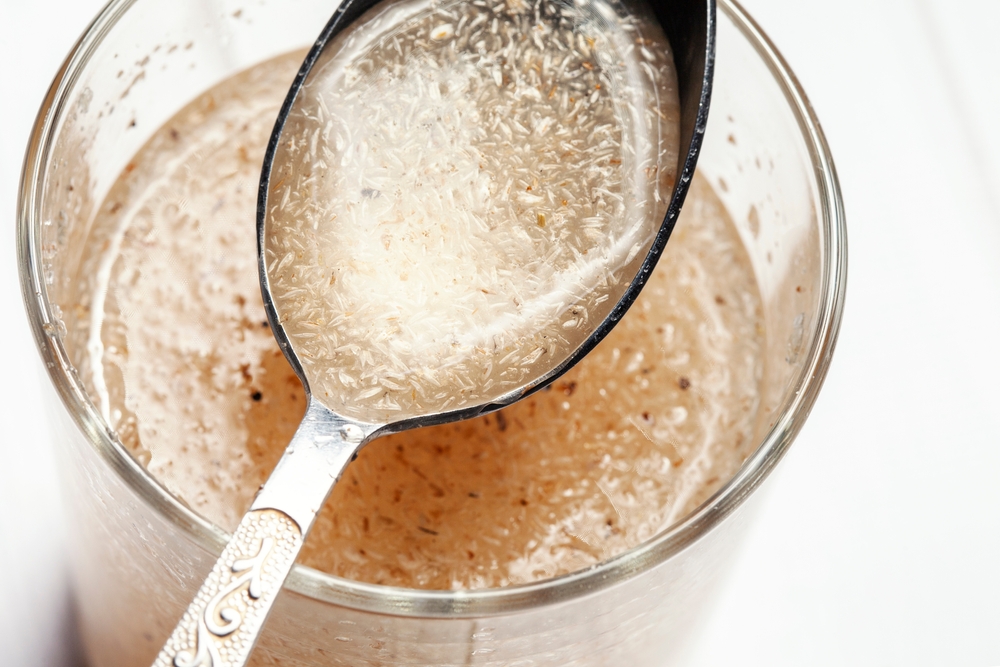
Soluble fiber dissolves in water, forming a gel-like substance that slows digestion and glucose absorption. Studies indicate that consuming foods high in soluble fiber—like apples, avocados, beans, lentils, peas, nuts, and Brussels sprouts—can lower post-meal blood sugar and improve long-term glucose control.
3. Practice Intermittent Fasting
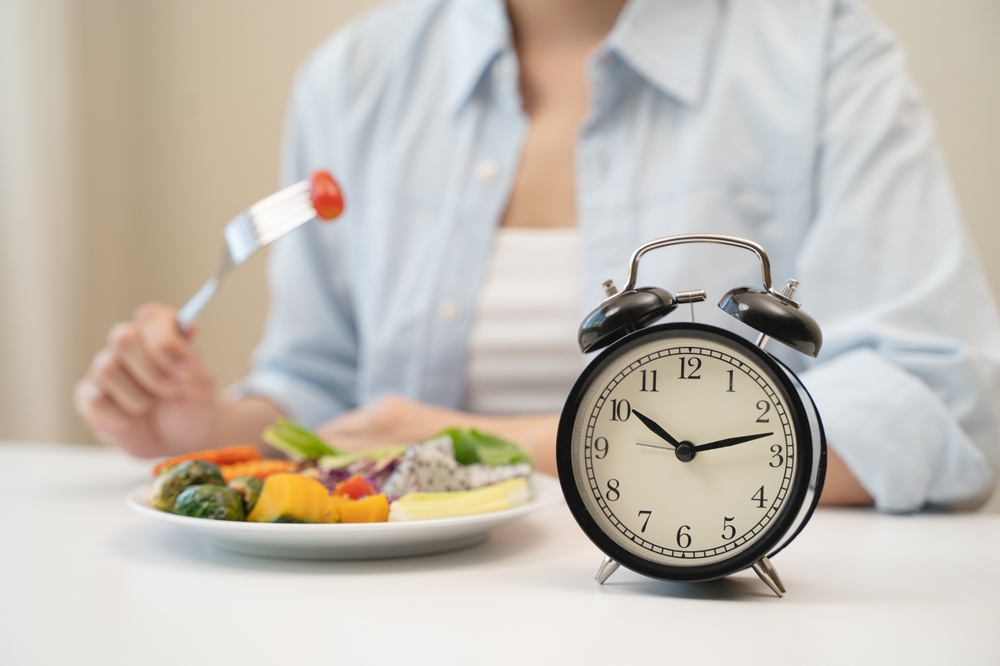
Intermittent fasting (IF), especially front-loading calories at breakfast and lunch while keeping dinner light, has been shown to improve insulin sensitivity, lower fasting blood sugar, and reduce cholesterol levels. IF can also promote weight management, which further supports healthy blood sugar.
4. Choose Whole Grains Over Refined Grains

Whole grains contain more fiber and nutrients than refined grains, which helps slow digestion and prevent rapid glucose spikes. Barley, oats, brown rice, quinoa, buckwheat, and wild rice are excellent choices. Consuming whole grains consistently has been linked to a lower risk of developing type 2 diabetes.
5. Walk After Meals

Physical activity after eating helps muscles absorb glucose without relying solely on insulin. Even a 10–15 minute walk can significantly reduce post-meal blood sugar levels. Research also suggests that simply standing or light movement after meals can have modest benefits.
6. Strength Training

Resistance exercise improves muscle glucose uptake and insulin sensitivity. Studies show that performing strength training either before or after meals can reduce post-meal blood sugar, especially in people with prediabetes or obesity. Examples include bodyweight exercises, weightlifting, or resistance bands.
7. Add Pulses to Your Diet
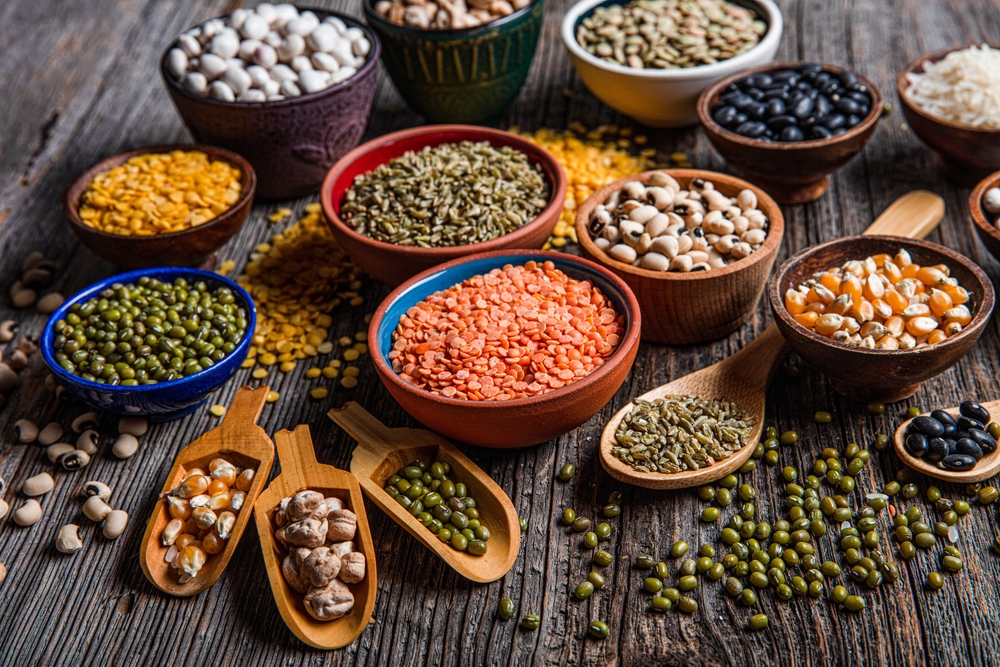
Pulses—including beans, lentils, chickpeas, and peas—are high in protein and fiber, making them ideal for stabilizing blood sugar. Research demonstrates that diets rich in pulses improve long-term glucose regulation, blood lipid levels, and body weight, and reduce the risk of insulin resistance.
8. Eat a Protein-Rich Breakfast

Starting the day with a protein-heavy meal, such as eggs, Greek yogurt, or tofu, helps reduce blood sugar spikes after breakfast and throughout the day. Higher protein intake slows carbohydrate absorption and improves satiety.
9. Include Avocado in Meals

Avocados provide healthy monounsaturated fats, fiber, vitamins, and antioxidants. Studies indicate that regular avocado consumption is associated with lower fasting blood sugar and a reduced risk of developing type 2 diabetes.
10. Use a Continuous Glucose Monitor (CGM)
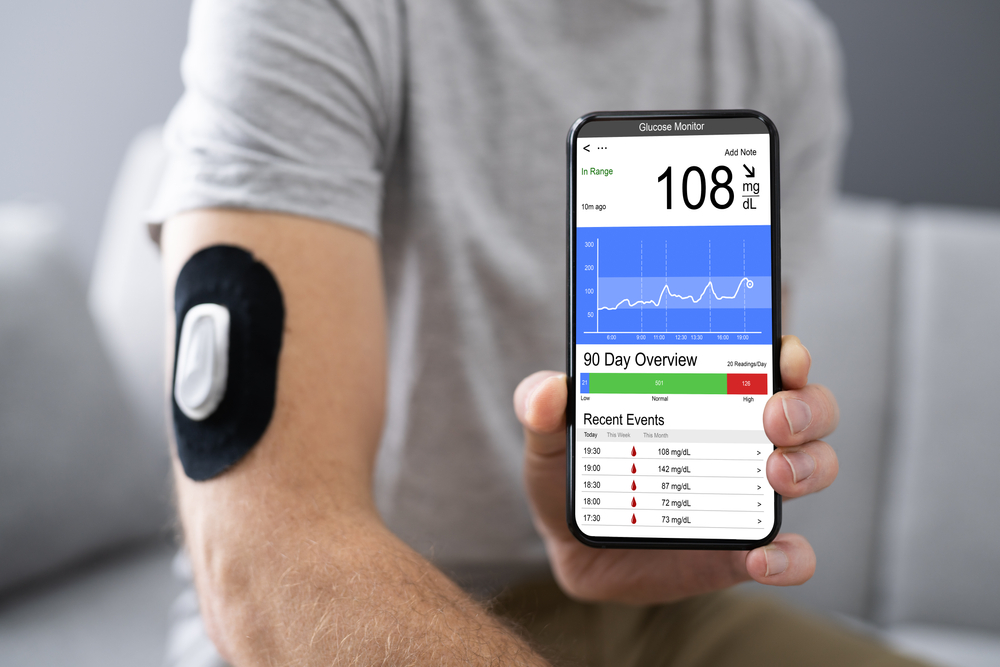
CGMs track glucose in real-time via a small sensor on the arm, giving insights into how foods and activities affect blood sugar. This data can help tailor diet and exercise choices for better glucose control.
11. Eat Fermented Foods

Fermented foods such as kefir, kimchi, sauerkraut, kombucha, tempeh, miso, and sourdough bread promote gut health and can slow carbohydrate absorption. Research suggests that including fermented foods in your diet may reduce post-meal blood sugar spikes and inflammation, a known risk factor for type 2 diabetes.
12. Reduce Added Sugar Intake

Added sugars are quickly absorbed, causing rapid spikes in blood sugar. Limiting intake to no more than 25 grams (6 teaspoons) for women and 36 grams (9 teaspoons) for men, as recommended by the American Heart Association, supports stable glucose levels and overall health.
13. Consider Apple Cider Vinegar

Studies show that consuming about 1–2 tablespoons of apple cider vinegar before meals may reduce post-meal blood sugar and improve lipid profiles in people with type 2 diabetes. It can be diluted in water or used as a salad dressing.
14. Ensure Adequate Vitamin D

Vitamin D plays a role in insulin production and glucose regulation. Research shows that supplementation in people with low vitamin D levels can improve blood sugar control, reduce HbA1c levels, and even lower the risk of developing type 2 diabetes. However, excessive vitamin D intake can be harmful, so stick to recommended doses.
15. Stay Properly Hydrated

Drinking enough water helps the kidneys remove excess sugar from the blood. Studies indicate that higher water intake is linked to a lower risk of type 2 diabetes, improved weight management, reduced triglycerides, and lower LDL (“bad”) cholesterol levels.
Blood sugar management doesn’t have to be complicated. By combining mindful eating, physical activity, hydration, and nutrient-rich foods, you can naturally support stable blood sugar levels, improve energy, and reduce the risk of chronic diseases. Implementing even a few of these strategies consistently can lead to noticeable improvements in health.