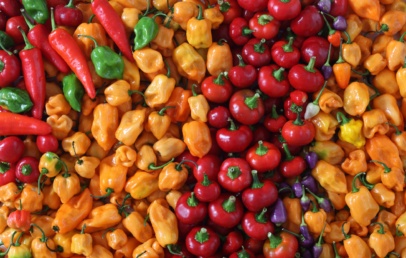
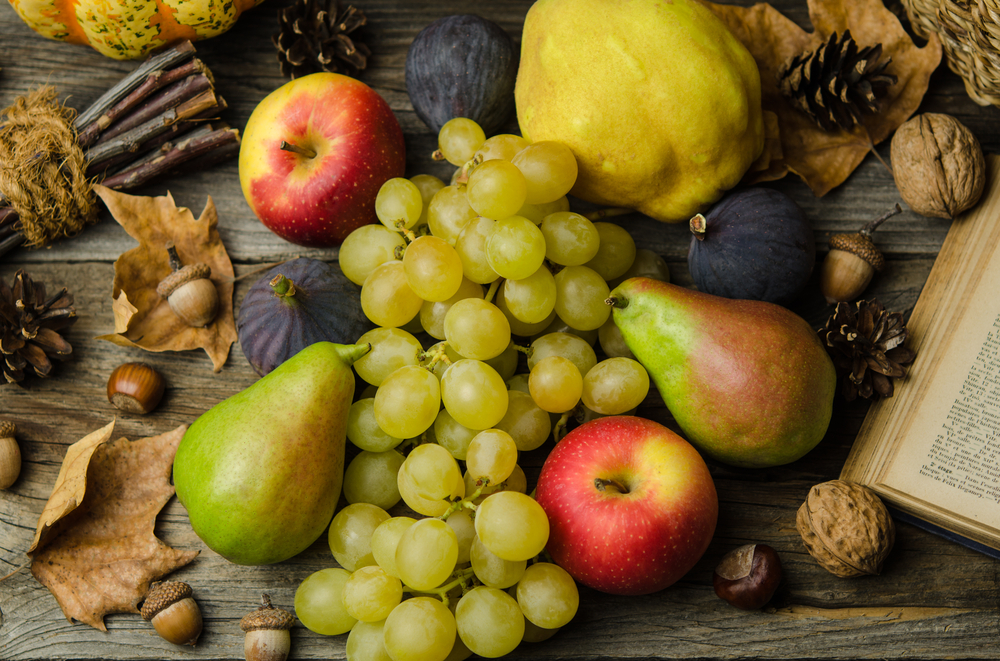
Fall produce has a certain allure. The cooler months offer an amazing array of fruits and vegetables, from crisp apples to cozy pumpkins, and they are at their best when picked in season. They have amazing health benefits in addition to bursting with flavor. Purchasing produce that is in season benefits the environment, local farmers, and your pocketbook.
Are you prepared to eat everything that autumn has to offer? Enjoy fresh produce this season with these 15 delectable fruits and vegetables.
1. Apples
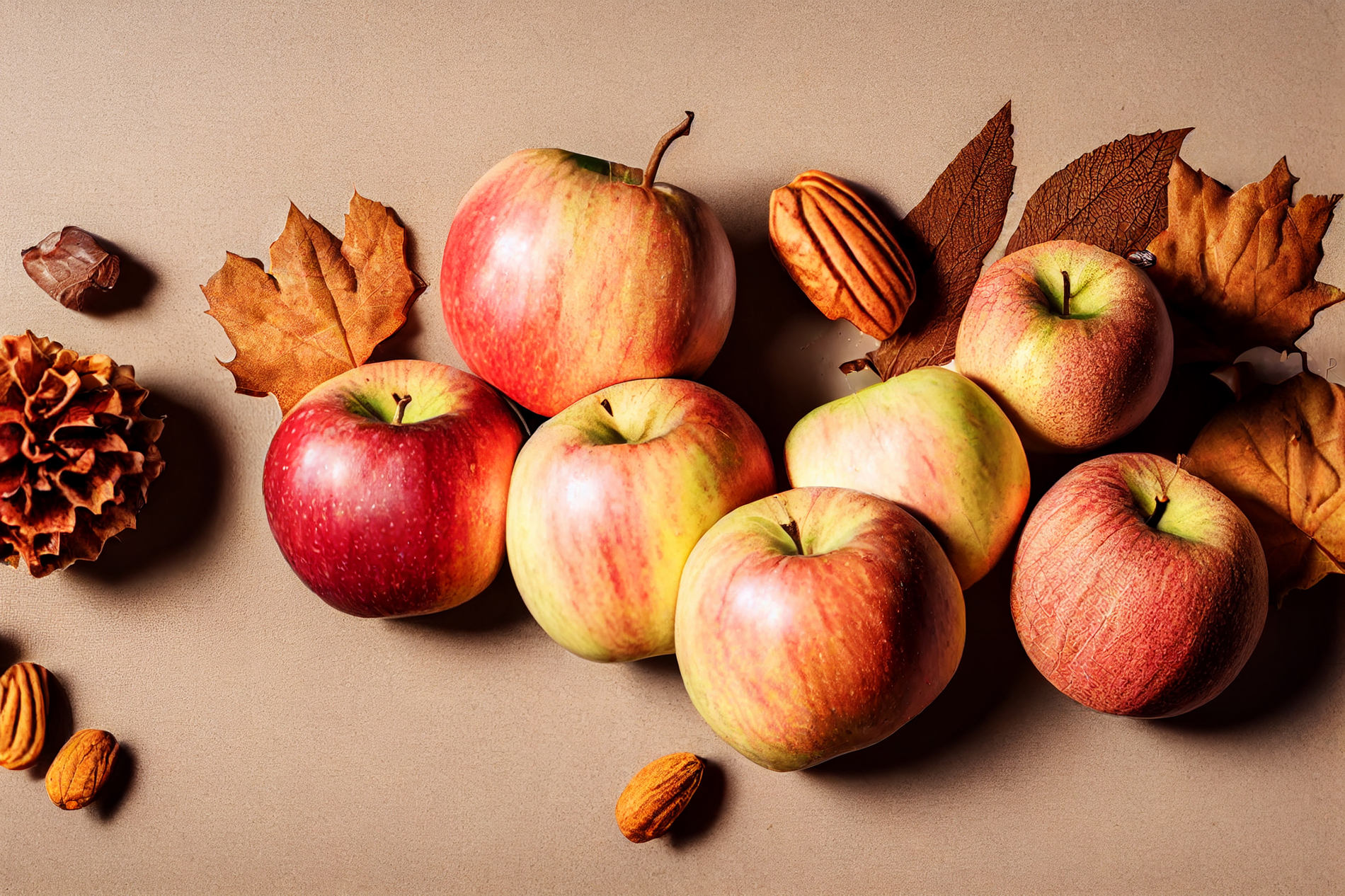
A crisp apple is the epitome of autumn. Apples, which are best harvested in September and October, are rich in dietary fiber, which promotes a healthy digestive system and may lower cholesterol. Antioxidants like vitamins C and E, which are excellent for immune support, are also abundant in them. Apples are a fall staple, whether you eat them warm from the oven with honey and cinnamon or as a quick snack right out of the orchard.
2. Pumpkins
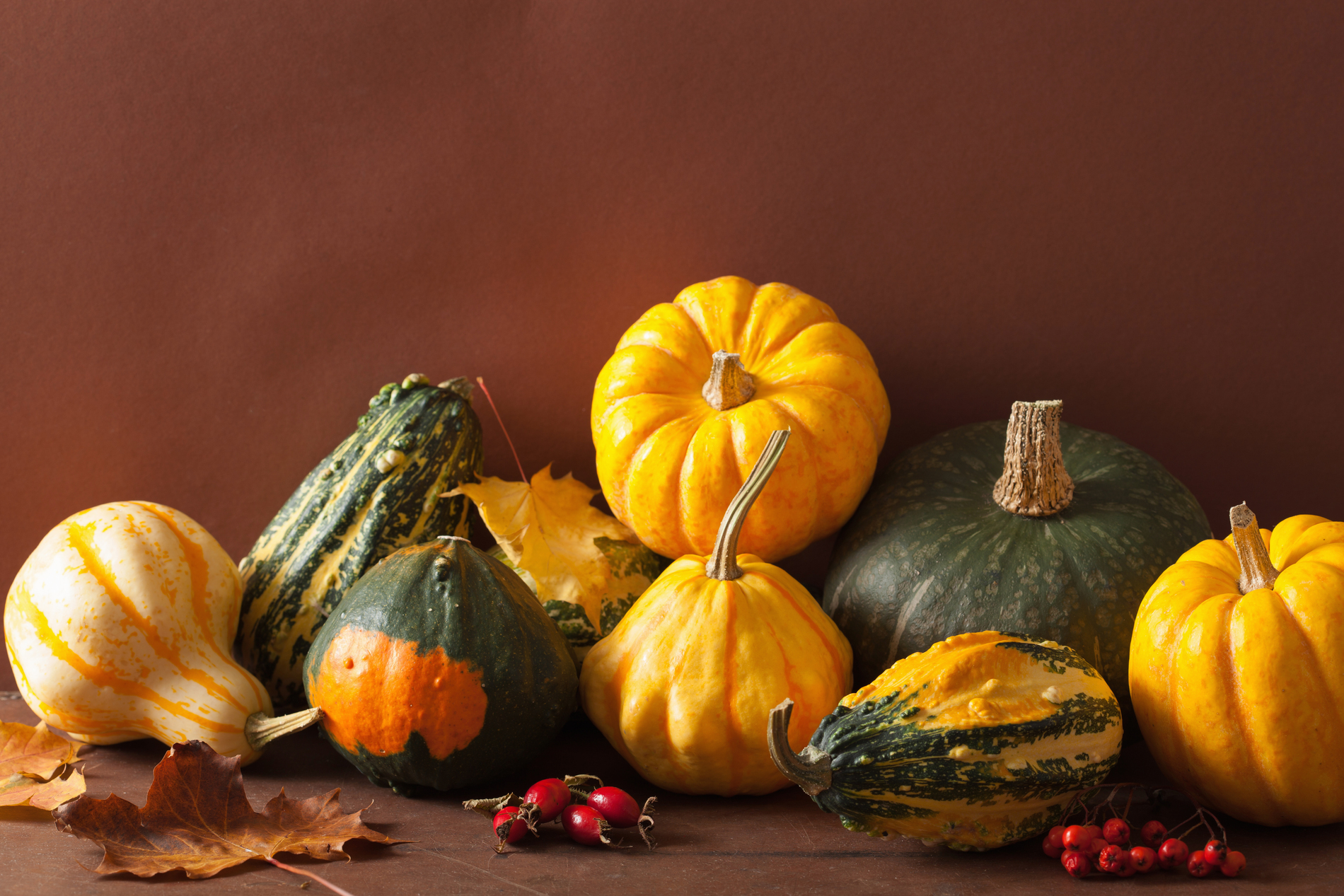
Harvested in October and November when they are at their freshest, pumpkins are used for purposes other than Halloween décor. In addition to minerals like iron and zinc, they are abundant in vitamins A, C, and E. Antioxidants found in their seeds, meat, and skin promote general health. Cooked pumpkin can be blended into soups or smoothies to add natural sweetness and nutrition, or roasted pumpkin chunks seasoned with olive oil and spices like nutmeg make a comforting side dish.
3. Persimmons
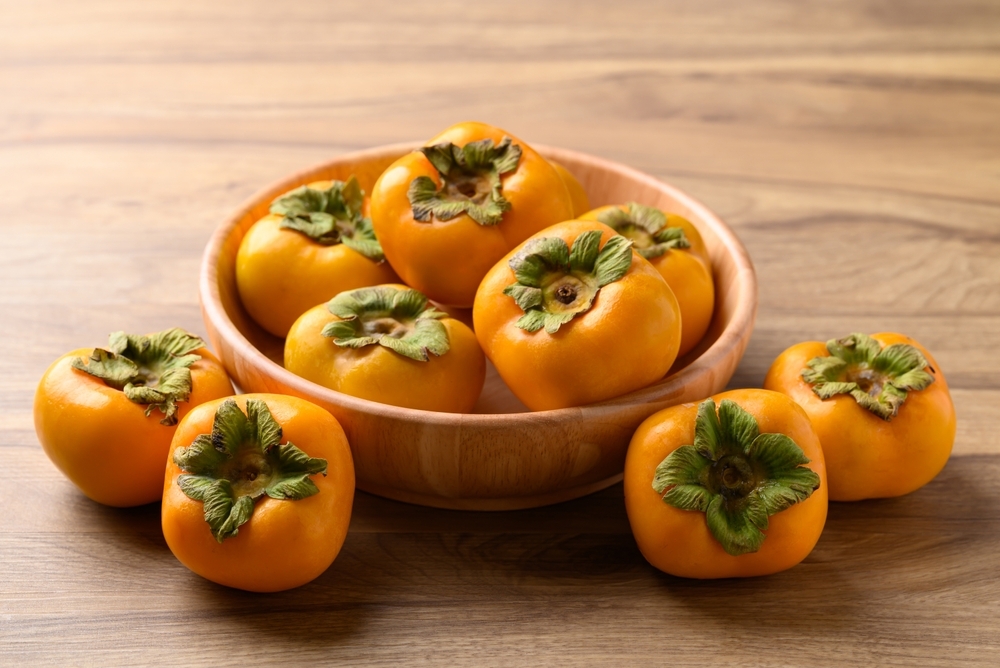
Persimmons are in season from September to October and are bright and colorful. They contain potassium and are a great source of vitamins A and C, which help with immunity and vision. Their distinct sweetness is best enjoyed when eaten fresh, but they also add a delightful pop of flavor to baked goods and smoothies.
4. Sweet Potatoes
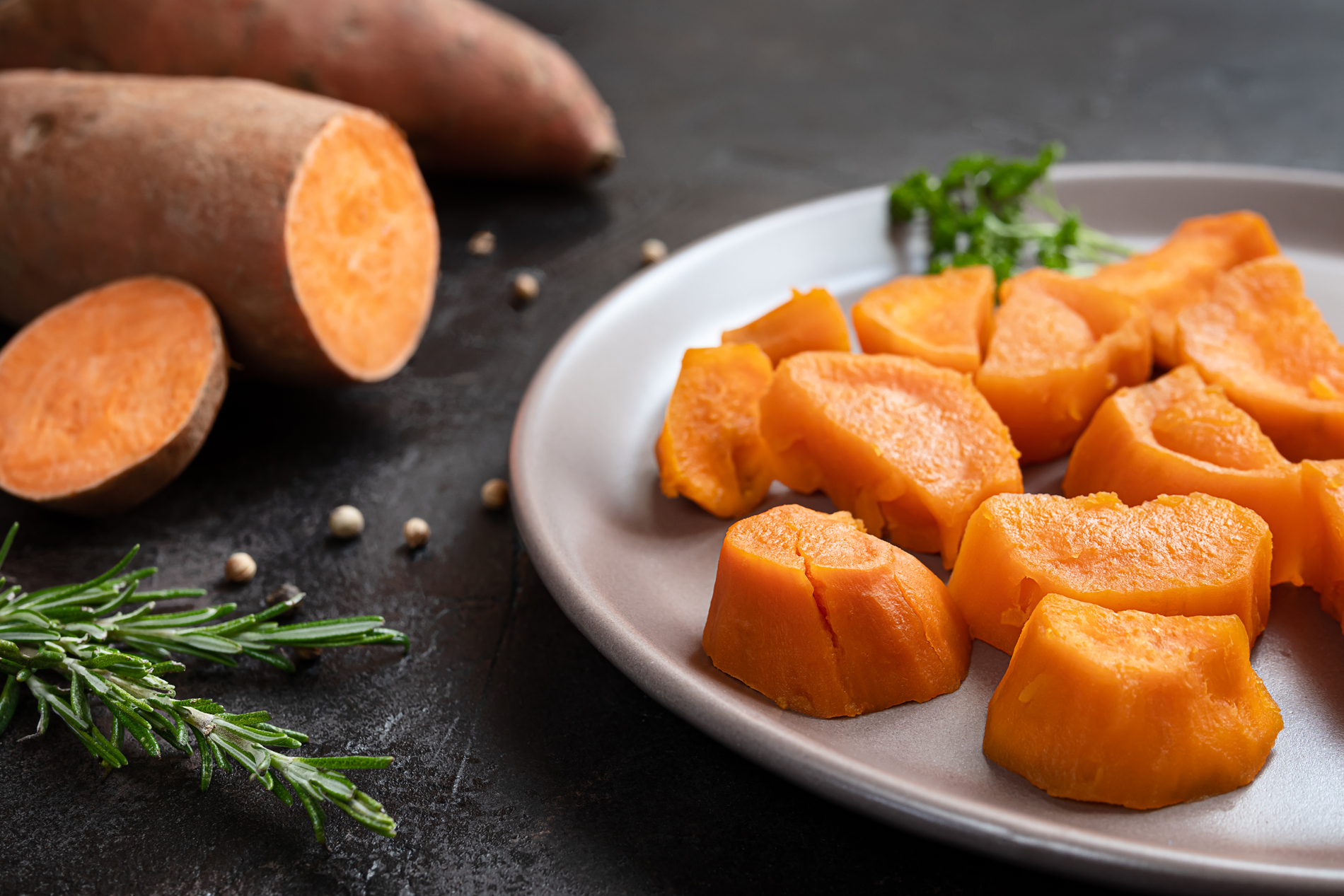
October is when sweet potatoes really take off, and they remain in season well into March. These orange root vegetables are high in fiber, which keeps you feeling full and invigorated, and vitamins A and C. About 4 grams of fiber and 100 calories are found in a baked medium sweet potato with the skin on. They are a flexible mainstay of fall cooking because they taste great roasted, mashed, or added to casseroles and soups.
5. Pears
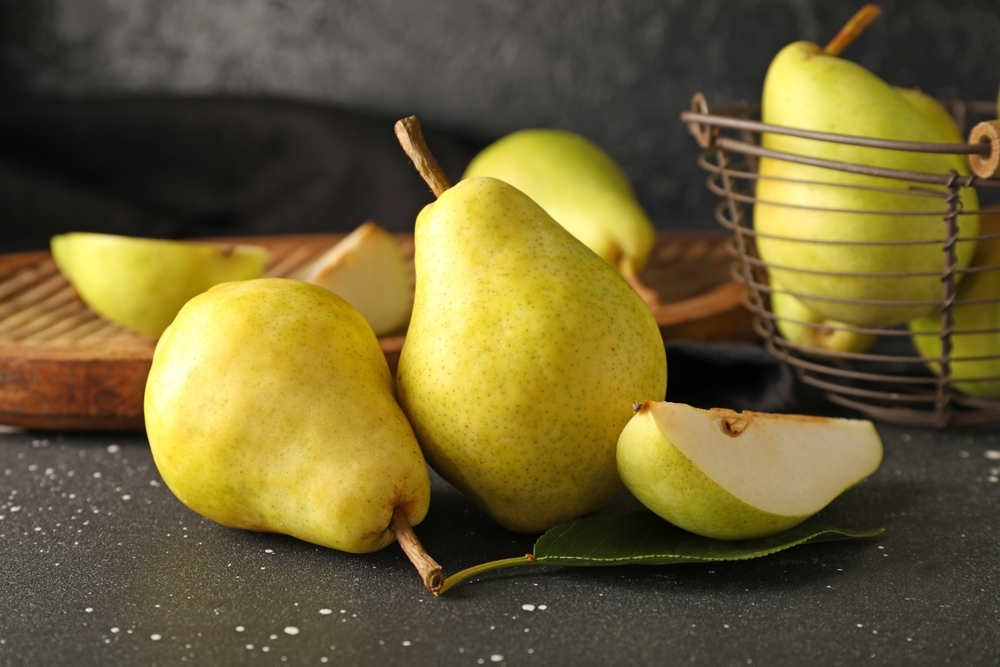
Fresh pears are juicy and nutritious, and they are at their best in September and October. With roughly 100 calories and more than 5 grams of fiber per medium pear, they are both filling and beneficial to digestive health. Additionally, they are a good source of vitamin C, which supports healthy skin and a strong immune system. Pears can be eaten fresh as a snack, sliced into salads, or baked with cinnamon for a filling and nutritious dessert.
6. Winter Squash
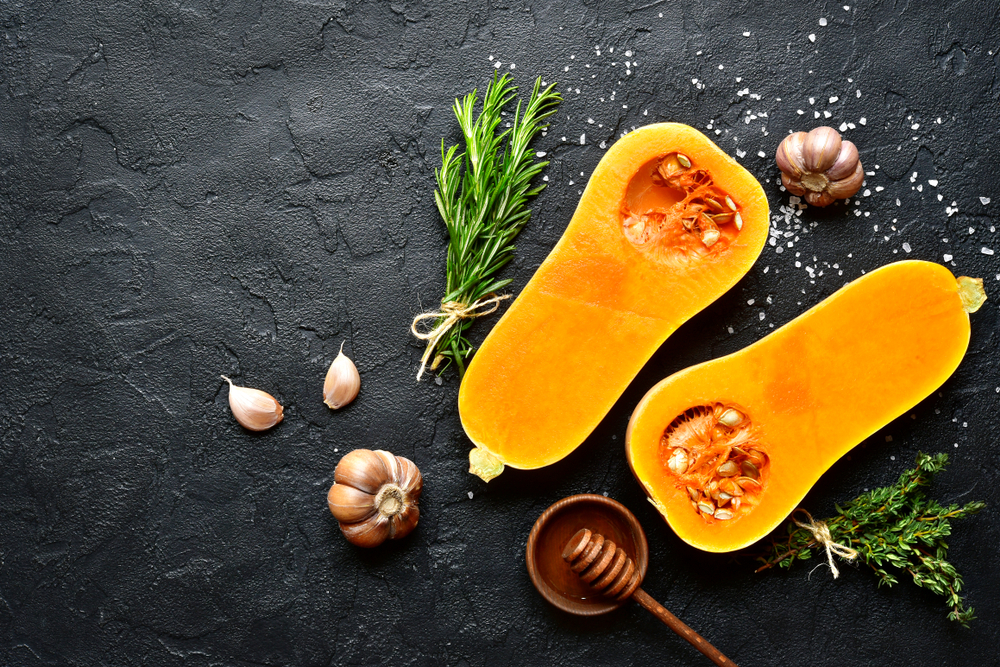
Butternut, acorn, and spaghetti squash are examples of winter squash varieties that, despite their name, are usually harvested in the fall, reaching their peak between August and October. They are a great source of carotenoids, which your body uses to make vitamin A, which supports strong immunity and healthy eyes. For instance, butternut squash is naturally sweet and high in fiber. The flavor of winter squash is enhanced by roasting, but it also tastes great pureed in soups or stews.
7. Broccoli
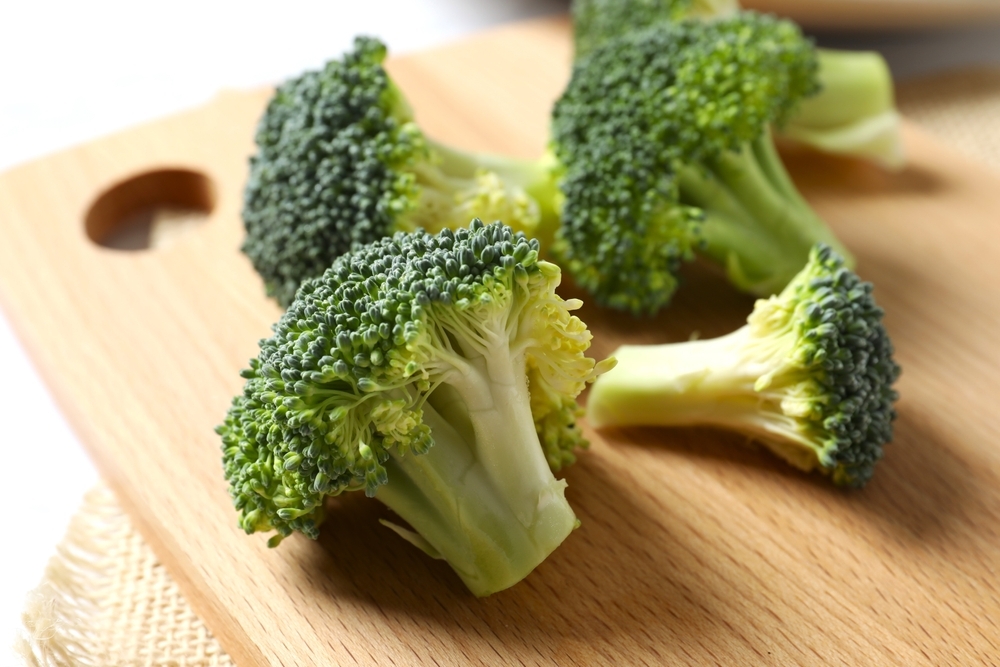
Cooler months are ideal for broccoli growth, and October through November sees the highest yields. This green cruciferous vegetable is rich in calcium, iron, potassium, and vitamins C and K. Benefits like improved digestion, stronger bones, and less oxidative stress have all been connected to it. Broccoli is a great addition to stir-fries, soups, and salads because it retains its vibrant color and crisp texture when lightly steamed or sautéed.
8. Cranberries
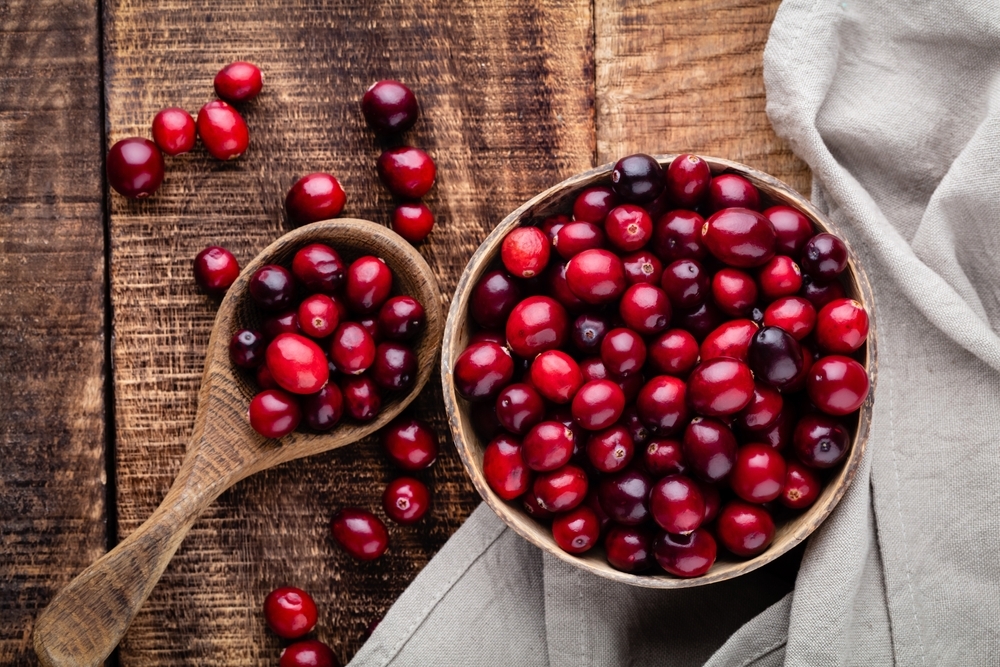
Small but powerful cranberries are in season from September to October. They are naturally low in calories and high in antioxidants, particularly vitamin C. About 50 calories and 4 grams of fiber are found in one cup of cranberries. They are frequently used to make sauces and holiday dishes, but they also taste great in baked goods, salads, and as a tangy snack in the form of unsweetened dried fruit.
9. Grapes
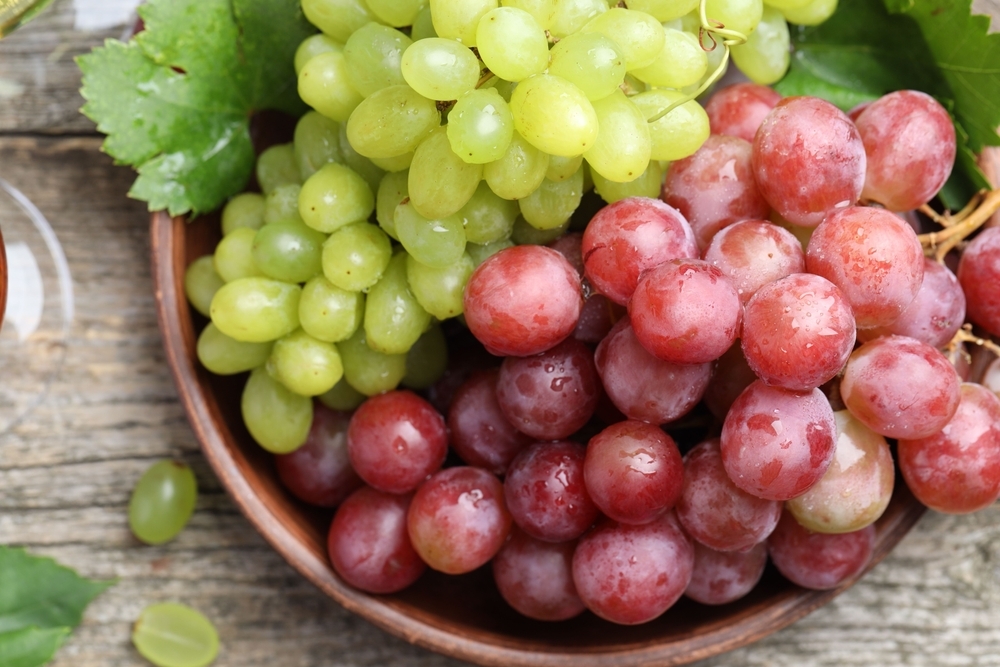
The natural sweetness of grapes is at its height between August and October. They are abundant in antioxidants, such as flavonoids and phenolic acids, which have been connected to better heart and circulation health. While fresh grapes are refreshing, they also make a fun and nutritious snack when frozen. They also look great in savory recipes that call for a burst of sweetness, such as salads and smoothies.
10. Pomegranates

The ruby-red seeds of pomegranates, which are in season from September to November, are packed with vitamins, minerals, and antioxidants. These seeds have been associated with better blood sugar regulation and heart health. Fresh pomegranate seeds can be juiced to make tart dressings or cool beverages, or sprinkled on salads, yogurt, or grain bowls for crunch and nutrition.
11. Swiss Chard
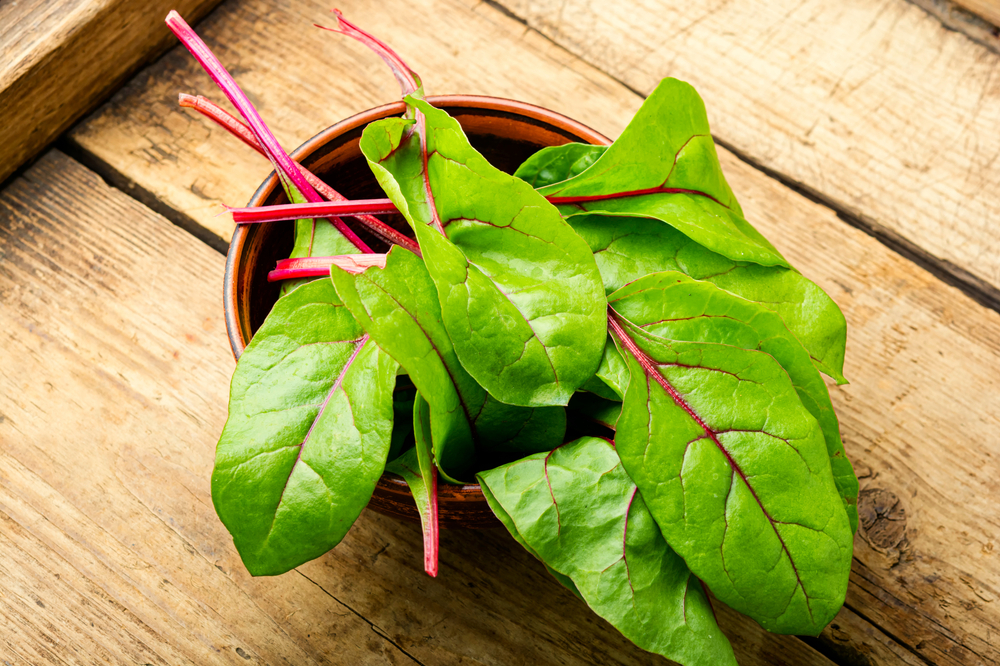
The colorful leaves of Swiss chard, which is harvested until late October, are high in iron, magnesium, potassium, and vitamins C and K. Additionally, it contains substances that have anti-inflammatory and antioxidant properties. Swiss chard can be added to soups for additional color and nutrients, sautéed with garlic and olive oil for a quick side dish, or eaten raw in salads for a mild flavor.
12. Kiwi
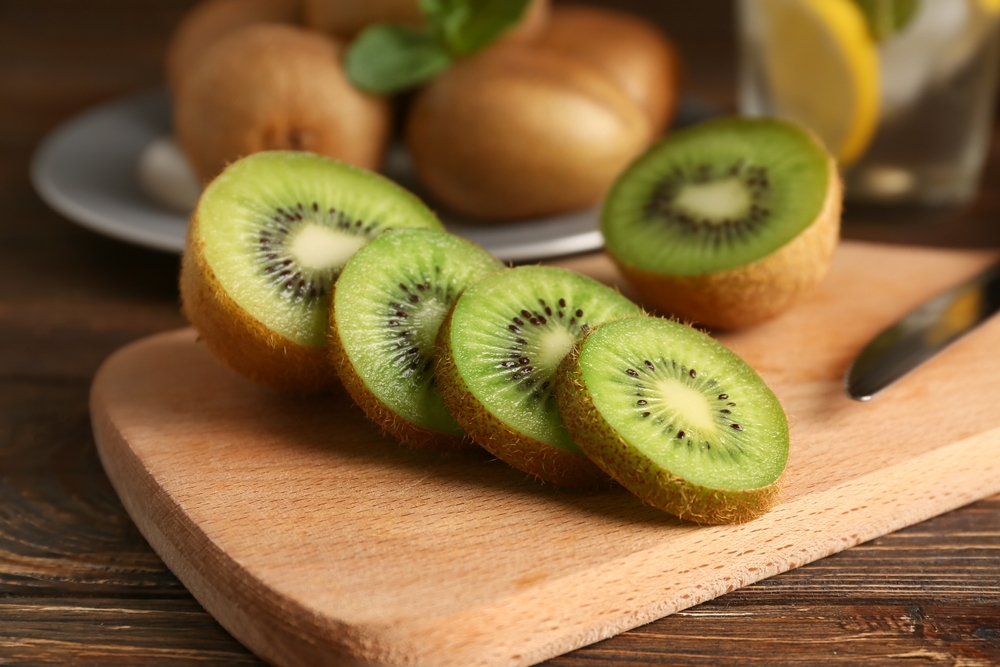
Kiwi is a fantastic fall fruit that has a long shelf life because the season begins in October and lasts until May. One cup of this tart green fruit contains almost twice the daily recommended amount of vitamin C. Additionally, it contains a lot of fiber, which aids in digestion. Kiwi can be added to fruit salads, blended into smoothies for a tangy twist, or eaten fresh with a spoon.
13. Beets
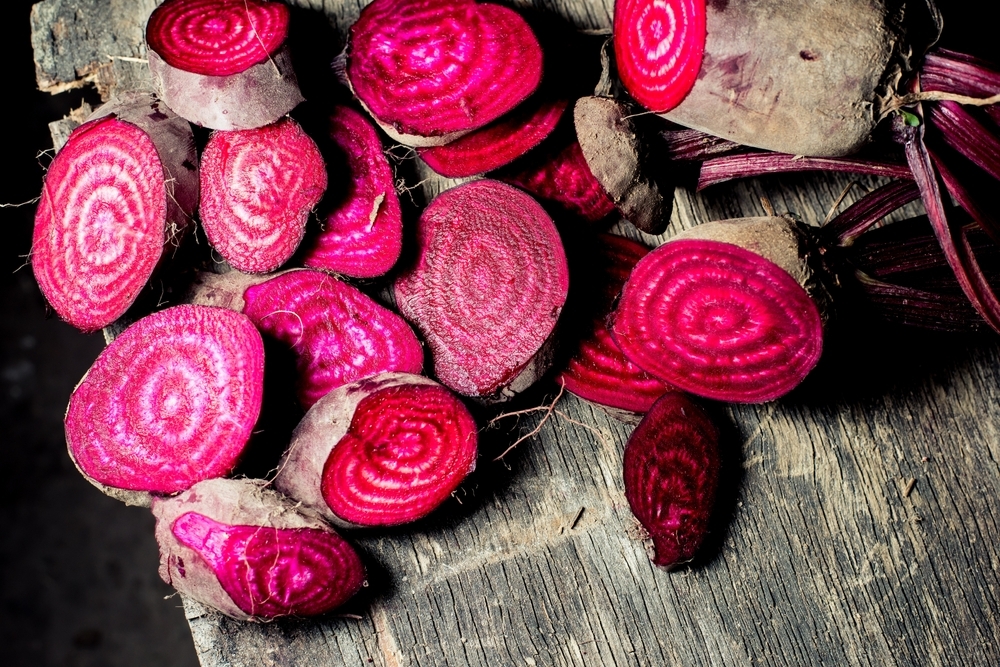
Harvested through November, beets are nutrient-dense, colorful, and earthy. They offer fiber that promotes heart and digestive health, as well as folate, vitamin C, and manganese. Beets’ inherent sweetness is enhanced by roasting, and their raw shreds give salads crunch. They add a velvety texture to dips and soups as well.
14. Kale
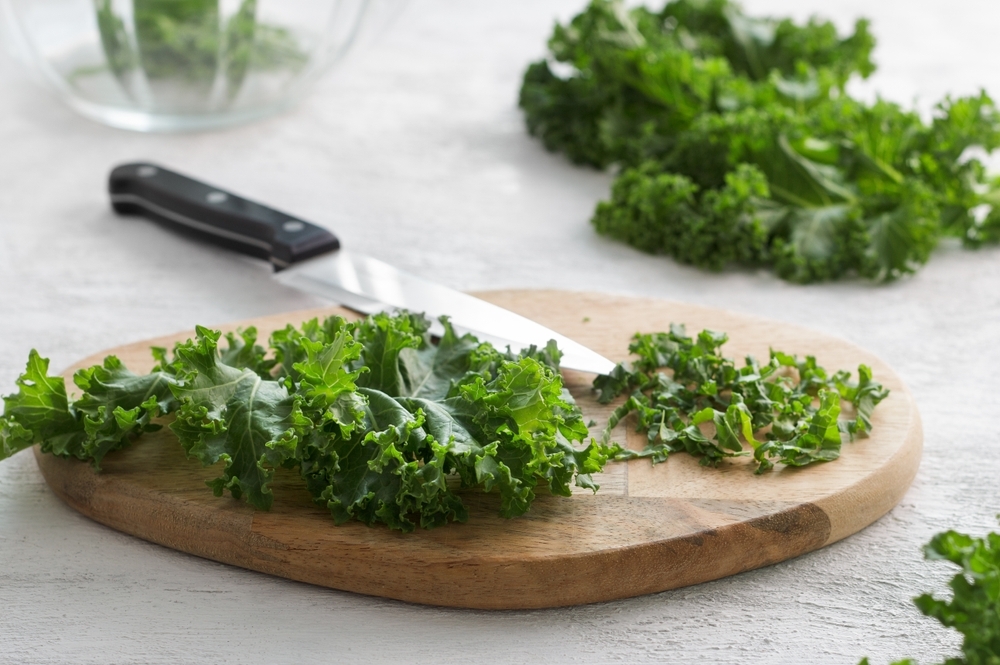
A favorite in the fall, kale is high in vitamins A, C, and K and is at its sweetest from September to December. It is a nutrient-dense green for daily meals because it is low in calories and high in fiber. Although raw kale can be tough, it becomes tender and ideal for salads when massaged with lemon and olive oil. For added taste and nutrition, you can also add kale to soups or sauté it with garlic.
15. Eggplant
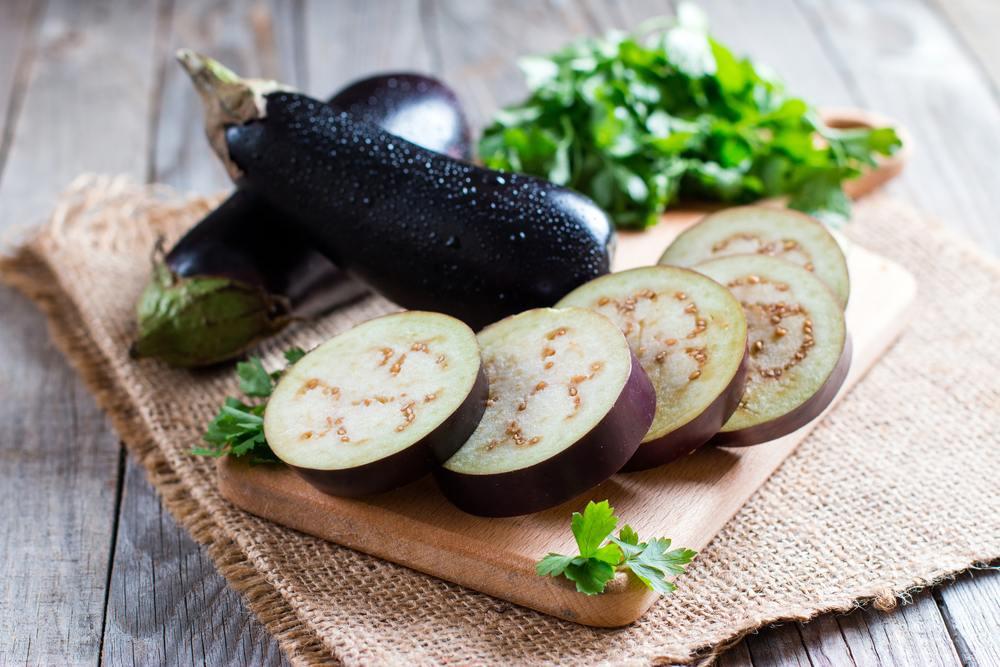
A versatile vegetable high in fiber and antioxidants, eggplant is best harvested from August to October. Benefits for blood pressure, cholesterol, and blood sugar regulation have been connected to it. Eggplant gains a smoky tenderness when grilled or roasted in olive oil, and its robust flavor is highlighted in traditional recipes like eggplant parmesan and baba ganoush.
Why Does Seasonal Eating Matters?
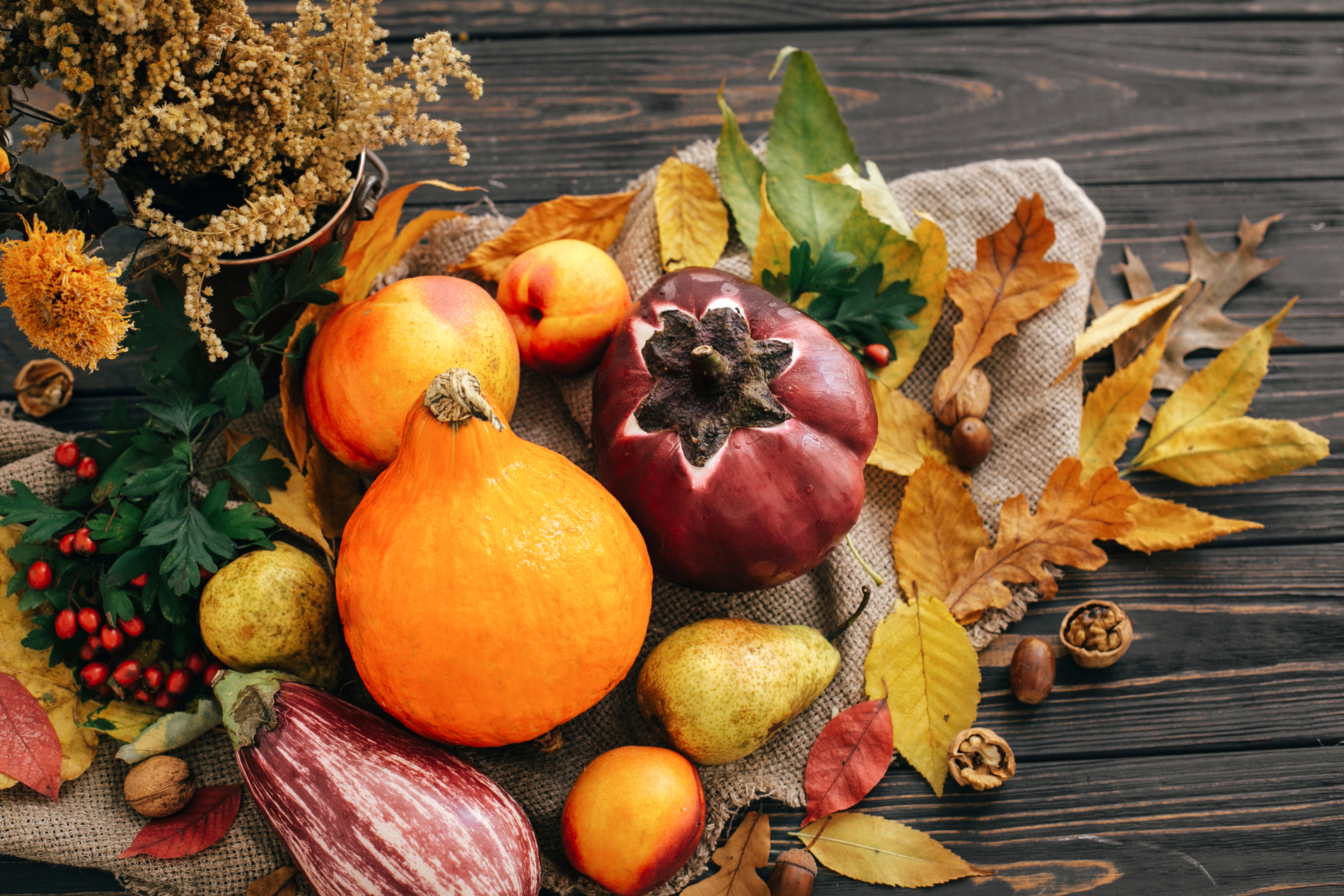
There is more to eating produce in season than just savoring deliciousness. Because they have been given time to ripen naturally before being harvested, seasonal fruits and vegetables are frequently higher in nutrients. Because of their abundance, they are typically less expensive and lessen the environmental effect of long-distance food transportation. Purchasing in-season, locally grown produce helps your community’s farmers and may even encourage you to try flavors and recipes you wouldn’t otherwise try.
One of the greatest seasons to embrace seasonal eating is fall. These fall fruits and vegetables are full of flavor and nutrients, whether you’re eating a crisp apple, roasting sweet potatoes, or adding pomegranate seeds to a salad. In addition to being healthy, stockpiling autumn’s produce allows you to connect with the season and make your meals feel genuinely comforting and fresh.