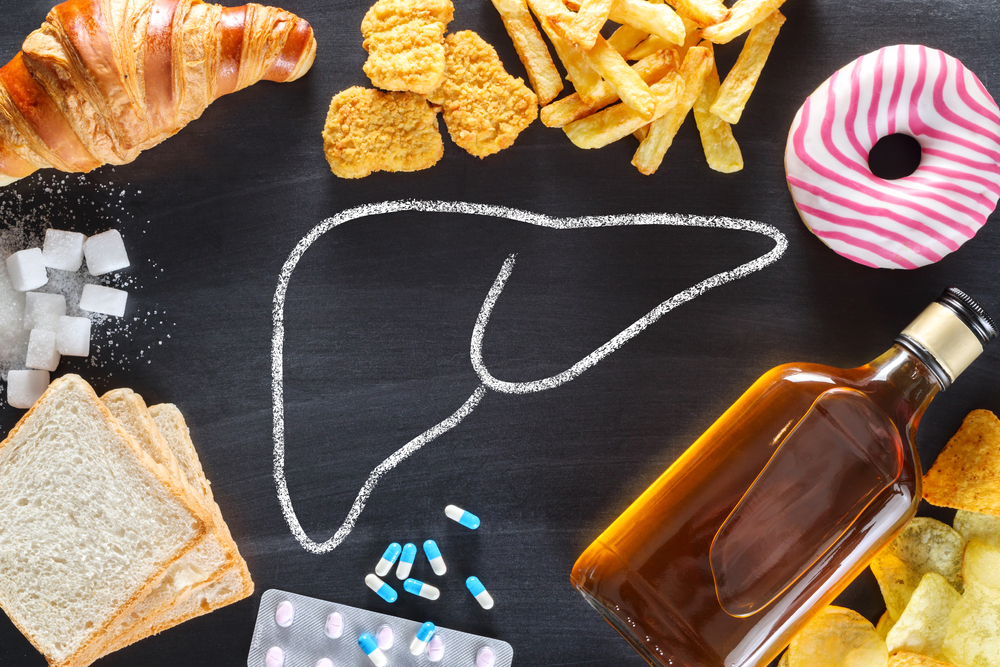
People of all ages are susceptible to non-alcoholic fatty liver disease (NAFLD), one of the most prevalent liver conditions in modern society. It occurs when too much fat accumulates inside the liver cells; initially, there are frequently no noticeable symptoms. This may eventually result in scarring, inflammation, and more severe liver issues. The good news? With the correct assistance, your liver can heal itself in a remarkable way. Here are 13 nutritionist-recommended, evidence-based strategies to lower liver fat and improve general health.
1. Choose whole foods over processed snacks

Natural sources of vitamins, minerals, and fiber include fresh vegetables, fruits, legumes, whole grains, lean meats, and fish. On the other hand, processed snacks frequently include refined flours, added sugars, and bad fats that promote liver fat accumulation. According to studies, a whole-food diet can lower fat content and improve liver enzymes in as little as a few months.
2. Limit added sugar without ditching sweetness entirely
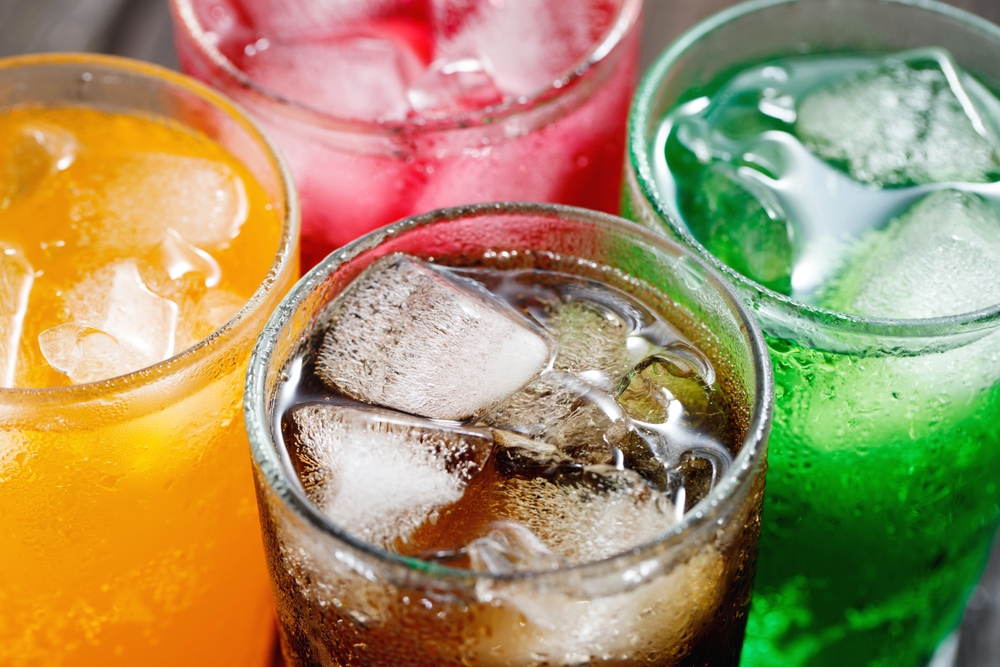
Excessive consumption of sugar, particularly fructose (found in sodas, candies, and syrups), can cause the liver to store fat. Fructose is metabolized by the liver differently than glucose, and a large portion of it is turned straight into fat. Use fruit to add natural sweetness to recipes and replace sugary drinks with water or herbal tea.
3. Embrace healthy fats instead of fearing all fats

Not all fats are bad for your liver. Omega-3 fatty acids (found in salmon, flaxseeds, and walnuts) and monounsaturated fats (found in avocados, nuts, and olive oil) help improve insulin sensitivity and reduce inflammation, two factors that are essential for lowering liver fat. Trans fats, which encourage inflammation and fat accumulation, should be avoided in fried and packaged foods.
4. Keep alcohol in check

Even if alcohol isn’t the cause of your fatty liver, drinking too much alcohol can make it worse. The liver directly metabolizes alcohol, generating toxic byproducts that encourage cell damage and fat accumulation. Experts advise avoiding alcohol entirely if your liver is already damaged or consuming it in small, infrequent amounts.
5. Load up on fiber
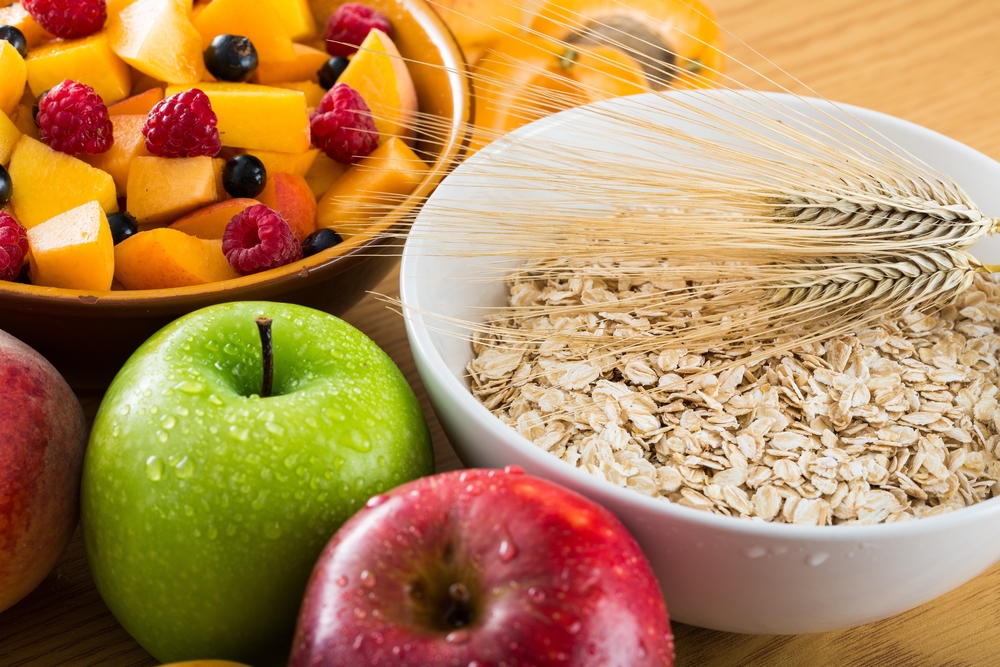
Fiber promotes a healthy gut microbiota, lowers cholesterol, and slows down the absorption of sugar, all of which have an impact on liver health. Because it improves insulin resistance, soluble fiber—found in oats, beans, and apples—is particularly good at lowering liver fat. Try to consume 25–35 grams daily.
6. Include lean protein at each meal

Maintaining muscle mass, which is important for controlling blood sugar and fat metabolism, is made possible by protein. Selecting lean protein sources over fatty red meats, such as fish, poultry, tofu, or lentils, can help lower total caloric intake and promote liver health.
7. Stay hydrated throughout the day

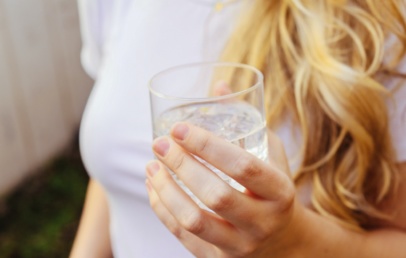
All of the liver’s metabolic functions, including detoxification, are supported by adequate hydration. Water also aids in digestion and keeps calorie-dense drinks from being consumed in excess. After adjusting for climate and activity, a good starting point is 1.5 to 2 liters per day.
8. Keep moving regularly

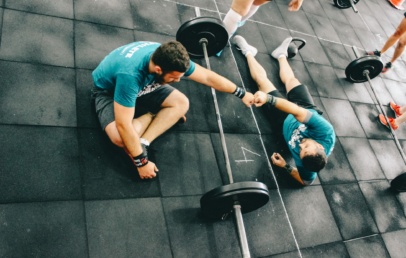
Your liver can more easily release extra fat when you are physically active because it increases insulin sensitivity and burns stored fat. It has been demonstrated that resistance training (weightlifting, bodyweight exercises) and aerobic exercise (walking, swimming, cycling) can both lower liver fat. There is a noticeable difference even after 20 to 30 minutes per day.
9. Manage stress with gentle routines

Prolonged stress raises cortisol levels, which can encourage the storage of liver fat and cause weight gain around the abdomen. Stress hormones can be reduced and your liver protected by incorporating relaxing practices like deep breathing, mild yoga, or brief breaks throughout the day.
10. Watch portion sizes without extreme restriction

Even eating too many nutritious foods can still overload the liver. Controlling calorie intake without turning to drastic diets that could impair metabolism can be achieved by practicing mindful eating techniques, such as eating slowly and stopping when you are comfortably full.
11. Cut back on refined carbs

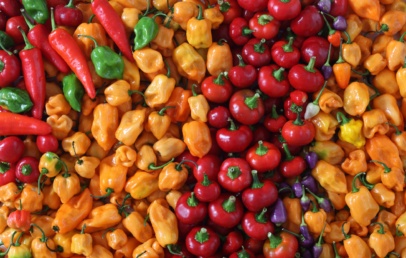
White bread, pasta, and pastries are examples of refined carbohydrates that quickly raise blood sugar levels, which prompts the liver to turn extra into fat. Substituting whole grains like quinoa, brown rice, and oats for these promotes fat loss and stabilizes blood sugar.
12. Add more antioxidant-rich foods

Free radicals that can harm liver cells are neutralized by antioxidants. Improved liver enzyme levels have been associated with foods high in vitamin C (oranges, bell peppers), vitamin E (almonds, sunflower seeds), and polyphenols (green tea, blueberries).
13. Check in with your healthcare provider

Frequent medical examinations aid in identifying changes early because fatty liver can develop silently. Dietary consultations, blood tests, and ultrasounds all offer customized guidance that takes into account your particular body chemistry to ensure safe and efficient progress.
One of your body’s hardest-working organs, the liver filters blood, breaks down toxins, and processes nutrients on a daily basis. Although fatty liver is becoming more prevalent, it is also very sensitive to changes in lifestyle. You can lessen the burden on your liver, prevent fat from building up, and put yourself on the path to long-term health by regularly implementing these techniques.