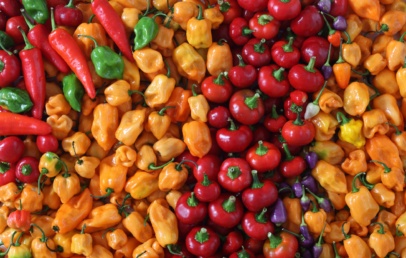

Foods That Can Help Fight Cancer Cells
While no single food can guarantee prevention or cure, research shows that many foods contain compounds that may help protect cells, reduce inflammation, and lower the risk of cancer. These foods are packed with antioxidants, fibre, vitamins, and phytochemicals that work together to support your body’s natural defences. Eating a variety of these foods regularly can give your body the tools it needs to stay healthier and stronger.
Here are 13 foods that scientists and nutrition experts often highlight for their cancer-fighting potential.
1. Broccoli
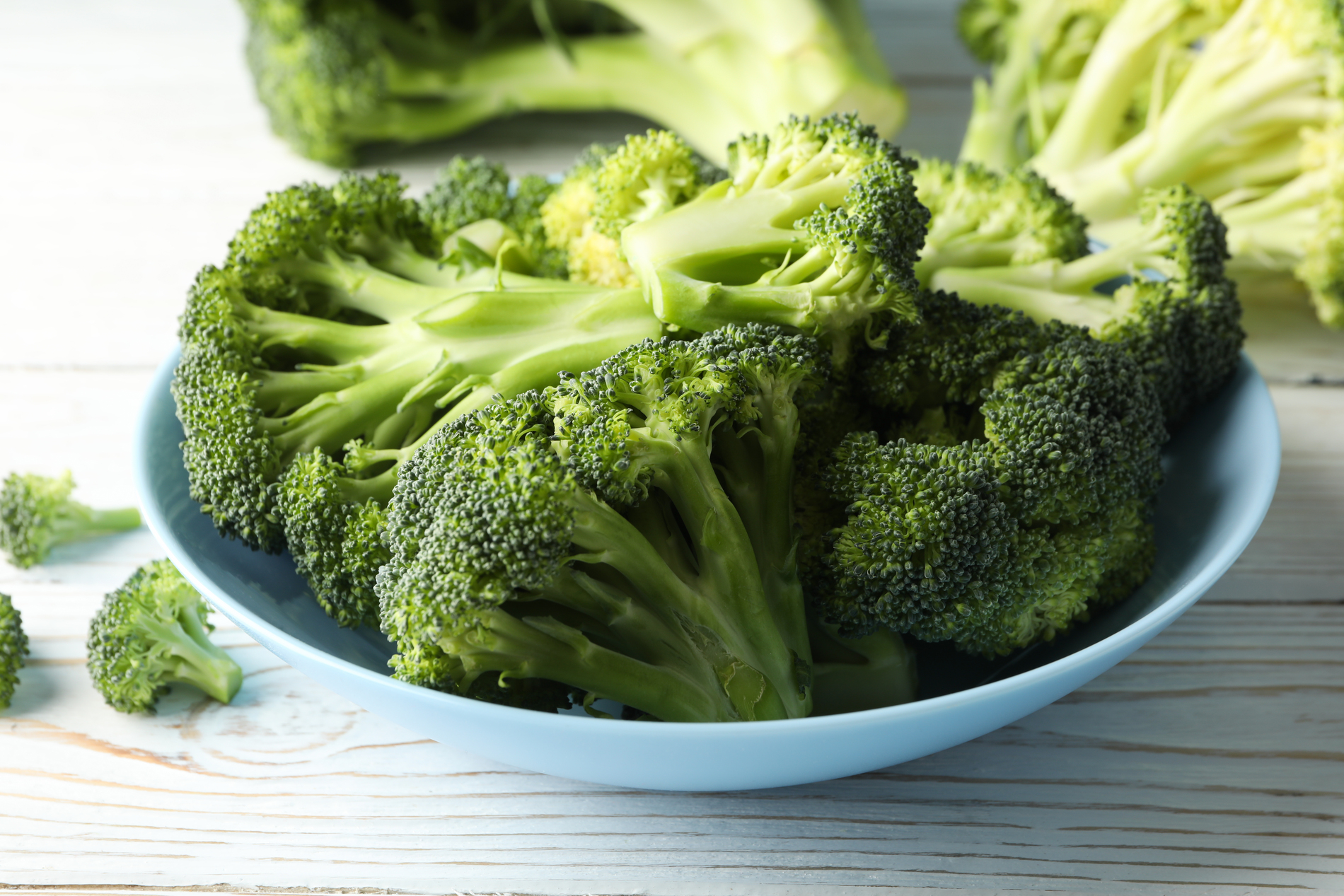
Broccoli is rich in sulforaphane, a compound that has been shown to help kill cancer cells in lab studies. One cup also provides about 5 grams of fibre and loads of vitamin C, both important for immune health.
2. Garlic

Garlic contains allicin, a sulfur compound with strong antioxidant properties. Studies suggest it may slow the growth of cancer cells, especially in the stomach and colon. Eating fresh, crushed garlic regularly offers the greatest benefit.
3. Tomatoes

Tomatoes are packed with lycopene, the antioxidant that gives them their red colour. Lycopene has been linked to a reduced risk of prostate cancer. Cooking tomatoes, like in sauces or soups, boosts the absorption of lycopene.
4. Berries

Blueberries, strawberries, and raspberries are loaded with anthocyanins, powerful antioxidants that help protect cells from DNA damage. A cup of berries has about 8 grams of fibre and is naturally low in calories, making them a smart daily snack.
5. Carrots

Carrots provide beta-carotene, which the body converts into vitamin A. Beta-carotene has been linked to a reduced risk of lung and stomach cancers. One medium carrot has only about 25 calories but provides more than double the daily vitamin A requirement.
6. Green Tea

Green tea contains catechins, compounds with strong antioxidant and anti-inflammatory effects. Studies suggest they may slow tumour growth and reduce the spread of cancer cells. Drinking 2-3 cups a day may be beneficial.
7. Spinach

Spinach is rich in lutein, beta-carotene, and fibre, all of which support cellular health. It’s also high in folate, a nutrient important for DNA repair. One cup of cooked spinach provides about 4 grams of fibre.
8. Walnuts

Walnuts are high in polyphenols and omega-3 fatty acids, both linked to reduced inflammation and better cell protection. A small handful, about one ounce, contains 2 grams of fibre and plant-based compounds that may slow tumour growth.
9. Turmeric

Turmeric contains curcumin, a compound studied for its ability to reduce inflammation and block cancer cell growth in lab experiments. Adding turmeric to curries, soups, or teas regularly may offer protective benefits.
10. Grapes

Red and purple grapes contain resveratrol, an antioxidant that may prevent damage to DNA and slow cancer cell growth. Eating grapes whole, with the skin, gives you the highest dose of resveratrol.
11. Beans
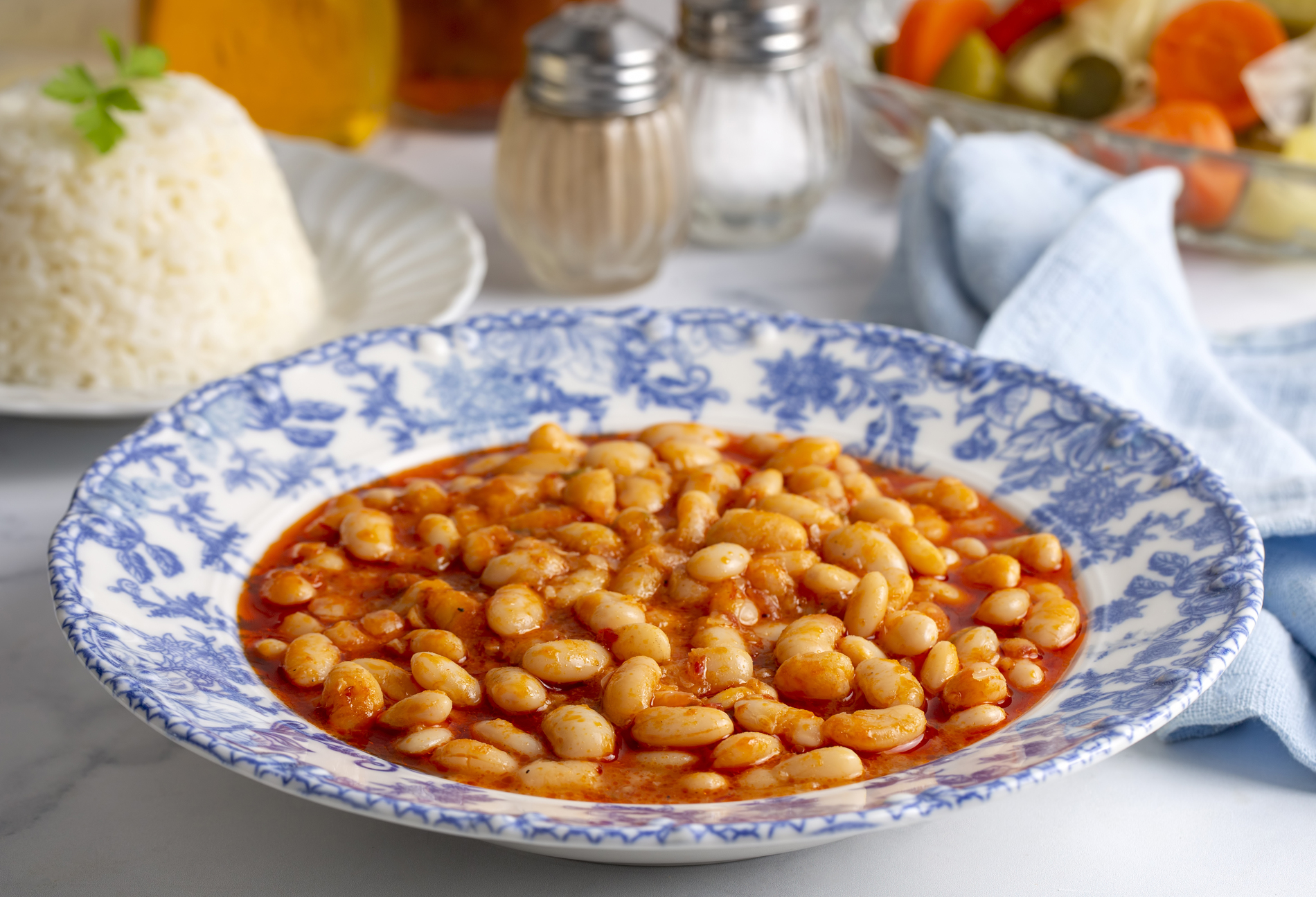
Beans are full of fibre and resistant starch, which help feed healthy gut bacteria and reduce colon cancer risk. A cup of cooked beans has about 15 grams of fibre, along with protein that helps keep you full.
12. Citrus Fruits

Oranges, lemons, and grapefruits contain vitamin C and flavonoids that help neutralize free radicals before they damage cells. They also provide fibre, making them a refreshing and protective addition to your diet.
13. Mushrooms
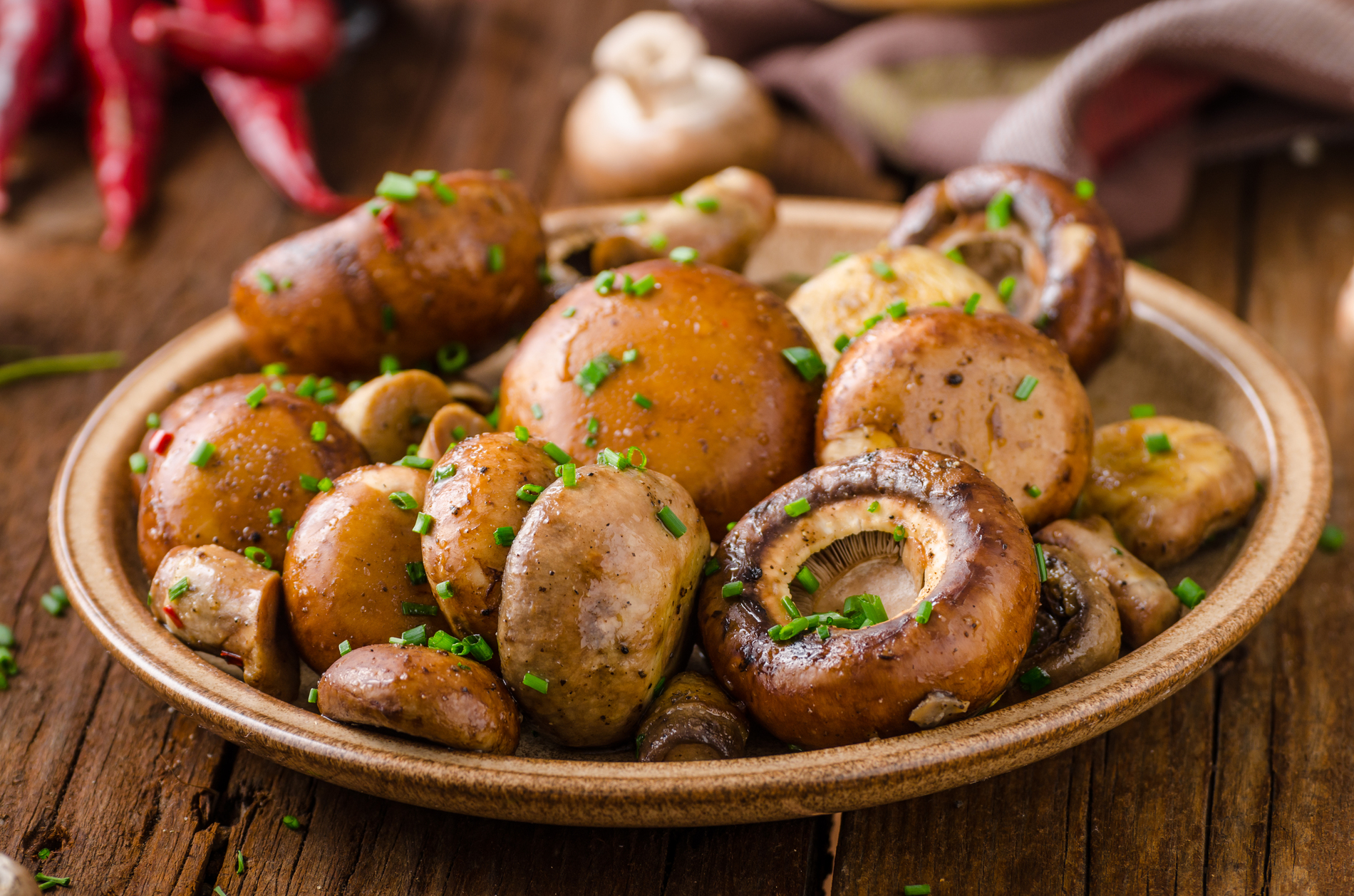
Certain mushrooms, like shiitake and maitake, contain polysaccharides that boost immune system function. They also have antioxidants that may reduce tumour growth and protect healthy cells from damage.
Final Thoughts
Food cannot replace medical treatment, but a diet rich in protective foods can play a powerful role in reducing your risk of cancer and strengthening your body’s defences. Vegetables like broccoli and spinach, fruits like berries and citrus, and staples like garlic and beans all contribute nutrients and compounds that support cellular health and fight inflammation. Including a variety of these foods in your meals is one of the simplest ways to give your body an edge against disease.