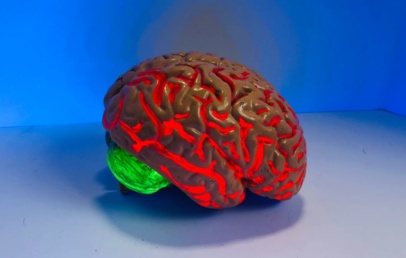

Migraines are neurological conditions that can cause severe, throbbing headaches, light and sound sensitivity, nausea, dizziness, and even visual disturbances. Even though there isn’t a cure for migraines yet, one of the best strategies to lessen their frequency and intensity is to recognize and control triggers.
Food, both the kind and timing of meals, is one of the most often mentioned triggers. Certain foods contain natural compounds, preservatives, or stimulants that can cause migraines in people with heightened sensitivity, according to neurologists and nutrition experts. A closer look at 12 possible food triggers is provided here, supported by advice from medical experts.
1. Caffeine

There are two ways that caffeine and migraines are related. By reducing inflammation and narrowing blood vessels, it can offer relief in small doses. Consistently consuming large amounts, however, can cause dependency, and skipping even 80 milligrams of your recommended daily intake can cause withdrawal symptoms that resemble or trigger migraines. Coffee, tea, energy drinks, soda, and even chocolate all have different amounts of caffeine, so it’s crucial to evaluate your daily intake and cut back gradually to prevent rebound headaches.
2. Aged Cheeses

Tyramine, a naturally occurring substance that develops as proteins degrade over time, is frequently found in aged cheeses. In people who have a low threshold for dietary triggers, tyramine may trigger migraines and is known to affect blood pressure. Among the primary offenders are cheeses like Parmesan, Brie, Swiss, blue, and cheddar. Fresh cheeses, such as cottage cheese and ricotta, on the other hand, may be more tolerable because they typically contain little to no tyramine.
3. Cured and Processed Meats

Preservatives called nitrites or nitrates, which help preserve color and flavor, are frequently found in cured meats like bacon, salami, pepperoni, and hot dogs. However, they can dilate blood vessels in the brain, which can result in migraines. Furthermore, these foods’ high sodium content may exacerbate dehydration, which is a known trigger in and of itself. If you’re sensitive, you should always take them with lots of water and use caution when consuming any kind of nitrate-free product.
4. Alcohol

Many people report that drinking alcohol, especially wine and beer, makes their migraines worse. Although the alcohol itself may not always be the cause of the migraine, the dehydration and subsequent drop in blood alcohol levels the following day—basically, a kind of withdrawal—are frequently to blame. All forms of alcohol can be harmful, depending on the sensitivity of the individual, but red wine is frequently implicated, perhaps because of tannins and sulfites. Moderate drinking, maintaining hydration, and pairing alcohol with food can all help lower risk.
5. MSG (Monosodium Glutamate)
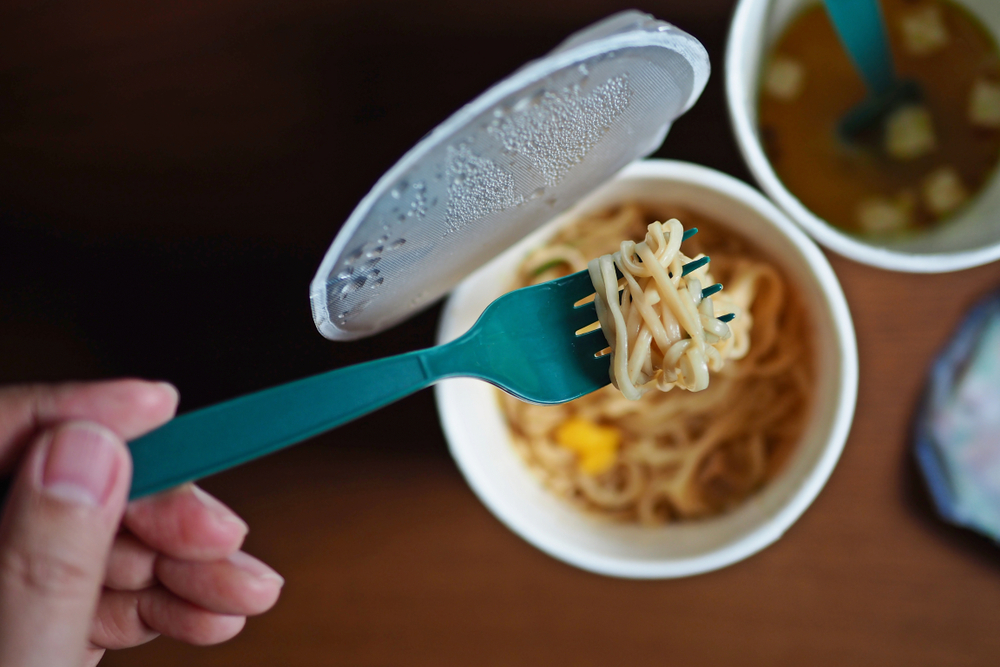
MSG is a flavor enhancer that is frequently connected to takeout but can also be found in a variety of packaged goods, including canned soups, instant noodles, and flavored snacks. Because of its classification as an excitotoxin, it may overstimulate specific brain receptors, which could lower the threshold for the onset of migraines. Within an hour of consuming MSG, people who are sensitive to it may start to feel symptoms. Selecting products free of MSG and carefully reading labels can help lower exposure.
6. Citrus Fruits and Juices
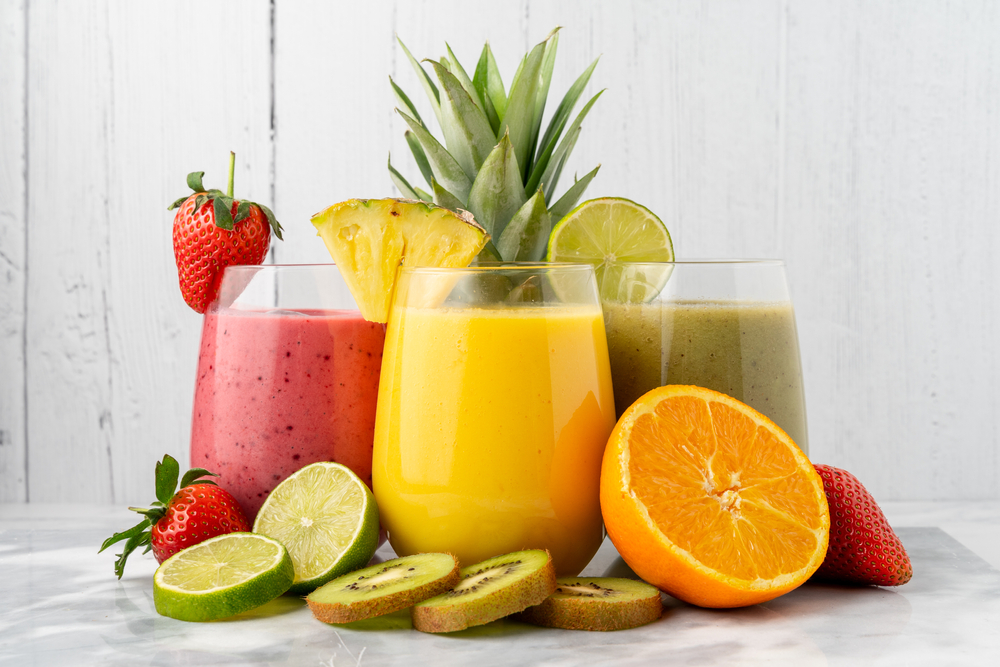
Citrus fruits are high in vitamin C and other nutrients, but their high acidity can upset stomachs and cause migraines in certain people. Additionally, serotonin levels, which are known to fluctuate before and during a migraine, may be impacted by the acids in these fruits. Common offenders include oranges, grapefruits, lemons, and limes. If a correlation is suspected, experts usually advise consuming no more than half a cup of citrus per day.
7. Bananas and Avocados

Although they are both nutrient-dense foods, avocados and bananas can cause issues for tyramine-sensitive individuals. Tyramine levels in these fruits rise with ripening, which may cause migraines in susceptible people. Even though not everyone responds to these foods, it’s still a good idea to keep an eye on how much you consume, particularly if you usually eat them when they’re extremely ripe. Try eating less-ripe varieties or switching to lower-tyramine substitutes like apples or berries if a correlation is found.
8. Chocolate

Despite its complicated role, chocolate is one of the most frequently reported migraine triggers. It contains beta-phenylethylamine and caffeine, both of which have the potential to alter neural activity and blood flow. But according to some research, chocolate cravings might not be the trigger itself, but rather a component of the prodrome, the early, pre-migraine phase. If your migraines are always preceded by chocolate, it might be worthwhile to cut back on consumption to see if symptoms get better.
9. Spicy Foods

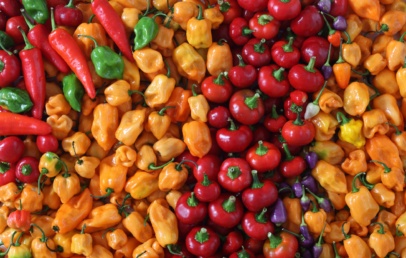
TRP channels are specific receptors in the brain that can be activated by spicy foods, particularly those that contain chili peppers. Your migraine threshold may be lowered by these pain-sensitive pathways, making it simpler for other triggers to cause an attack. Rarely, intensely hot peppers have been connected to abrupt, excruciating “thunderclap headaches.” Lowering the heat or using milder seasonings might help if you frequently experience discomfort or migraines from spicy meals.
10. Artificial Sweeteners (Aspartame)
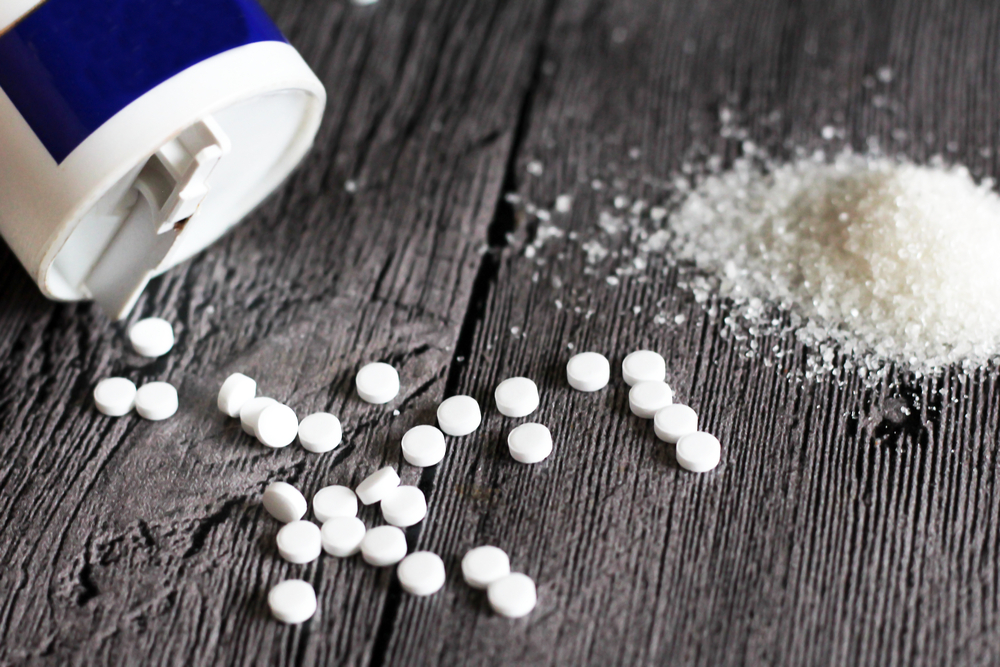
Many diet sodas, sugar-free gums, and flavored waters contain aspartame, a common low-calorie sweetener that has been linked to migraines in certain individuals. Anecdotal evidence and clinical reports indicate that aspartame may alter brain chemistry in vulnerable people, though research is still ongoing. Try to stay away from aspartame and use natural sweeteners like stevia or monk fruit if you think there may be a connection.
11. Nuts and Peanut Butter
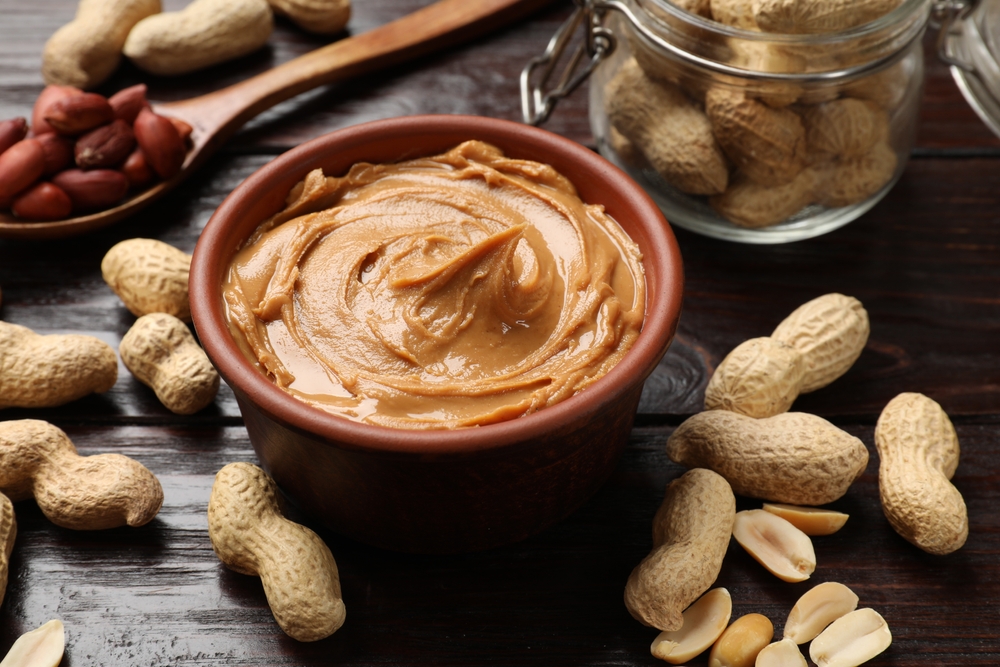
Phenylalanine, a substance found in nuts and nut-based products, may change brain neurotransmitters in a way that causes migraines. Although these foods are generally good sources of fat and protein, sensitive people may have issues with them. Among the most frequently mentioned triggers are cashews, peanuts, walnuts, and almonds. Consider using seeds like pumpkin or sunflower instead if you think there might be a reaction.
12. Dried Fruits

Although they are convenient and high in nutrients, dried fruits—such as raisins, apricots, figs, and prunes—also contain concentrated amounts of tyramine and are frequently preserved with sulfites. Some people are known to get migraines from both of these substances. Sensitive people may experience symptoms even from small doses of dried fruit. Limiting portion sizes and selecting unsulfured varieties may help lower the risk.
How to Identify and Manage Your Personal Triggers?

Not everyone will experience the same reactions to the same foods because migraine triggers are very personal. Experts advise maintaining a thorough migraine journal in which you note your meals, snacks, water intake, sleeping habits, and the onset of migraines. This can eventually aid in spotting recurring trends. Instead of adhering to a strict “migraine diet,” which hasn’t been shown to work in extensive research, medical professionals suggest concentrating on avoiding known personal triggers, eating frequently, and drinking plenty of water.
See a neurologist or registered dietitian if you still have frequent migraines. These experts can offer tailored advice and assist you in developing a diet that promotes general well-being and lowers your risk of migraine attacks.
Although there are many possible migraine triggers, food can have a big impact for some people. Caffeine, alcohol, MSG, aged cheese, processed meats, artificial sweeteners, and foods high in tyramine are common triggers. You can take proactive measures to reduce migraine attacks and enhance your overall health by learning more about your eating habits and how they relate to your migraine patterns.