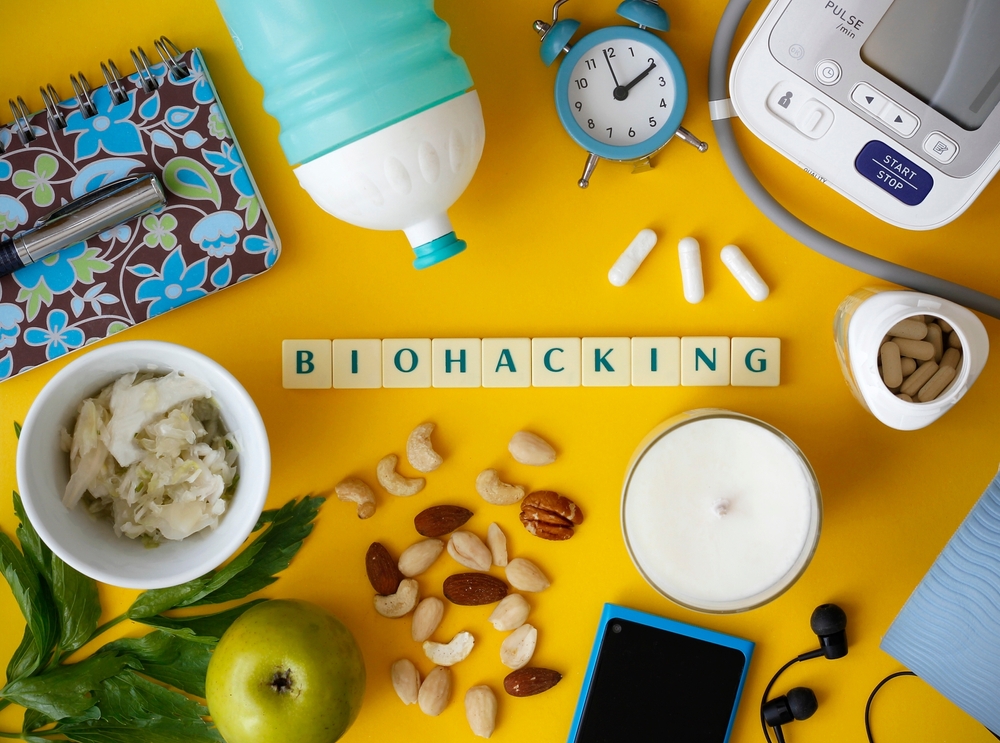
In the evolving landscape of 2026, we’ve come to realize that a one-hour workout cannot undo 23 hours of physiological neglect. While lifting weights or running builds the “machinery” of the body, bio-hacking is the software that optimizes how that machinery runs. By focusing on these systemic habits, you aren’t just getting fit; you are fundamentally altering your cellular health, hormone balance, and longevity.
Here are 12 bio-hacking habits that provide a higher return on investment than your actual workout.
1. Early Morning Sunlight (Circadian Reset)
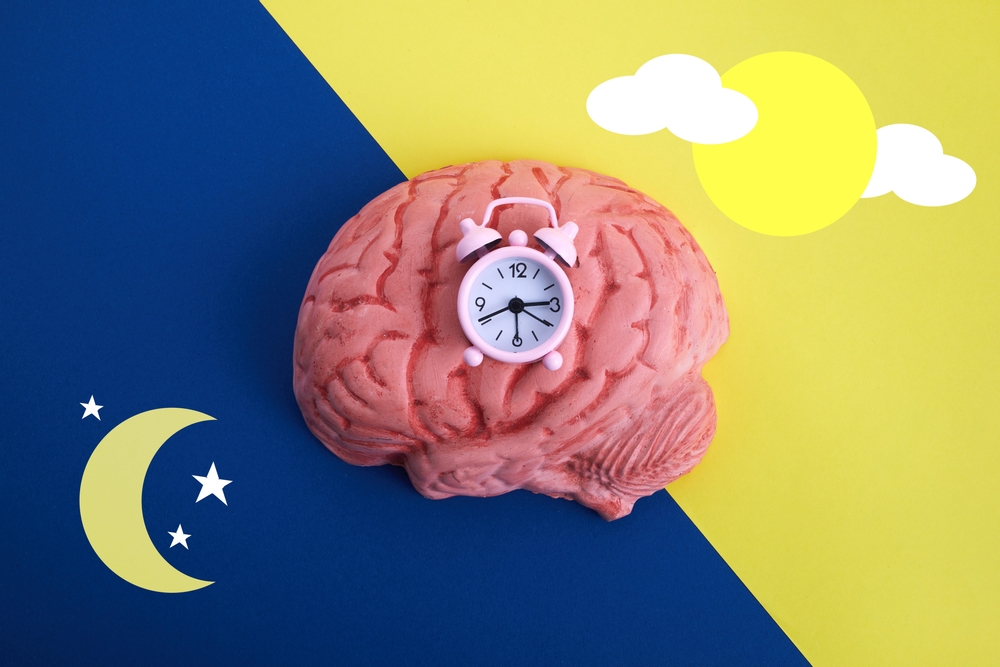
Getting natural light into your eyes shortly after waking is the single most important lever for your biological clock. When photons hit the melanopsin ganglion cells in your retina, they send a direct signal to the Suprachiasmatic Nucleus (SCN) in your brain. This tells your body to stop producing melatonin and start a timed release of cortisol, which provides energy and focus. Furthermore, this morning light exposure sets the timer for your sleep cycle 16 hours later, ensuring that your body naturally winds down when the sun goes down. Without this “anchor,” your sleep-wake cycle becomes fragmented, leading to chronic fatigue regardless of how much you exercise.
2. Strategic Food Sequencing

The order in which you consume food during a single meal can drastically change your metabolic response. Scientific research into “glucose spiking” has revealed that eating fiber (vegetables) first, followed by proteins and fats, and leaving complex carbohydrates or sugars for the end of the meal creates a “mesh” in the small intestine. This mesh slows down the absorption of glucose into the bloodstream, preventing the massive insulin spikes that lead to systemic inflammation, afternoon energy crashes, and long-term insulin resistance. By simply changing the order of your fork hits, you can enjoy the same calories while significantly reducing their metabolic “cost.”
3. Mouth Taping for Oxygen Efficiency

It sounds strange, but taping your mouth shut with a small strip of medical tape at night is a powerful tool for respiratory health. Nasal breathing filters, warms, and humidifies the air, but more importantly, it increases the production of nitric oxide—a vasodilator that helps improve blood flow and oxygen delivery to your cells. Mouth breathing during sleep is linked to sleep apnea, dental issues, and a “stressed” nervous system. By forcing nasal breathing through mouth taping, you ensure that your body remains in a deep parasympathetic (rest and digest) state throughout the night, allowing for much deeper muscle and brain tissue repair.
4. Cold Thermogenesis (The 30-Second Rule)

Exposing your body to cold water isn’t just about mental toughness; it’s a metabolic “cheat code.” Cold exposure activates brown adipose tissue (BAT), which, unlike standard white fat, actually burns energy to generate heat. This process increases your metabolic rate and improves insulin sensitivity. Additionally, the “cold shock” response triggers a massive release of norepinephrine and dopamine, which can improve mood and cognitive function for several hours. Ending your daily shower with a blast of cold water serves as a “vascular flush,” constricting and then dilating your blood vessels to move nutrients and waste products more efficiently through your system.
5. Vagus Nerve Stimulation

The Vagus nerve is the primary component of the parasympathetic nervous system, acting as a two-way radio between your brain and your internal organs. When the Vagus nerve has high “tone,” your body can transition from a state of stress to a state of recovery almost instantly. You can stimulate this nerve through physical vibrations in the throat—such as humming, chanting, or vigorous gargling—or through deep, slow diaphragmatic breathing. A well-toned Vagus nerve lowers your resting heart rate and improves your Heart Rate Variability (HRV), which is the gold-standard metric for measuring how well your body is recovering from physical and mental strain.
6. Non-Sleep Deep Rest (NSDR)

Modern neuroscience, championed by figures like Dr. Andrew Huberman, has highlighted NSDR as a way to “recharge” the brain’s battery without needing a full sleep cycle. By using guided protocols like Yoga Nidra, you can bring your brain into an alpha-theta wave state, which is the border between wakefulness and sleep. This practice helps to replenish the neuromodulator dopamine in the basal ganglia, the part of the brain responsible for movement and motivation. For many, a 20-minute NSDR session in the afternoon is more restorative than a caffeine hit or a nap, as it reduces the “neural load” and resets your ability to focus for the rest of the day.
7. Digital Sunset (Blue Light Management)

As evening approaches, the “blue” spectrum of light found in LED bulbs and smartphone screens becomes a biological toxin. It signals to the brain that it is high noon, which suppresses the release of melatonin, the hormone responsible for cleaning out cellular debris during sleep. Implementing a “digital sunset”—where you dim the lights and put away screens two hours before bed—allows your brain to enter its natural wind-down phase. If you must use screens, wearing amber-tinted blue-light-blocking glasses can help mitigate the damage, ensuring that when your head hits the pillow, your brain is actually ready to perform the deep-sleep “wash” of your glymphatic system.
8. Grounding (Earthing)

The Earth carries a subtle negative electrical charge. Because modern humans wear rubber-soled shoes and live in elevated buildings, we are largely disconnected from this electrical source. Grounding, or walking barefoot on the Earth, allows for the transfer of electrons from the ground into the body. These electrons act as natural antioxidants, neutralizing free radicals that contribute to chronic inflammation. Research suggests that grounding can thin the blood, reducing its viscosity and improving cardiovascular health. Spending just ten minutes with your feet in the grass can lower your stress hormones and help synchronize your body’s internal electrical environment.
9. Intermittent Fasting & Autophagy
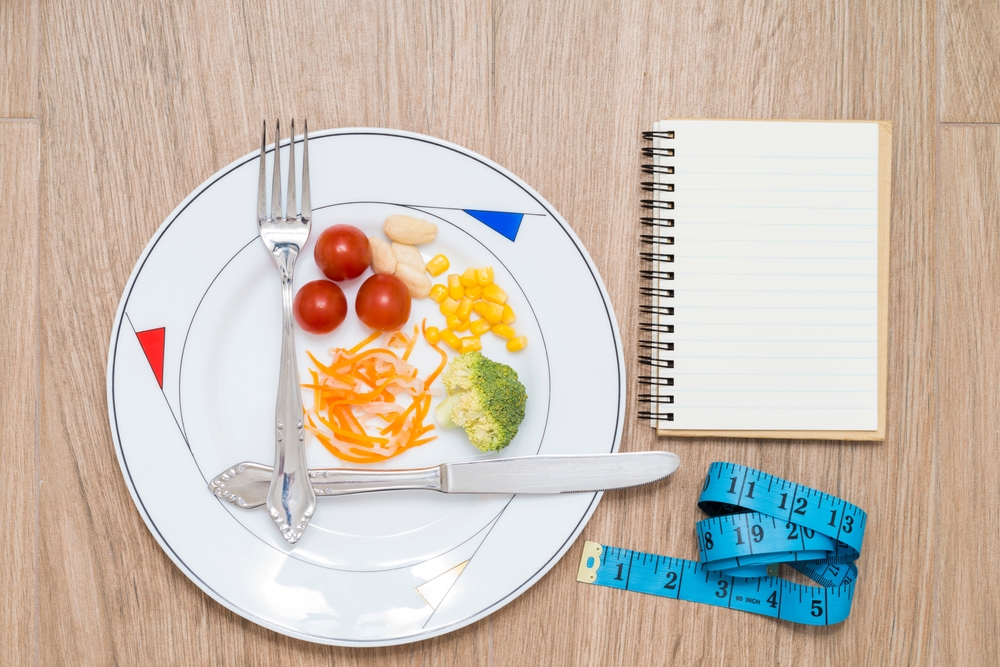
Beyond weight loss, the primary benefit of intermittent fasting is a process called autophagy, or “self-eating.” When the body goes without food for an extended period (typically 14 to 16 hours), it begins a cellular cleanup, identifying and breaking down old, dysfunctional proteins and organelles. This “cellular recycling” is essential for preventing neurodegenerative diseases and slowing the aging process. By restricting your eating window, you also allow your insulin levels to drop low enough for long enough to access stored body fat for energy, which improves your “metabolic flexibility”—the ability to switch between burning sugar and burning fat with ease.
10. Magnesium Loading
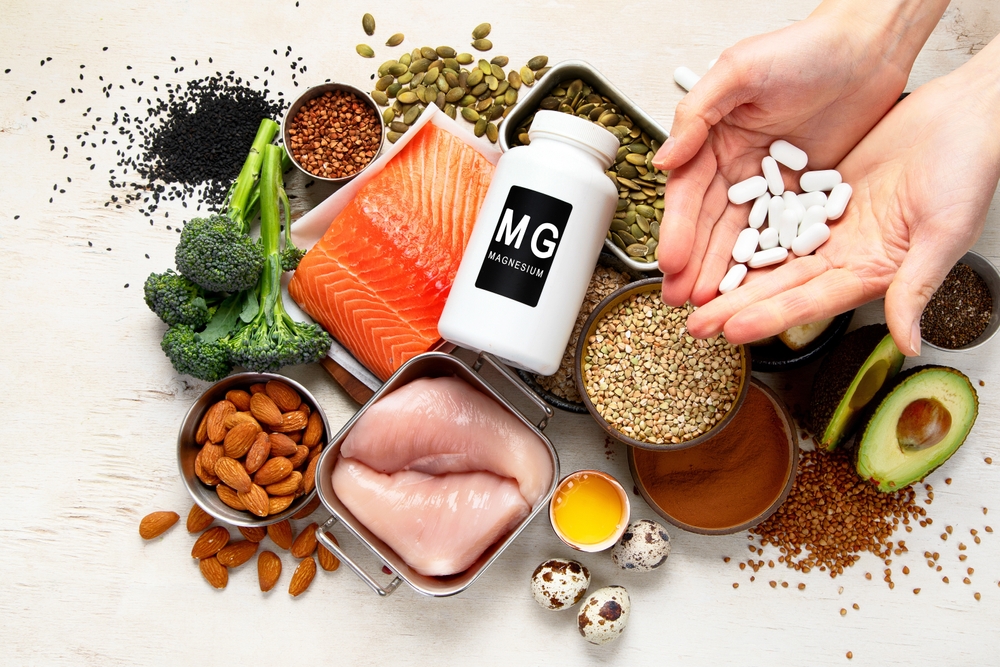
Magnesium is involved in over 300 enzymatic reactions in the human body, yet a vast majority of the population is deficient due to soil depletion and high-stress lifestyles. Magnesium is the “master relaxer”; it helps regulate the nervous system, prevents muscle cramping, and is essential for the synthesis of ATP, the body’s primary energy currency. Taking a bioavailable form like Magnesium Glycinate or Malate can improve sleep quality, reduce anxiety, and accelerate muscle recovery. Because the body uses up magnesium rapidly during exercise and stress, supplementing it is often more impactful for performance than any “pre-workout” powder.
11. Forest Bathing (Phytoncides)

The Japanese practice of Shinrin-yoku, or forest bathing, is now backed by robust biological data. Trees and plants emit airborne chemicals called phytoncides to protect themselves from rotting and insects. When humans breathe in these chemicals, our bodies respond by increasing the activity and number of “Natural Killer” (NK) cells, a type of white blood cell that targets virally infected cells and tumor cells. Beyond the immune boost, the visual “fractals” found in nature have been shown to reduce cortisol levels by up to 12%. Moving your movement outdoors isn’t just a change of scenery; it’s an active pharmacological treatment for your immune system.
12. Social Connection & Oxytocin

We often view health through the lens of individual metrics, but human biology is deeply social. Positive social interaction releases oxytocin, a hormone that acts as a natural cardioprotectant by lowering blood pressure and reducing the production of the stress hormone cortisol. Conversely, chronic loneliness triggers a “threat response” in the body, leading to increased inflammation and a weakened immune system. Building a “tribe” and engaging in deep, meaningful conversations provides a safety signal to your nervous system that no amount of treadmill time can replicate. Your relationships are, quite literally, a vital organ for your survival.
Your body is an integrated system, not a collection of parts. While a workout is a necessary “stressor” that prompts growth, these bio-hacking habits provide the environment that allows that growth to happen. By optimizing your light, your breath, and your recovery, you ensure that your hard work in the gym actually yields the results you deserve.