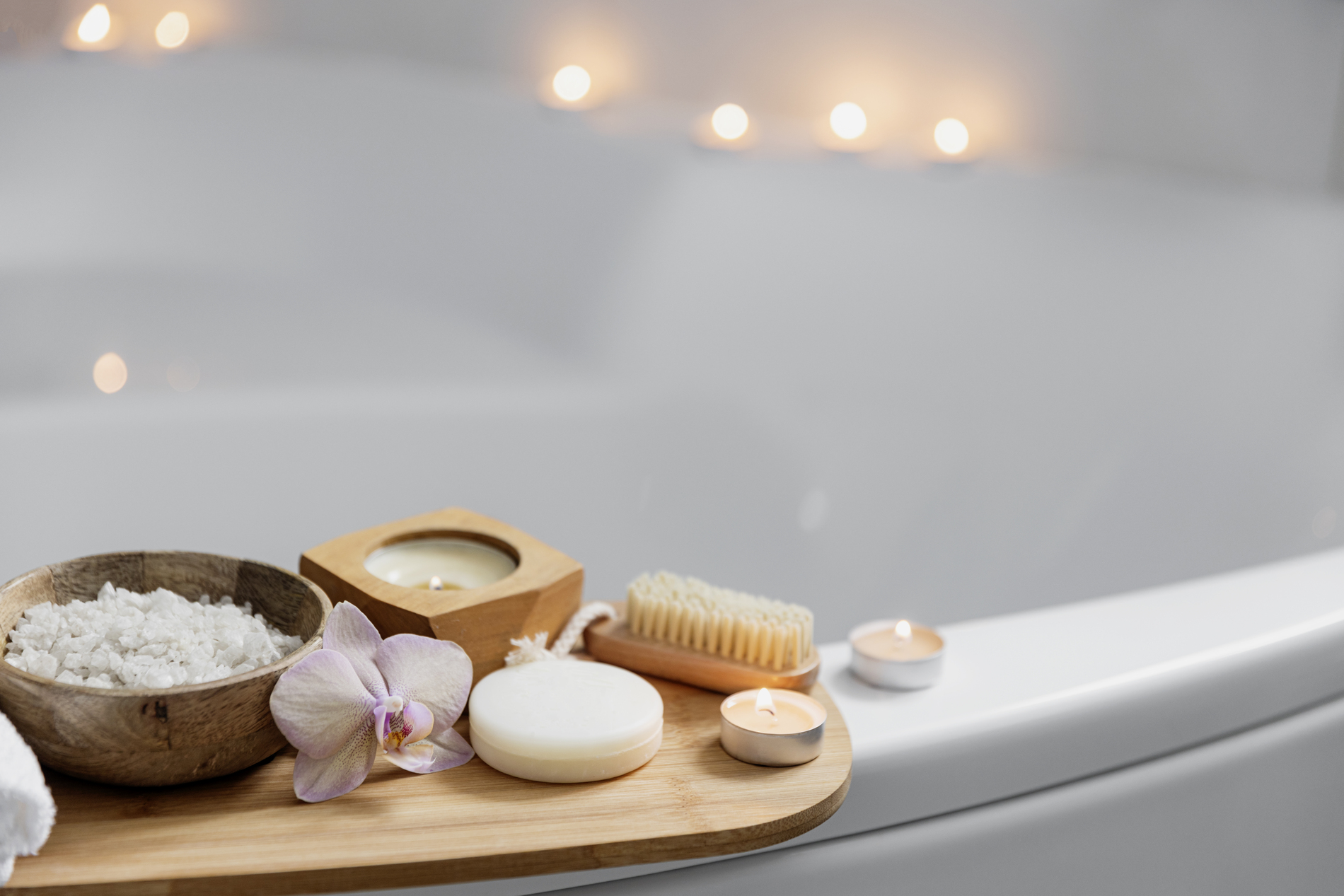
Nothing relieves tense muscles, reduces stress, and encourages self-care like a warm bath. A simple soak can actually do more than just help you unwind; it may also help you sleep better, reduce inflammation, and give your skin some much-needed attention. However, it’s important to understand that not all bath accessories are as helpful as they seem before you start throwing expensive bath bombs or essential oils into your tub.
While some ingredients may cause irritation, dryness, or even an increased risk of UTIs, others can transform your bath into a skin-loving paradise. Here are 11 well-liked additions to your bath routine that have been rated as either the best or the worst based on professional recommendations and research-proven results.
1. Best: Epsom Salt
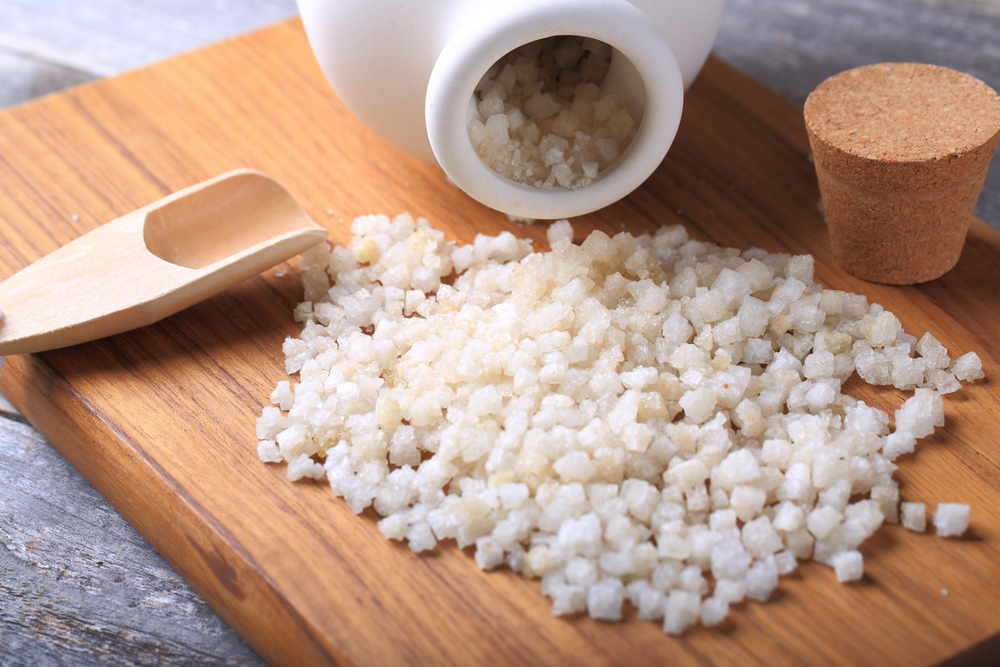
The traditional choice, and with good reason. Epsom salt is a magnesium sulfate-based mineral compound that relieves stress, joint stiffness, and muscle soreness. Simply mix 1¼ cups with warm water and allow the magnesium to do its magic.
For general relaxation or post-workout recovery, experts like Dr. Raphael Kellman suggest it. You should forego this soak until your skin heals if you have open wounds, a rash, irritated skin, or an infection.
2. Worst: Bath Bombs

They smell amazing, sparkle, and fizz, but they can seriously damage your skin and private parts. Artificial fragrances, dyes, and glitter found in many bath bombs can trigger allergic reactions, irritate sensitive skin, or alter the pH of the vagina, raising the risk of infection.
Even substances like hydrogen peroxide, which is occasionally present in bath bombs, can throw off the skin’s natural equilibrium. You should avoid these bath treats if you have dry skin, eczema, or are prone to UTIs.
3. Best: Lavender Oil
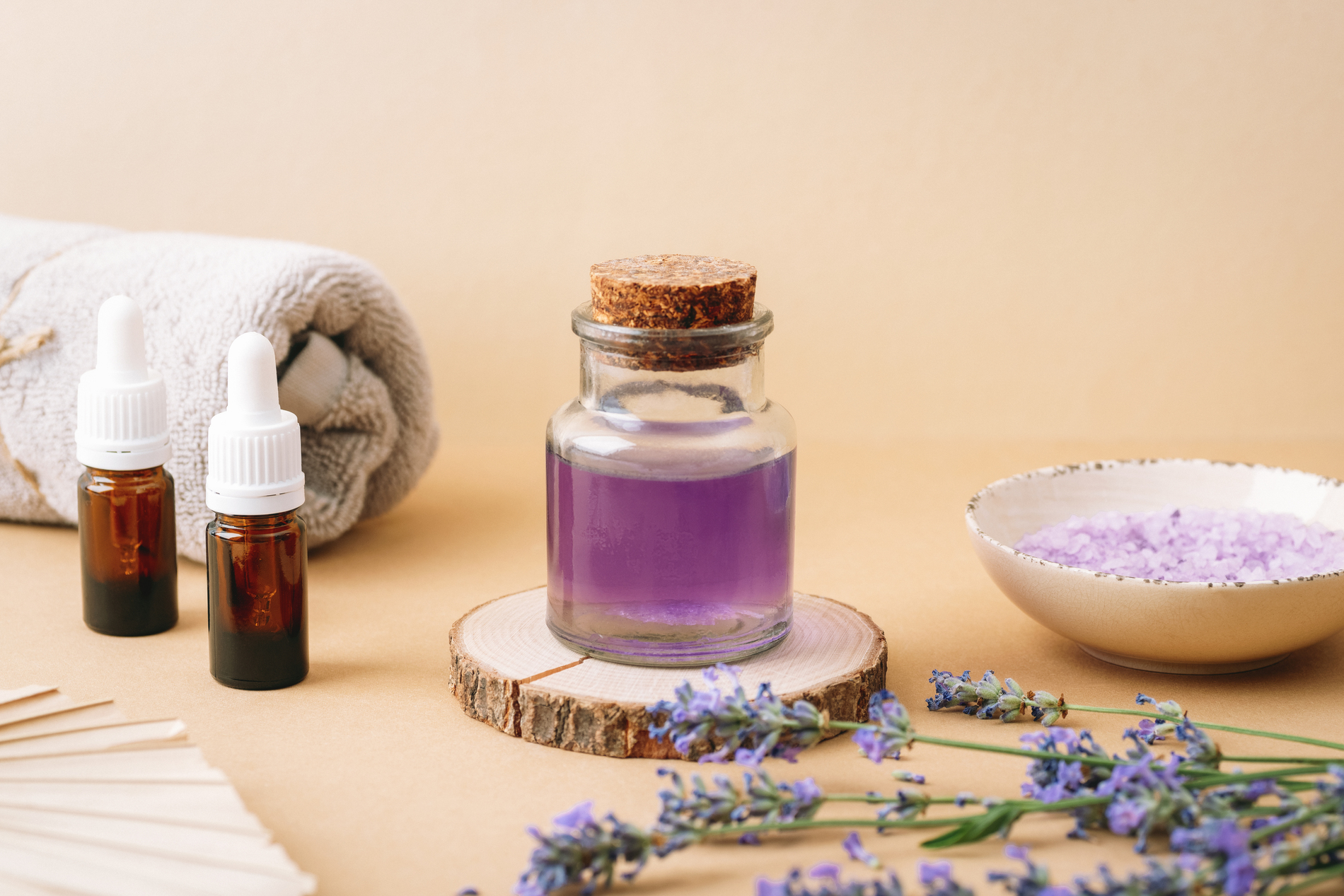
Want to relax before going to bed? A few drops of diluted lavender oil can aid in your physical and mental relaxation. When combined with a carrier oil, such as coconut or jojoba, it’s one of the few essential oils that are deemed safe for use in baths.
According to some preliminary studies, lavender may even encourage the production of collagen and the healing of wounds. For a soothing, skin-friendly experience, use about 25 drops of lavender essential oil for every 15 milliliters of carrier oil in your bath.
4. Worst: Tea Tree Oil

Tea tree oil isn’t the best choice for bath time, despite its reputation as an antibacterial and antifungal. Because it floats on the surface and doesn’t mix well with water, it may come into direct contact with skin, which is where problems begin.
Tea tree oil can cause contact dermatitis or allergic reactions, especially in people with sensitive skin. It can be too harsh for a soak, even when diluted. Don’t use it for full-body baths; save it for spot treatments.
5. Best: Baking Soda
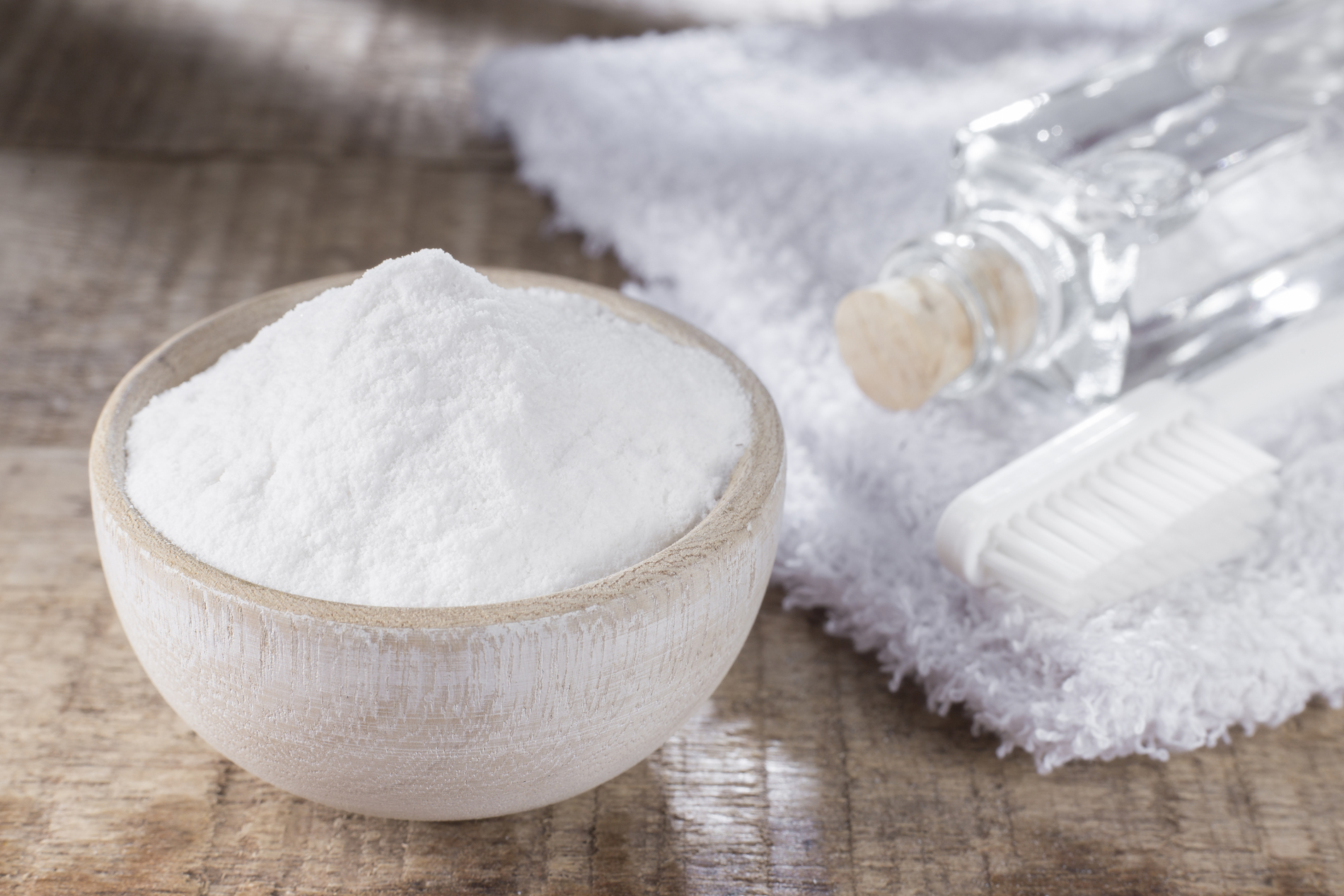
Do you have skin irritation? Baking soda is a mild yet efficient method of reducing irritation, particularly for those with eczema or small rashes. A quarter cup of baking soda in the bathtub can help reduce inflammation, balance the pH of the skin, and even eliminate smells.
A tiny quantity (roughly two tablespoons) can also be added to an infant’s bath to help relieve diaper rash. Just use caution if you have extremely sensitive skin, as some people may still experience mild dryness.
6. Worst: Bubble Bath
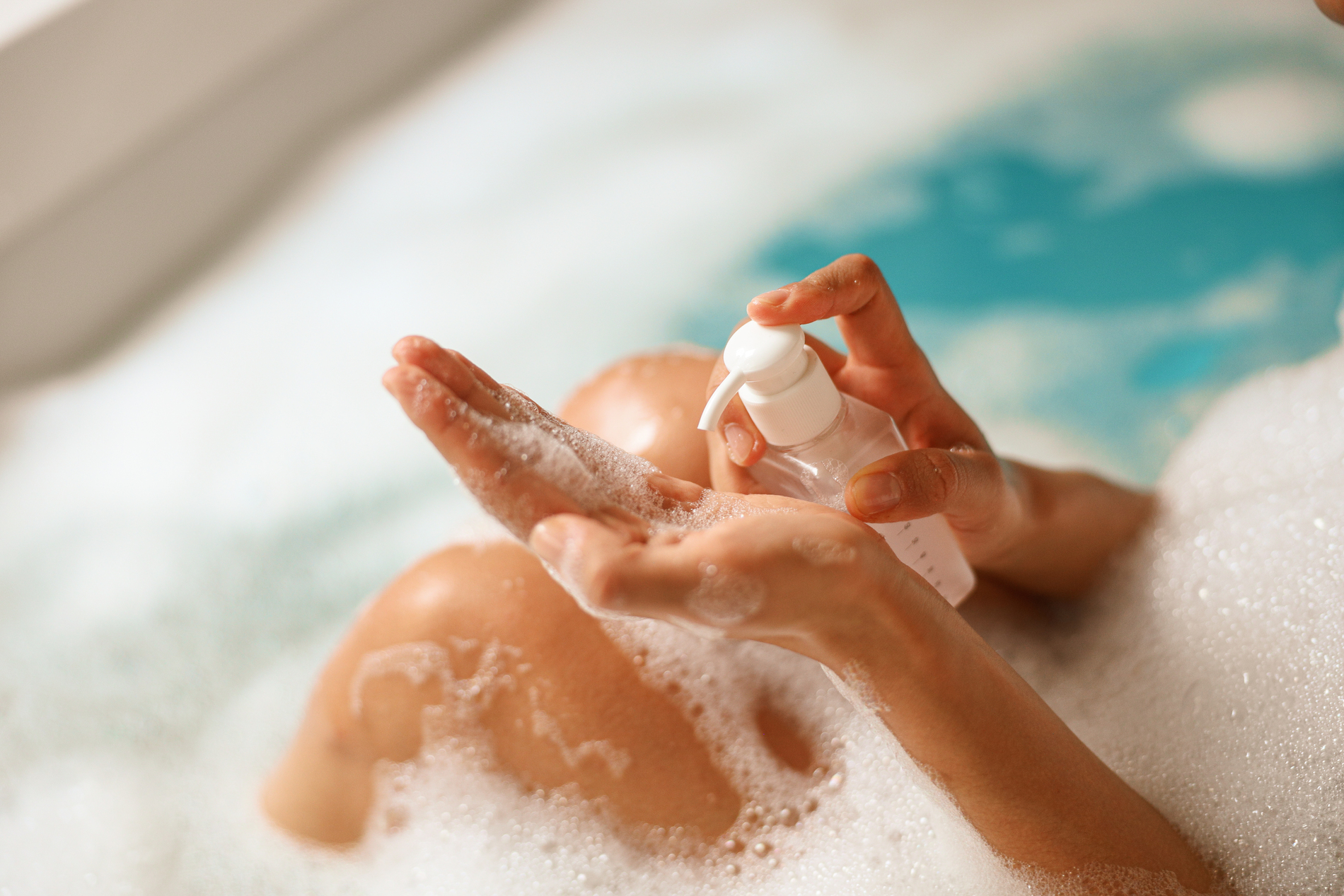
Although bubbles are entertaining, traditional bubble baths are frequently filled with harsh foaming agents, artificial fragrances, and dyes that can irritate your skin or worse, cause infections.
Choose milder substitutes instead, such as body washes without fragrance. For a bubbly yet secure experience, dermatologists recommend La Roche-Posay Lipikar Wash, Vanicream Gentle Body Wash, and Honest Fragrance-Free Bubble Bath.
7. Best: Olive Oil
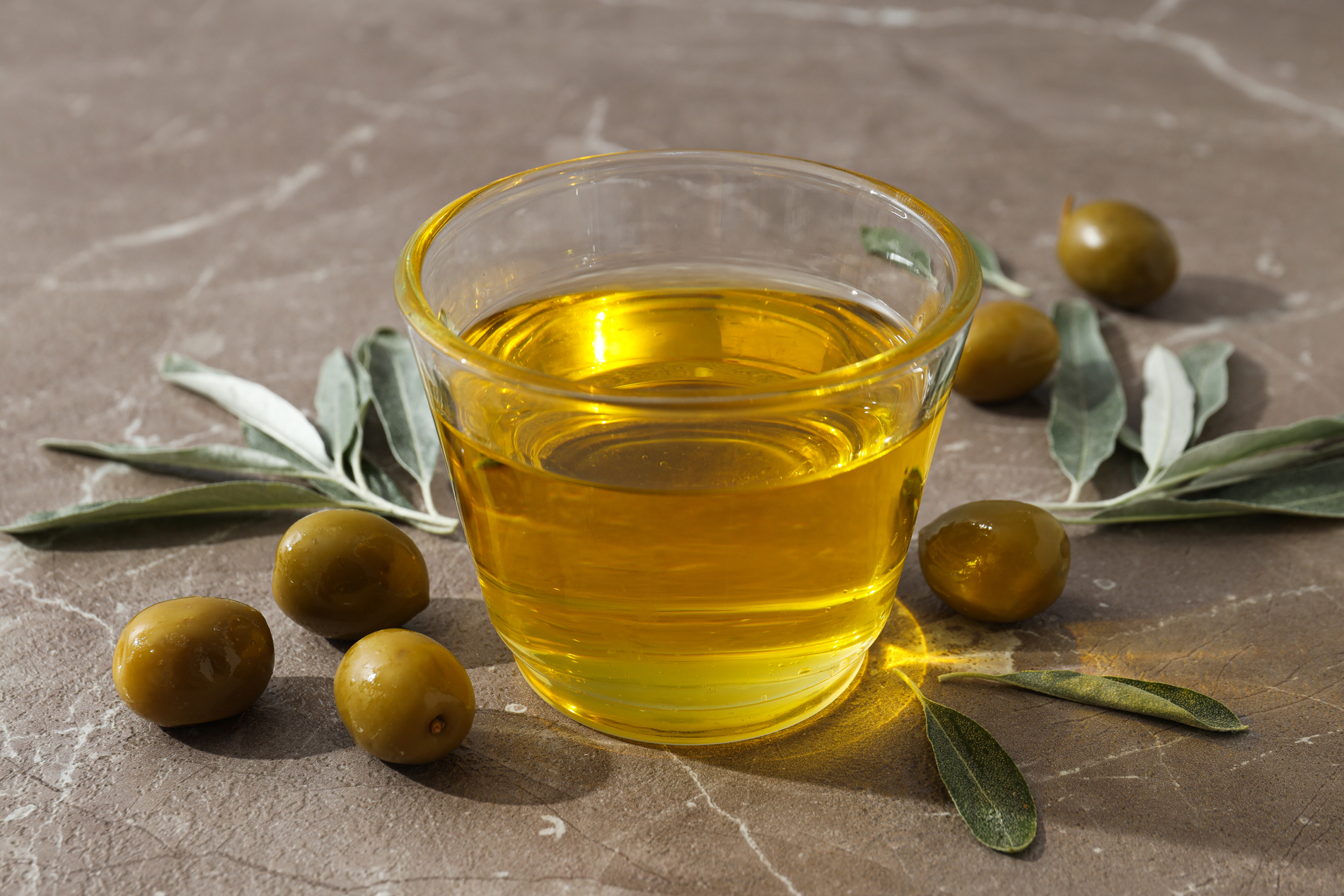
After taking a bath, olive oil might become your new best friend if your skin feels tight and dry. It can help seal in moisture and calm irritated skin because it is high in antioxidants and good fats. Before getting in, you can massage some olive oil on your body or pour up to a cup into the tub.
Avoid putting it directly on areas that frequently break out and keep the amount to a few tablespoons for skin prone to acne. Additionally, be aware that oil in the tub can cause slick surfaces, so carefully exit the tub and clean it afterwards.
8. Worst: Coconut Oil
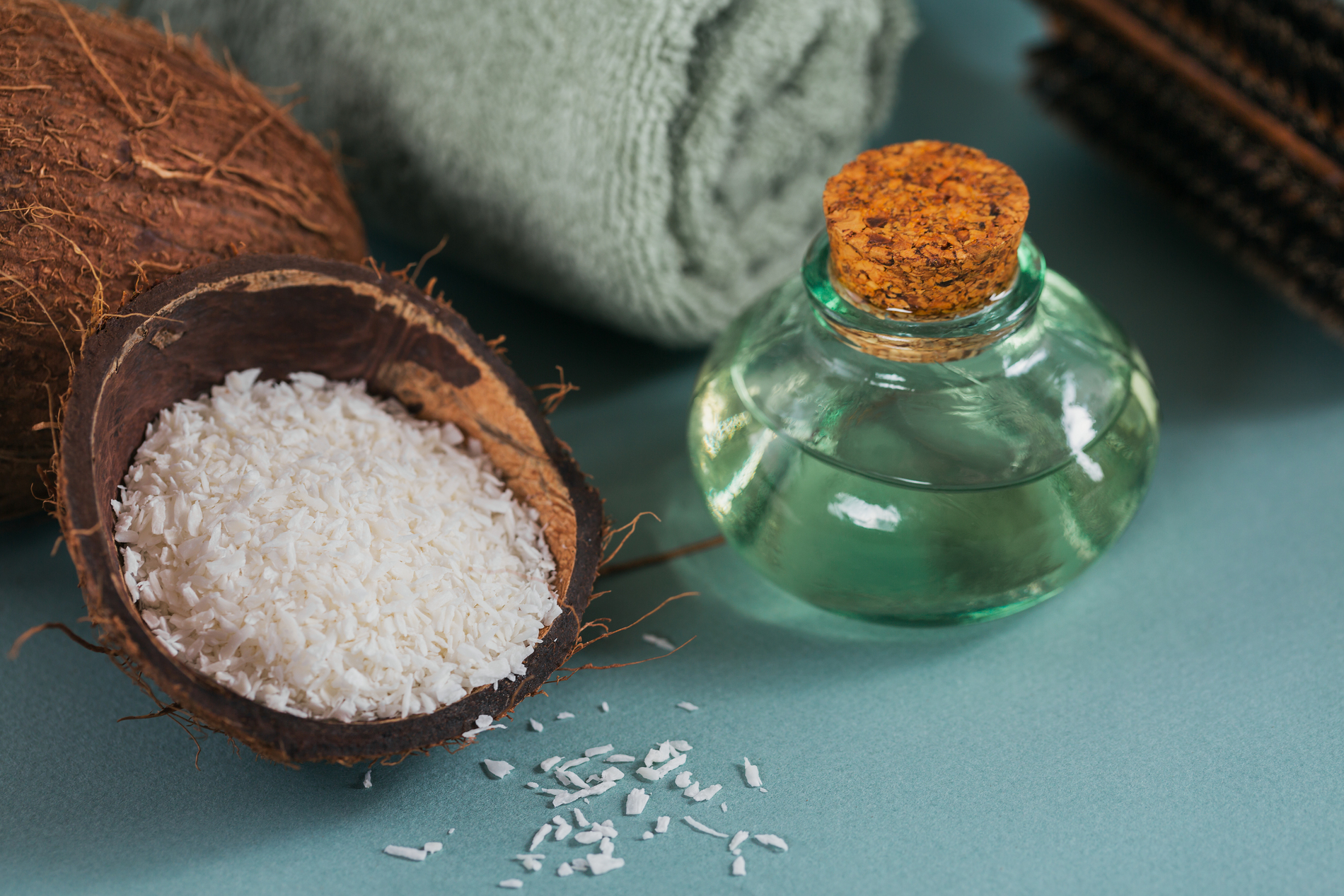
Although coconut oil is frequently commended for its moisturizing properties, it is not always safe to use in the bathtub, particularly for people with oily or acne-prone skin. It can clog pores and cause breakouts because it is highly comedogenic.
Olive oil is a safer and less pore-clogging option when it comes to moisturizing bath oils.
9. Best: Oats

A dermatologist-recommended treatment for itchy, irritated, or eczema-prone skin, oatmeal baths aren’t just for kids with chickenpox. Oats’ inherent anti-inflammatory and antioxidant qualities help to reduce skin irritation and increase skin hydration.
To avoid a mess, you can either put 1 to 1½ cups of oats in a mesh bag or pantyhose, or you can just throw them straight into the tub. An easy, skin-friendly substitute is Aveeno’s Soothing Bath Treatment with colloidal oatmeal.
10. Worst: Too-Hot Water

Although it’s not an add-on, it’s important to remember that hot water can deplete your skin’s natural oils, leading to dryness, irritation, and even harm to the skin’s protective layer. Additionally, it can make rosacea and eczema worse.
For a therapeutic soak without the negative effects, use warm water (about 98°F to 104°F), not boiling water.
11. Best: Milk
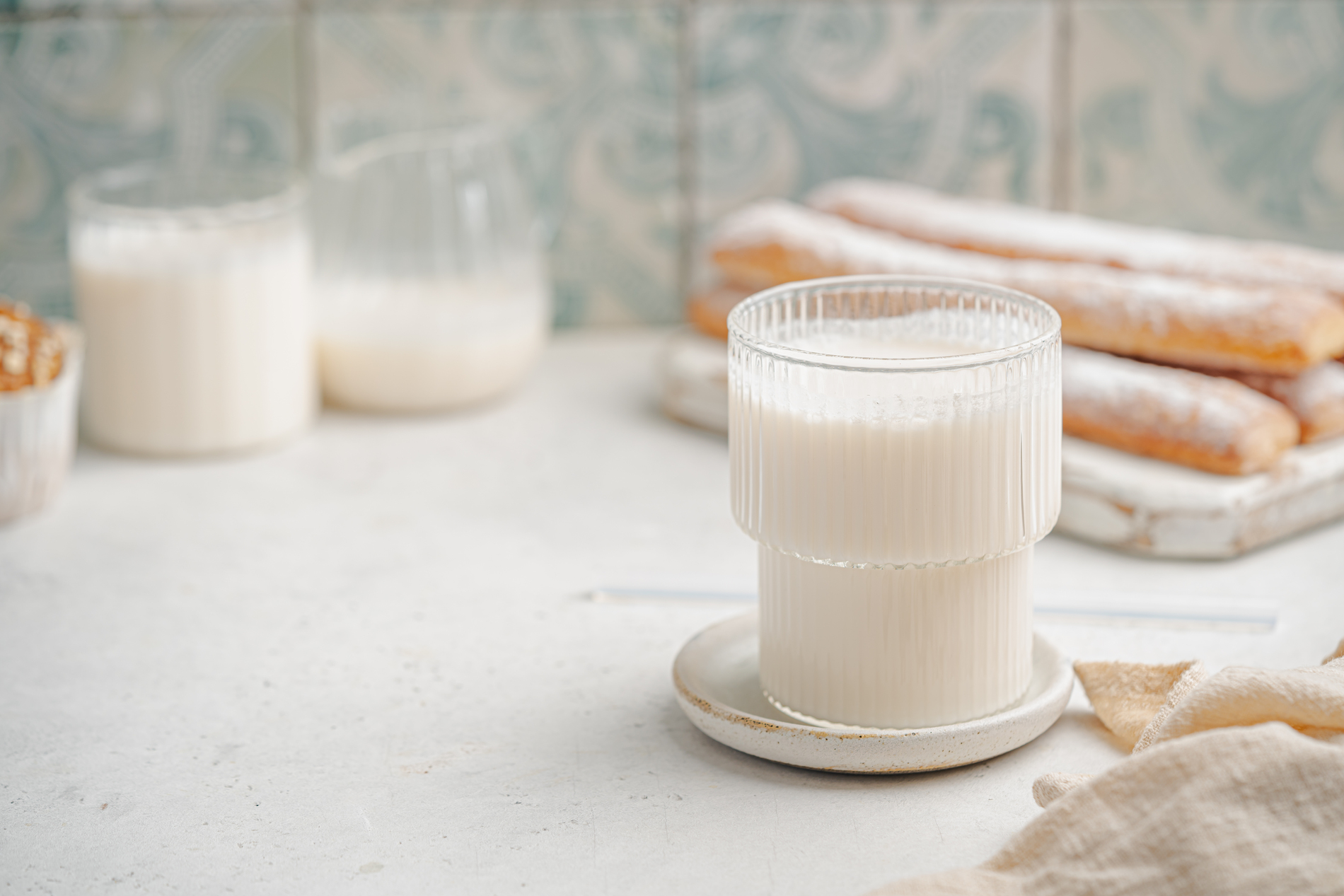
For soft, radiant skin, add milk to your bath and embrace your inner Cleopatra. Milk’s fats aid in moisturizing, and its lactic acid gently exfoliates. To make your bath feel like a spa, add one to two cups of whole milk or powdered milk.
See your dermatologist first if you have sensitive skin or a milk allergy. You may also want to look into plant-based milk alternatives, such as oat milk, which is milder but still effective.