
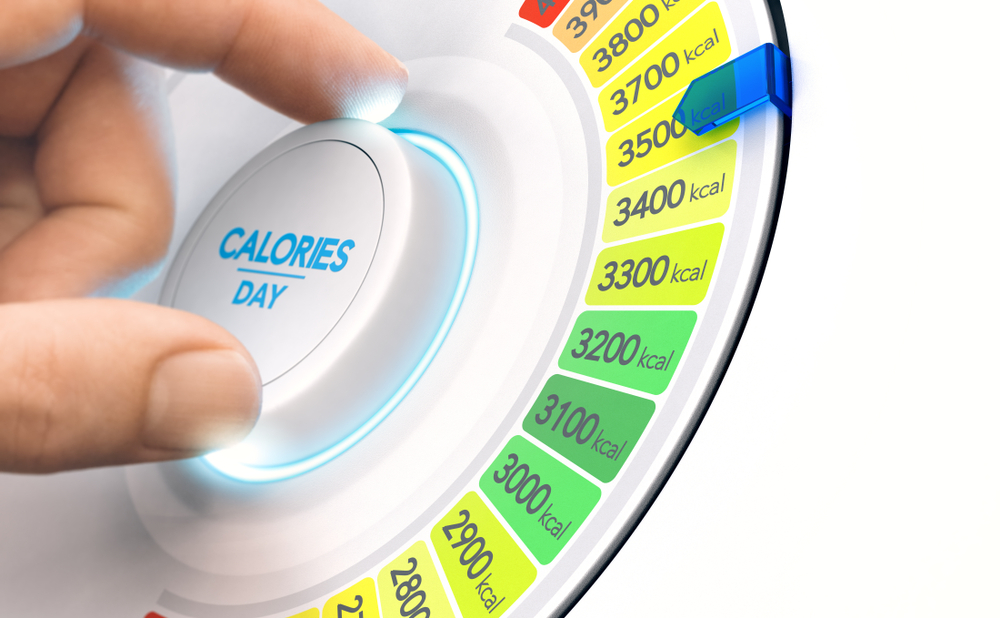
If you’ve ever wandered through fitness forums or chatted with avid gym-goers, you may have stumbled across the idea of eating 5,000 calories a day. Sounds wild, right? For most people, it is. In fact, this eating style falls under the umbrella of fad diets—those quick-results plans that often don’t last and may not be the most supportive for your long-term health. Before you consider any major dietary overhaul, it’s always wise to check in with a healthcare provider.
So why does this mega-calorie approach exist at all—and who, if anyone, actually benefits from it?
What Exactly Is the 5,000-Calorie Mass Diet?
Consider the 5,000-calorie diet not as a general eating plan but as a specific tactic. According to registered dietitian Staci Gulbin, RDN, this high-energy approach is typically used by bodybuilders and certain athletes who are actively trying to build substantial muscle mass.
Those who follow it typically only do so for a brief period of time, usually a few months, when they aren’t preparing for a competition. The aim is to gain muscle while avoiding excessive fat accumulation, a tricky balance that requires both smart nutrition and consistent resistance training.
To reach the calorie surplus needed for rapid muscle growth, some athletes boost their intake by 10–20% above what they’d normally need. That can include eating anywhere from 1.6 to 2.2 grams of protein per kilogram of body weight each day, plus a moderate amount of fat and plenty of carbohydrates to round out the energy load.
The problem is that those extra calories are more likely to be converted to fat than muscle if the appropriate exercises aren’t done to match this increased intake.
The Potential Risks Behind the Massive Calorie Bump
Eating far more than your body needs doesn’t come without possible drawbacks. Some of the biggest concerns include:
• Unintended fat gain:
Unless those extra calories are thoughtfully chosen and paired with consistent strength training, they can add up to unwanted body fat.
• Kidney strain from high protein intake:
There’s ongoing debate about whether a high-protein diet can harm healthy kidneys. For individuals who already have kidney issues, though, the added stress may be more concerning.
• Heart health concerns from certain protein sources:
Relying heavily on red or processed meats for protein can increase the risk of chronic conditions like heart disease, type 2 diabetes, and stroke.
• Digestive discomfort:
High-fat, high-volume eating can slow digestion and cause bloating, gas, or even diarrhea. Those who already deal with digestive issues may notice symptoms worsen on a diet this extreme.
Who Might Benefit—And Who Should Steer Clear
A 5,000-calorie diet isn’t designed for the average person. It’s typically reserved for:
-
Bodybuilders looking to make significant muscle gains
-
Endurance athletes, such as swimmers or runners who rely on carb-loading before major events
-
Beginner bodybuilders, who tend to respond more rapidly to increased calories compared to seasoned athletes
Even for these groups, guidance from a dietitian or healthcare provider is essential, especially for anyone with health concerns like diabetes, high blood pressure, heart disease, kidney issues, or chronic digestive problems.
Everyone’s body is different, and factors like age, activity level, and health status play a big role in determining what “enough fuel” looks like. There’s no one-size-fits-all number—not even 5,000 calories.
A 5,000-calorie mass diet definitely has a purpose, but it’s a very specific one. Although it can help some athletes gain muscle quickly, there are serious risks associated with it, such as unintended weight gain and possible digestive or cardiovascular issues.
If you’re considering any dramatic shift in your eating habits, especially one as intense as this, don’t go it alone. Talk with a doctor or registered dietitian who can help you figure out what’s safe, sustainable, and genuinely helpful for your body and goals.
Any fad diet is always defeated in the long run by sensible, balanced nutrition combined with a strong exercise regimen.