
You’re not alone if you’ve ever set a high fitness goal only to give up midway through. When their goals are too ambitious or unclear, many people lose hope even though they started with the best of intentions. The good news? Being physically fit doesn’t have to be intimidating. You’ll maintain consistency and have fun along the way if you set reasonable, achievable goals.
Using the SMART method—specific, measurable, achievable, relevant, and timely goals—is the key. To remind you to connect with how you’ll feel after you succeed (confident, strong, proud!) Some trainers even add an “E” for emotion.
Are you prepared to set enduring goals? These ten fitness objectives, which have been approved by trainers, are doable, long-lasting, and ideal for maintaining motivation.
1. Commit to 12 Workouts a Month
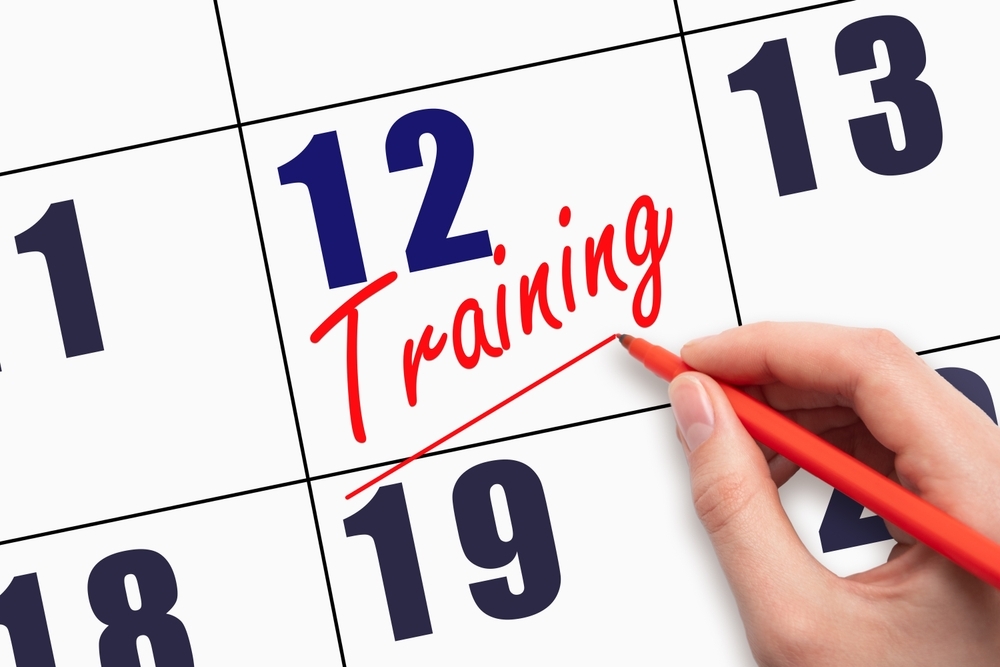
Start with three sessions per week—completely achievable—instead of aiming for “I’ll work out every day.” Notify friends and family, put them on your calendar, and set reminders. Before you know it, you’ll be working out 12 times a month. If you feel ready, you can then progressively increase the number of sessions.
2. Run a Mile Without Stopping in Six Weeks
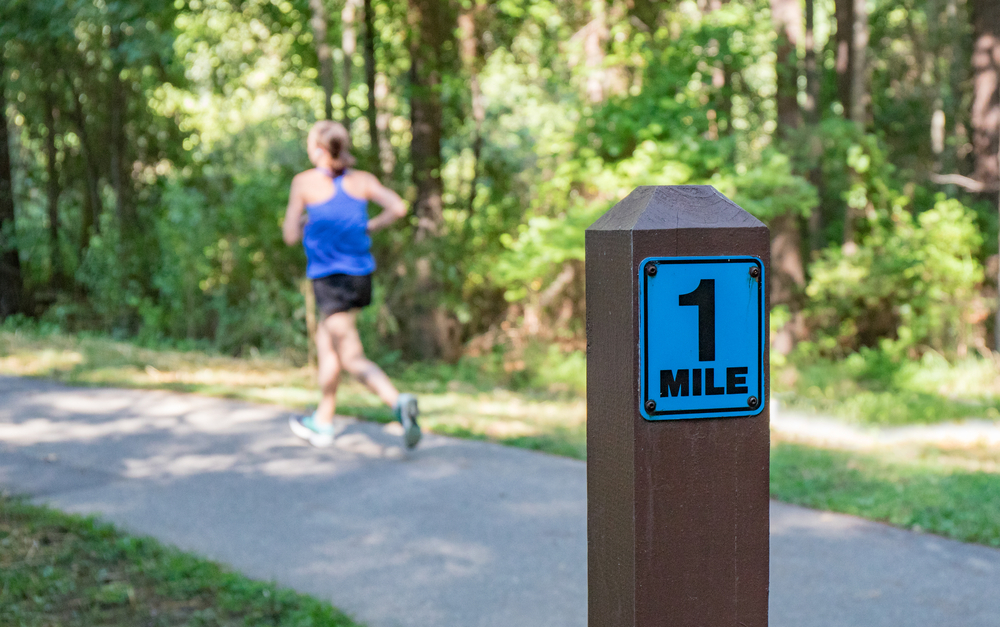
This is a fantastic place to start if running seems scary. Build up gradually by starting with short intervals, such as running a quarter mile, then a half. Monitor your progress and establish small mental benchmarks, such as finishing a track on your playlist or running to the end of the block.
3. Try One New Workout Each Week

When you love what you’re doing, working out is much more enjoyable. Try yoga, boxing, cycling, or even a dance class. The secret to long-term consistency is to eventually find something you look forward to.
4. Average 10,000 Steps a Day Over a Month

Walking is very powerful but underappreciated. Aim for a monthly average rather than worrying about reaching 10,000 every day. In this manner, a longer weekend walk can counterbalance a hectic weekday.
5. Master a Push-Up Goal in 4–6 Weeks

Push-ups are a great way to increase your strength. Work your way up from modified versions, such as knee push-ups or incline push-ups. Establish a numerical objective, such as completing ten consecutive push-ups or your first proper push-up.
6. Dedicate 8 Rest Days Every Month

Days of rest are equally as vital as days of exercise. For muscles to become stronger and avoid injury, they require time to recover. While providing your body with the necessary respite, simple exercises like stretching or walking can still be considered active recovery.
7. Stretch for 15 Minutes After Workouts

Stretching maintains your body’s flexibility, speeds up healing, and guards against injuries. Hold each stretch for at least 15 to 30 seconds, and spend a few minutes concentrating on the muscles you just worked. Bonus: it’s a fantastic way to reduce stress.
8. Hold a Plank for One Minute in 30 Days

Planks support overall body stability, enhance posture, and strengthen your core. Until you can hold for a full minute, start with 20 to 30 seconds and add five seconds each session.
9. Drink 2–3 Liters of Water Daily

Hydration supports both your training and recuperation. Carrying a reusable water bottle and setting little goals, such as finishing a liter by lunchtime, are easy ways to stay on track. Throughout the day, you’ll feel more energized and less lethargic.
10. Train for a 5K in Three Months

Enroll in a 5K race approximately 12 weeks away if you’re seeking a more difficult challenge. A date on the calendar serves as excellent motivation, and training with a friend enhances the experience.
Why Setting Realistic Goals Matters?
When your objectives are realistic, you’ll:
- Remain inspired rather than disheartened.
- Keep a meaningful record of your progress.
- Set definite goals for yourself to achieve and celebrate.
- Create wholesome routines that endure well beyond a single obstacle or occasion.
To be “fit,” you don’t need to lift enormous weights, run a marathon, or work out every day. Setting attainable goals that complement your lifestyle and make you feel good is the first step toward making real progress. Begin modestly, maintain consistency, and allow each victory to motivate the next.