Navigating the world of medications can feel like learning a new language — there are rules, exceptions, and a lot of “wait, what?” moments. If you’ve been prescribed a monoamine oxidase inhibitor (MAOI) for depression or Parkinson’s disease, one of the first things you’ll probably hear is that certain foods are off-limits. The culprit? An amino acid called tyramine.
Don’t worry — this guide breaks everything down in a friendly, easy-to-digest way, so you can feel confident and informed while managing your diet and your health.
What Exactly Is Tyramine?
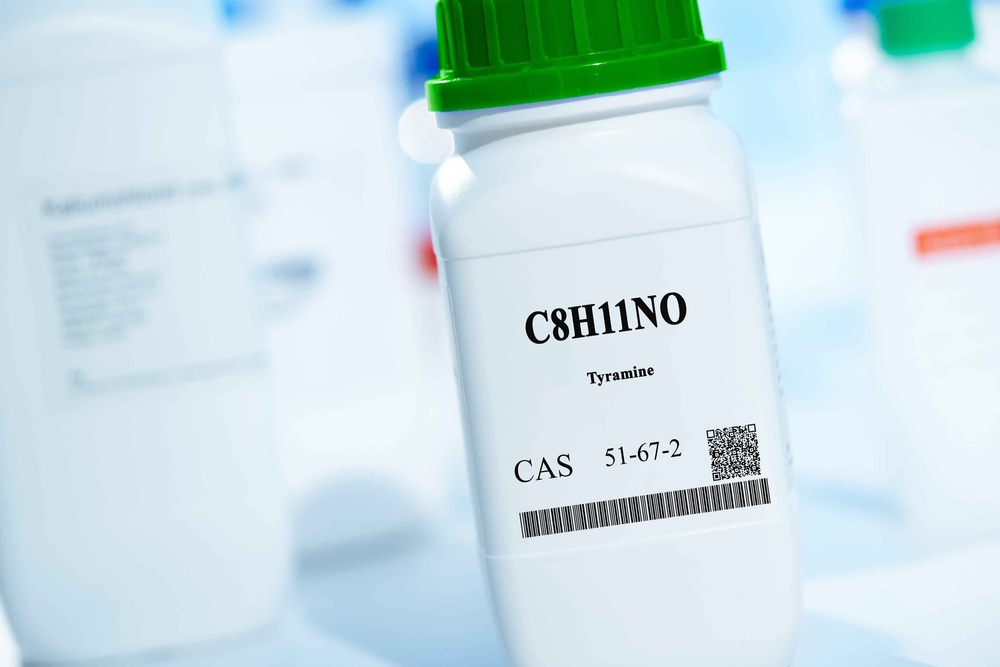
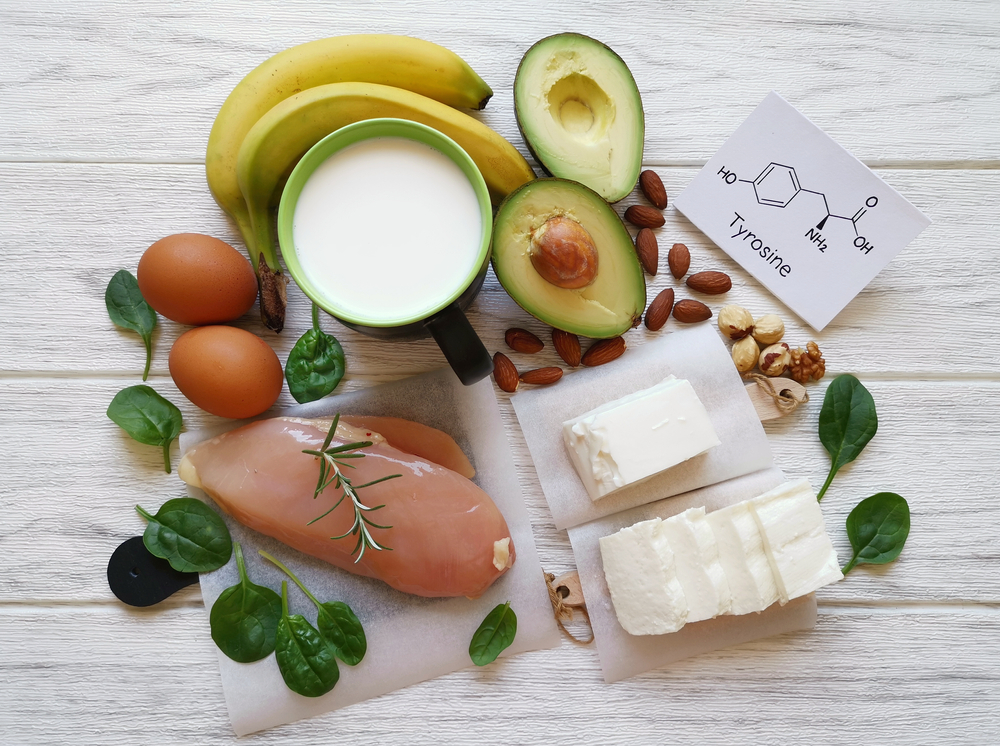
Tyramine is a naturally occurring amino acid that your body produces and you also take in from certain foods. Under normal circumstances, an enzyme called monoamine oxidase helps break down any excess tyramine so it doesn’t raise your blood pressure too much.
MAOIs work by blocking this very enzyme — which is helpful for maintaining healthy levels of neurotransmitters like dopamine and serotonin but not so helpful when it comes to tyramine. Without enough monoamine oxidase available, tyramine can build up in your system and cause sudden increases in blood pressure. That’s why watching your diet is such a big part of taking MAOIs safely.
Tyramine can also be a migraine trigger for some people, so even those not on MAOIs sometimes benefit from minimizing high-tyramine foods.
10 Foods High in Tyramine to Limit or Avoid on MAOIs
1. Aged and Strong Cheeses
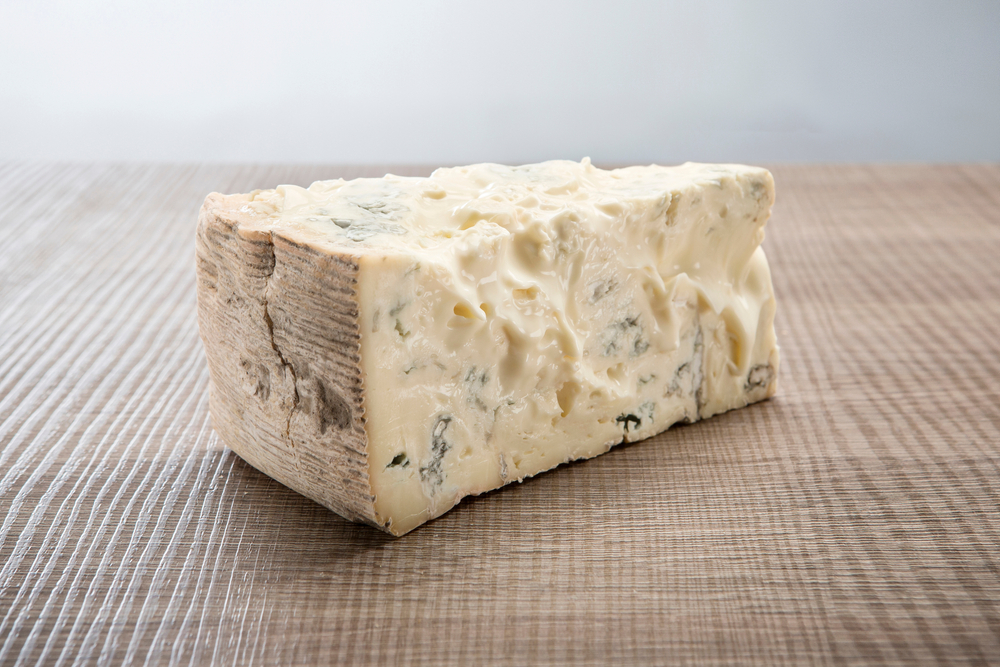
Cheddar, Swiss, Parmesan, blue cheese, Camembert — the more aged and flavorful the cheese, the higher its tyramine content. This is where the classic “cheese effect” nickname comes from. Fresh, mild cheeses are usually safer alternatives.
2. Cured, Smoked, and Processed Meats
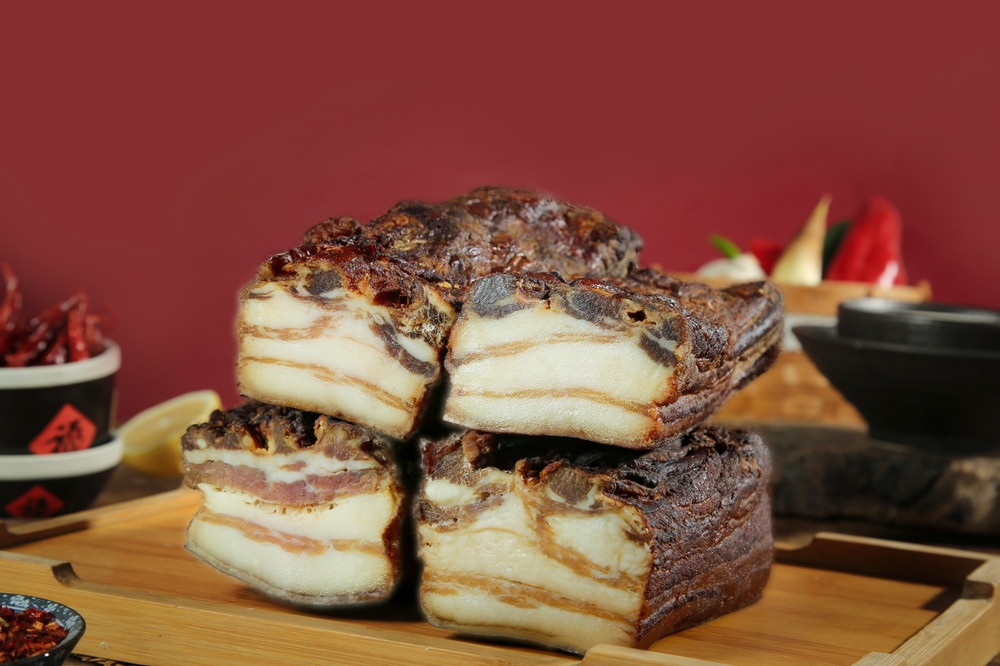
Foods like salami, pepperoni, hot dogs, and sausage undergo curing and aging processes that boost tyramine levels. Stick to fresh meats and fish whenever possible.
3. Fermented and Pickled Foods
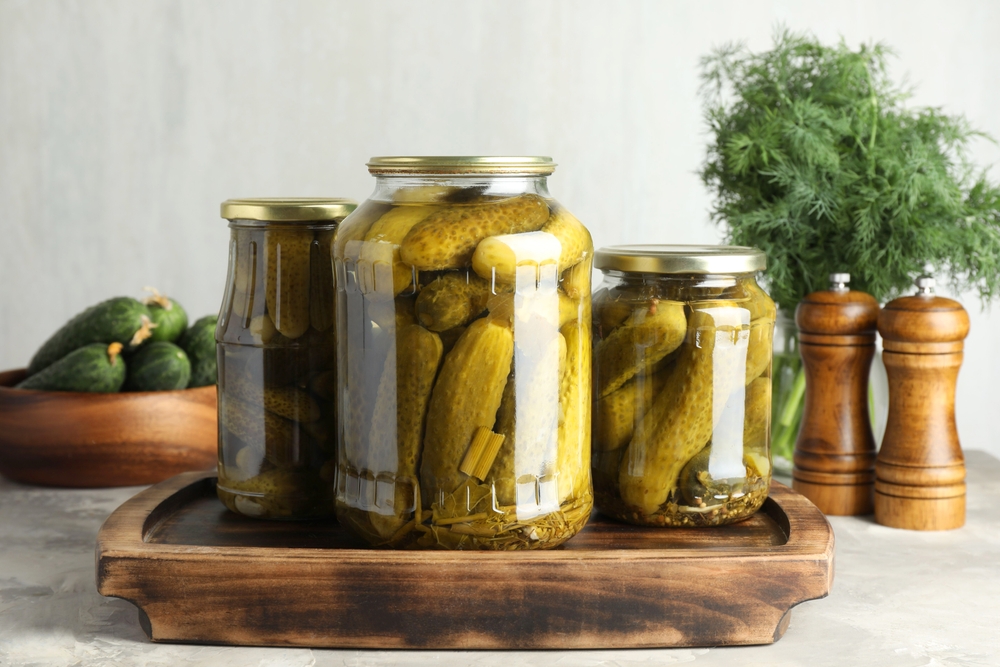
Fermentation is fantastic for gut health, but it also increases tyramine. Sauerkraut, kimchi, pickled herring, and similar foods can be problematic if you’re taking MAOIs.
4. Tyramine-Rich Sauces
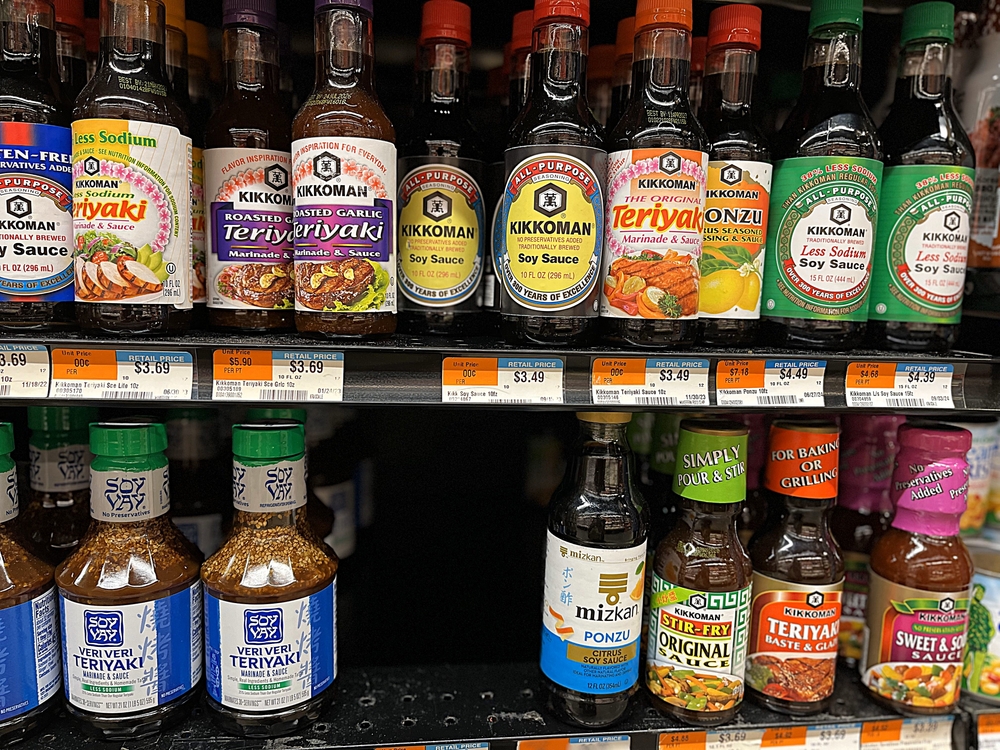
Soy sauce, fish sauce, and teriyaki sauce all pack a punch of flavor — and tyramine. Look for non-fermented condiments or stick to simple herbs and spices.
5. Fermented Soy Products
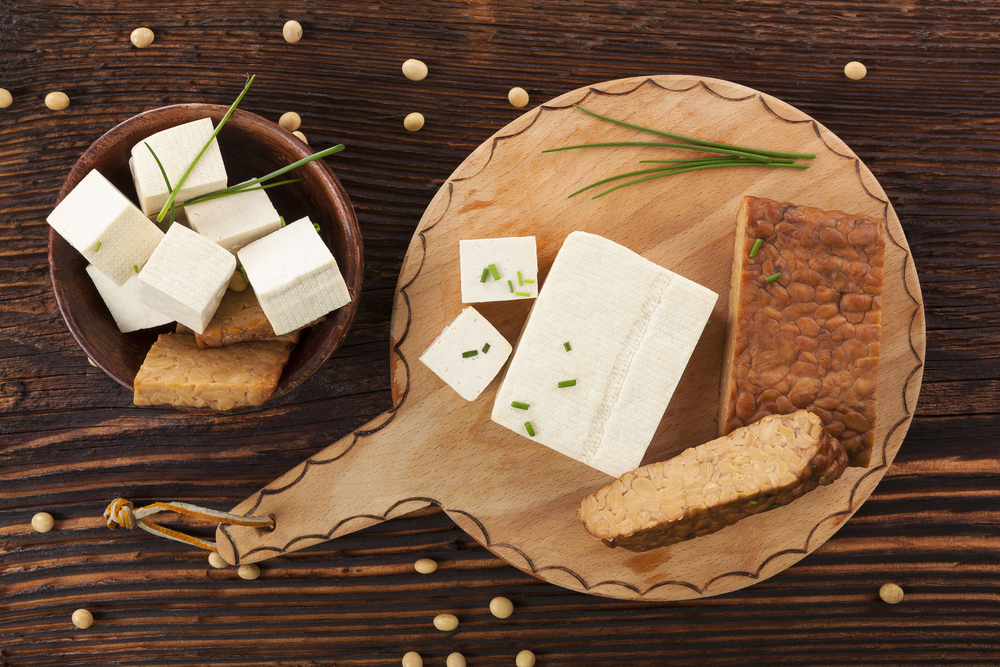
Miso, tempeh, tofu, and other fermented soy items tend to be higher in tyramine. If you love plant-based proteins, consider fresher options like edamame or non-fermented tofu alternatives.
6. Yeast Extract Spreads

Products like Marmite and Vegemite might be beloved by some, but they’re loaded with tyramine. Luckily, they’re easy to skip if they’re not already part of your routine.
7. Certain Alcoholic Beverages

Tap beers, homemade beers, red wine, sherry, and some liqueurs are higher in tyramine. Bottled, pasteurized beer and many commercial wines may be lower, but moderation and medical guidance are key.
8. Protein That Isn’t Fresh
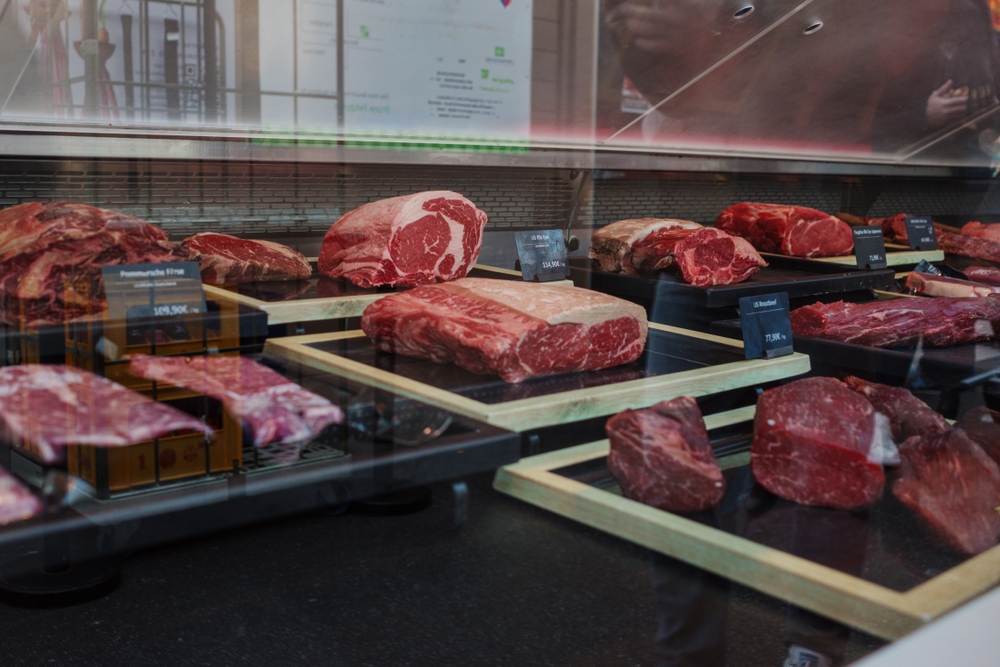
Even normally low-tyramine foods can become problematic if they sit in the fridge too long. Meat, poultry, or fish stored for more than a few days can accumulate higher tyramine levels.
9. Sourdough Bread
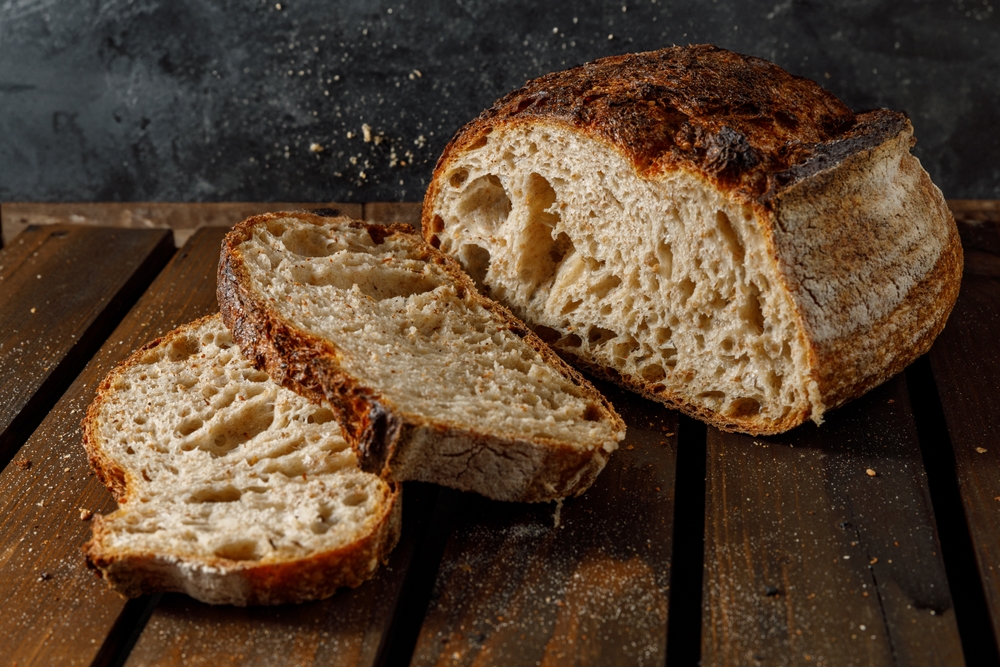
It may surprise you, but sourdough’s signature tang comes from fermentation — and that means tyramine. Regular whole-wheat or multigrain breads make easy, wholesome swaps.
10. Caffeinated Drinks

Coffee, tea, and cola don’t just deliver a caffeine buzz; they also contain tyramine. Your doctor can help you determine how much caffeine is safe for you.
Foods Low in Tyramine That You Can Enjoy

Thankfully, a tyramine-conscious diet doesn’t have to feel limiting. You can still enjoy plenty of delicious foods:
- Dairy: Milk, yogurt, cream cheese, ricotta, cottage cheese
- Fresh proteins: Recently purchased fish, poultry, eggs, and meat
- Most fruits and vegetables: Fresh, frozen, or canned (used quickly after opening)
- Beans and legumes: Except fava or broad beans
- Grains: Pasta, regular breads, rice, oatmeal
- Condiments: Ketchup, mustard, barbecue sauce, most salad dressings
When in doubt, freshness is your friend.
The Bottom Line
If you’re taking an MAOI, staying aware of high-tyramine foods is essential for avoiding sudden blood pressure spikes and other serious side effects. With a bit of label reading and some smart swaps, you can still enjoy a varied, satisfying diet while keeping yourself safe.
When you’re unsure about a food, always check with your healthcare provider — and when in doubt, it’s best to leave it off your plate. A little caution goes a long way toward helping you feel your best.