
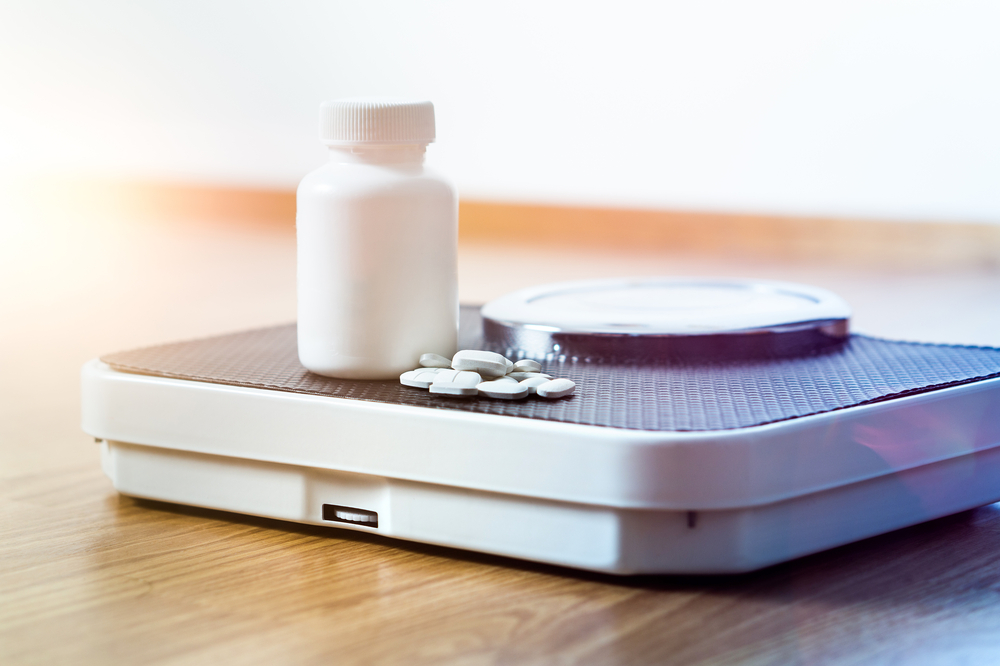
If you’ve ever started a new medication and noticed the number on the scale creeping up, you’re definitely not alone. Many prescription drugs can cause weight gain as a side effect — and while it’s not always harmful, it can be frustrating, especially when you’re working hard to maintain a healthy lifestyle.
From antidepressants to allergy pills, a variety of medications can influence appetite, metabolism, or fluid balance in ways that lead to extra pounds. The good news? With a little awareness and open communication with your healthcare provider, there are often ways to manage or even prevent medication-related weight gain.
Here are 10 common types of medications that can make the scale shift — and what you can do about it.
1. Tricyclic Antidepressants
Older antidepressants like amitriptyline (Elavil), doxepin (Silenor), and nortriptyline (Pamelor) are well-known for increasing appetite. They can also slow metabolism, which makes weight gain more likely. If this side effect is bothering you, don’t stop taking your medication abruptly — that can be risky. Instead, talk to your doctor about alternatives such as bupropion (Wellbutrin), duloxetine (Cymbalta), or fluoxetine (Prozac), which are less likely to affect weight.
2. Corticosteroids
Prednisone and similar corticosteroids are often prescribed for conditions like asthma, arthritis, and back pain. These drugs can increase appetite, cause water retention, and change how your body stores fat. Short-term use usually leads to minimal effects, but long-term treatment can make weight control harder. Pairing the medication with a balanced diet, staying active, and sticking to your doctor’s dosage plan can help limit the impact.
3. Antihistamines
Common allergy medications such as cetirizine (Zyrtec), fexofenadine (Allegra), and desloratadine (Clarinex) may interfere with the hormones that regulate hunger and fullness. As a result, some people experience weight gain over time. If you rely on antihistamines regularly, talk to your doctor about alternatives like nasal steroid sprays (for example, Flonase), which don’t typically have the same effect.
4. Epilepsy and Nerve Pain Medications
Drugs like gabapentin (Gralise), pregabalin (Lyrica), and vigabatrin (Sabril) are used for seizures and nerve pain, but they can boost appetite. Some people find themselves eating more without realizing it. If you’re concerned, your doctor might suggest switching to medications such as topiramate (Topamax) or lamotrigine (Lamictal), which are less likely to cause weight gain.
5. Beta-Blockers
Used to treat high blood pressure and certain heart conditions, beta-blockers like atenolol (Tenormin) and metoprolol (Lopressor) can slow your heart rate — and sometimes your motivation to move. Feeling tired or less energetic can reduce physical activity, leading to gradual weight gain. If this happens, ask your doctor whether another type of blood pressure medication, such as an ACE inhibitor, might work better for you.
6. SSRIs
Selective serotonin reuptake inhibitors (SSRIs) — including escitalopram (Lexapro), paroxetine (Paxil), and sertraline (Zoloft) — are widely prescribed for depression and anxiety. They may change appetite or eating habits once mood improves, sometimes leading to extra pounds. Weight changes usually happen early, so it’s best to bring up any concerns with your provider as soon as you notice them.
7. MAOIs
Monoamine oxidase inhibitors, such as phenelzine (Nardil), work by increasing levels of mood-related brain chemicals like serotonin and dopamine. Unfortunately, they can also boost appetite. Because MAOIs can interact with many foods and other drugs, your doctor can help you find a safer or more weight-neutral alternative if needed.
8. Insulin
For people with diabetes, insulin is essential for helping the body use glucose properly. However, since insulin moves sugar from your blood into your cells, any excess glucose that isn’t burned for energy can be stored as fat. Maintaining a balanced diet and monitoring portion sizes can help keep weight steady. If you have type 2 diabetes, healthy lifestyle changes might even reduce your need for insulin over time.
9. Sulfonylureas
Another group of diabetes medications, sulfonylureas like gliclazide (Diamicron) and glibenclamide (Glynase), encourage the pancreas to release more insulin — and that can lead to modest weight gain. If you’re struggling with this side effect, ask your doctor about alternatives such as metformin or SGLT2 inhibitors, which tend to have a neutral or weight-lowering effect.
10. Antipsychotics
Medications used for mental health conditions like schizophrenia and bipolar disorder — especially olanzapine (Zyprexa) — are linked to weight gain and changes in blood sugar or cholesterol levels. Fortunately, newer options like lurasidone (Latuda) or ziprasidone (Geodon) may have fewer metabolic side effects. Your doctor can help you find a medication plan that protects both your mental and physical health.
Final Thoughts
Weight gain from medication can be discouraging, but it’s not inevitable. Open communication with your healthcare team is key. Before starting any new prescription, ask about potential side effects, how long they might last, and whether there are alternatives that better fit your lifestyle.
And remember — maintaining a balanced diet, moving your body regularly, and getting enough rest can all help offset unwanted weight changes. Sometimes, a few simple tweaks to your daily habits can make a big difference in how you feel.