
Matcha is really popular right now, and it’s not just a pretty swirl in your coffee. Green tea powder has found its way into everything from ice cream and smoothies to mochi and muffins. Although its earthy flavor and vivid green color attract attention, matcha’s true strength is in its possible health advantages.
Nutrition experts claim that matcha is more than just a fad; it’s a plant rich in antioxidants and other compounds that may help with everything from metabolism to brain health. Here are the opinions of dietitians and nutritionists regarding the merits of including matcha in your daily regimen.
1. A Natural Energy Boost Without the Crash

Matcha may become your new best friend if you need an energy boost but don’t want to experience the jittery buzz or crash that coffee can provide. Matcha has a higher caffeine content than ordinary green tea; depending on how strong you make it, an 8-ounce cup can contain anywhere from 76 to 180 mg of caffeine. The added benefit is that matcha also contains L-theanine, an amino acid that is known to support concentration and calmness. L-theanine and caffeine together provide a smoother, longer-lasting energy boost, according to dietitians. You will therefore likely feel alert and focused for a longer period of time rather than experiencing peaks and crashes.
2. Supports Attention and Brain Function

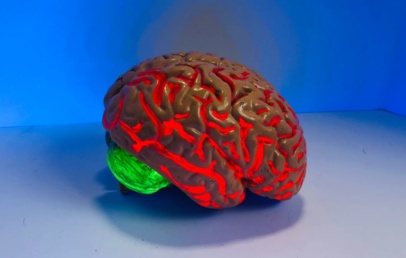
Not only does matcha help you wake up, but it may also help you think more clearly. According to research, matcha’s caffeine and L-theanine combination may enhance memory, focus, and response time, particularly in stressful or low-energy situations like the early hours of the morning. Indeed, in clinical trials, matcha-drinking participants outperformed caffeine-only participants in terms of cognitive function. Because of its calming yet alerting qualities, matcha is frequently referred to by nutritionists as a “brain-friendly” beverage. Some even call it “mood food.”
3. May Help Guard Against Cognitive Decline

Maintaining mental acuity becomes increasingly crucial as we age, and matcha may provide some protection in this area as well. Quercetin, a potent plant flavonoid that penetrates the blood-brain barrier and may help protect against neurodegenerative diseases like Alzheimer’s, is especially abundant in it. Additionally, matcha contains vitamin K, which has been connected to improved cognitive function in senior citizens. Although more human research is required, preliminary findings and professional opinion point to matcha consumption as a potentially long-term brain-healthy habit.
4. Heart Health Hero in a Cup
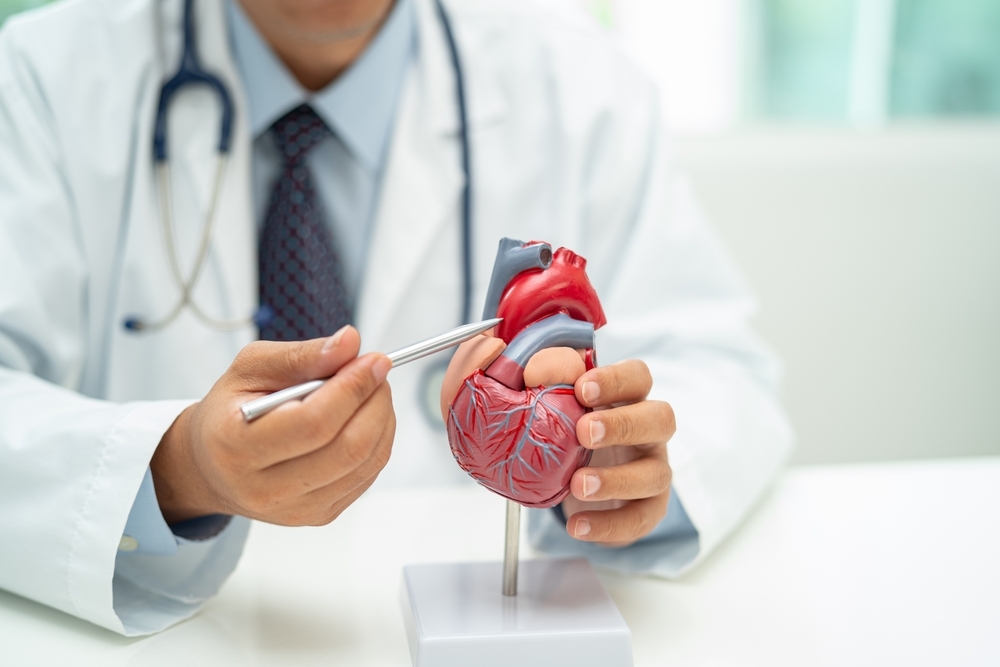
Adding matcha is one of the small, regular dietary changes that can have a significant impact on heart disease, which is still one of the biggest health issues in the United States. Epigallocatechin gallate (EGCG), a strong antioxidant found in matcha, may improve blood vessel function, lower cholesterol, and lessen inflammation. Registered dietitians claim that EGCG aids in lowering oxidative stress, a factor in high blood pressure and heart disease. Matcha can be incorporated into a heart-smart, supportive routine, but it won’t take the place of heart medications or lifestyle modifications on its own.
5. May Offer Anti-Cancer Potential
Researchers are interested in EGCG’s anticancer properties, particularly in relation to breast and colon cancers, even though no food can completely prevent cancer. According to lab research, EGCG may help stop some cancer stem cells from growing and impede the spread of tumors. Although matcha shows promise in this regard, experts warn that more human research is necessary. Nonetheless, incorporating matcha into a well-rounded, antioxidant-rich diet can be a wise move for long-term health.
6. A Friendly Ally for Weight Management
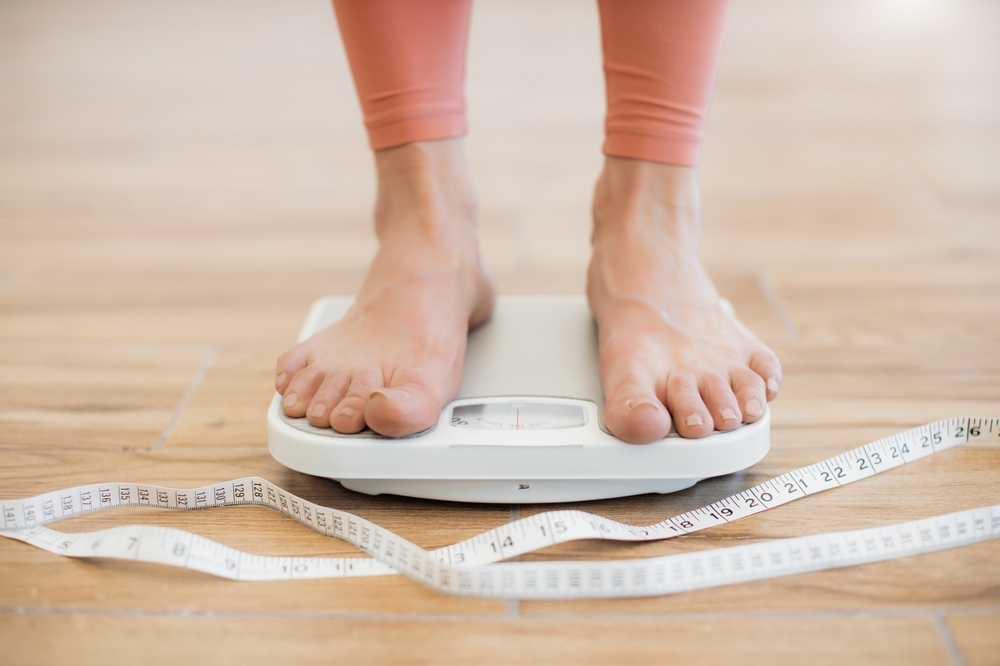
Are you attempting to maintain a healthy weight or lose a few pounds? Here, too, matcha might be beneficial. As long as you avoid adding too many syrups to your latte, it’s naturally low in calories and sugar, and its antioxidants might help support fat oxidation and increase metabolism. According to one small study, women who drank matcha before working out had a 35% higher capacity to burn fat. Although matcha isn’t a panacea, nutritionists say it can be a useful supplement when combined with a balanced diet and regular exercise.
7. May Support Liver Health
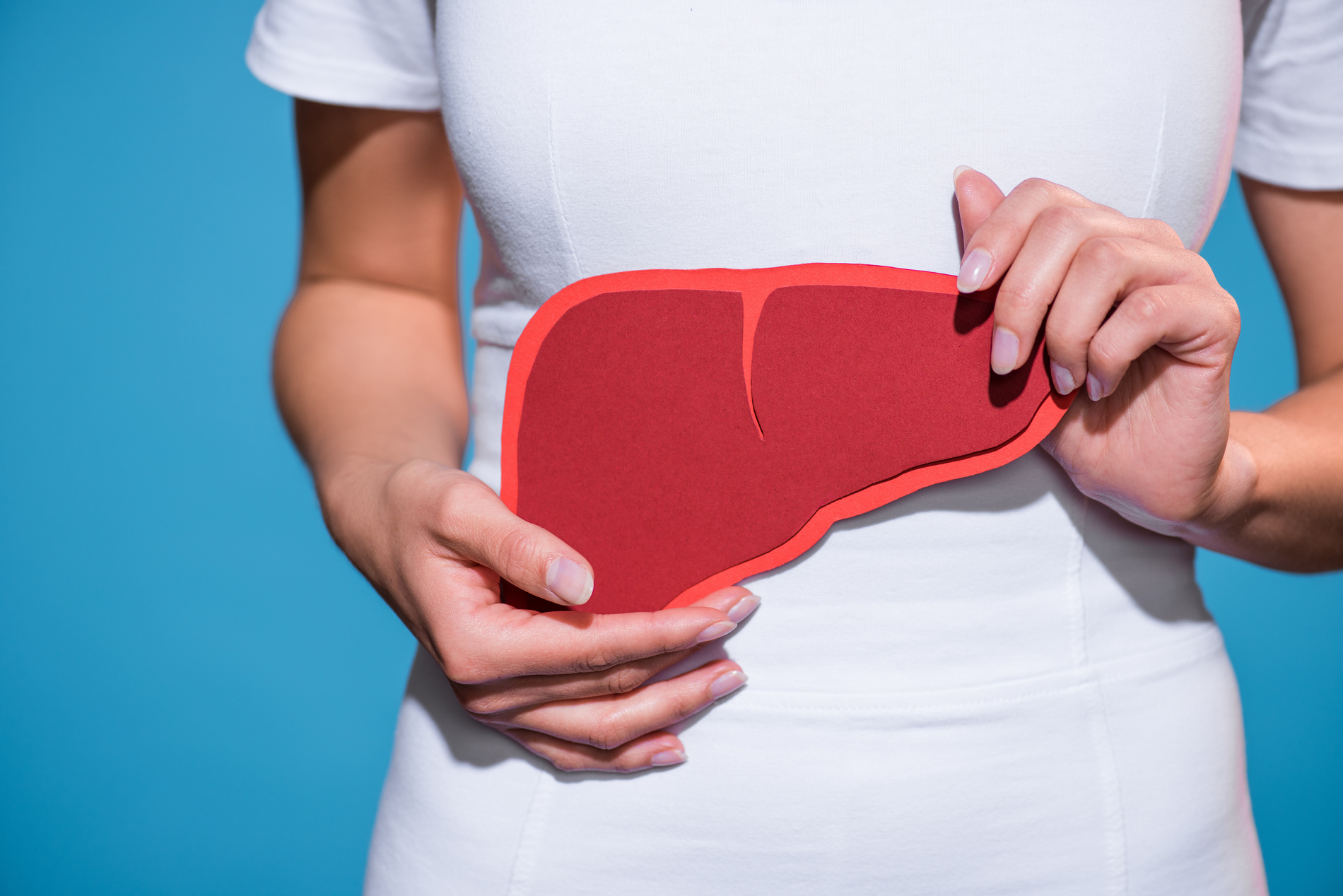
Behind the scenes, your liver puts in a lot of effort to filter toxins and maintain a healthy metabolism. According to preliminary studies, matcha may be able to shield the liver from oxidative damage, particularly when it comes to fatty liver diseases associated with metabolic problems. According to research on animals, matcha may lower fat accumulation and enhance indicators of liver function. Dietitians note that matcha’s high antioxidant content, particularly its catechins like EGCG, makes it a liver-friendly beverage option, even though human data is still being gathered.
How to Enjoy Matcha at Home?
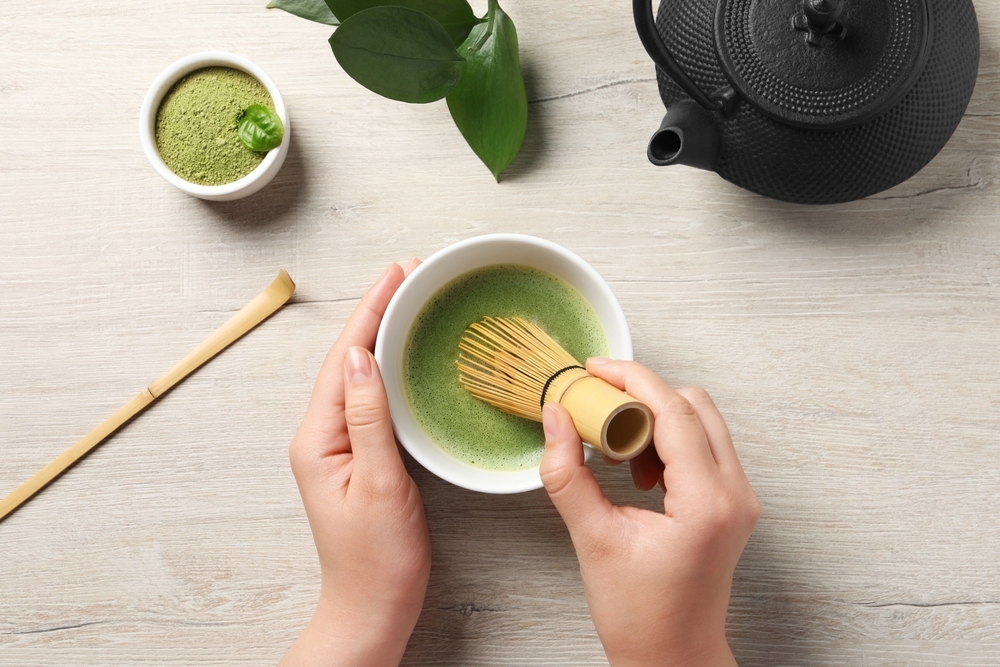
The finest aspect? To reap the benefits, you don’t have to rely on pricey café beverages. Using matcha at home is simple; simply whisk the powder into hot milk, water, or a smoothie. Additionally, you can blend it into frozen treats or bake it into pancakes. Avoid caffeine-related side effects like jitters or upset stomach by using unsweetened or mildly sweetened matcha and by consuming it with a balanced snack or meal.
Matcha has many benefits, whether you’re searching for increased energy, improved concentration, or long-term health support. It’s a nutrient-dense choice that can be a wonderful complement to a well-rounded diet, according to nutrition experts. Just keep in mind that balance is essential. Despite its strength, matcha is not magic. Consider it a single tool, not the entire set, in your wellness toolbox.