Healthiest Fruits for You
We’ve all heard the saying “an apple a day keeps the doctor away,” but what if we told you there are fruits that pack way more nutritional punch than America’s favorite snack? While apples are certainly healthy – they’re high in fiber and contain beneficial antioxidants – they’re actually middle-of-the-pack when it comes to overall nutritional value. Many lesser-known (and some surprisingly common) fruits outshine apples in vitamins, minerals, and disease-fighting compounds.
The truth is, if you’re eating apples every day for health benefits, you might be missing out on fruits that offer significantly more vitamin C, more fiber, more antioxidants, and even healthy fats that apples simply don’t provide. From tropical superstars to humble berries, these 11 fruits deserve a permanent spot in your shopping cart if you’re looking to maximize your nutrient intake.
Let’s count down the fruits that make apples look average by comparison. These nutritional powerhouses can boost your immune system, improve digestion, enhance brain function, and even help you sleep better – benefits that go far beyond what a standard apple can offer.
1. Guava
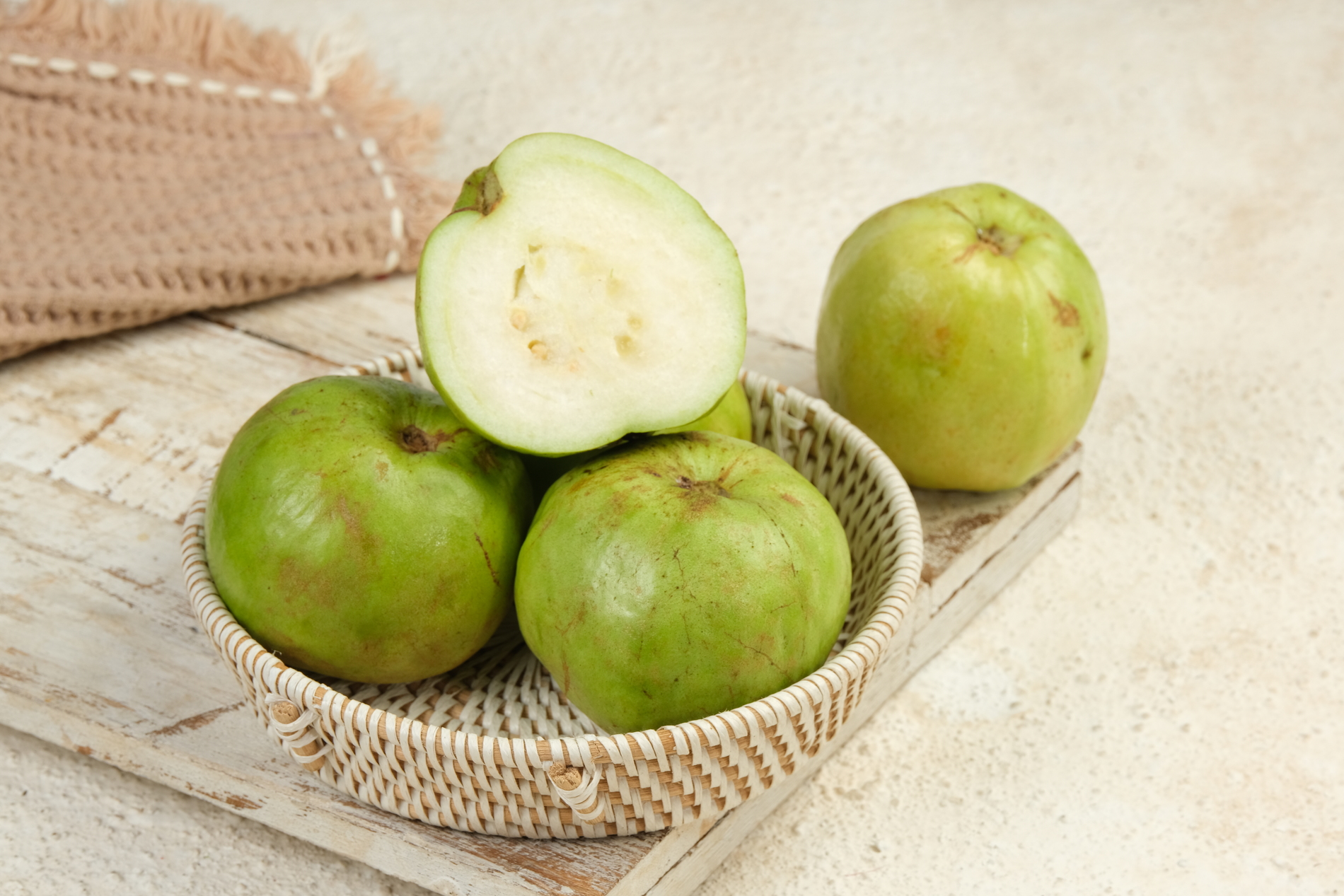
Why It’s Better: This tropical fruit is the ultimate unsung hero. A single guava contains four times the vitamin C of an orange – that’s more than double your daily need in one fruit! It also boasts three times the fiber of an apple, with a whopping 9 grams per cup. Guava is also rich in lycopene (the same antioxidant found in tomatoes) and contains more potassium than a banana.
Best Ways to Eat It: Enjoy it fresh by slicing it like an apple (yes, you can eat the skin!), blend it into smoothies, or try it sprinkled with chili powder for a sweet-spicy snack.
2. Avocado
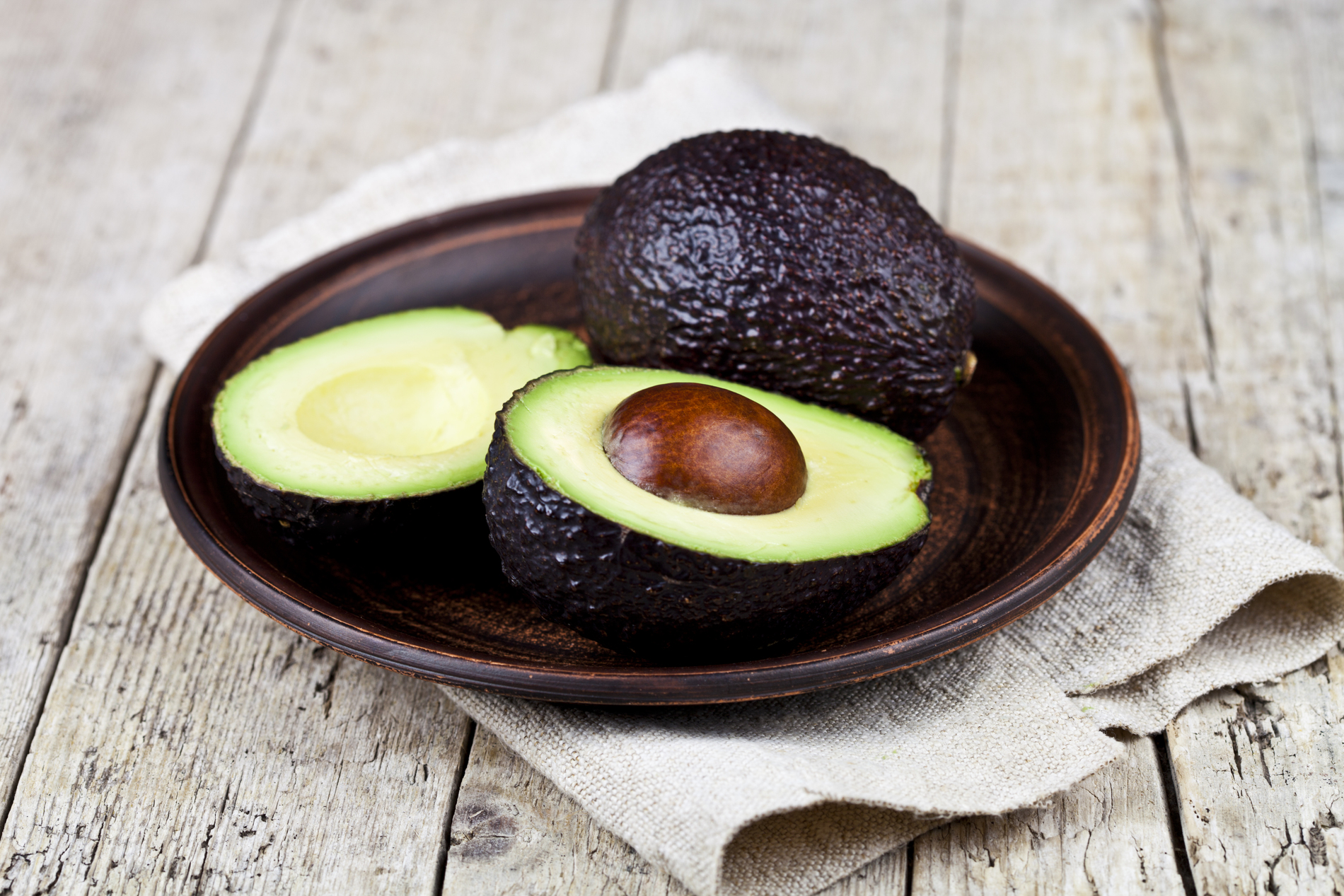
Why It’s Better: Yes, avocado is technically a fruit! Unlike apples, avocados provide healthy monounsaturated fats that support heart health and help absorb fat-soluble vitamins. They contain more potassium than bananas, along with nearly 20 vitamins and minerals. A single avocado provides about 40% of your daily fiber needs – way more than an apple.
Best Ways to Eat It: Beyond guacamole, try avocado in smoothies (it makes them creamy), on toast with everything bagel seasoning, or simply sliced with a drizzle of olive oil and sea salt.
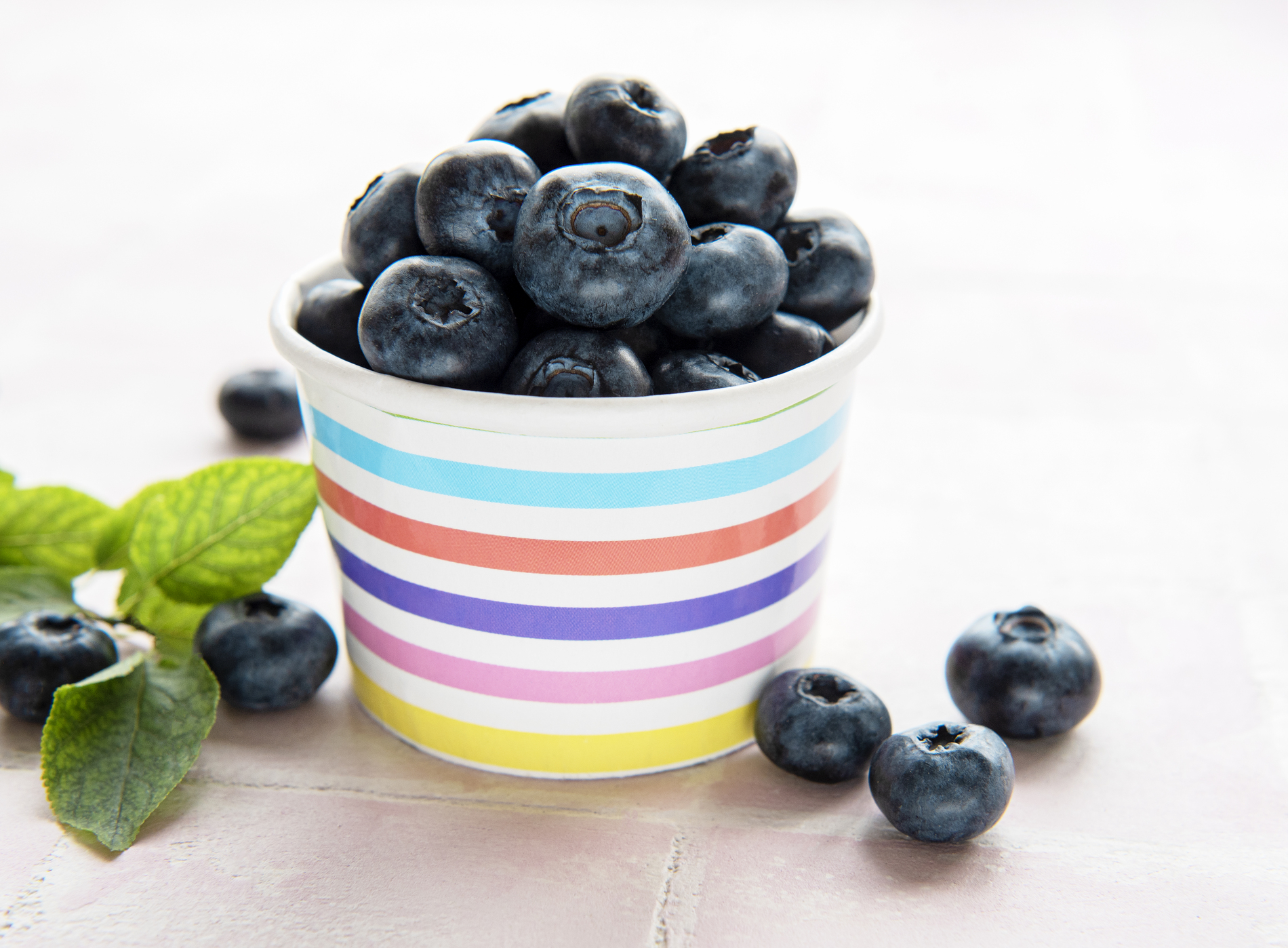
3. Blueberries
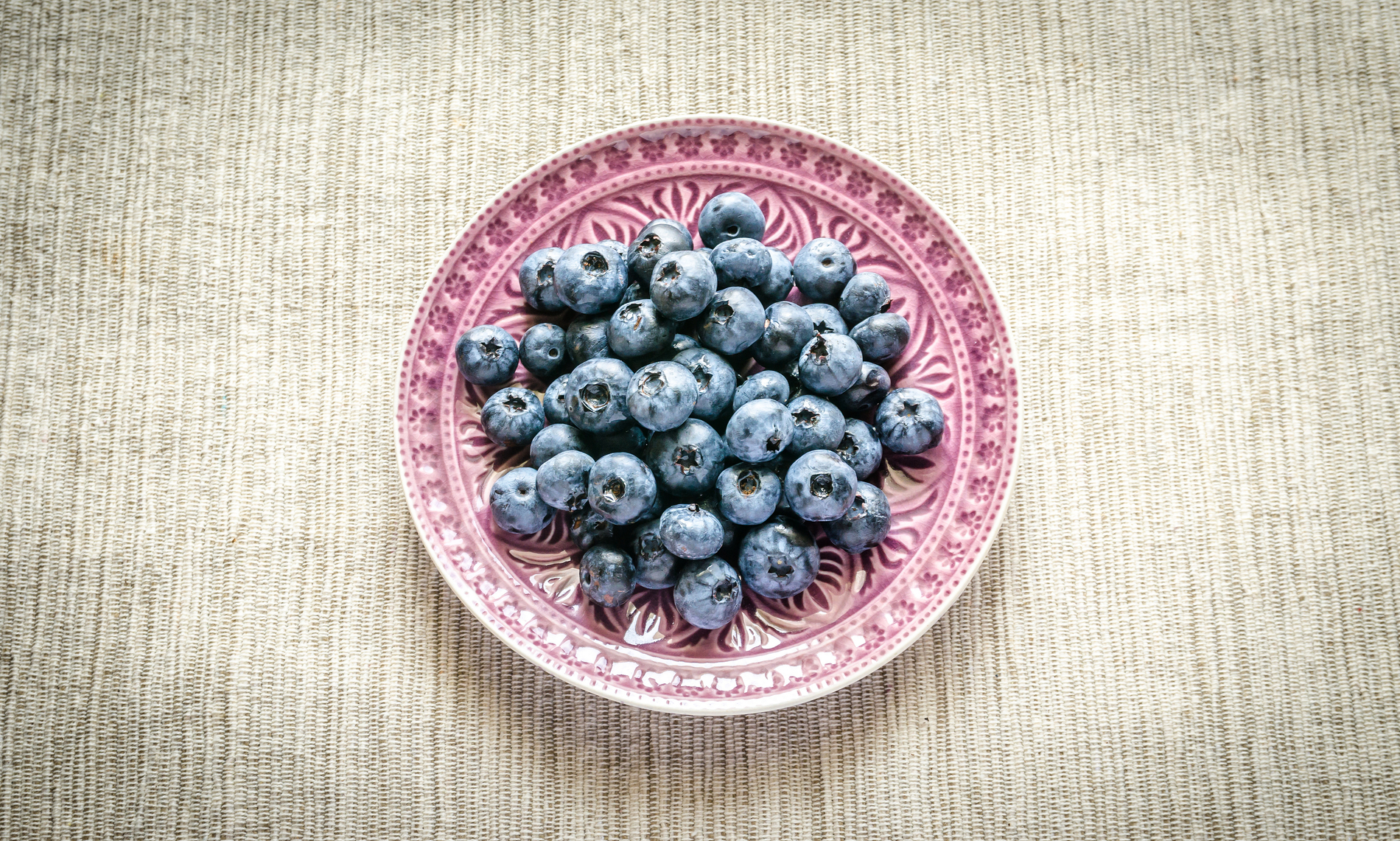
Why They’re Better: These tiny berries are brain food champions. They contain higher levels of antioxidants (particularly anthocyanins) than apples, which help fight inflammation and may improve memory. Blueberries also have a lower glycemic index than apples, meaning they won’t spike your blood sugar as much.
Best Ways to Eat Them: Frozen blueberries are just as nutritious as fresh – toss them in oatmeal, blend them into smoothies, or enjoy them by the handful for a quick snack.
4. Kiwi
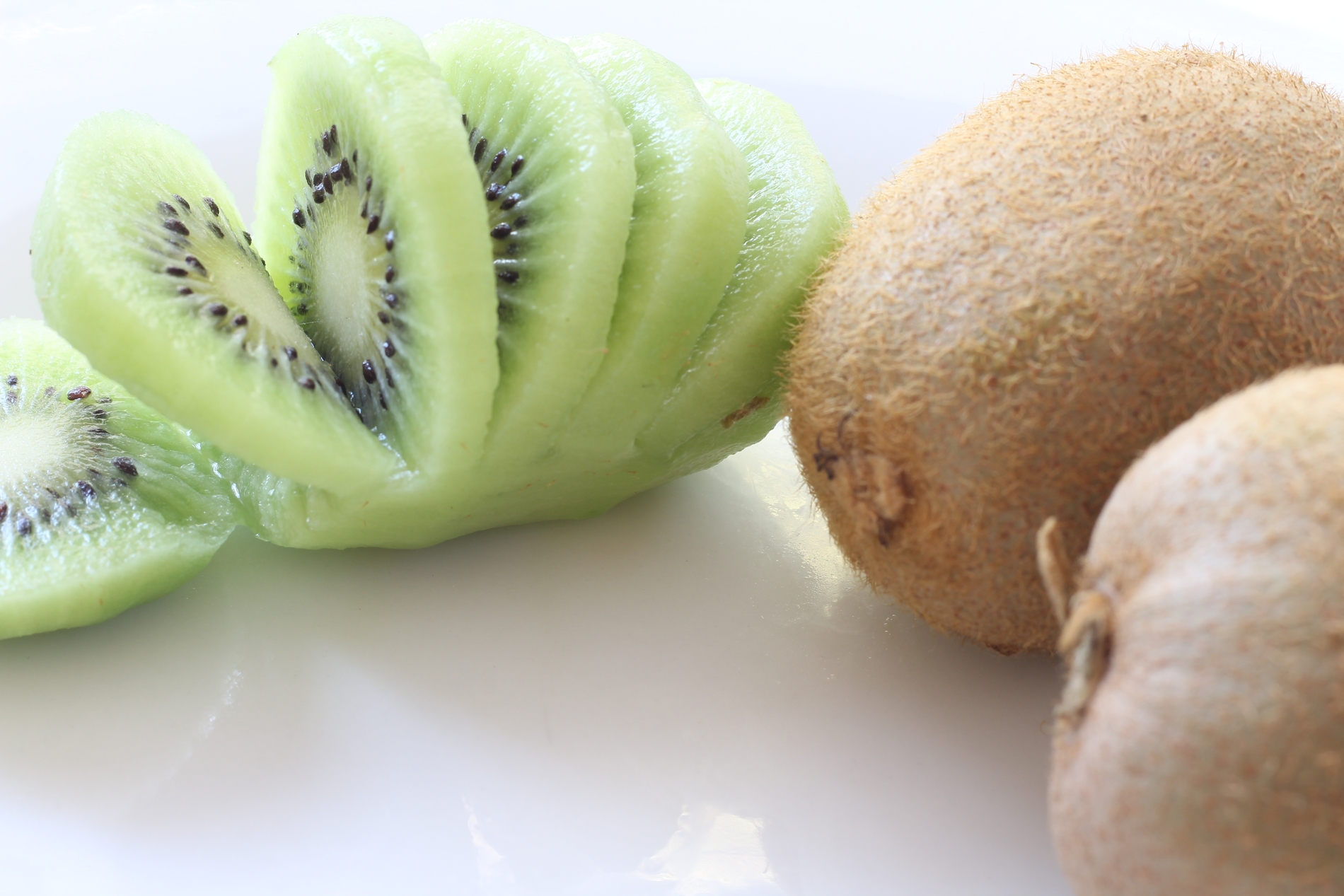
Why It’s Better: Don’t let its fuzzy exterior fool you—kiwis are vitamin C powerhouses, containing more per ounce than oranges. They’re also packed with digestive enzymes (actinidin) that help break down protein better than apples can. The edible skin provides extra fiber, and they contain serotonin, which may help regulate sleep cycles.
Best Ways to Eat It: Slice it in half and scoop it with a spoon (skin on for extra fiber!), add it to fruit salads, or blend it into green smoothies for a tropical twist.
5. Pomegranate
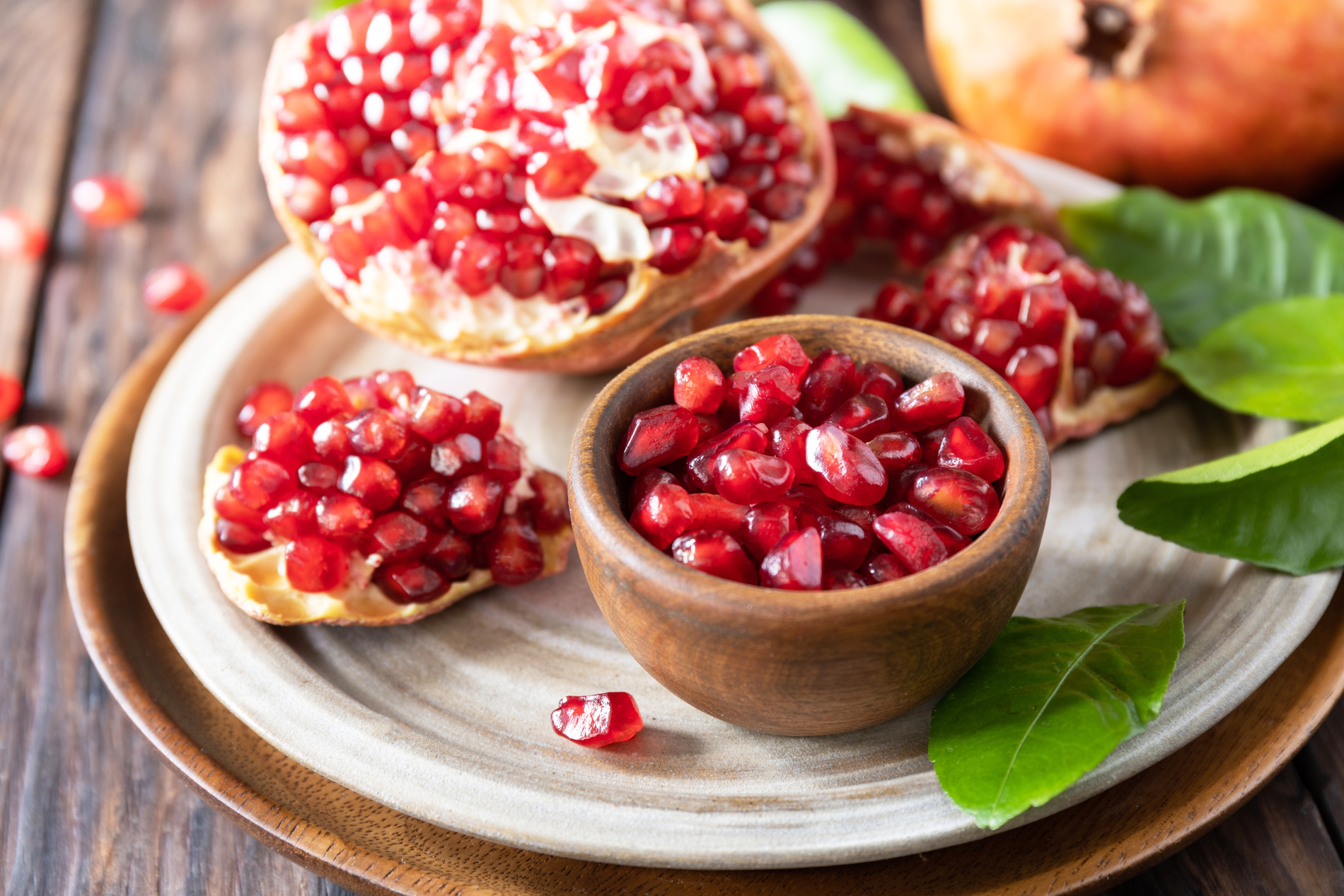
Why It’s Better: These ruby-red jewels are loaded with three times more antioxidants than green tea or red wine. Their anti-inflammatory effects surpass apples’, and studies suggest they may help lower blood pressure and improve heart health. Pomegranates also contain punicalagins, compounds unique to this fruit that boost heart health.
Best Ways to Eat It: Sprinkle the arils (seeds) over salads, stir them into yogurt, or juice them for a potent antioxidant drink.
6. Blackberries

Why They’re Better: With a whopping 8 grams of fiber per cup (twice as much as an apple), blackberries are digestion champions. They’re also richer in vitamin K (important for bone health) and contain more manganese (for metabolism support) than apples. Their deep purple color comes from anthocyanins, which may boost brain function.
Best Ways to Eat Them: Mix them into cottage cheese, bake them into healthy muffins, or enjoy them fresh with a dollop of whipped cream.
7. Papaya
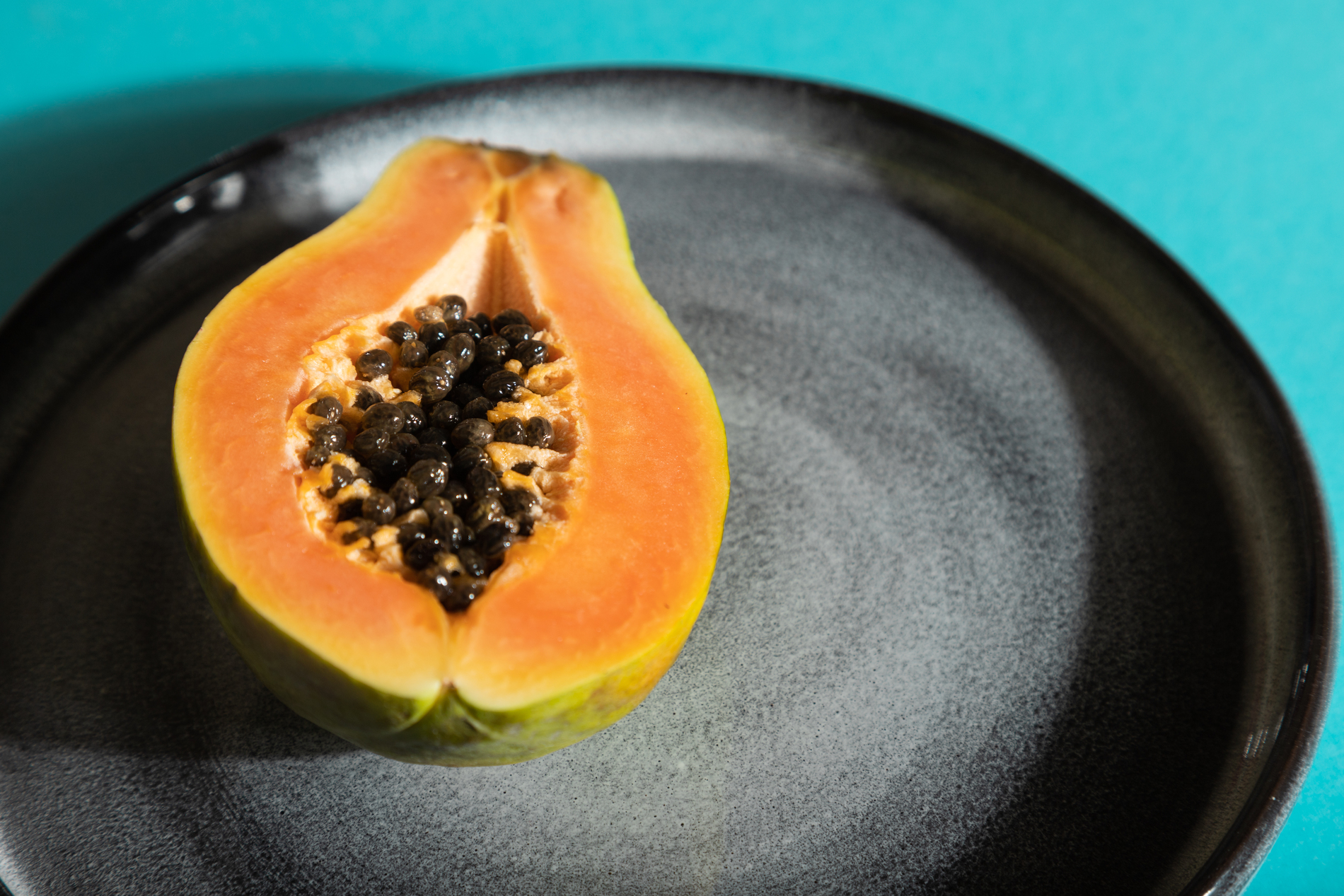
Why It’s Better: This tropical fruit contains papain, an enzyme that aids digestion better than apple fiber alone. It’s also richer in vitamin A (great for eye health) and folate (important for cell repair) than apples. One cup provides 144% of your daily vitamin C needs—way more than an apple’s meager 8%.
Best Ways to Eat It: Enjoy it fresh with lime juice, blend it into smoothies, or make a tropical papaya salsa for fish tacos.
8. Strawberries
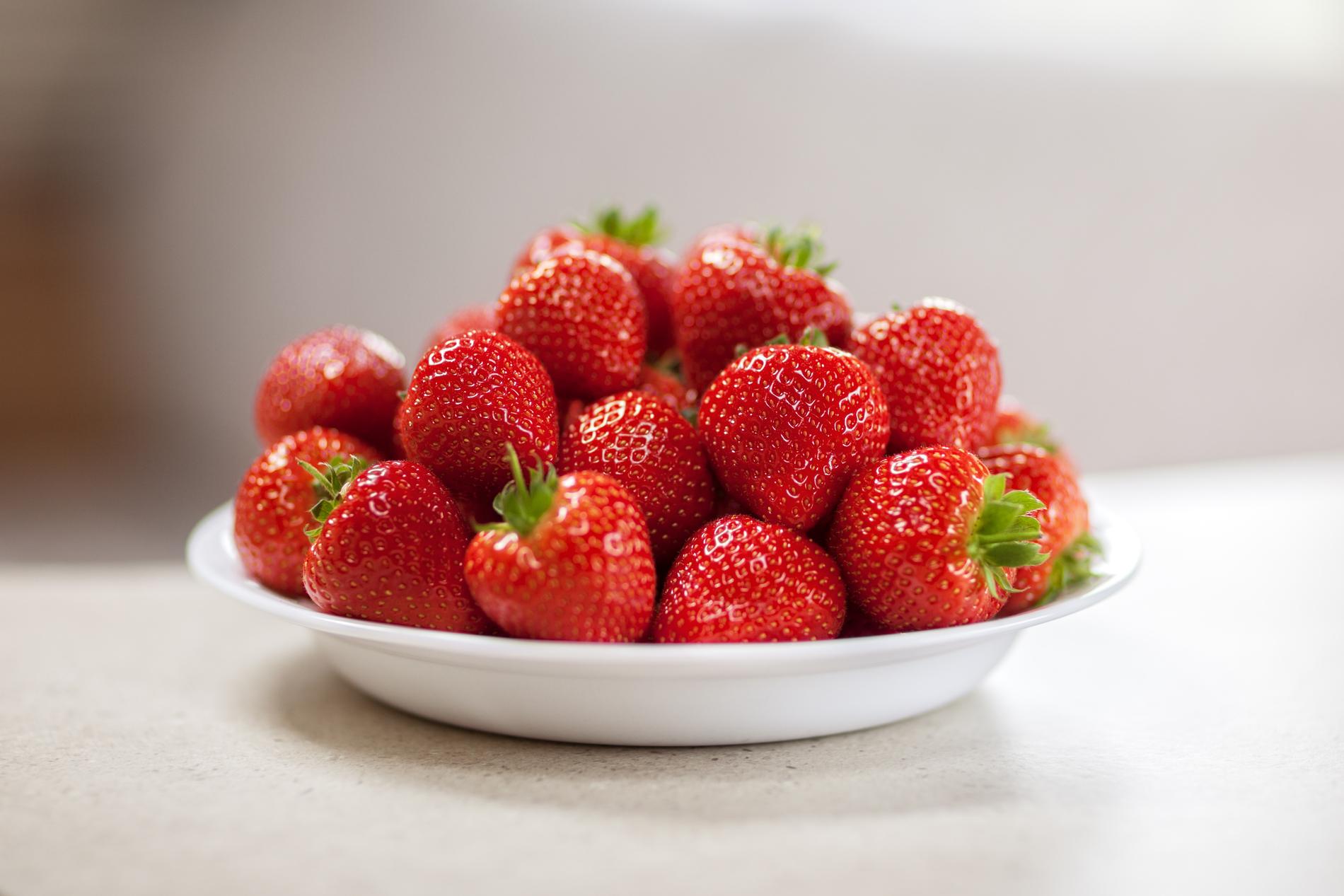
Why They’re Better: Strawberries beat apples hands-down in vitamin C content (more per serving than oranges!) and contain unique antioxidants like ellagic acid, which may have anti-cancer properties. They’re also lower in sugar and calories than apples while providing more manganese and folate.
Best Ways to Eat Them: Dip them in dark chocolate, slice them over oatmeal, or blend them into a refreshing agua fresca.
9. Dragon Fruit
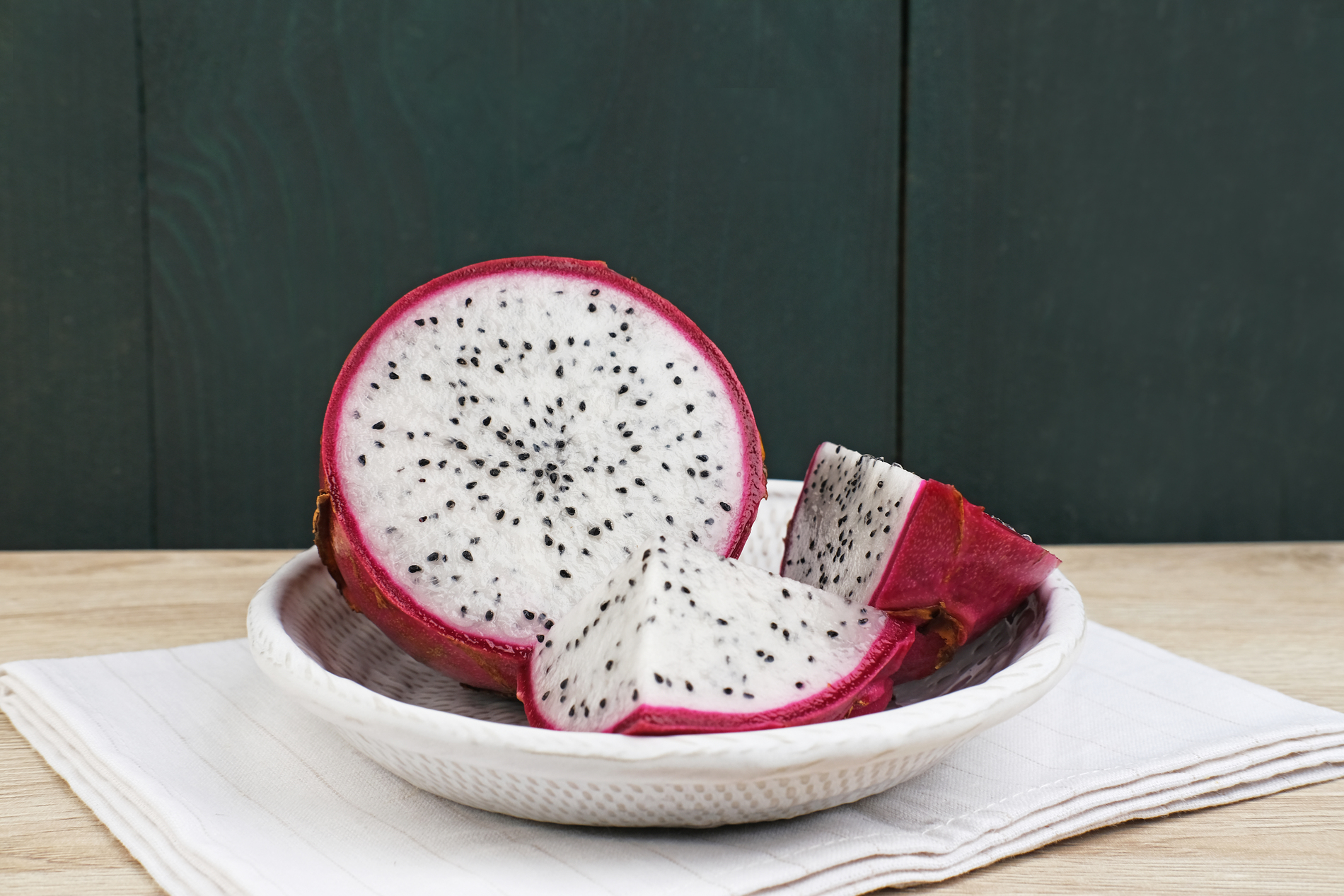
Why It’s Better: This exotic beauty is packed with prebiotic fiber (great for gut health), magnesium (for muscle function), and betalains (anti-inflammatory compounds apples lack). Its vibrant pink flesh comes from antioxidants that may help reduce oxidative stress.
Best Ways to Eat It: Scoop it straight from the peel, add it to smoothie bowls, or cube it for a colorful fruit salad.
10. Cherries (Tart Variety)
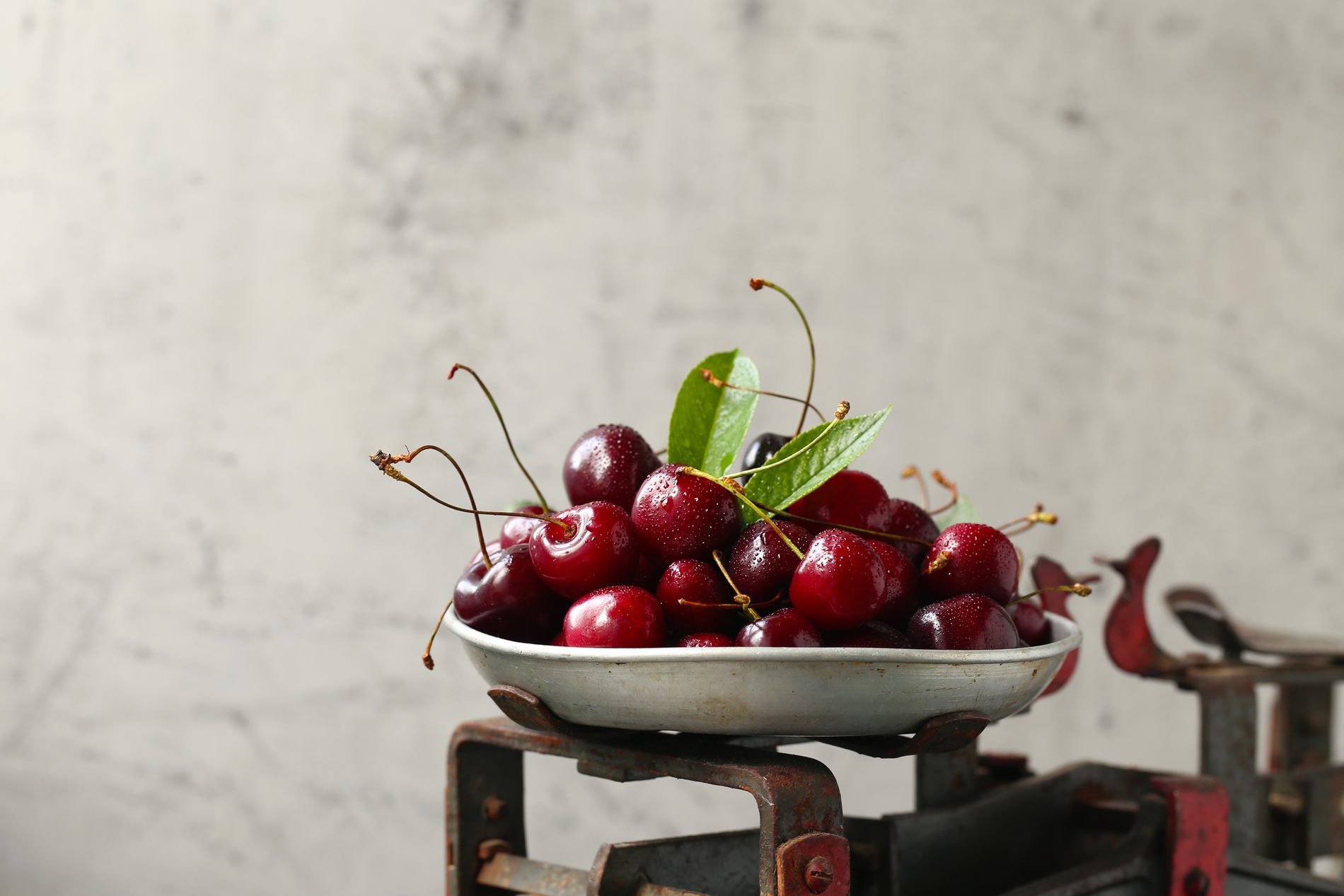
Why They’re Better: Tart cherries are nature’s pain relievers—their anthocyanins reduce muscle soreness better than apples’ quercetin. They’re also one of the few food sources of melatonin, which regulates sleep cycles. Studies show they may help with gout and arthritis pain.
Best Ways to Eat Them: Drink tart cherry juice post-workout, snack on dried cherries, or bake them into healthy energy balls.
11. Passion Fruit
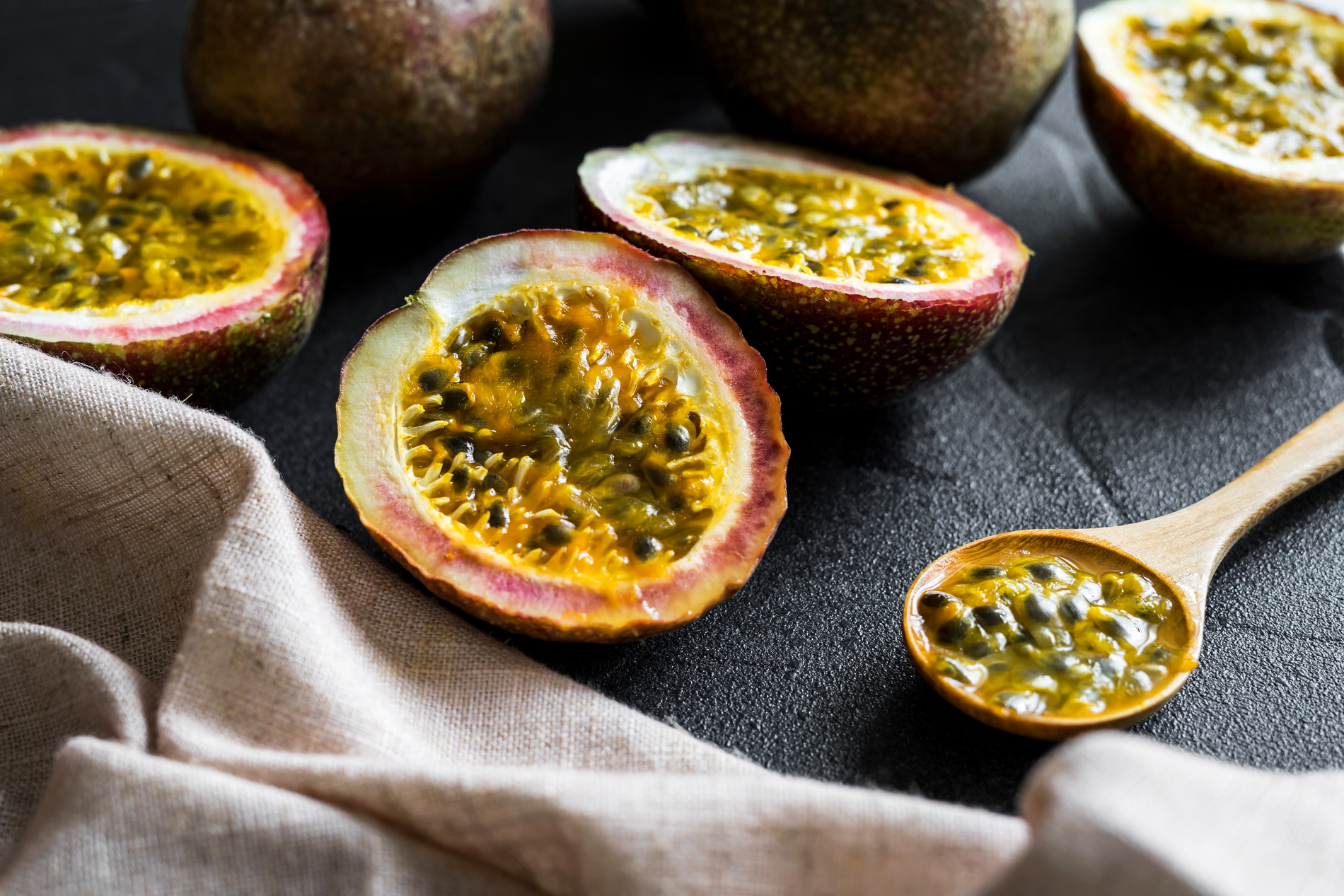
Why It’s Better: Just one passion fruit provides half your daily fiber needs and more than 100% of your vitamin C—nutrients apples can’t match. Its edible seeds contain piceatannol, a compound that may help with weight management. The fruit’s unique flavor profile (tart and tropical) makes it more versatile than apples in both sweet and savory dishes.
Best Ways to Eat It: Scoop it straight from the shell, swirl it into yogurt, or make a passion fruit vinaigrette for salads.
Final Verdict: Time to Think Beyond Apples
While apples are a convenient and healthy snack, they’re far from the most nutritious fruit available. The fruits on this list outperform apples in nearly every nutritional category – from vitamin content to antioxidant levels to special health benefits like improved digestion or better sleep.
Making simple swaps in your diet can lead to big nutritional gains. Try replacing your afternoon apple with some fresh guava or blueberries. Swap apple juice (which lacks fiber) for pomegranate juice or fresh passion fruit. Your body will thank you for the upgrade in vitamins, minerals, and disease-fighting compounds.
The best part? Many of these fruits are just as easy to incorporate into your diet as apples once you know how to use them. Keep frozen berries on hand for smoothies, stock up on avocados for healthy fats, and don’t be afraid to try something new like dragon fruit or passion fruit. Your taste buds and your health will both benefit from moving beyond the ordinary apple.