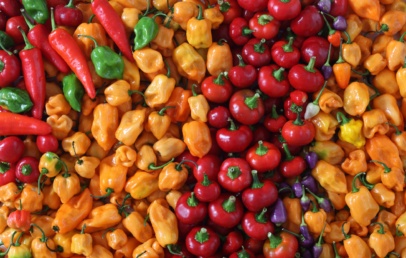

For good reason, chia seeds are frequently hailed as a superfood. About 10 grams of fiber, or one-third of your daily requirements, are found in just one ounce. Although they’re a simple way to increase your intake of fiber, chia seeds aren’t your only choice. In actuality, a variety of everyday foods offer a greater amount of fiber, as well as a variety of vitamins, minerals, and other health advantages. Here are ten delectable foods that can seriously compete with chia seeds if you’re ready to add more diversity to your high-fiber diet.
Navy Beans
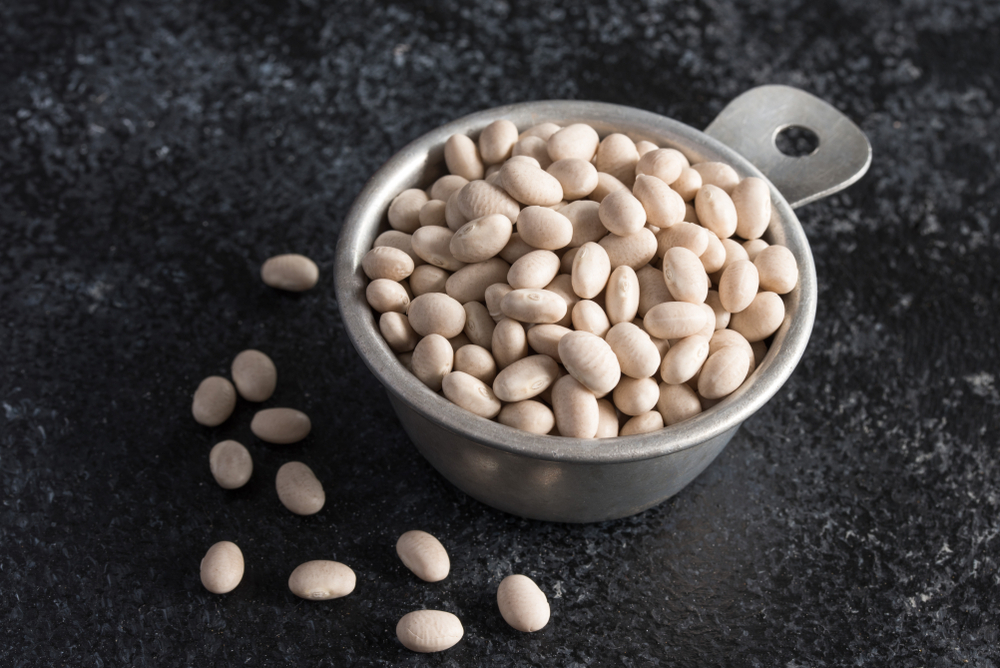
With more than 19 grams of fiber per cooked cup, navy beans are among the foods with the highest fiber content you can eat. One serving provides almost 70% of your daily fiber requirements. In addition to fiber, navy beans are an excellent source of plant-based protein and other nutrients, including iron, magnesium, and folate. In particular, magnesium is essential for controlling blood pressure and blood sugar. Navy beans are a great addition to soups and stews, but they also make a simple side dish when cooked with herbs.
Lentils
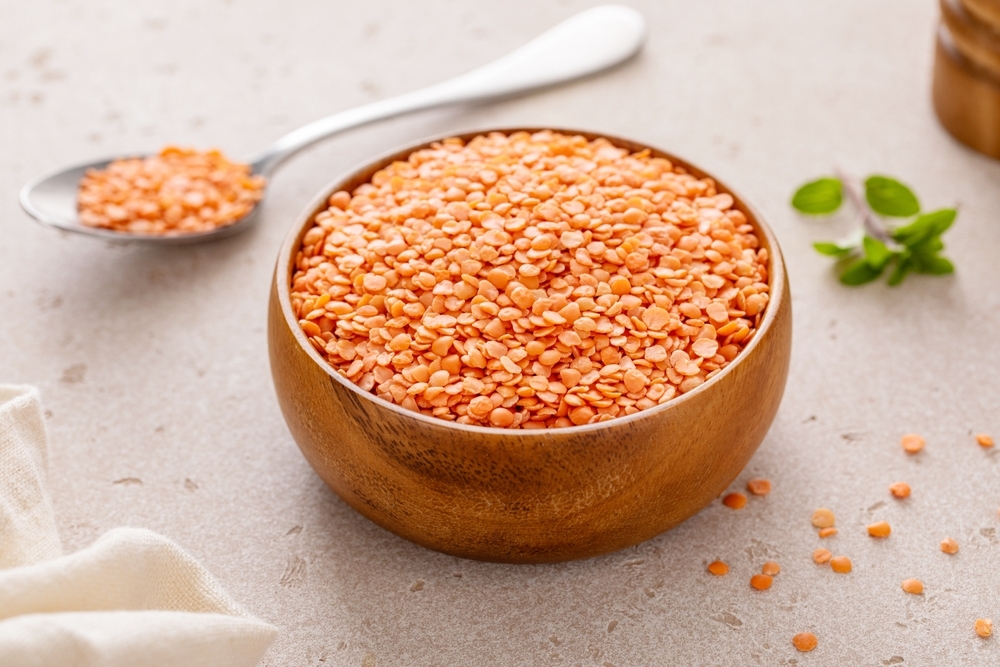
With roughly 16 grams of fiber per cup, lentils are yet another great source of both protein and fiber. They are particularly high in folate, a B vitamin that promotes the development of the fetus, red blood cell production, and healthy brain function during pregnancy. Lentils are a great addition for anyone trying to control their appetite or support weight goals because of their high protein and fiber content. Try them cooked into tasty curries, added to salads, or added to hearty soups.
Black Beans
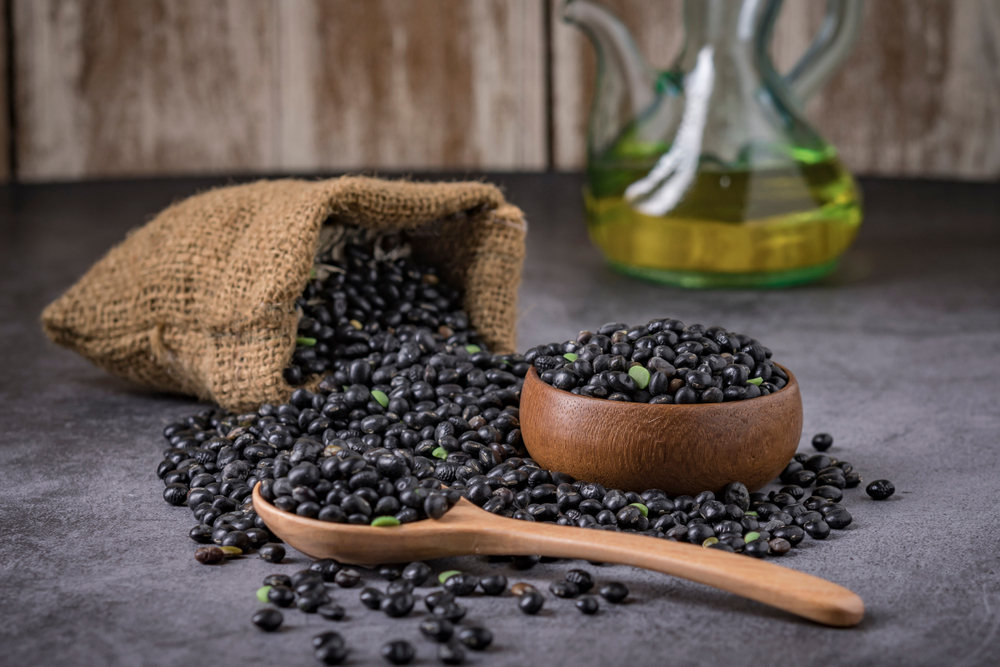
A cup of black beans contains about 15 grams of fiber and a good amount of magnesium and potassium. These nutrients are essential for maintaining heart health and controlling blood pressure. Black beans can be mashed into homemade veggie burgers or added to tacos, burrito bowls, and grain dishes. They are a satisfying option for plant-based meals because of their rich flavor and creamy texture.
Avocados
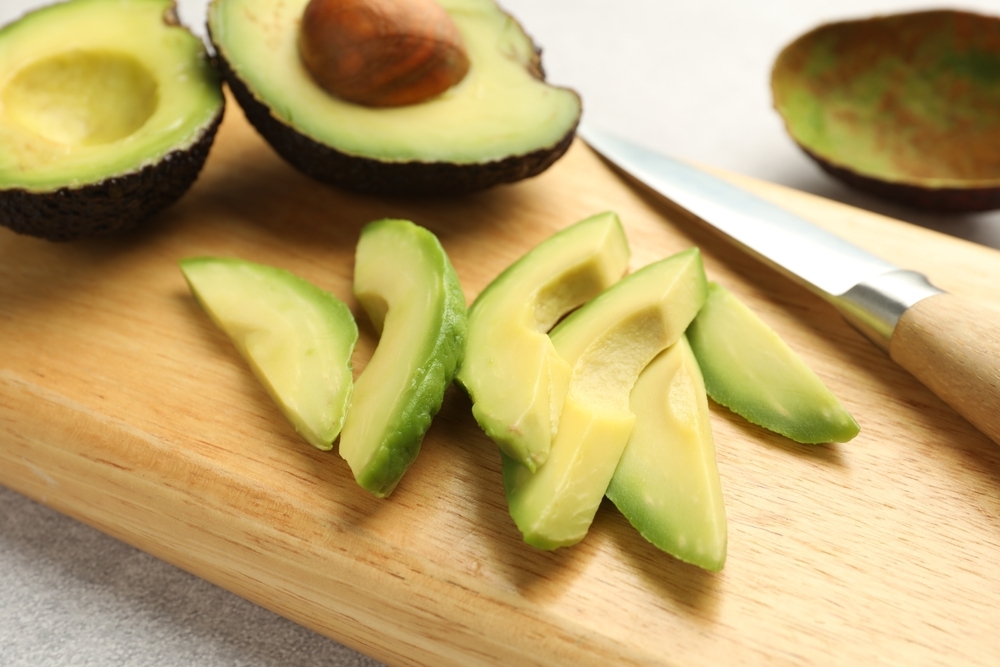
Although avocados are more well-known for their healthy fats and creamy texture, they also contain a surprising amount of fiber—roughly 13.5 grams per whole avocado. They are rich in carotenoids and polyphenols, which are antioxidants that prevent cell damage and fight inflammation. Important vitamins like folate, vitamin E, and vitamin C are also found in avocados. For a delicious, high-fiber boost, you can mash them into guacamole, blend them into smoothies, or slice them on toast and salads.
Chickpeas
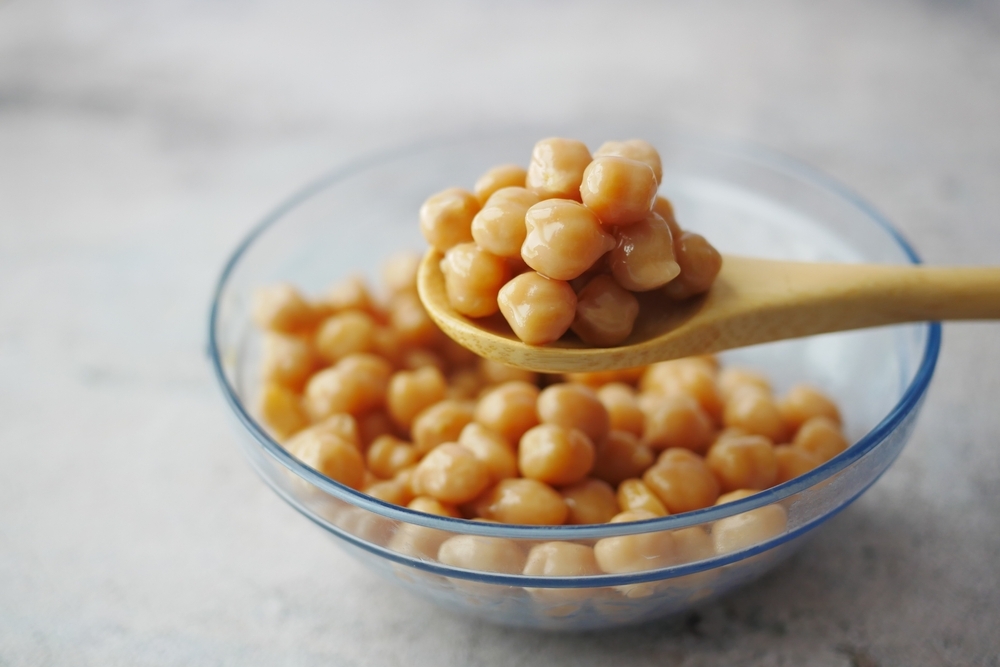
Another legume high in fiber is chickpeas, also known as garbanzo beans, which provide roughly 12.5 grams per cup. They are also rich in magnesium, potassium, zinc, and protein. Specifically, zinc is necessary for wound healing, immune system performance, and normal cell division. Chickpeas are very adaptable; you can add texture and nutrients to salads and grain bowls, roast them into a crunchy snack, or blend them into hummus.
Acorn Squash

Even though acorn squash doesn’t contain as much fiber as beans, a cup still contains about 9 grams. Antioxidants like zeaxanthin and beta-carotene, which help shield cells from harm, are also abundant in it. When roasted, mashed, or cubed, acorn squash adds a naturally sweet and nutty flavor to soups and salads. Because of its adaptability, it’s a simple way to boost the fiber content of comfort foods.
Artichoke Hearts
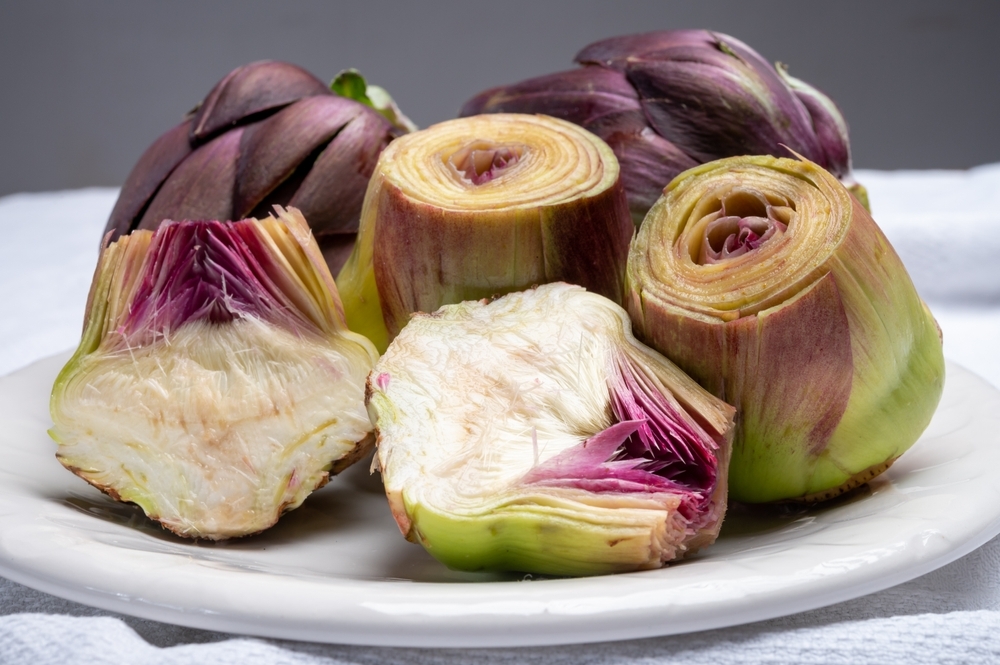
Another underappreciated source of fiber is artichokes, which have almost 10 grams per cup. They also contain a lot of vitamin C, a potent antioxidant that strengthens immunity and promotes the formation of collagen. You can use artichokes in a variety of ways, such as adding them to fresh salads, pasta, or pizza. Another quick and tasty snack option is marinated artichoke hearts.
Split Peas
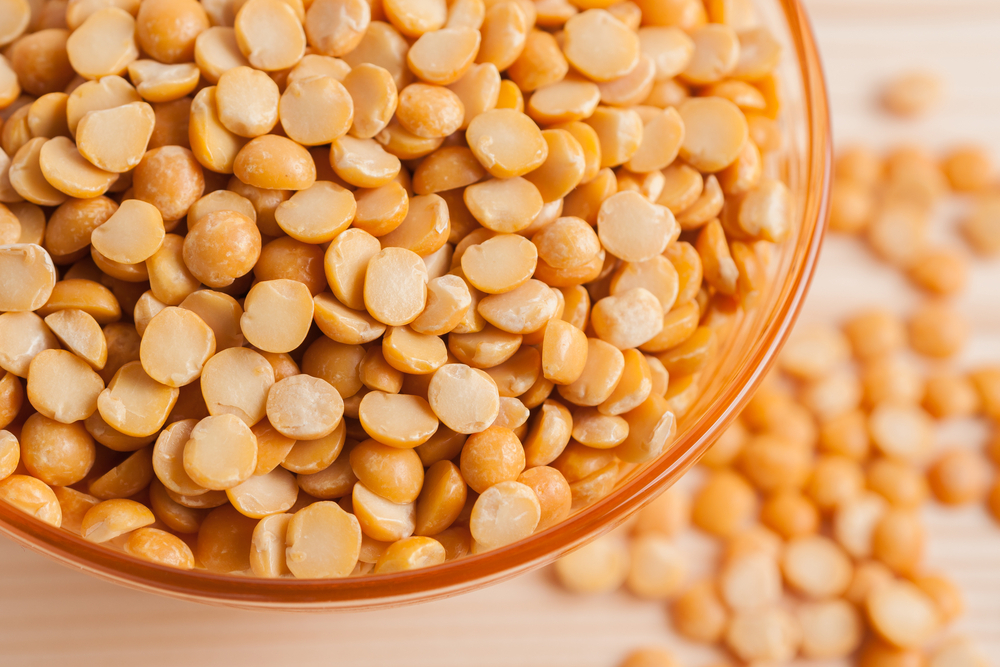
Split peas have roughly 16 grams of fiber per cooked cup, which is comparable to beans. They are especially rich in soluble fiber, which promotes heart health and lowers cholesterol. Because of their earthy flavor, split peas are frequently used in traditional soups and stews. In addition to being incredibly comforting, split pea soup is a great way to get fiber into your diet.
Raspberries
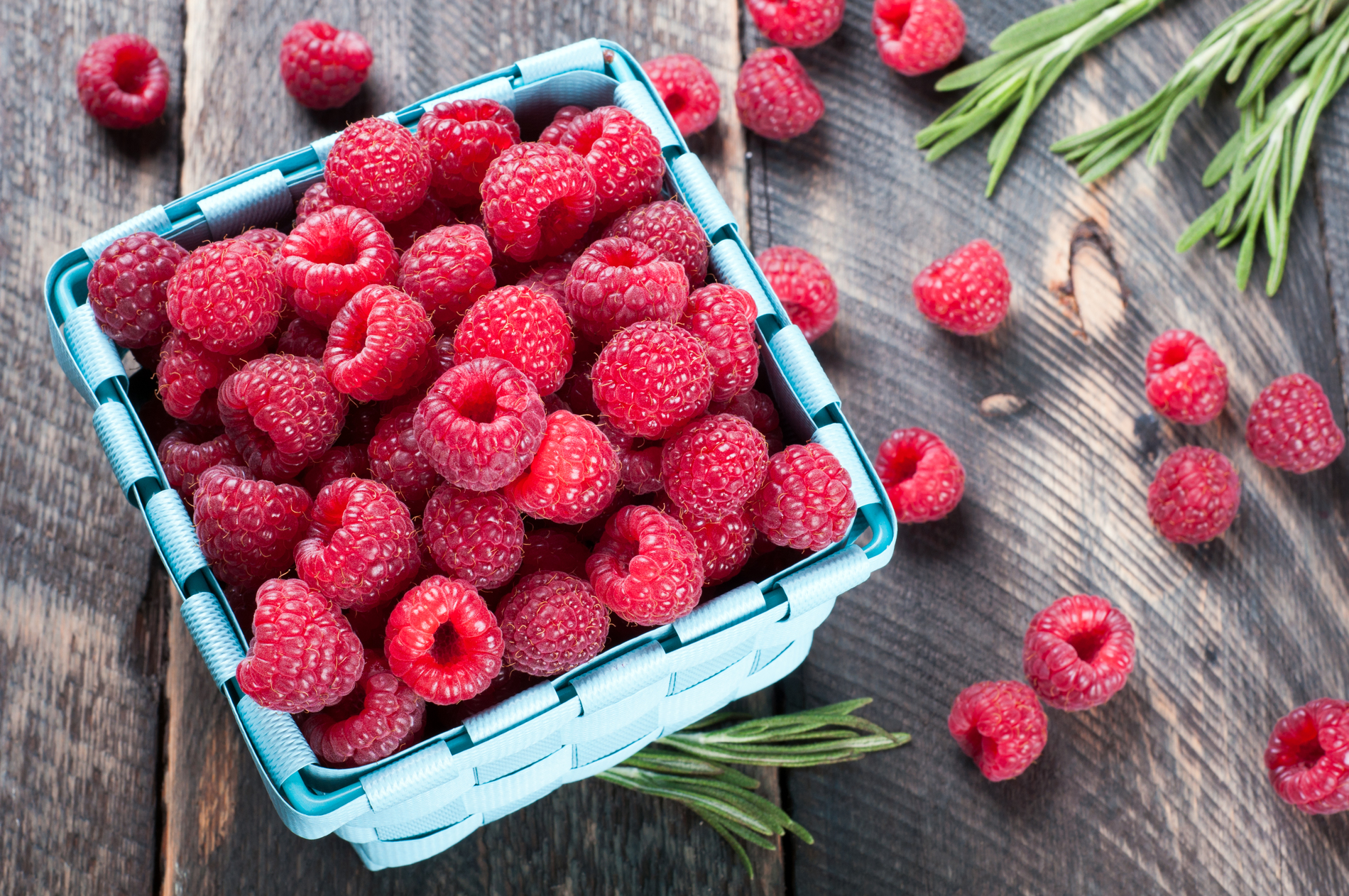
The fact that fiber isn’t limited to grains and beans is demonstrated by raspberries. Eight grams of fiber and several antioxidants that shield your cells from oxidative stress can be found in a cup of these sweet-tart berries. Although they taste great when eaten raw, you can also incorporate them into smoothies, oatmeal, or yogurt for a nutrient-dense start to the day.
Barley
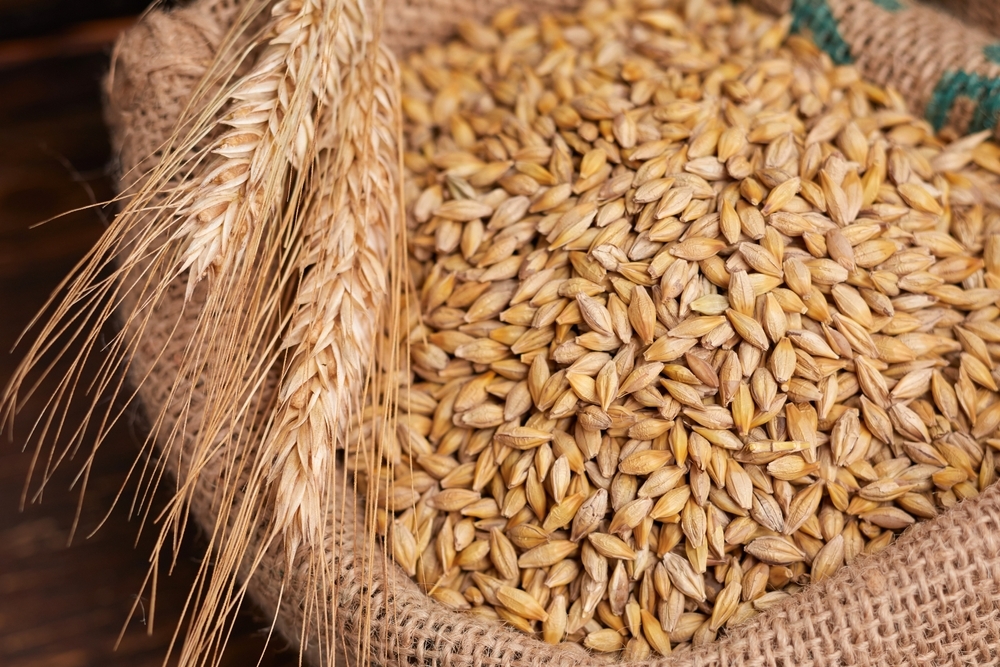
Even though barley doesn’t have as much fiber per serving as beans, it still contains a healthy 6 grams per cooked cup, the majority of which is soluble fiber. This kind of fiber is great for stabilizing blood sugar levels and reducing cholesterol. Barley’s chewy texture and nutty flavor make it a great addition to soups, grain salads, and hearty bowls and pilafs.