All of us want to eat healthily and live long, happy lives, but occasionally, even the most common foods on our plates may be harmful to us over time. Certain foods, particularly when consumed frequently or prepared in unhealthy ways, may increase the risk of cancer, according to research from reputable organizations such as the American Institute for Cancer Research and the World Health Organization (WHO), as well as registered dietitians. We are going to break down 16 of these foods below and discuss the importance of making thoughtful decisions.
1. Processed Meats

According to the WHO, processed meats such as salami, ham, sausages, bacon, and hot dogs are Group 1 carcinogens, which means there is substantial evidence that they can cause cancer in people, particularly colorectal cancer. During digestion, the nitrates and nitrites found in these meats can change into substances that cause cancer. Instead of considering these meats to be dietary staples, dietitians advise treating them as occasional indulgences.
2. Red Meat (Beef, Pork, Lamb)
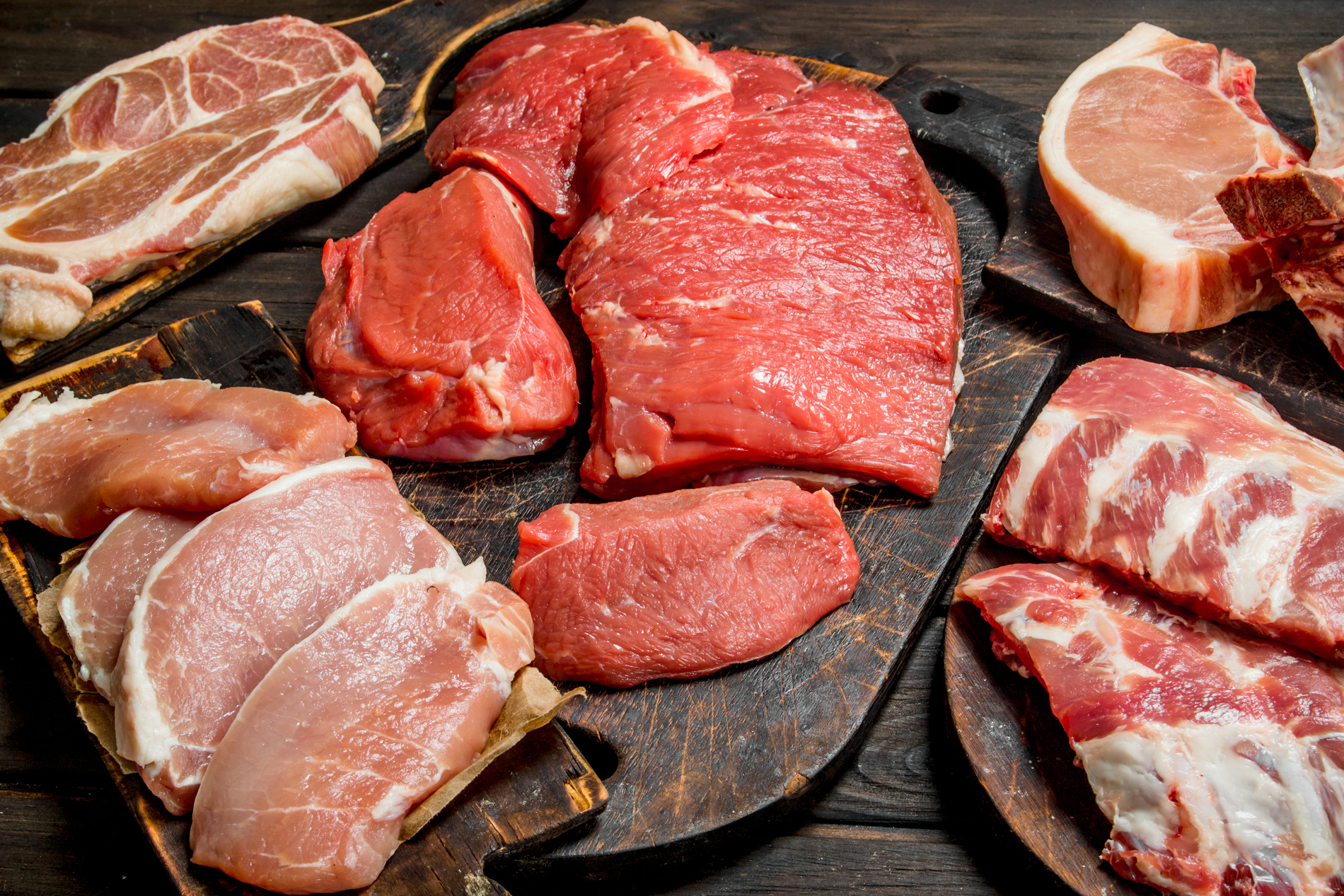
Although red meat is high in iron and protein, frequent consumption of it has been associated with a higher risk of pancreatic and colorectal cancers. Red meat’s heme iron and the carcinogenic substances produced by high-temperature cooking techniques like grilling and frying are the causes for concern. Experts recommend choosing lean cuts whenever possible and consuming no more than 18 ounces of red meat per week.
3. Sugary Drinks

Sugary drinks like sodas, energy drinks, sweetened iced teas, and even some fruit juices can raise blood sugar levels and increase the risk of cancer by causing weight gain, insulin resistance, and systemic inflammation. Regular consumption of sugary drinks may raise the risk of pancreatic and breast cancer, according to research. Better options for daily use are water, unsweetened tea, or infused water.
4. Alcohol

Breast, esophageal, liver, colorectal, and head and neck cancers are among the seven cancers that are directly associated with alcohol use. Even moderate to light drinking can raise your risk of developing cancer. The safest course of action, according to dietitians, is to abstain from alcohol entirely or limit consumption to one drink for women and two for men per day.
5. Fried and Deep-Fried Foods

Acrylamide, a potentially cancer-causing substance created when starchy foods are cooked at high temperatures, can be found in foods like doughnuts, fried chicken, and French fries. Furthermore, frying oils that are used frequently can degrade into toxic trans fats and oxidation byproducts. These substances fuel inflammation, which in turn fuels the growth of cancer.
6. Ultra-Processed Packaged Foods
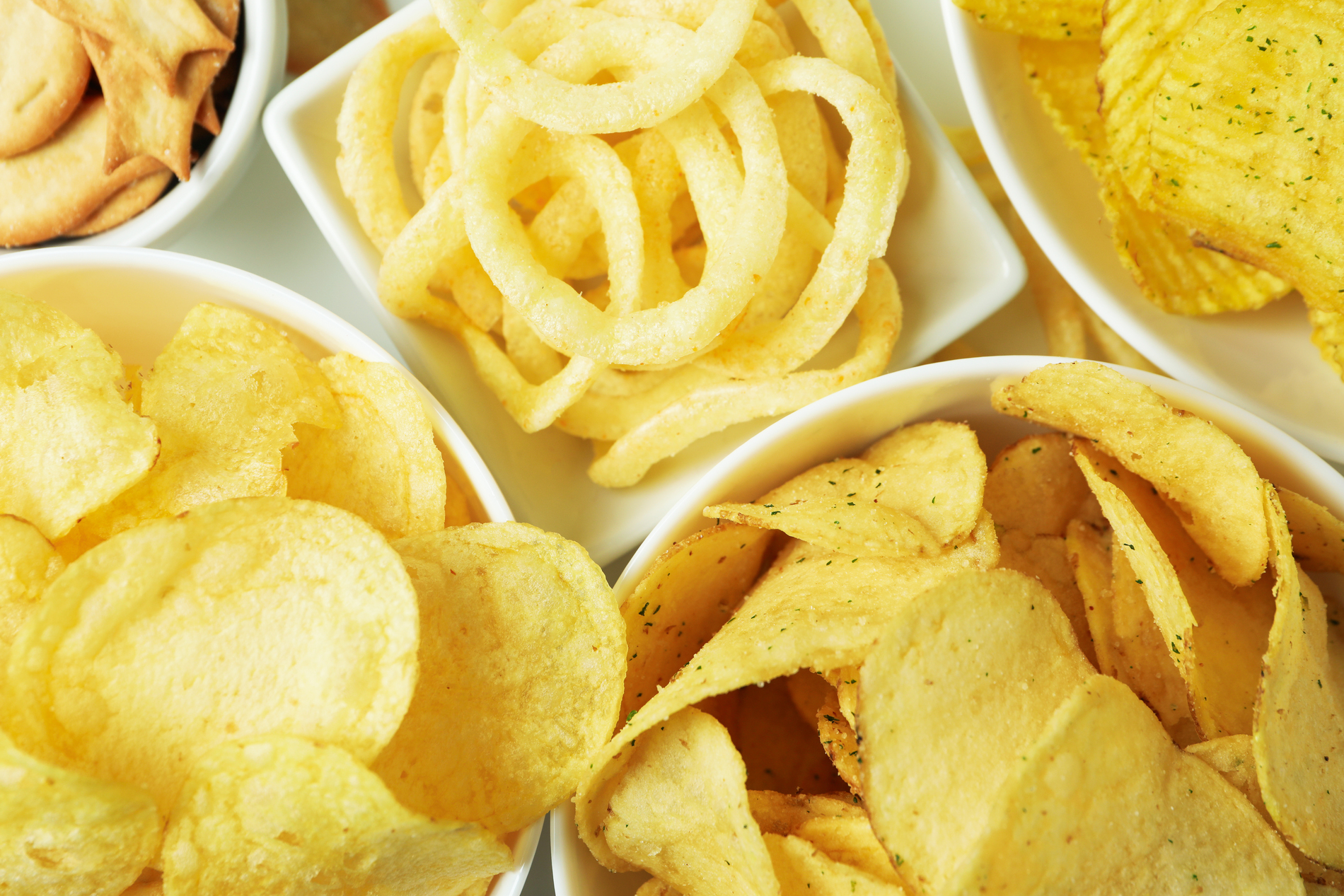
Chemical additives, preservatives, emulsifiers, and colorings are frequently found in highly processed foods, such as snack bars, frozen meals, flavored chips, and instant noodles. According to a 2018 study that was published in the BMJ, consuming 10% more ultra-processed foods was linked to a 10% increase in the risk of developing cancer overall. Dietitians advise consuming whole foods and carefully reading ingredient labels.
7. Grilled or Charred Meats
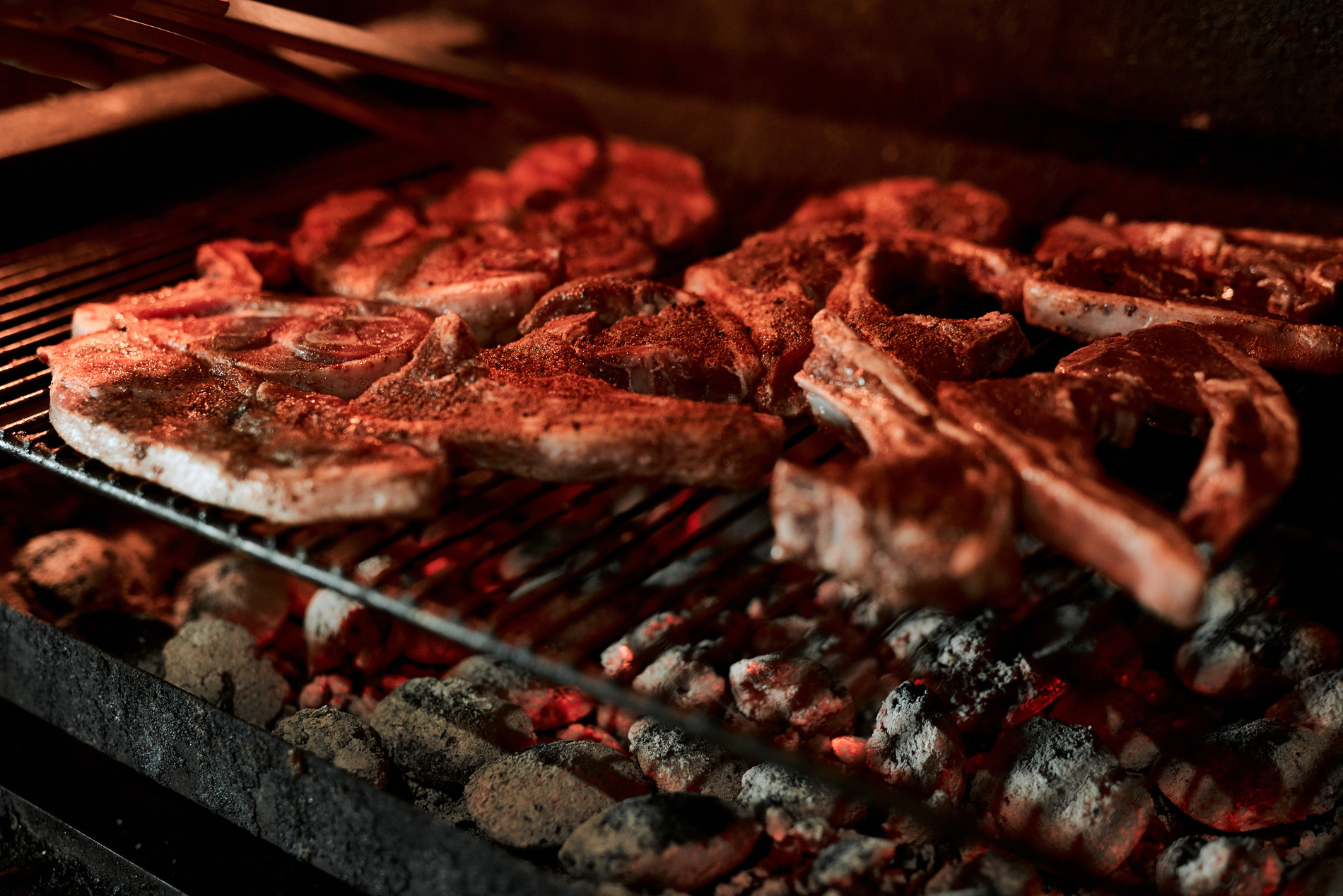
Polycyclic aromatic hydrocarbons (PAHs) and heterocyclic amines (HCAs), which have been shown in animal studies to cause cancer, can be produced when meat is grilled at high temperatures or over an open flame. When muscle meat is well-done or charred, these chemicals are created. Experts advise marinating meat in advance, flipping it frequently, and avoiding direct flame contact to lower risk.
8. Refined Carbs and Sugary Snacks
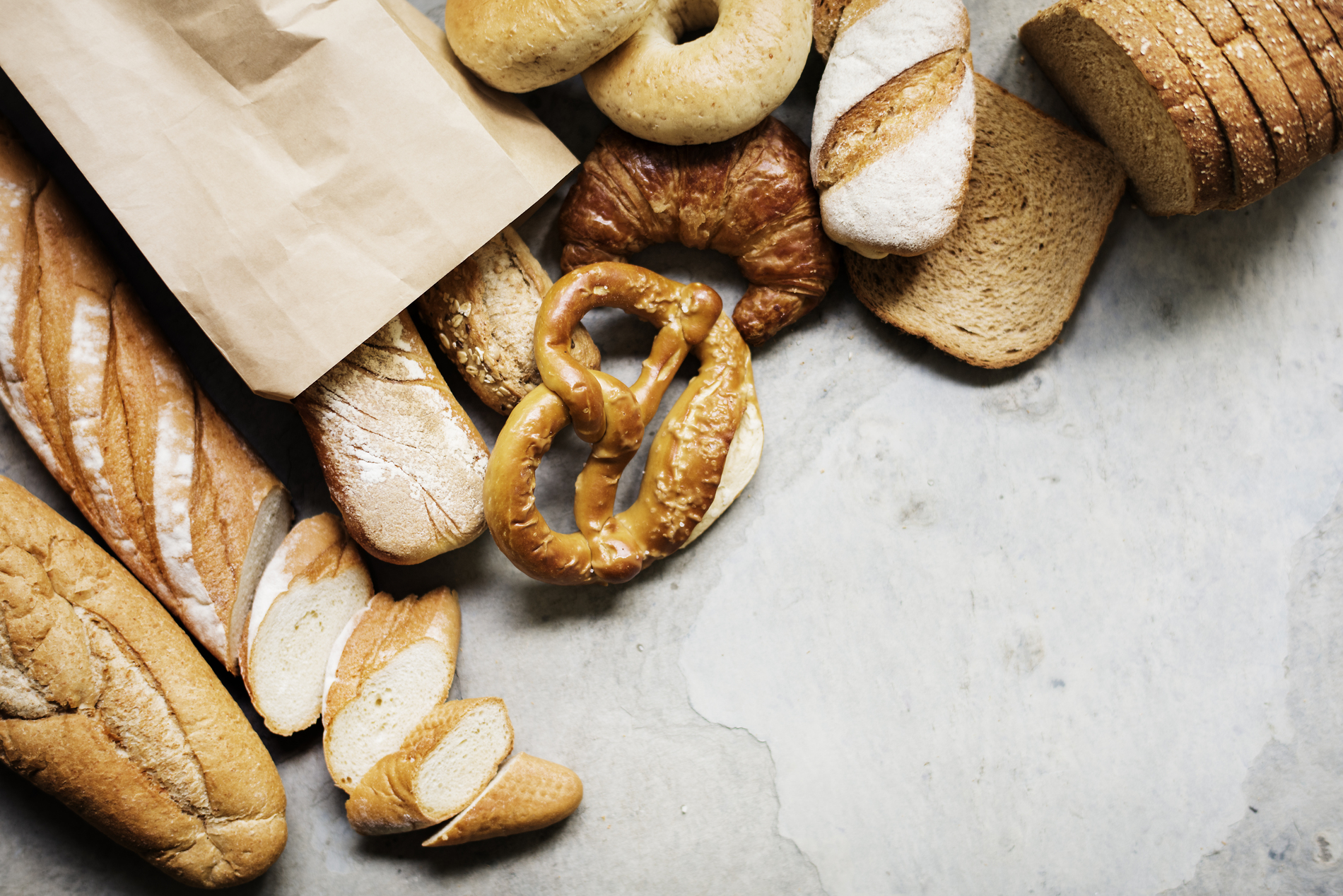
White bread, pastries, and a lot of packaged snacks are examples of refined carbohydrates that can quickly raise blood sugar levels, which can result in insulin resistance and chronic inflammation. This metabolic imbalance has the potential to exacerbate cancer over time, especially in the breast and colon. Choosing foods high in fiber and whole grains helps prevent cancer and stabilize blood sugar.
9. Artificial Sweeteners (in large quantities)

Although the FDA has deemed the majority of artificial sweeteners safe, some, such as aspartame and saccharin, have been connected in animal studies to cancer when ingested in extremely high concentrations. Many nutritionists recommend using these sweeteners sparingly and, whenever feasible, opting for natural substitutes like stevia, even though there is currently inconclusive human research on the subject.
10. Canned Foods with BPA
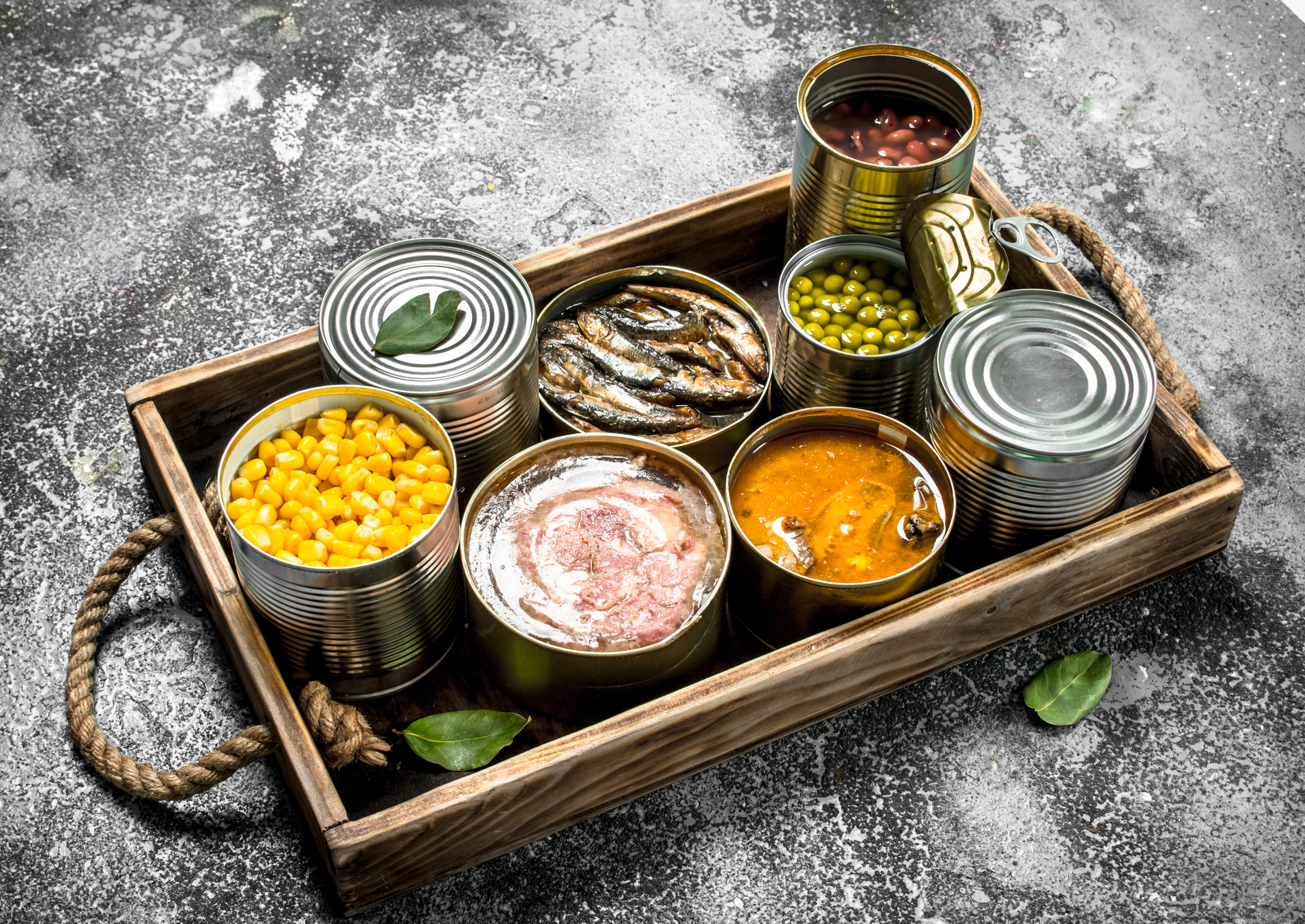
Bisphenol A (BPA), a substance that can contaminate food and mimic estrogen in the body, is found in the lining of many canned foods. As an endocrine disruptor, BPA has been linked to a higher risk of hormone-related cancers, including prostate and breast cancer. One way to lessen exposure is to use fresh or frozen produce instead of cans that contain BPA.
11. Microwave Popcorn Bags

Perfluorooctanoic acid (PFOA), a substance connected in animal studies to testicular, liver, and kidney cancers, is coated on some microwave popcorn bags. Some brands still use artificial flavorings like diacetyl, which may have additional health risks, even though the majority have phased out PFOA. A safer option is to make air-popped popcorn at home.
12. Trans Fats and Hydrogenated Oils
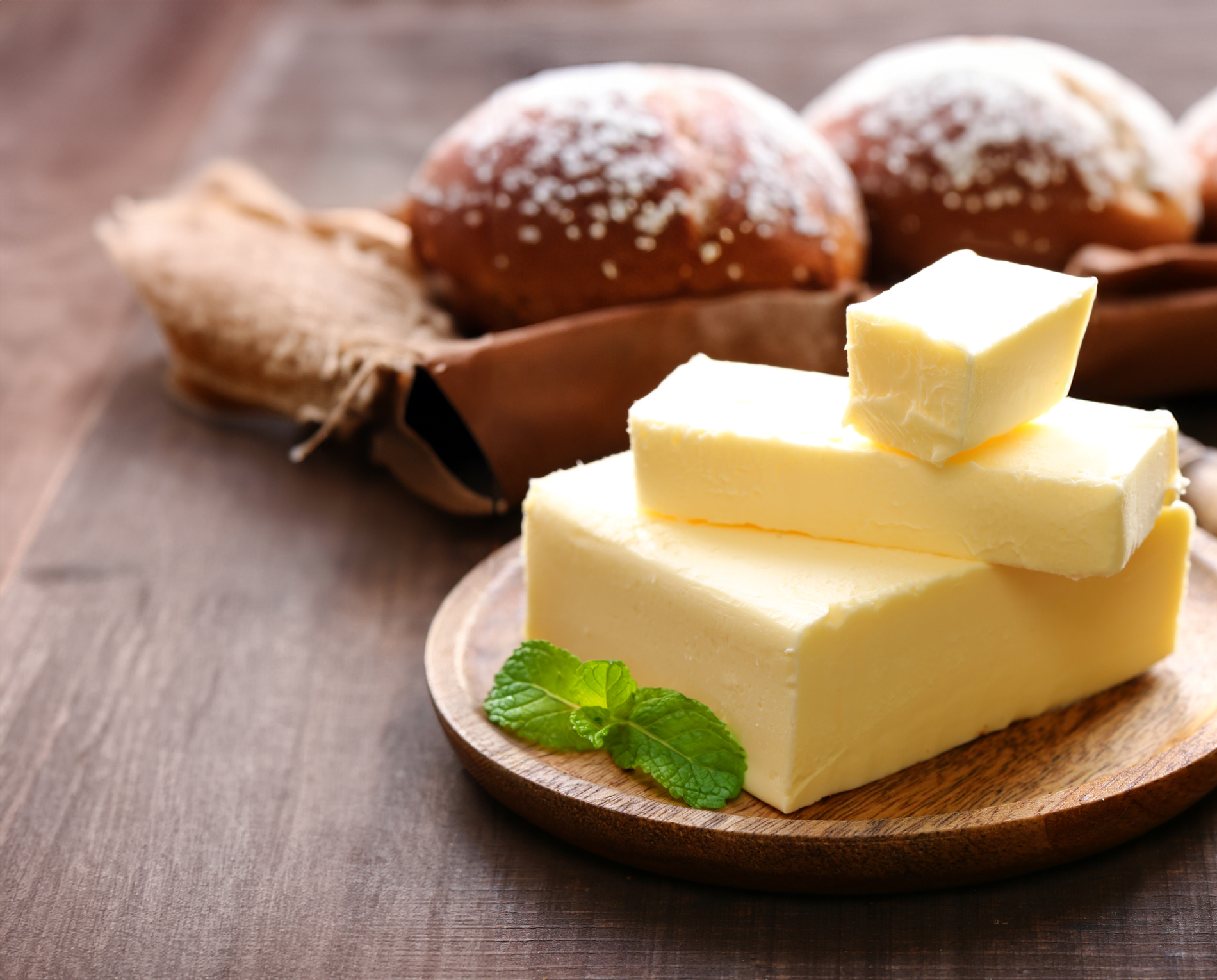
Trans fats, which raise inflammation and may play a role in the development of cancer, are known to be present in partially hydrogenated oils, which were formerly widely used in margarine, baked goods, and snacks. Even though these oils are prohibited in many nations, they might still be found in some imported goods. Read labels carefully and stay away from products that contain “partially hydrogenated oils.”
13. High-Salt Processed Foods

Processed foods that contain a lot of salt include pickles, cured meats, canned soups, and some Asian dishes. Consuming too much sodium has been linked to an increased risk of stomach cancer and can harm the lining of the stomach. Dietitians advise consuming less sodium and balancing foods high in potassium with those high in salt.
14. Fast Food Meals

Fast food frequently contains high levels of refined carbohydrates, sugars, saturated fats, and artificial additives, all of which can exacerbate inflammation and obesity. In turn, obesity has been linked to at least 13 different forms of cancer. While occasional fast food is acceptable, it shouldn’t become a daily routine. Better control over ingredients and portions is possible when cooking at home.
15. Flavored Yogurts with Additives

Yogurt with flavors frequently has a lot of added sugars, artificial sweeteners, and stabilizers, even though it can be a great source of calcium and probiotics. These kinds can cause inflammation and upset gut flora if consumed in excess. A healthier and more cancer-smart choice is to use plain Greek yogurt and add fresh fruit.
16. Excessive Dairy Consumption
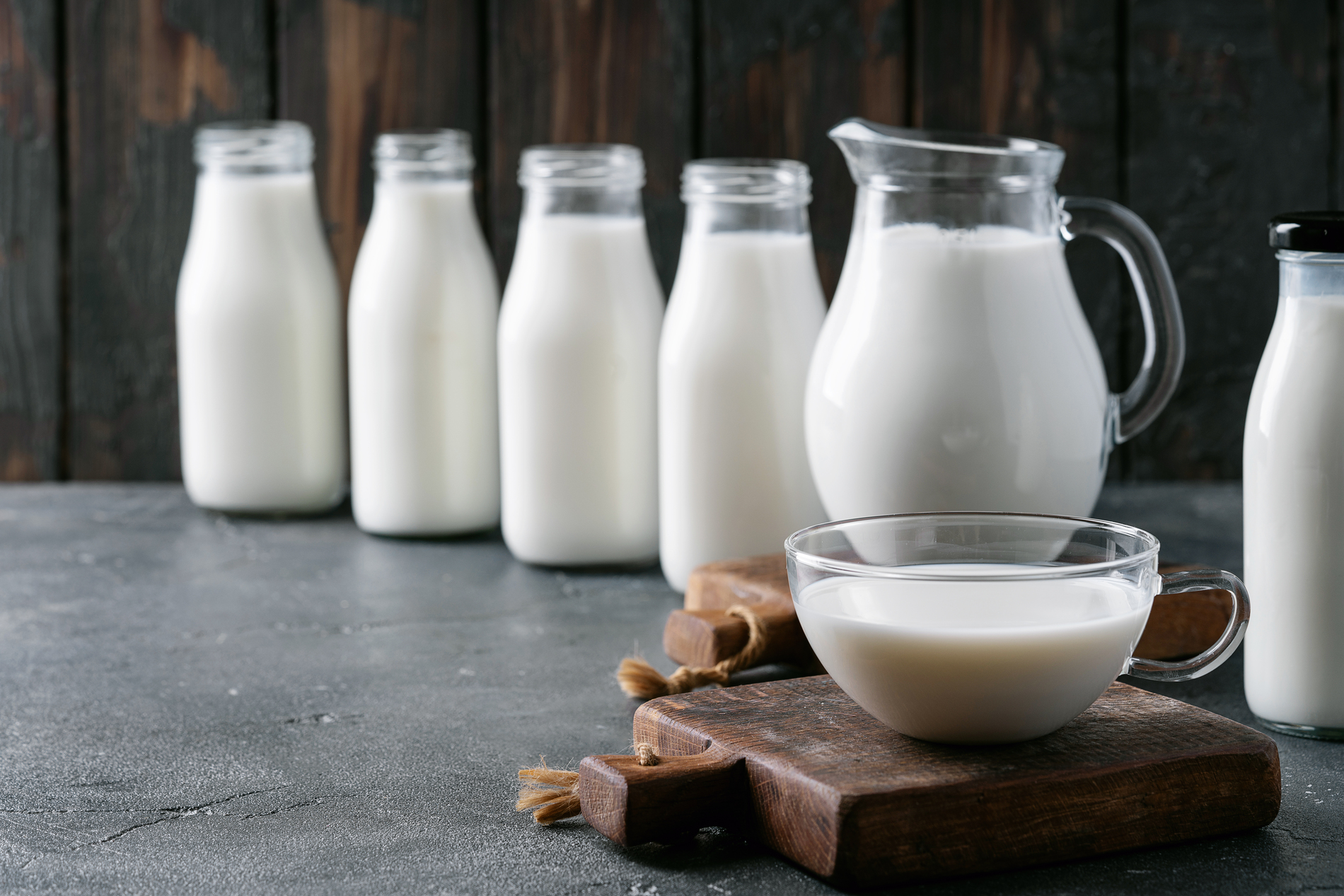
High dairy consumption, especially of whole milk, has been associated in some studies with a higher risk of prostate cancer. The hormonal content of milk or an excessive calcium intake may be the cause. Plant-based substitutes like almond or oat milk can provide variety, but moderation is key when it comes to dairy consumption.
There’s no need to freak out or cut out all of the foods on this list. Your overall eating habits—rather than the occasional indulgence—are what really count. Your long-term cancer risk can be considerably decreased by limiting known risk factors such as processed meat, sugary drinks, and deep-fried foods and by emphasizing whole, minimally processed foods.