

We all desire radiant, youthful skin, but many of us unwittingly damage our complexions with routine behaviors. Board-certified dermatologists claim that minor skincare errors can hasten the appearance of fine lines, sagging, and dullness.
Thankfully, there is always time to alter one’s direction. Here are 15 typical errors that may be causing your skin to age too quickly, along with solutions, supported by professional guidance and clinical insights.
1. Skipping Sunscreen (Even Indoors and in Winter)

Sun protection isn’t limited to beach days. Most dermatologists concur that UV radiation—particularly UVA rays—is the primary cause of premature aging. Even when you’re inside or driving, UVA rays can pass through glass, windows, and clouds. Over time, these rays degrade collagen and elastin, resulting in sagging, wrinkles, and hyperpigmentation. The American Academy of Dermatology (AAD) claims that wearing sunscreen every day can greatly lessen these aging symptoms. The solution is straightforward: every morning, all year long, apply a broad-spectrum sunscreen with an SPF of 30 or higher. Select sunscreens that contain antioxidants, such as niacinamide or vitamin C, to counteract free radicals for extra protection.
2. Over-Exfoliating or Using Harsh Scrubs

Exfoliation brightens the complexion and helps get rid of dead skin cells, but it can backfire if done too often or vigorously. Excessive exfoliation can harm the skin barrier and cause redness, sensitivity, and inflammation, particularly when done with physical scrubs that contain coarse particles. Dermatologists advise using mild chemical exfoliants such as lactic acid, glycolic acid, or polyhydroxy acids (PHAs) and limiting exfoliation to two to three times per week. Without creating microtears or depriving your skin of vital moisture, these ingredients encourage cell turnover.
3. Sleeping with Makeup On

Going to bed without taking off your makeup is one of the quickest ways to age your skin. Makeup draws dirt, pollutants, and free radicals throughout the day. In addition to causing clogged pores, inflammation, and accelerated collagen degradation, leaving it on overnight stops your skin from going through its natural repair cycle. Establish a double cleansing routine at night to prevent these problems: first, remove makeup with an oil-based or micellar cleanser, and then, thoroughly clean the skin with a mild foaming or cream cleanser.
4. Using Too Many Active Ingredients at Once
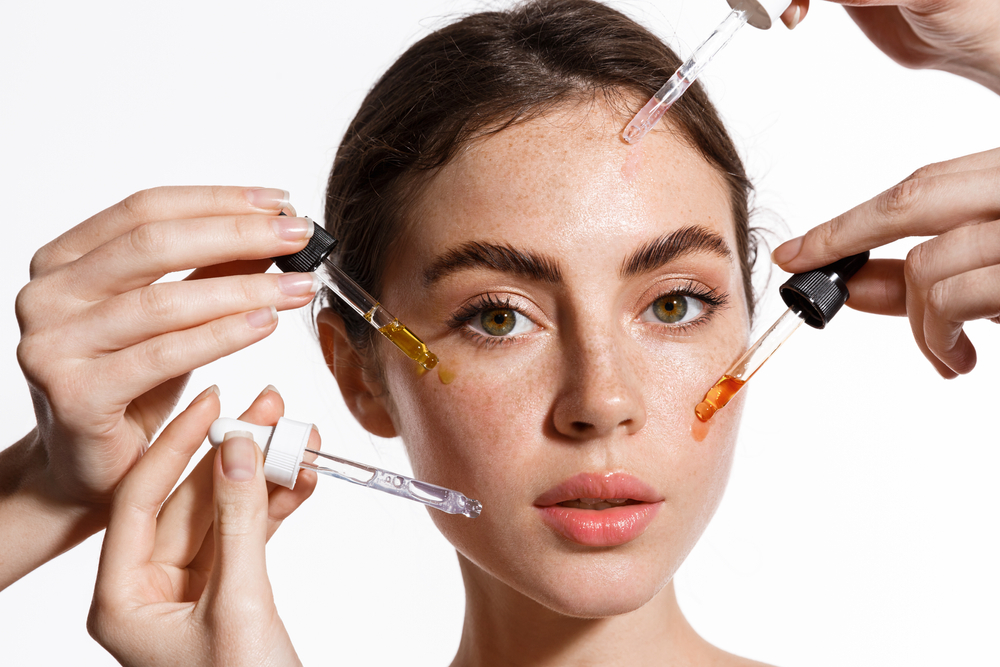
It’s tempting to incorporate popular skincare ingredients like vitamin C, acids, and retinoids into your routine all at once. On the other hand, combining several active ingredients without the right advice can cause skin irritation and result in diseases like contact dermatitis or sensitivity-induced aging. Dermatologists suggest introducing active ingredients gradually; begin with one and give it time to take effect before adding another. To avoid overuse and promote skin recovery, you can also engage in “skin cycling,” which involves switching up the active ingredients on different nights.
5. Neglecting Your Neck, Chest, and Hands

Despite being among the first to exhibit signs of aging, these areas are frequently disregarded in skincare regimens. Dryness, wrinkles, and pigmentation are more likely to occur on the hands, neck, and chest (décolletage) due to their thinner skin and fewer oil glands. If you ignore these areas, your skin may appear uneven in relation to your face. The answer is simple: treat your hands, neck, and chest every day with the same moisturizers, sunscreen, and treatments you use on your face.
6. Not Moisturizing Enough

In addition to appearing lifeless, dry, dehydrated skin is more susceptible to fine lines and environmental stressors. The lipid barrier of the skin, which is crucial for keeping irritants and pollutants out, is compromised by dehydration. Moisturizing is essential regardless of your skin type. Seek out components that strengthen and hydrate the skin barrier, such as squalane, glycerin, ceramides, and hyaluronic acid. Apply an occlusive, such as shea butter or petrolatum, to seal in moisture for extra protection at night.
7. Smoking or Vaping

Collagen and elastin, two proteins that keep skin firm and elastic, are destroyed by the toxic chemicals found in cigarette smoke and vape aerosol. Additionally, nicotine constricts blood vessels, which lowers the amount of oxygen and nutrients that reach skin cells. This results in a drab complexion, wrinkles, and sagging skin, particularly around the mouth. Giving up smoking is one of the most significant changes you can make for the health of your skin because, as research published in JAMA Dermatology demonstrates, it can gradually improve the quality of your skin.
8. Not Getting Enough Quality Sleep

Sleep is essential for skin healing. Your body produces more collagen and increases blood flow to the skin while you sleep. This process is hampered by poor sleep habits, which also raise cortisol levels—a stress hormone that degrades collagen and causes inflammation. Lack of good sleep over time can cause dullness, under-eye puffiness, and early aging. To avoid wrinkles caused by pillows, dermatologists advise sleeping on your back and obtaining 7 to 9 hours of uninterrupted sleep each night.
9. Using Expired or Unstable Products

Over time, many active ingredients in skincare products, particularly antioxidants like vitamin C and retinol, deteriorate and lose their efficacy or, worse, start to irritate skin. Particularly if they are stored incorrectly or handled with the fingers in open jars, expired goods may contain mold or bacteria. If a product’s texture, color, or smell changes, always check the storage instructions and expiration date. To maintain the stability of your products, keep them out of direct sunlight and in a cool, dry location.
10. Skipping Antioxidants in Your Routine
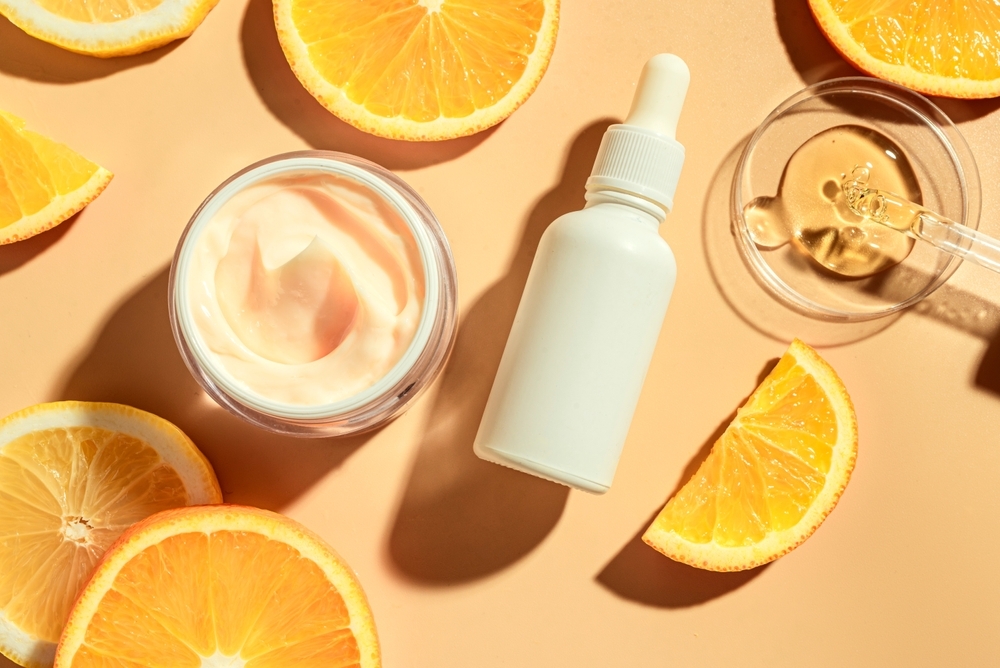
By destroying DNA and degrading collagen, free radicals produced by environmental aggressors such as pollution, UV rays, and blue light hasten the aging process of the skin. These free radicals are neutralized by antioxidants, which also lessen oxidative stress on the skin. Antioxidant serums, particularly those containing vitamin C, niacinamide, and resveratrol, can improve skin tone, brighten the skin, and increase the efficacy of sunscreen. For optimal protection, dermatologists advise using antioxidants in the morning under your SPF.
11. Not Drinking Enough Water (and Overdoing Alcohol)

Dehydration gives the skin a lifeless, drab appearance and can even make fine lines more noticeable. While staying hydrated promotes general skin function and elasticity, drinking water isn’t a panacea for glowing skin. Conversely, alcohol is a diuretic, which causes your body to lose water and makes you swollen, red, and irritated. Drink at least 8 cups (about 2 liters) of water each day and limit your alcohol consumption to maintain the balance of your skin.
12. Ignoring Stress and Mental Health

Stress has an impact on your face as well as your mind. Prolonged stress raises cortisol, which speeds up the breakdown of collagen and exacerbates inflammatory skin diseases like psoriasis, eczema, and acne. This causes premature wrinkles, dullness, and sagging skin over time. Your mental health and the appearance of your skin can be significantly improved by engaging in mindfulness, yoga, breathing techniques, and even professional therapy.
13. Squinting Without Sunglasses or Blue Light Protection

Frequent squinting brought on by screen glare or sun exposure results in repetitive muscle movements that cause fine lines and crow’s feet. Furthermore, oxidative stress and hyperpigmentation are exacerbated by blue light (from laptops and phones) and UVA rays. If you spend hours a day in front of a screen, dermatologists recommend wearing UV-blocking sunglasses outside and using skincare products that contain antioxidants or iron oxides to help counteract the effects of blue light.
14. Using Harsh Soaps and Hot Water

The skin becomes tight, dry, and vulnerable after being stripped of its natural oils by many conventional soaps. This is made worse by hot water, which dilates blood vessels and further damages the lipid barrier of the skin. As an alternative, wash your face with lukewarm water and use a pH-balanced, sulfate-free cleanser that honors the natural acidity of your skin. To seal in hydration, pat dry gently and apply moisturizer right away.
15. Skipping Dermatologist Check-Ins

Even if your skin seems to be in good condition, seeing a dermatologist once a year can help identify early signs of aging, skin cancer, or underlying skin conditions before they worsen. Dermatologists can tailor a regimen for your skin type in addition to suggesting prescription-strength treatments like tretinoin, chemical peels, microneedling, or laser resurfacing. Frequent dermatological care ensures long-term skin health and delays the onset of premature aging.
Although aging is unavoidable, you don’t have to look older than you actually are. You can protect your skin, maintain its youthful glow, and feel confident at any age by recognizing and fixing these 15 common skincare errors. Recall that the objective is to age gracefully, healthily, and according to your preferences, not to stop aging.