
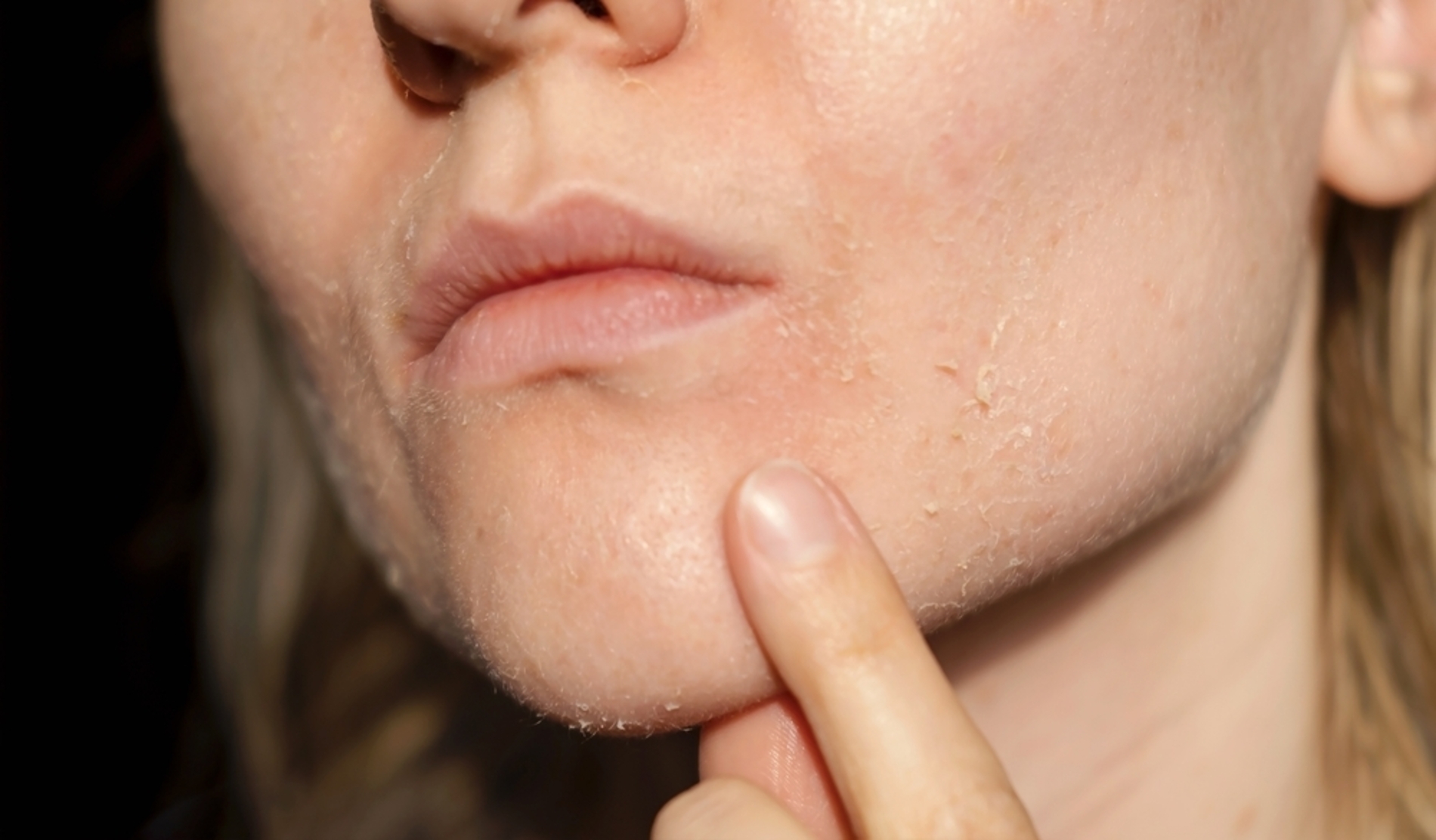
You’re not alone if, despite applying a lot of moisturizer, your skin frequently feels tight, flaky, or itchy. One of the most prevalent skin issues is dry skin, which can occur at any time of year due to factors like the hot summer sun, the cold winter air, or even prolonged use of air conditioners. The good news? You can restore your skin’s softness, comfort, and glow with the correct routines and products. Say goodbye to rough spots and hello to long-lasting hydration with these 13 easy and efficient dry skin care tips that use the most recent skincare research.
1. Start with a Gentle Cleanser
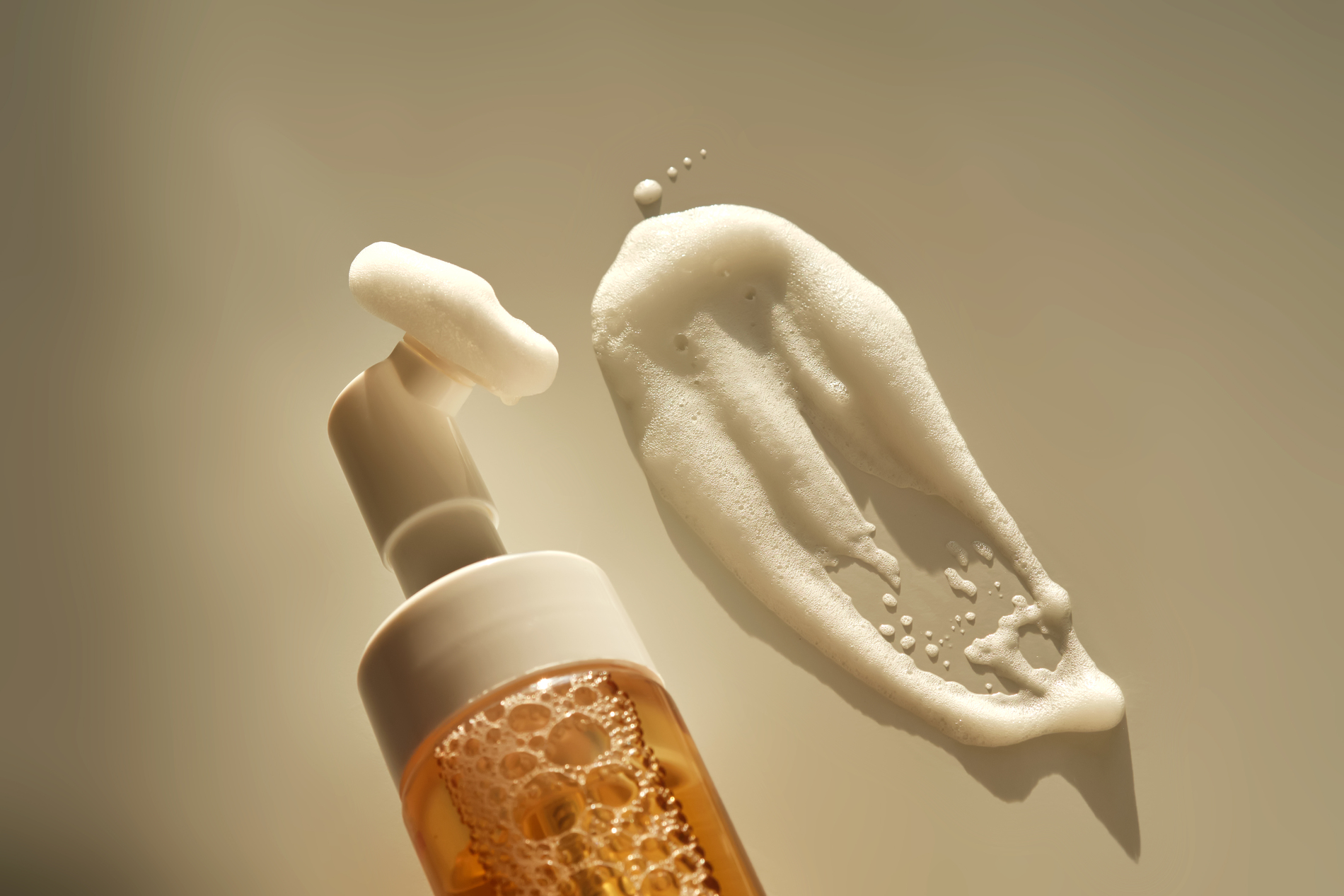
Cleaning is one of the most neglected aspects of dry skin care. Your skin may become tight and uncomfortable if harsh soaps or foaming cleansers deplete it of its natural oils. Rather, use a milky or creamy cleanser that isn’t scented or contains sulfates. Because they cleanse while preserving your skin’s natural moisture barrier, ingredients like glycerin, ceramides, and squalane are great options. Additionally, stay away from hot water; lukewarm water is much better for your skin and feels more soothing.
2. Don’t Skip the Toner (Go Alcohol-Free)

Many people with dry skin completely avoid using toners out of concern that they will exacerbate their condition. The fact is that, with careful selection, a good toner can be a hydration hero. Choose hydrating toners with calming ingredients like hyaluronic acid, rose water, or aloe vera instead of alcohol-based ones, which can be drying. After cleansing, these provide an additional layer of hydration and prime your skin for better absorption of the subsequent procedures.
3. Layer Lightweight Hydration
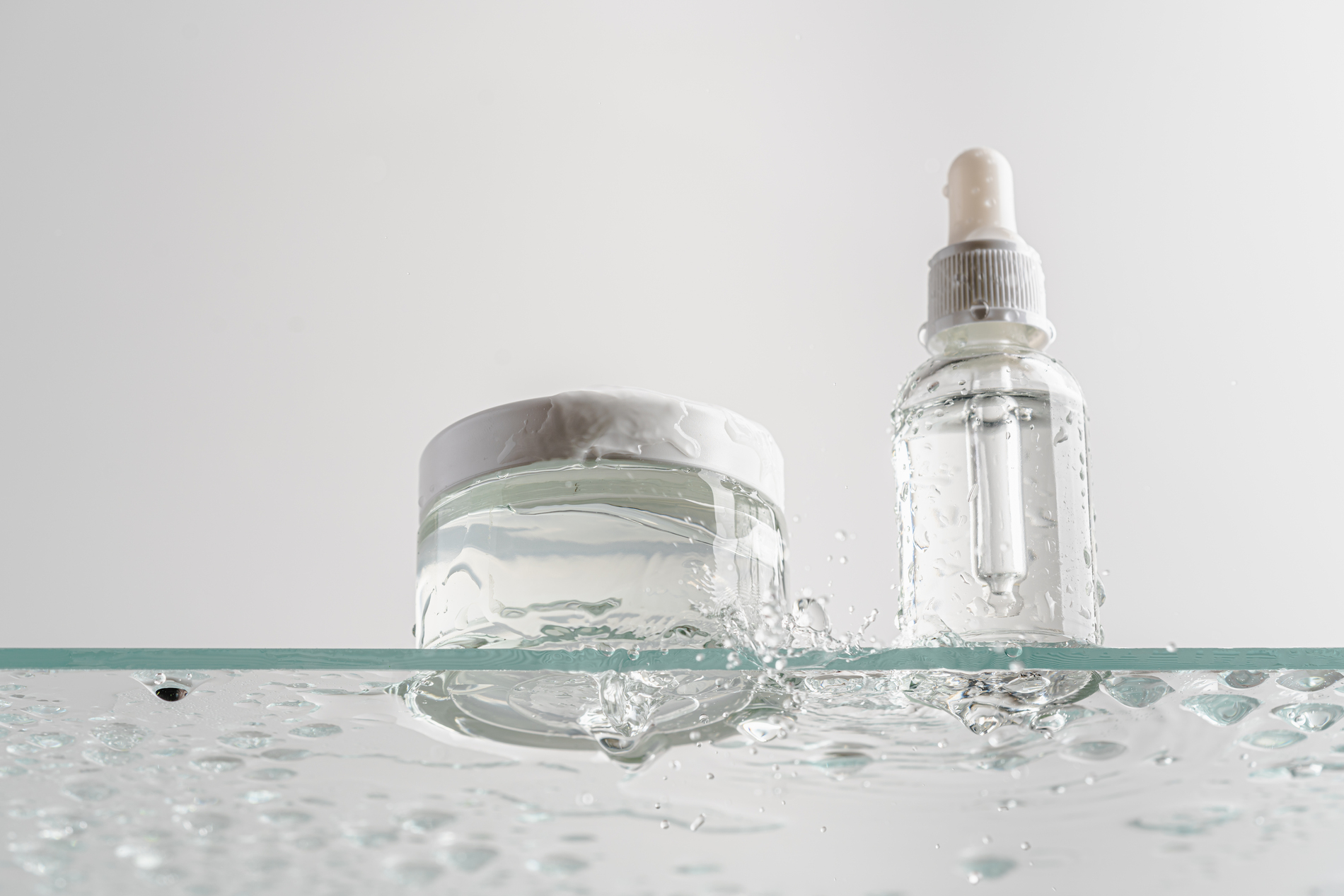
Instead of using a single, thick cream, consider your skincare routine as a way to build layers of hydration. Apply a hydrating serum while your skin is still slightly damp after cleansing and toning. Glycerin and hyaluronic acid-containing serums draw water into your skin cells like sponges. Your skin will feel plumper and more refreshed after this step, which also gives your moisturizer more to work with.
4. Lock It In with a Rich Moisturizer
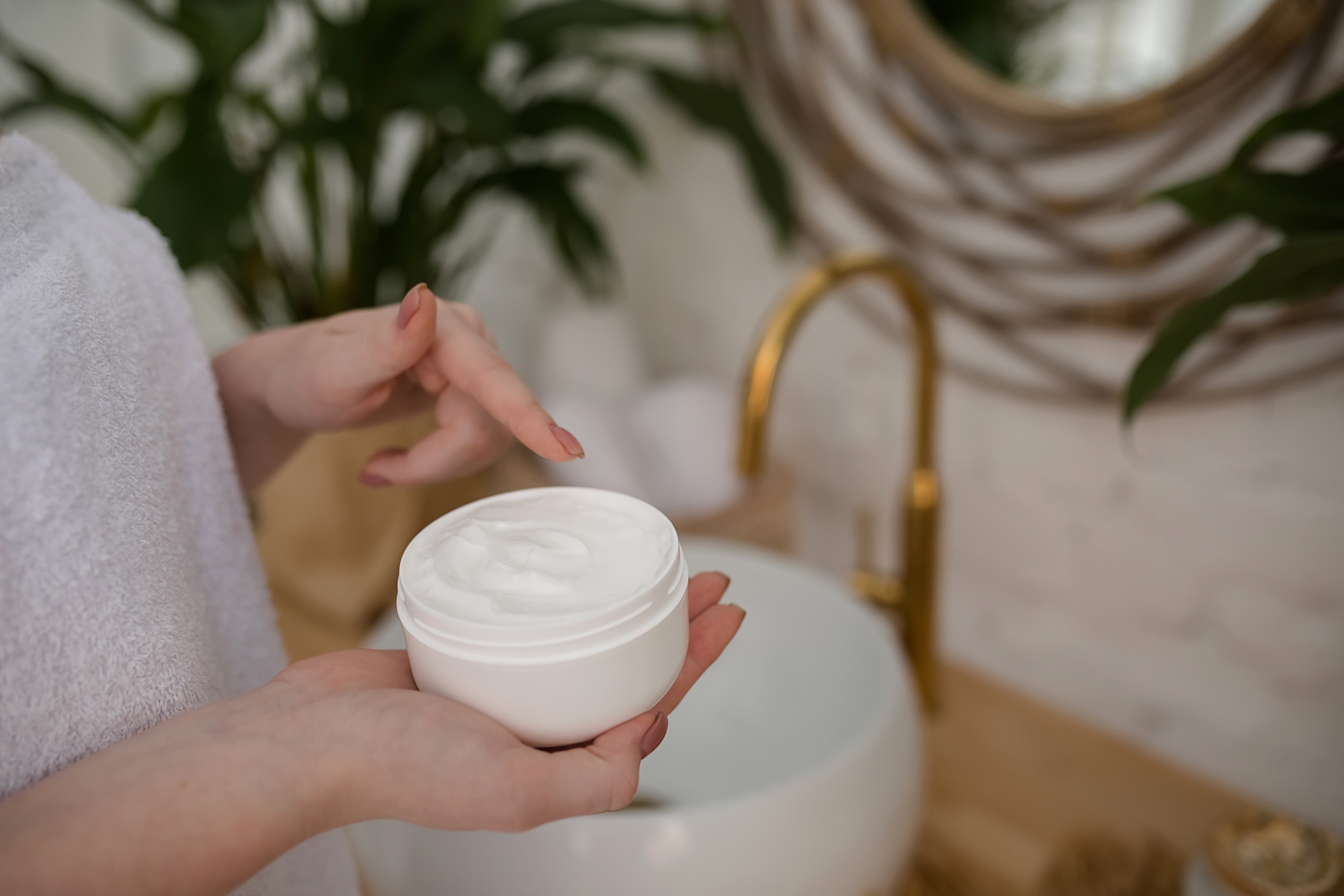
The key is locking it in after adding hydration. That’s what a rich, nourishing moisturizer does. Look for creams that contain ceramides, shea butter, or squalane—not lotions, which are lighter. These components help restore your skin’s protective layer by imitating and resupplying its natural lipids. To seal in that extra moisture, apply your moisturizer a few minutes after cleansing your face.
5. Seal Overnight with an Occlusive Layer
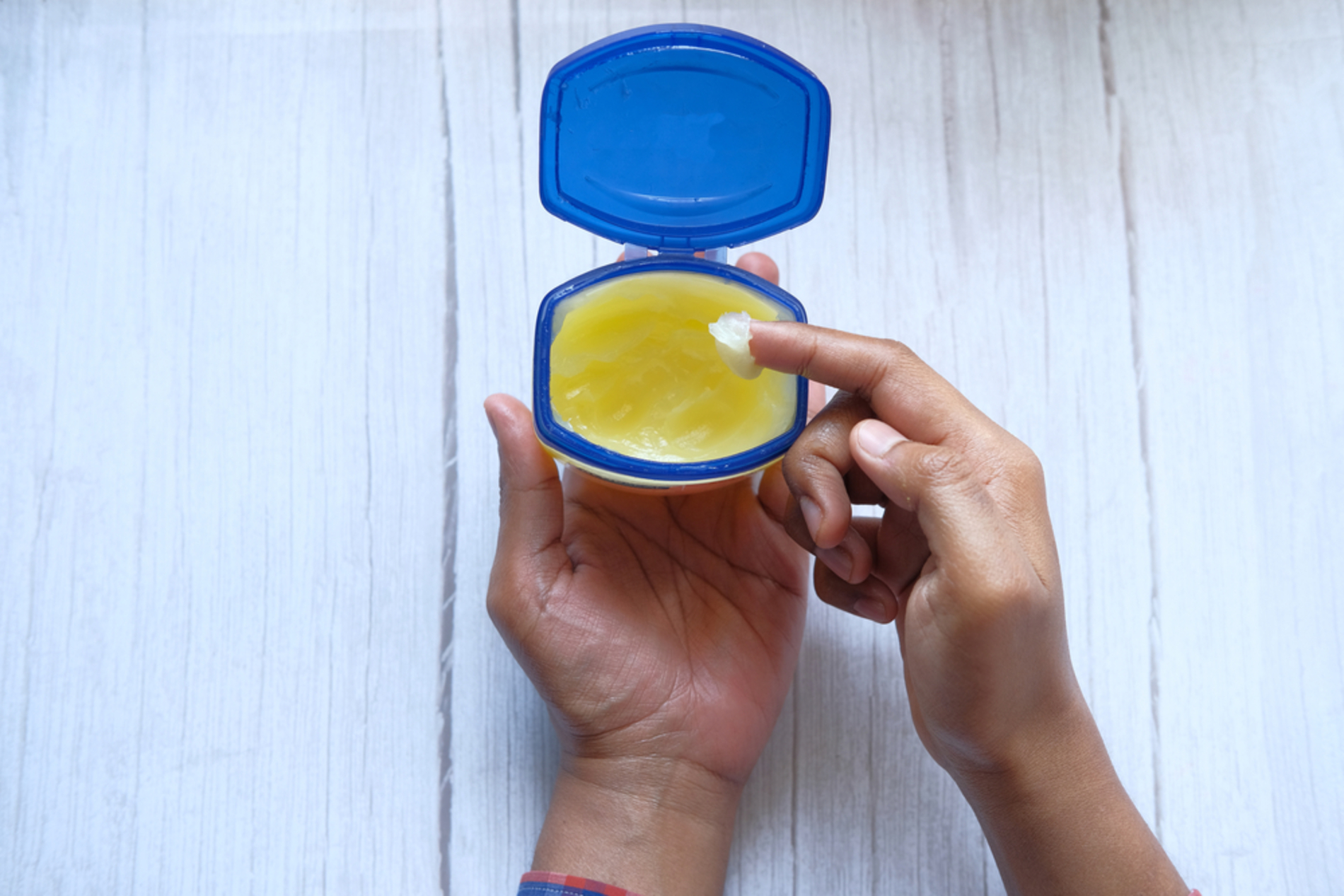
Try applying an occlusive over your nightly cream if your skin still feels dry after moisturizing. Occlusives, such as petroleum jelly, dimethicone, or a thick balm, are substances that form a barrier to stop water loss. The hydration from your serum and cream will remain in place while your skin heals itself overnight if you apply a light layer before bed.
6. Exfoliate Gently (Once or Twice a Week)

A buildup of dead skin can exacerbate dryness by preventing the absorption of your products. Gentle exfoliation can help with that. Use chemical exfoliants like lactic acid or polyhydroxy acids, which remove dead cells without irritating the skin, in place of harsh scrubs. Excessive exfoliation can cause your skin to become even drier, so only do it once or twice a week.
7. Treat Dry Spots, Not Just the Whole Face
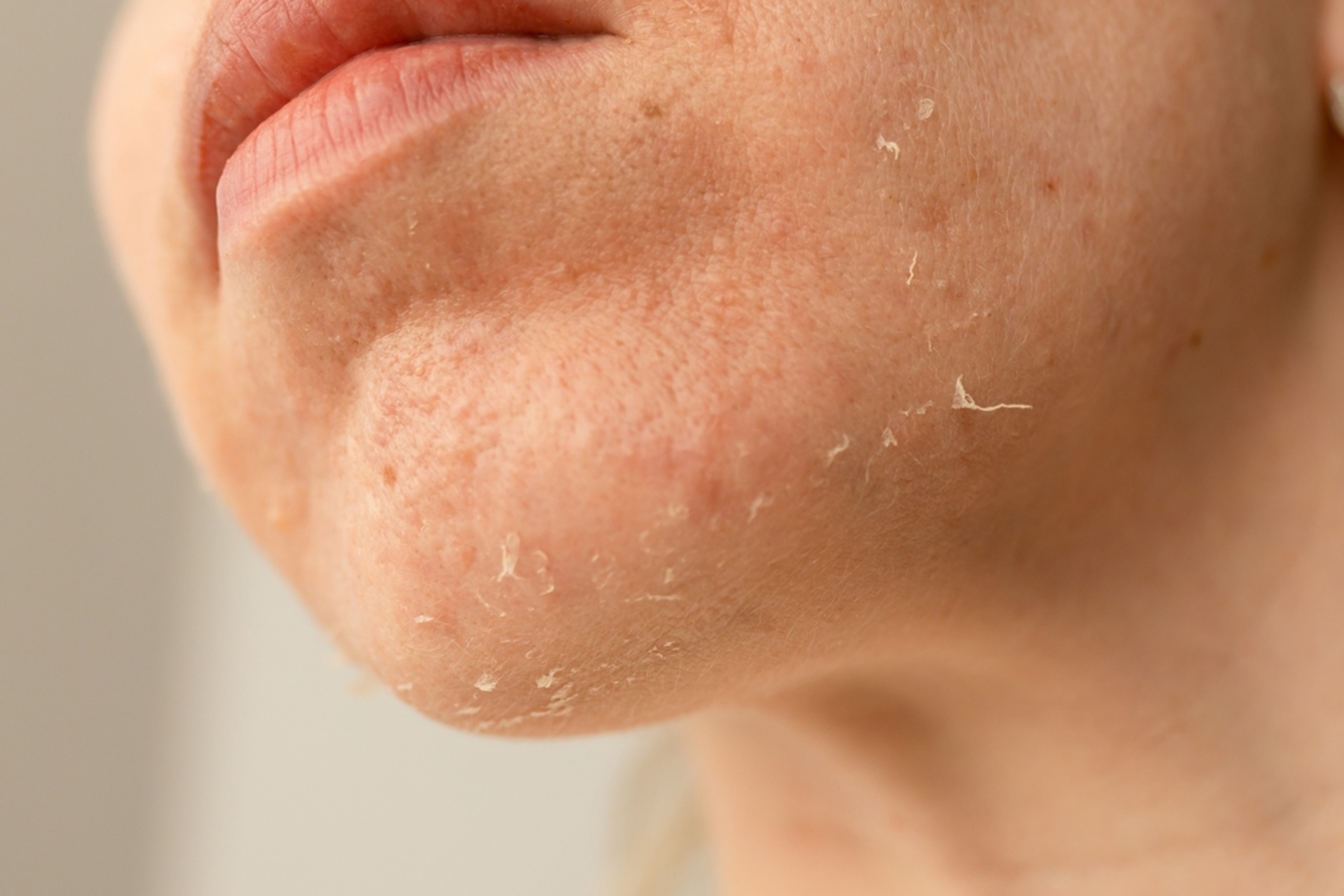
Your skin isn’t always equally dry. While other parts of your body feel fine, you may notice flaky patches around your forehead, chin, or nose. Try using a richer balm or ointment on those troublesome areas rather than slathering thick cream all over. This provides additional care where it’s most needed while maintaining the equilibrium of the rest of your skin.
8. Don’t Forget Your Lip Care

Just as uncomfortable as dry skin on your face can be flaky, dry lips. Throughout the day, reapply a nourishing lip balm that you keep close at hand. Seek out balms that contain ceramides, shea butter, or beeswax to help seal in moisture and heal cracks. Using a thicker lip mask at night can help you avoid waking up with chapped lips.
9. Make Smart Shower Choices

The way you bathe has a significant impact on how dry your skin feels. Your skin becomes tight and itchy after taking long, hot showers because they remove natural oils. Try to take lukewarm water showers for less than ten minutes. Next, use a towel to gently pat your skin, leaving some moisture behind, rather than rubbing it. When applied immediately, that moisture improves the absorption of your skincare products.
10. Use a Humidifier (Especially in Dry Climates or Air-Conditioned Rooms)

Persistent dryness is frequently caused by environmental factors. The air around you may be depleting your skin of moisture if you live in a dry climate or spend a lot of time in heated or air-conditioned spaces. By reintroducing water vapor into the atmosphere, a cool-mist humidifier can help your skin regain equilibrium and stay naturally hydrated.
11. Scan the Ingredients—and Ditch Irritants
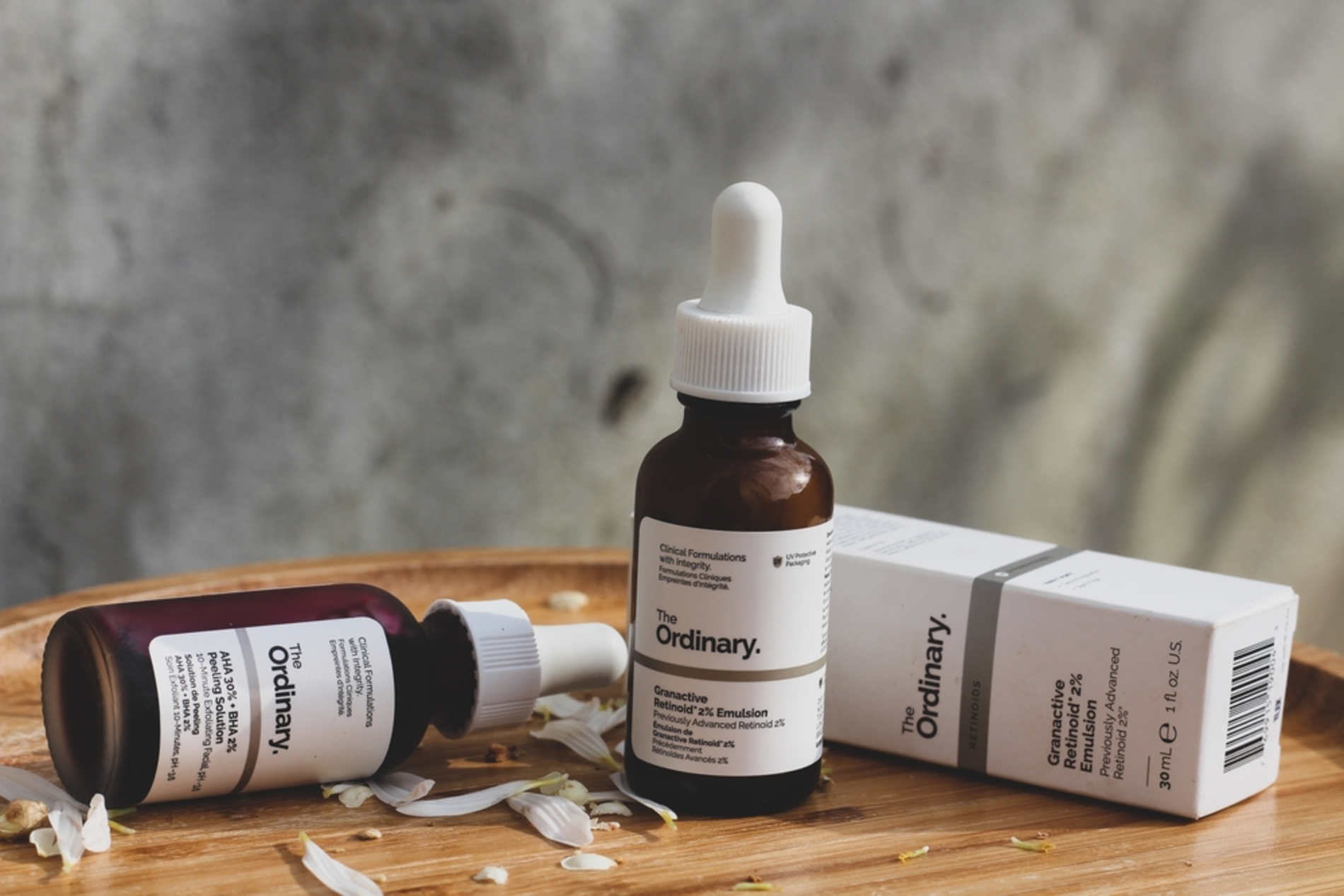
Occasionally, the skin care products you use may be making the situation worse. Your skin can become dry and irritated by harsh essential oils, strong alcohols, and fragrances. Always read ingredient labels, and choose products that say “fragrance-free” or “for sensitive skin.” For dry, sensitive skin, calming ingredients like colloidal oatmeal, panthenol, and niacinamide can be especially beneficial.
12. Hydrate from the Inside—but Not Exclusively

For general health, drinking enough water is crucial, but dry skin frequently requires more than internal hydration. However, a diet high in omega-3 fatty acids, which are present in foods like walnuts, flaxseed, and salmon, can support the lipid barrier of your skin. Reducing the intake of dehydrating beverages, such as excessive coffee or alcohol, also aids in the preservation of skin moisture. Consider it a two-pronged approach to hydrating your skin.
13. Use Sun Protection Every Day
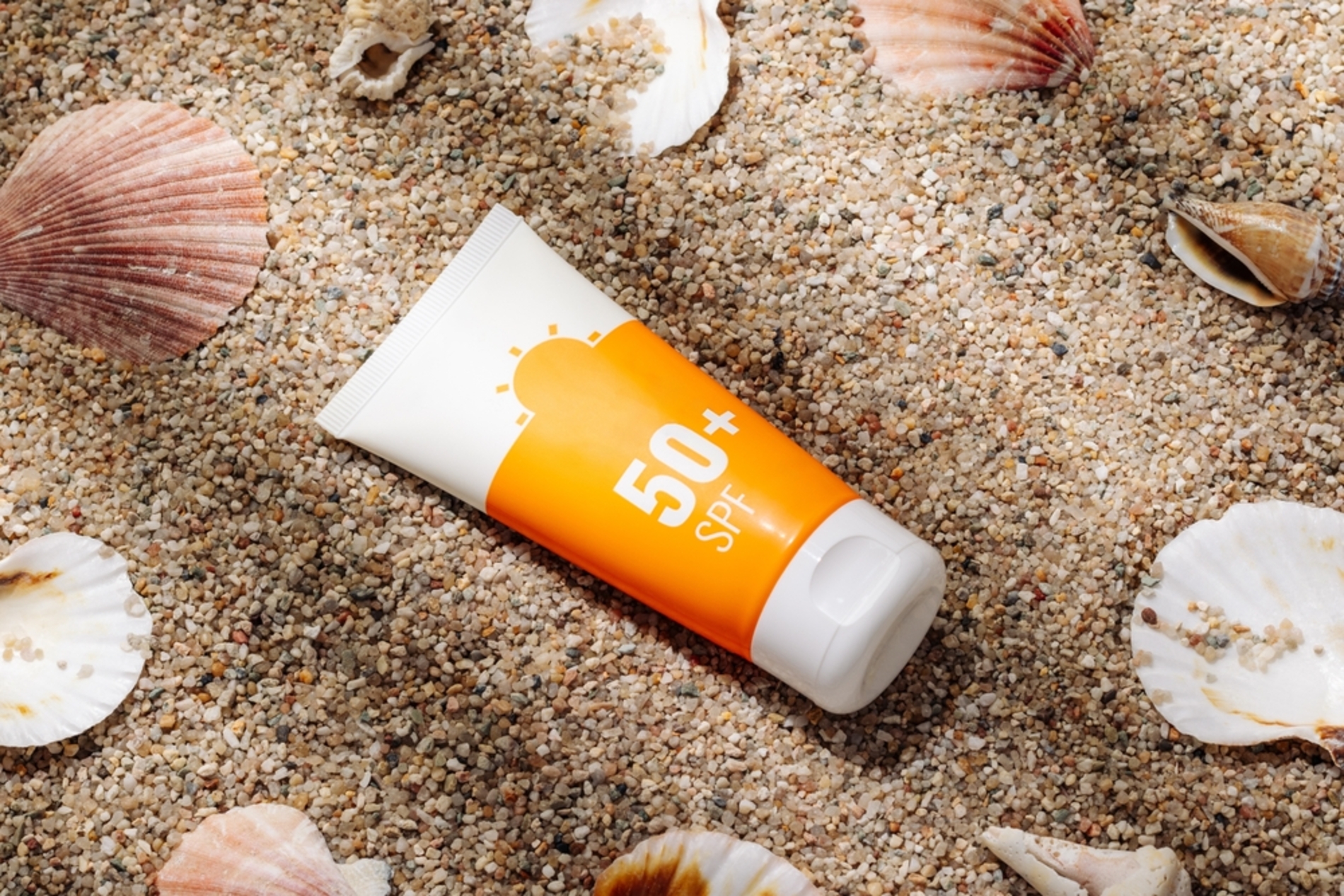
Sun damage is one of the main causes of dryness. In addition to causing aging, UV rays impair the skin’s capacity to hold onto moisture. Even on overcast days, it is imperative to use a broad-spectrum sunscreen with an SPF of 30 or higher every day. Mineral-based sunscreens with titanium dioxide or zinc oxide are frequently available in hydrating formulas and are less likely to irritate dry skin.
Taking care of dry skin doesn’t have to be a chore; instead, it’s about developing little routines that build up over time. Every action you take, from using mild cleansers to applying an occlusive at night, helps your skin retain moisture and fortify its natural defenses. Remember to nourish your skin from the inside out with adequate water and good fats, and shield it from the sun at all times. Consistent use will make your skin feel more comfortable, soothed, and softer throughout the year.