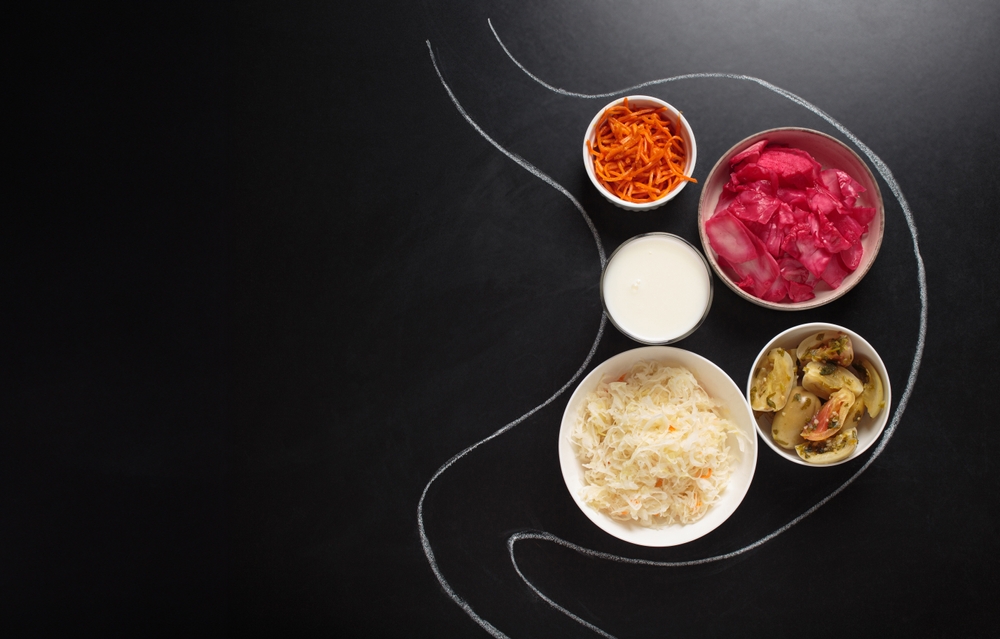
In our fast-paced, ultra-processed world, the secret to peak health might actually be found in the ancient traditions of our ancestors. For centuries, cultures around the globe have used fermentation to preserve food. Today, modern science is finally catching up, revealing that these “living” foods are the ultimate fuel for a healthy gut.
If you’ve been struggling with bloating, sluggish energy, or irregular digestion, your microbiome—the trillion-member community of bacteria living in your gut—might be out of balance. Here are 11 fermented powerhouses that can help you reclaim your digestive health.
1. Kefir: The King of Probiotics
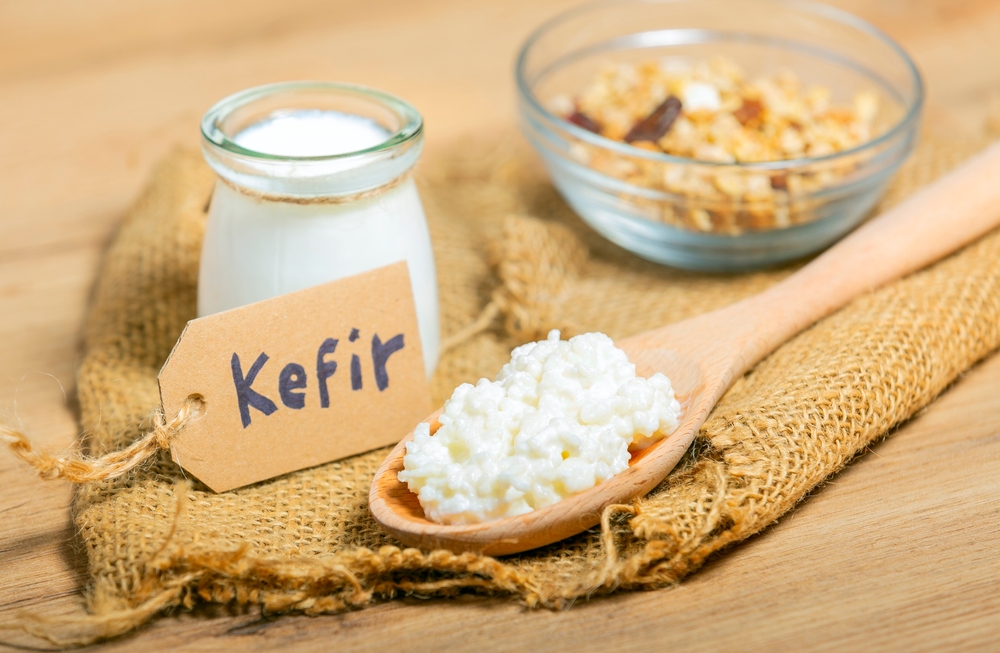
While yogurt is the most famous fermented dairy, Kefir is arguably the most powerful. This tangy, drinkable yogurt is fermented using “kefir grains,” which contain a diverse mix of up to 30 strains of beneficial bacteria and yeasts. It’s particularly effective at improving lactose digestion and reducing inflammation in the gut lining.
2. Kimchi: The Spicy Superfood
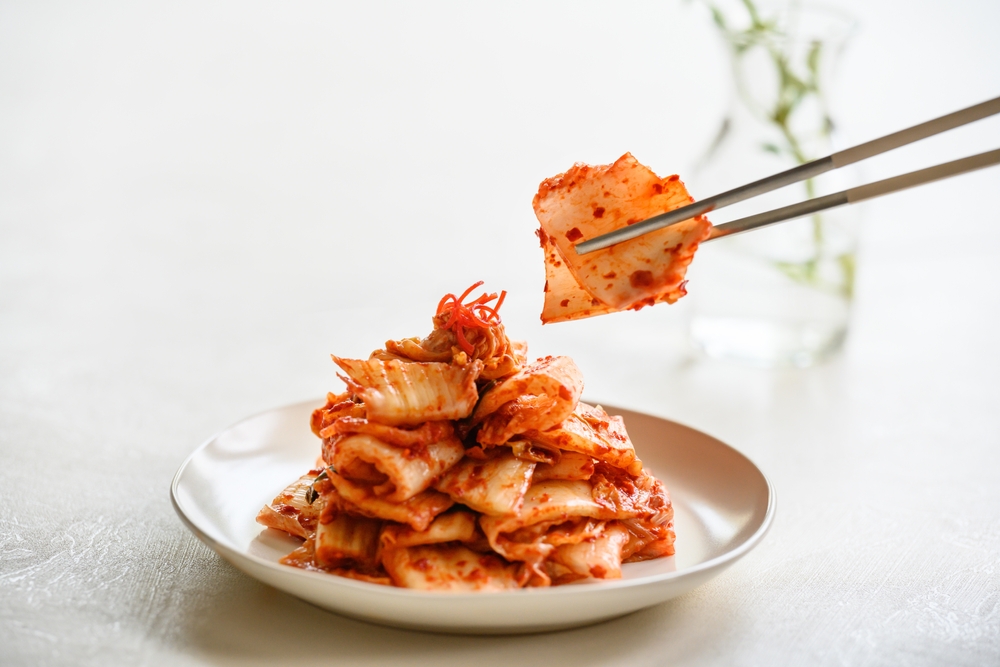
This Korean staple of fermented cabbage and radishes is a probiotic powerhouse. Kimchi is rich in Lactobacillus kimchii, a unique strain that promotes colon health. Beyond digestion, kimchi is packed with Vitamin C and choline, making it as good for your immune system as it is for your stomach.
3. Kombucha: The Effervescent Elixir
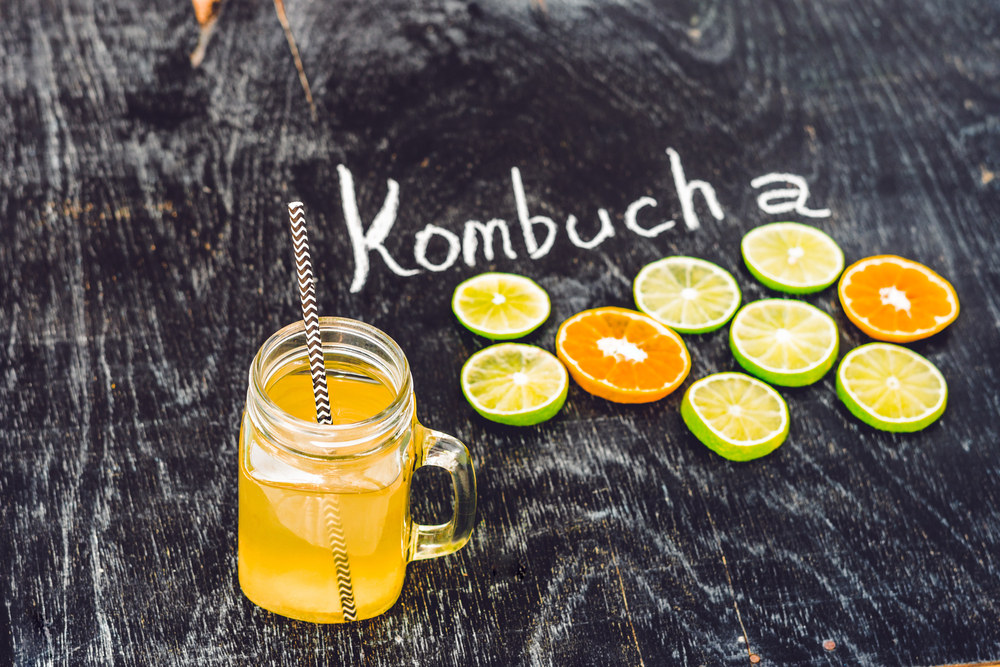
Kombucha is a fermented tea made with a SCOBY (Symbiotic Culture of Bacteria and Yeast). During the fermentation process, the SCOBY produces acetic acid and gluconic acid, which help protect the liver and improve the “barrier function” of the gut, preventing harmful pathogens from entering the bloodstream.
4. Raw Sauerkraut: The Enzyme Builder
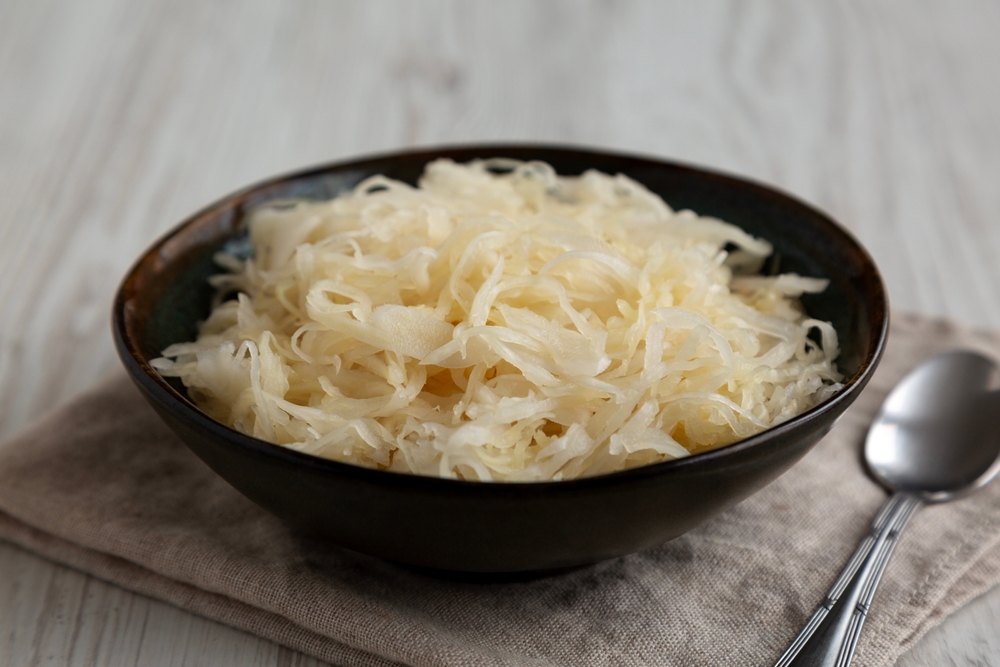
True sauerkraut is made simply from cabbage, salt, and time. Because it is unpasteurized, it is teeming with live enzymes that assist your body in breaking down fats and proteins.
Note: Always look for sauerkraut in the refrigerated section labeled “raw” or “live cultures.” Shelf-stable cans are heat-treated, which kills the beneficial bacteria.
5. Miso: The Umami Healer
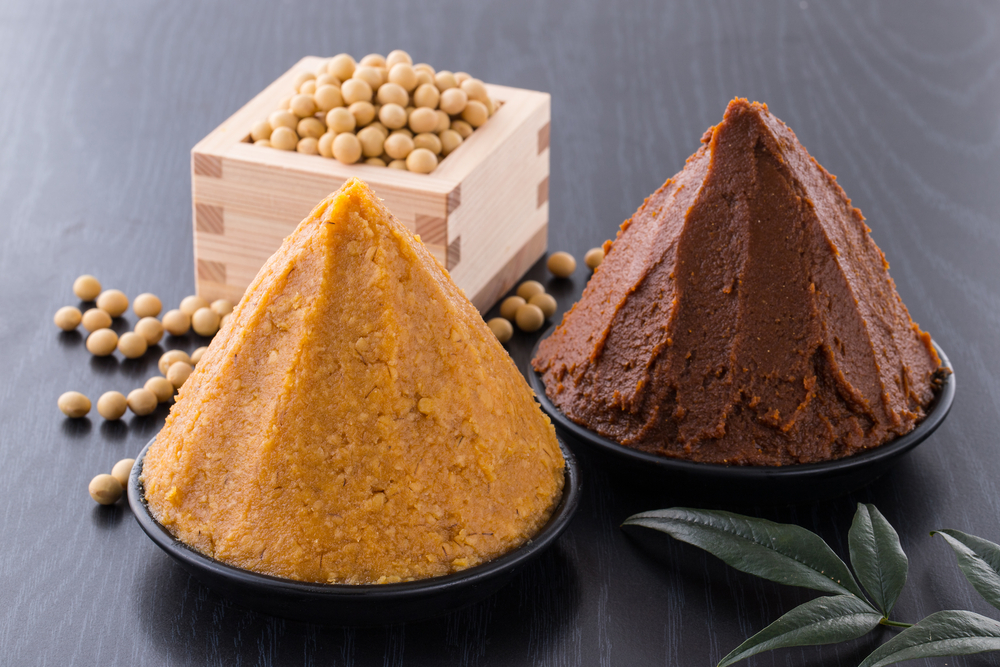
A Japanese seasoning paste made from fermented soybeans, miso is a rich source of Aspergillus oryzae. This probiotic strain is known to stimulate the digestive system and strengthen the immune system. Because it’s high in antioxidants, it also helps combat oxidative stress in the digestive tract.
6. Tempeh: The Bioavailable Protein
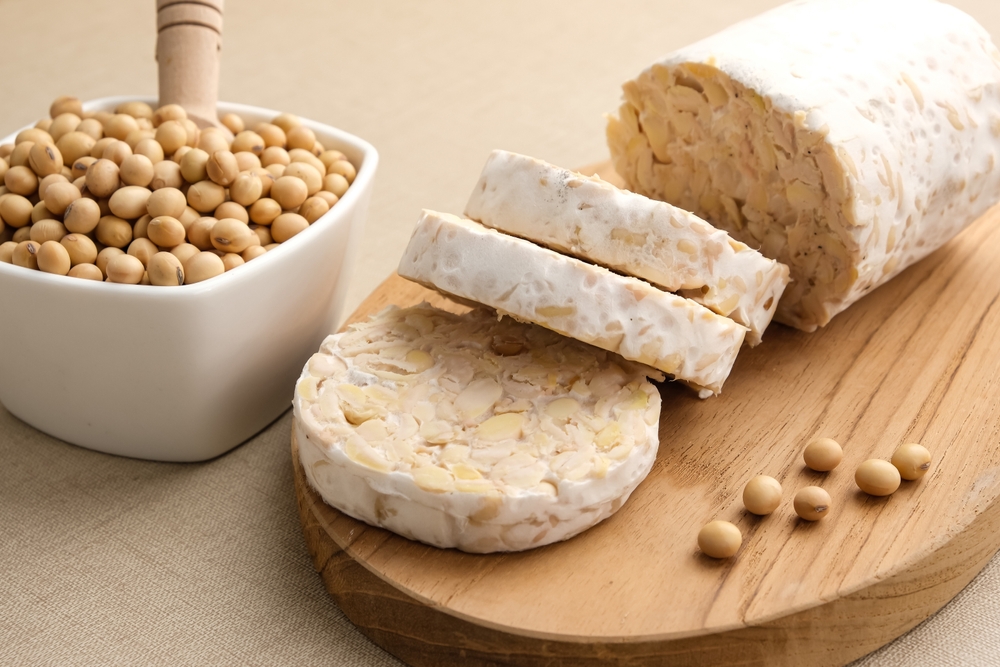
Unlike tofu, tempeh is fermented, which significantly reduces the phytic acid content of the soybeans. Phytic acid is often called an “anti-nutrient” because it can block the absorption of minerals. Fermentation makes the protein, iron, and calcium in tempeh much easier for your body to absorb.
7. Natto: The Heart and Gut Hero
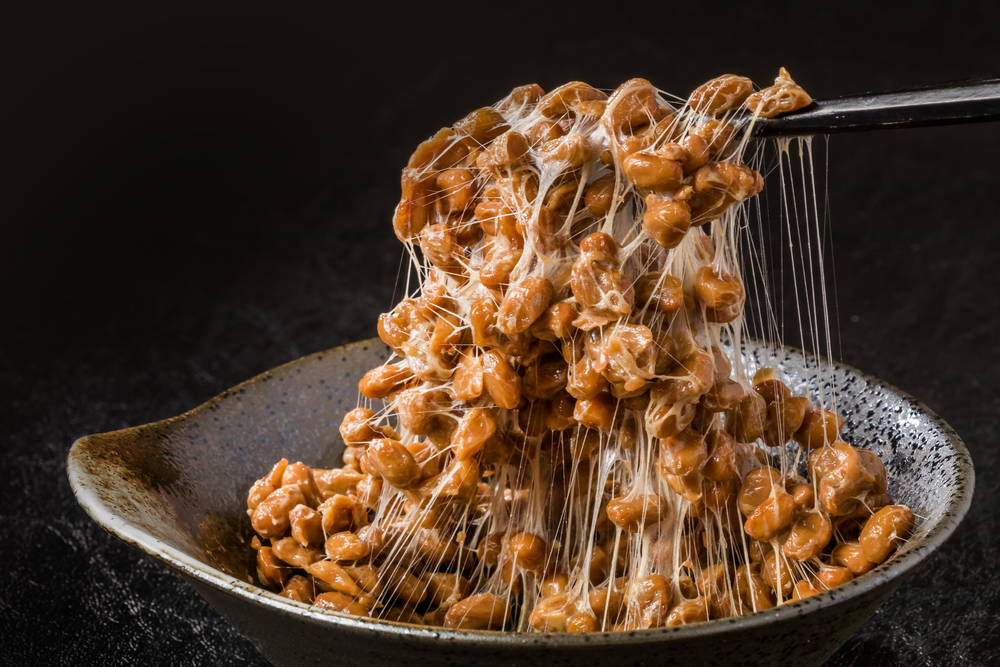
Natto is a traditional Japanese dish of fermented soybeans known for its pungent aroma and “slimy” texture. It contains Bacillus subtilis, an incredibly hardy probiotic that survives the journey through stomach acid better than most. It is also the world’s richest source of Vitamin K2, which is essential for bone health.
8. Authentic Sourdough: The “Digestible” Bread
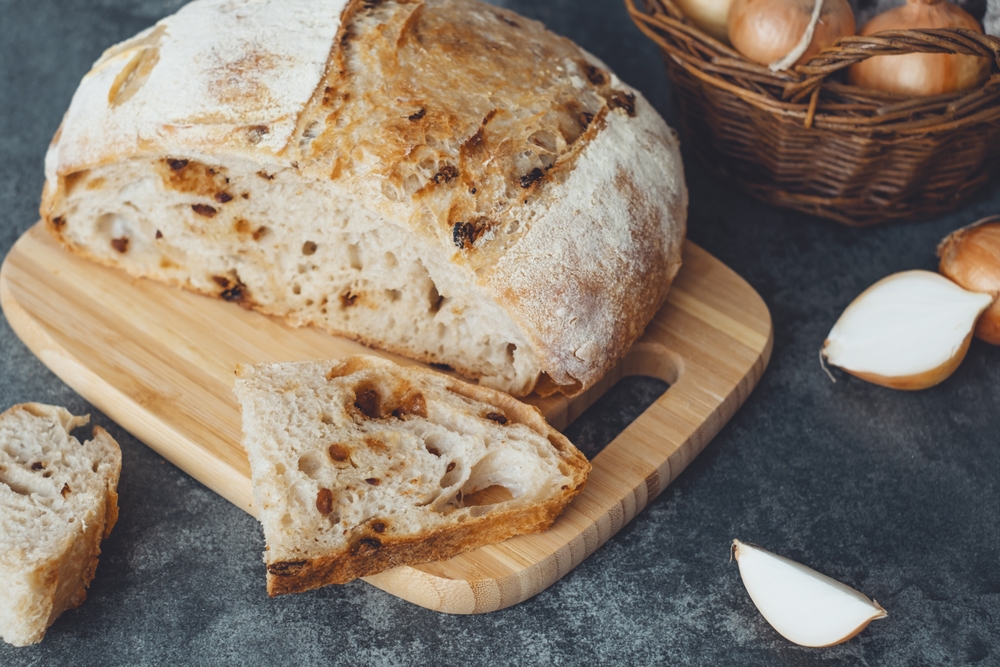
Sourdough isn’t just a trend; it’s a digestive win. The long fermentation process allows wild yeast and lactic acid bacteria to “pre-digest” the gluten and lectins in the flour. For many people with mild gluten sensitivities, authentic sourdough is often the only bread that doesn’t cause bloating.
9. Beet Kvass: The Liver Tonic
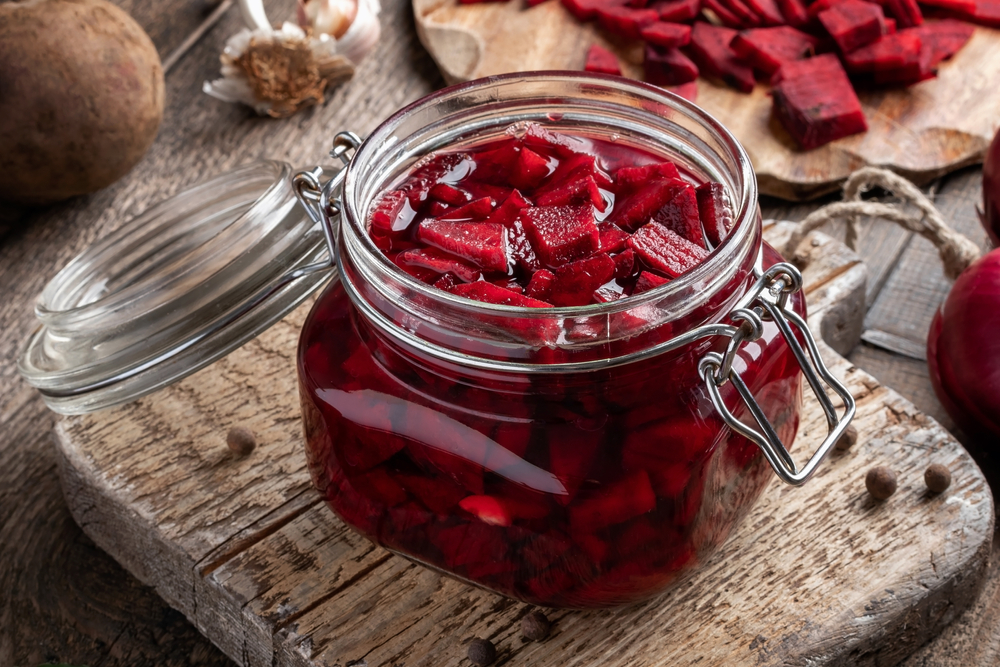
Originating in Eastern Europe, Beet Kvass is a salty, earthy drink made from fermented beets. It acts as a powerful “blood tonic” and gallbladder support. By stimulating bile flow, it helps your body process fats more efficiently, making it an excellent post-meal digestive aid.
10. Lacto-Fermented Pickles

Forget the vinegar-soaked jars on the warm supermarket shelves. “Lacto-fermented” pickles are cured in a salt-water brine, allowing natural Lactobacillus bacteria to thrive. These pickles are crunchy, tart, and provide a quick hit of probiotics that can help regulate bowel movements.
11. Apple Cider Vinegar (with the “Mother”)
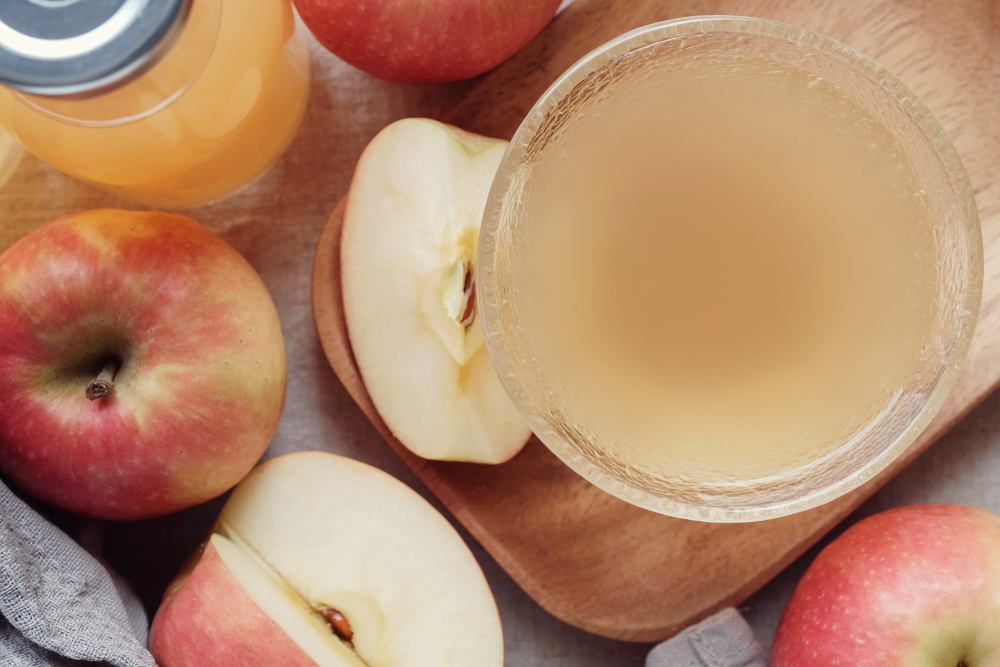
While technically a condiment, ACV with the “mother” contains a complex structure of beneficial bacteria and enzymes. Taking a tablespoon diluted in water before a meal can increase stomach acid acidity, which is crucial for the proper breakdown of food and the prevention of acid reflux.
How to Incorporate Fermented Foods?
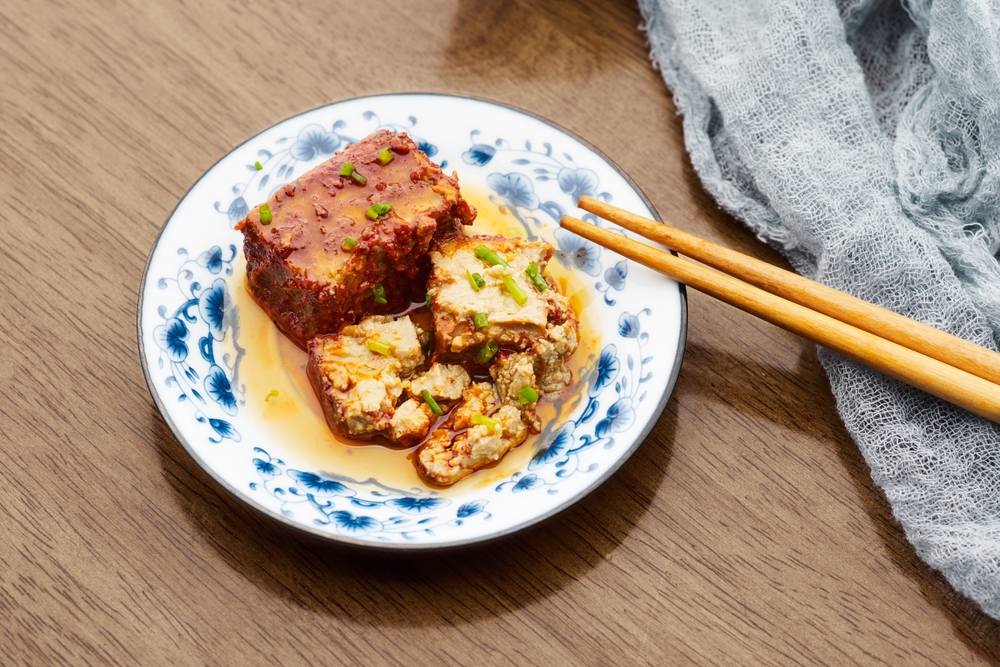
To see a true transformation in your digestion, consistency is more important than quantity. Start Small: Begin with 1–2 tablespoons of a fermented food per day.
- Diversify: Don’t stick to just one. Each food offers different bacterial strains.
- Check the Label: Avoid products with added sugars or those that have been pasteurized after fermentation.