

One of the best things in life is traveling; it allows you to see new places, try new cuisine, and create lifelong memories. However, there are instances when the habits we acquire while traveling can subtly impair our health without our knowledge. The good news is that with a little awareness and preparation, the majority of these problems are simple to resolve. Let’s examine ten typical travel behaviors that may be subtly harming your health and how you can stay healthy while having fun.
1. Skipping Hydration (Especially on Planes)
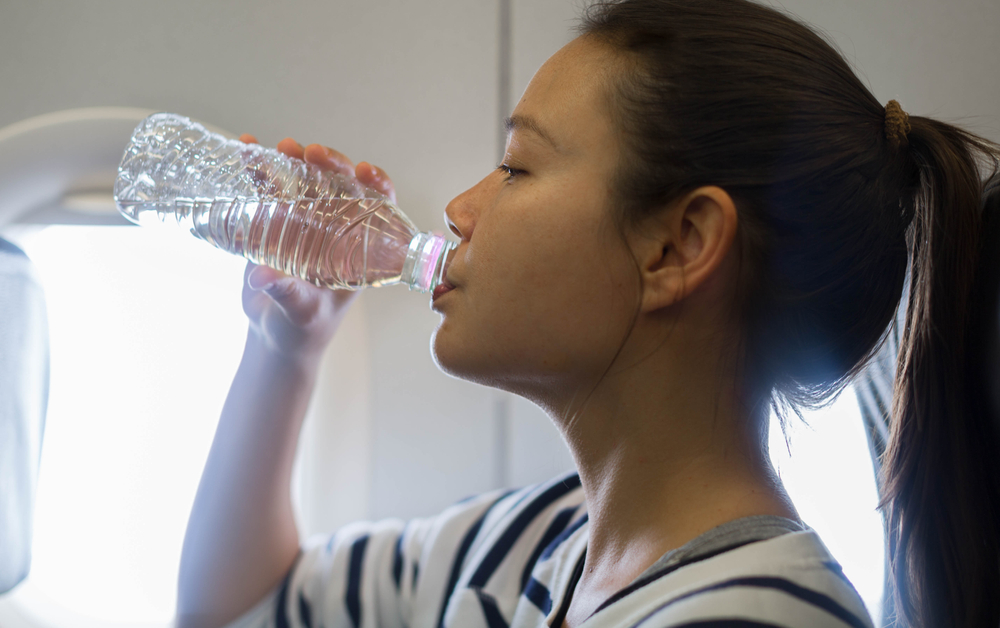
Due to the notoriously dry conditions in airplane cabins, your body loses moisture more quickly than usual. Dehydration sets in quickly when you combine that with long travel days, lots of coffee, or perhaps a celebratory glass of wine. Headaches, exhaustion, dry skin, and even slow digestion are some of the side effects. Make staying hydrated a top priority to address this. Bring a reusable water bottle, take frequent sips while flying, and avoid alcohol and caffeine as they further dehydrate you. Your body can recover even if you eat foods high in water, such as fruits and vegetables.
2. Eating Without Thought

One of the best things about traveling is sampling street food and local cuisine. However, your digestion and energy levels suffer when the majority of your meals consist of fried, undercooked, or excessively processed foods. Furthermore, if you’re not careful, food-borne illnesses can infiltrate. Being mindful is the solution, not avoiding local cuisine. To avoid making bad decisions when you’re hungry, pick local vendors you can trust, mix decadent meals with healthier options, and keep a supply of fruit or nuts on hand.
3. Ignoring Jet Lag

Time zone changes can throw your internal clock off balance. All of a sudden, you’re hungry at strange hours and awake when you should be sleeping. Jet lag is a disruption that causes you to feel drowsy, irritable, and out of sync. Preparing ahead of time is the best strategy to reduce jet lag. Before you depart, try to adjust your sleep schedule slightly to the time at which you will arrive at your destination. Stay active during the day, avoid heavy meals right before bed, and expose yourself to natural sunlight once you’re there. You won’t realize how quickly your body will adapt.
4. Staying Sedentary Too Long

Hours of sitting with little movement are common on lengthy bus, car, and flight trips. Sedentary behavior, regrettably, stiffens muscles, slows circulation, and may even raise the risk of blood clots. Moving whenever you can is the easy solution. Every couple of hours while flying, get up and stretch. To keep active while sightseeing, opt for bike rides or walking tours. Short workouts in your hotel room or using the stairs rather than the elevator can have a significant impact on your level of energy.
5. Poor Sleep Hygiene

Sleepless nights are frequently caused by new surroundings, strange beds, and time zones. In addition to leaving you exhausted, getting too little sleep impairs your immune system, lowers your mood, and makes it more difficult to enjoy your vacation. Bring small comforts like an eye mask, earplugs, or a white-noise app to help you sleep better. Avoid caffeine and alcohol too close to bedtime, try to maintain a regular bedtime, and establish a calming wind-down routine that includes reading, light stretching, or meditation. Travel days are improved by getting more sleep.
6. Overloading on Technology

With maps, social media, countless photos, and video calls home, it’s easy to become addicted to your phone while on the road. However, excessive screen time, particularly at night, can lead to stress and sleep disturbances. Being present is also made more difficult by the continuous notifications. Plan tech-free time every day, especially before bed, to address this. Disable pointless alerts and enjoy the moment without recording it. In addition to improving your health, a brief digital detox allows you to become more aware of your surroundings.
7. Ignoring Air Quality
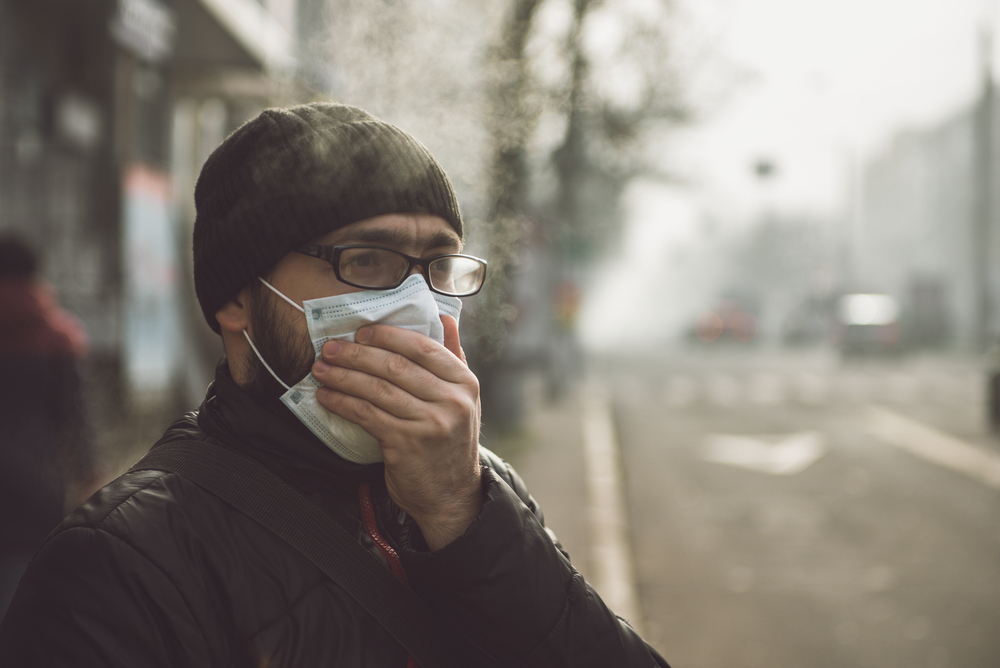
Travel exposes you to environments that your body may not be accustomed to, such as high pollen counts, smoky areas, or polluted cities. Allergies, lung irritation, and exhaustion can all result from poor air quality. Awareness is the answer. Before visiting new places, check the quality of the air, bring a good mask if you’ll be in an area with a lot of pollution, and stay indoors during the hours when smog is at its worst. Your lungs (and energy) stay in better condition with easy actions like these.
8. Skipping Vaccinations and Health Precautions

Certain locations may present particular health hazards, such as tainted water or diseases spread by mosquitoes. It might not seem like a huge deal to skip immunizations or health precautions until you’re stranded in bed while traveling. Make sure you are up to date on recommended vaccinations before your trip to avoid this. Drink only safe water, use insect repellent when needed, and stay away from ice in beverages if you don’t know where it comes from. For peace of mind, it’s also worthwhile to think about purchasing medically covered travel insurance.
9. Letting Stress Take Over

An ideal vacation can become a stressful marathon due to delays, missed connections, and overly full schedules. Prolonged stress causes cortisol levels to rise, which impacts digestion, immunity, and even sleep. Allowing yourself to slow down is the solution. Don’t feel compelled to see everything in a single trip; instead, factor in extra time in your itinerary. Your mood can be restored with easy relaxation methods like journaling, deep breathing, or meditation. And keep in mind that sometimes the most memorable travel experiences are the ones that aren’t planned.
10. Overindulging Without Balance

When on vacation, it’s common to say yes to everything, including decadent meals, late-night drinks, and endless activities. Even though it’s part of the fun, overindulging on a daily basis can make you feel bloated, moody, and exhausted. Balance is a better strategy. Savor regional specialties while incorporating lighter fare as well. If you’re drinking, take it slow and drink water in between glasses. After hectic days, schedule some downtime, such as a peaceful stroll, a nap, or a trip to the spa. By paying attention to your body, you can indulge without worrying about the consequences.
Instead of being exhausting, travel should feel energizing and enriching. The aforementioned behaviors might not seem like much, but they add up during a journey. You can safeguard your health and still enjoy every step of the journey by making a few easy changes, such as drinking plenty of water, eating mindfully, moving frequently, and getting enough sleep. The memories you create, not the fatigue you return home with, are, after all, the greatest travel mementos.