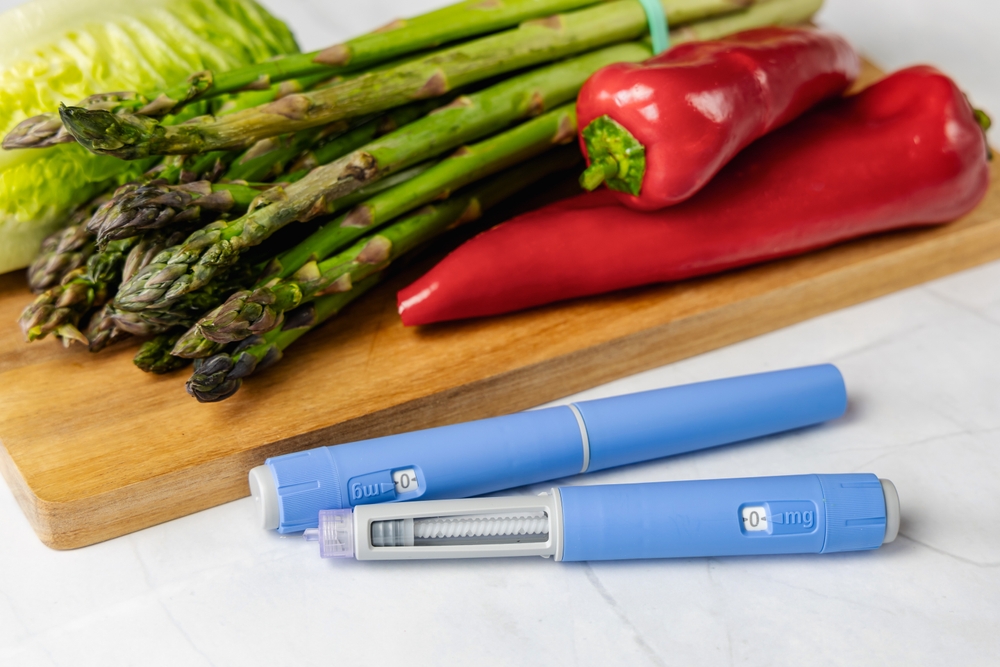
Weight loss medications like semaglutide and tirzepatide can be powerful tools, but they also change how — and how much — you eat. Because these drugs significantly reduce appetite and slow digestion, every bite carries more nutritional weight than before. Choosing foods that nourish your body, protect muscle mass, and minimize side effects can make a noticeable difference in how you feel and how successful your weight loss journey is.
Below, you’ll find the best foods to prioritize first, followed by the foods that are best kept to a minimum, all explained in a friendly, easy-to-follow way.
Best Foods to Eat on Weight Loss Drugs
Skinless Chicken Breast
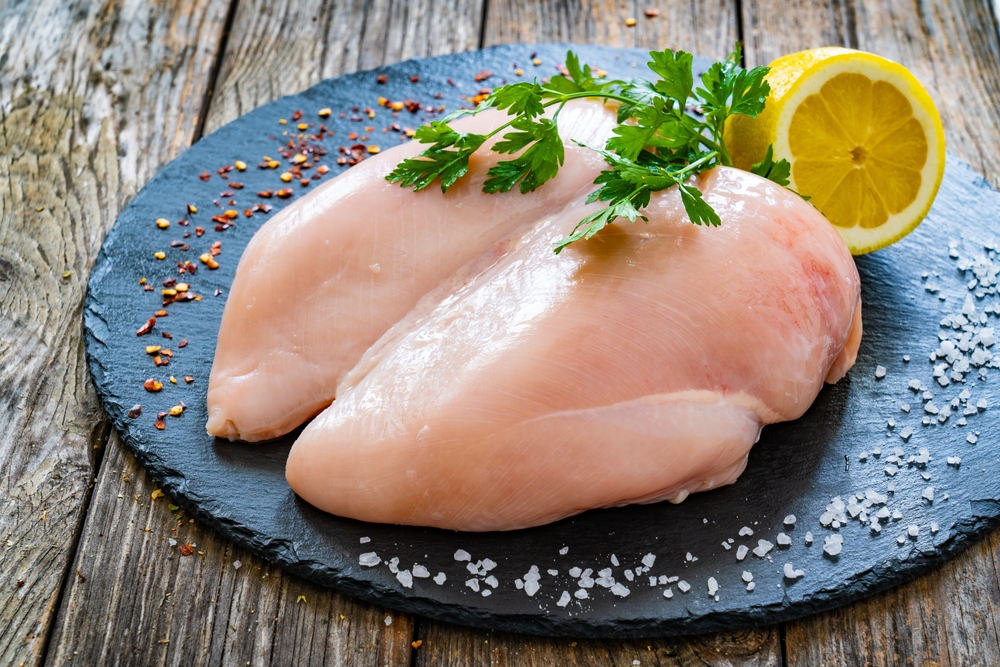
Skinless chicken breast is one of the most reliable staples when you’re on weight loss medications. It’s low in fat and rich in high-quality protein, which is essential for maintaining muscle while losing weight. Since rapid weight loss can sometimes cause muscle loss, including lean proteins like chicken helps your body burn fat more efficiently while staying strong.
Fish and Seafood
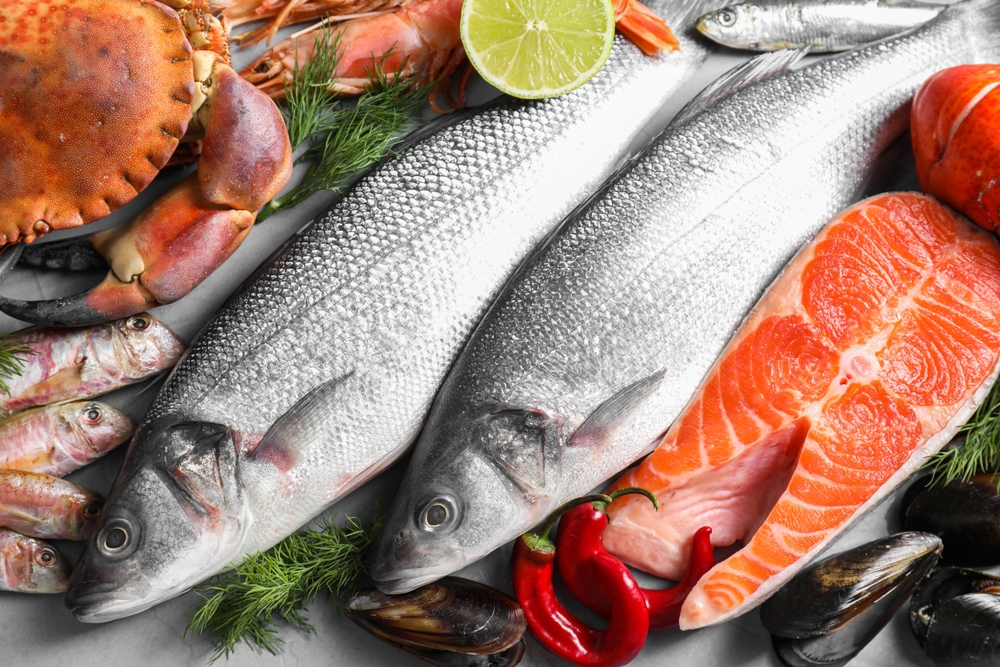
Lean fish and seafood such as shrimp, tilapia, halibut, crab, oysters, and mahi-mahi are excellent choices. They provide plenty of protein without excessive fat, making them easier to digest and less likely to trigger nausea or stomach discomfort. These foods also help you feel satisfied with smaller portions, which aligns well with the appetite-suppressing effects of GLP-1 medications.
Soy Foods
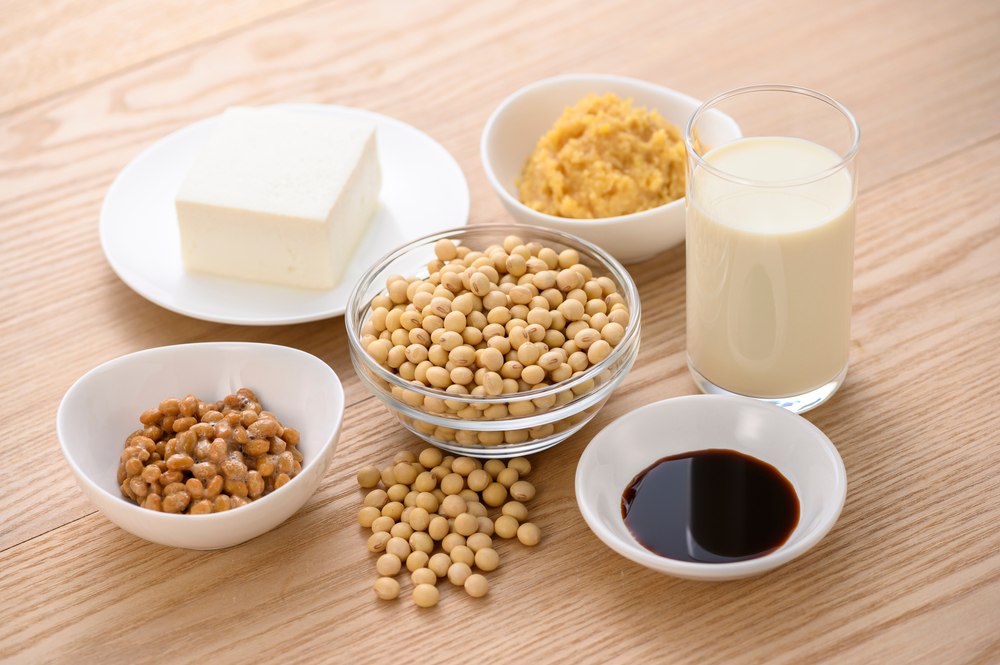
Soy-based foods like tofu, edamame, and soy milk offer a winning combination of protein and fiber in a low-fat, plant-based form. They’re especially useful for people looking to reduce meat intake or add more variety to their meals. Soy foods support muscle health, digestion, and fullness without being heavy on the stomach.
Broccoli
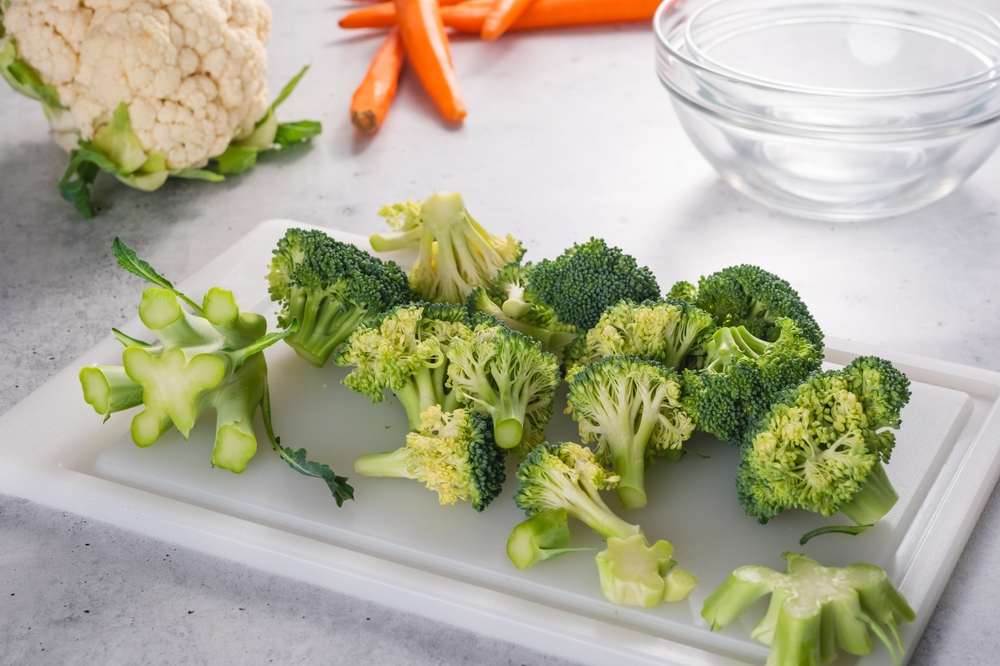
Broccoli is a nutrient powerhouse that delivers fiber, vitamins, and minerals with very few calories. It supports gut health and weight loss while helping you get essential nutrients when your overall food intake is lower. For some people, broccoli may cause bloating, so cooking it thoroughly and eating moderate portions can help reduce discomfort.
Leafy Greens
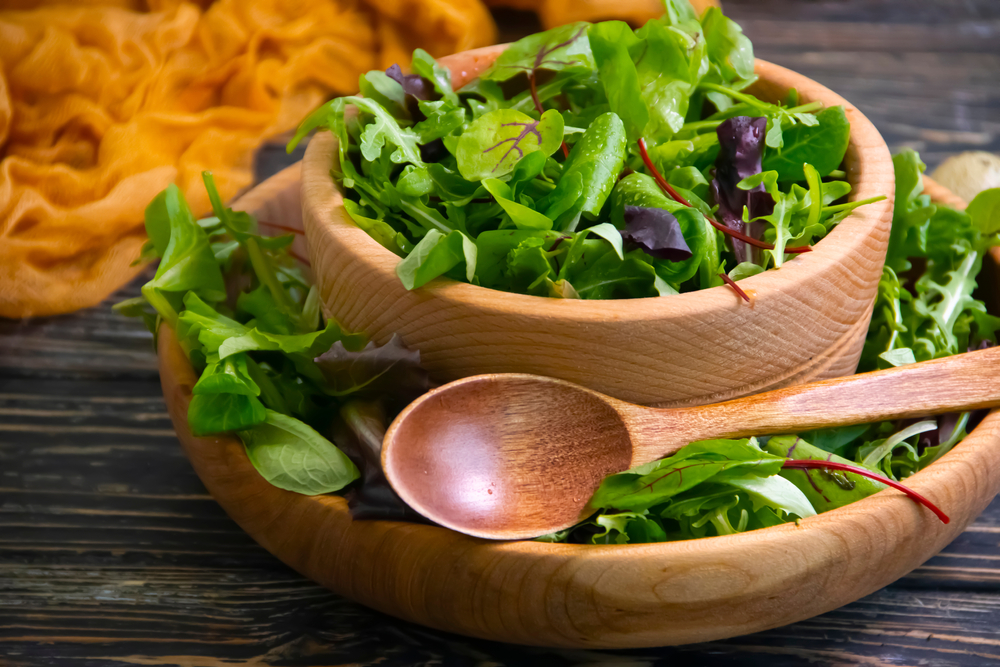
Leafy greens like spinach and kale are ideal foods when your appetite is reduced. They’re extremely low in calories and fat but rich in vitamins and minerals. Because they’re light and easy to digest, they’re less likely to aggravate gastrointestinal side effects while still contributing valuable nutrition.
Bell Peppers
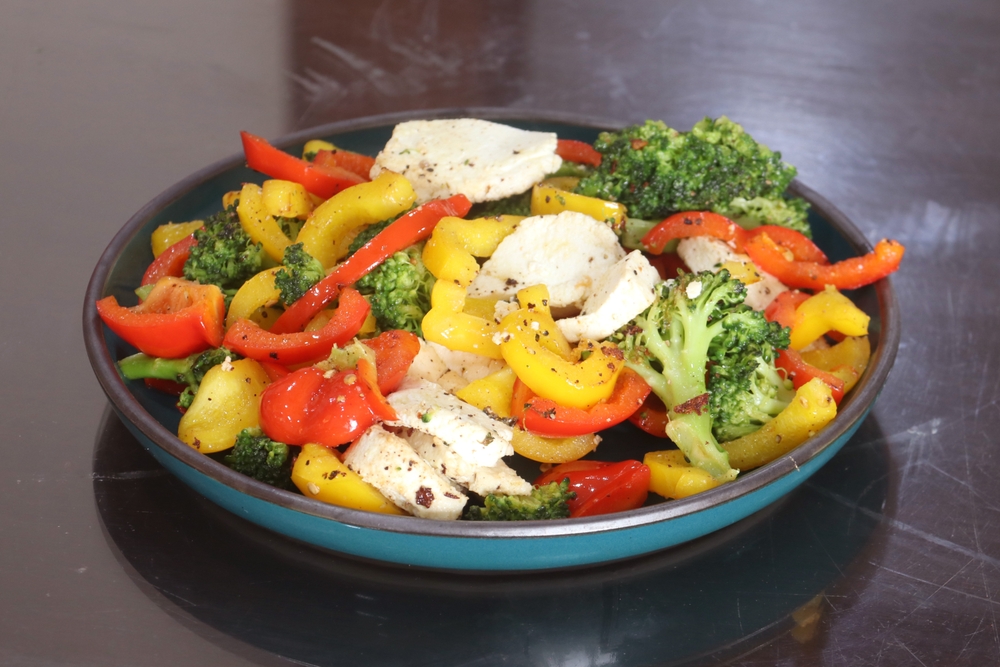
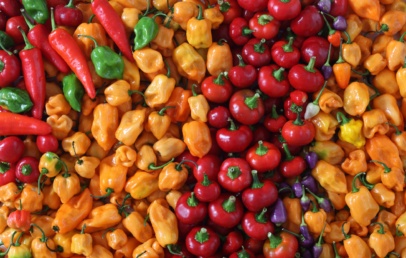
Bell peppers are hydrating, crunchy, and nutrient-dense, making them an excellent addition to meals or snacks. Their high water content can help replenish fluids if side effects like vomiting or diarrhea occur. They also supply fiber, vitamin C, and potassium, all of which support overall health during weight loss.
Worst Foods to Eat on Weight Loss Drugs
Sweets
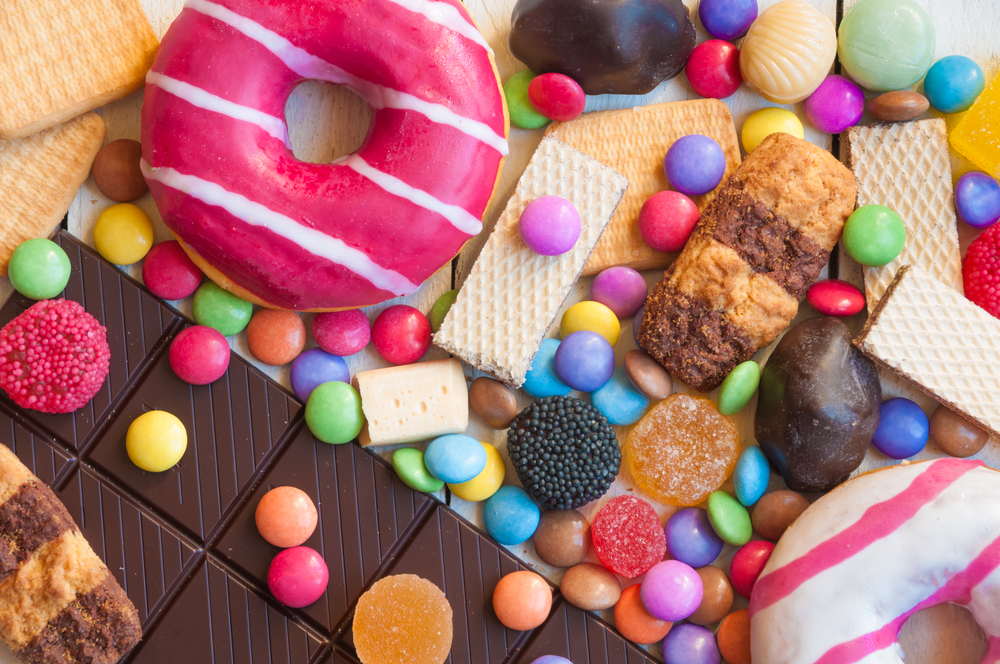
Sugary foods like cookies, candy, cakes, and ice cream don’t provide much nutritional value and can crowd out healthier choices when you’re eating less overall. They may cause spikes and crashes in blood sugar, which can leave you feeling fatigued or unwell. While you don’t need to eliminate sweets entirely, they’re best enjoyed occasionally rather than regularly.
Fried Foods
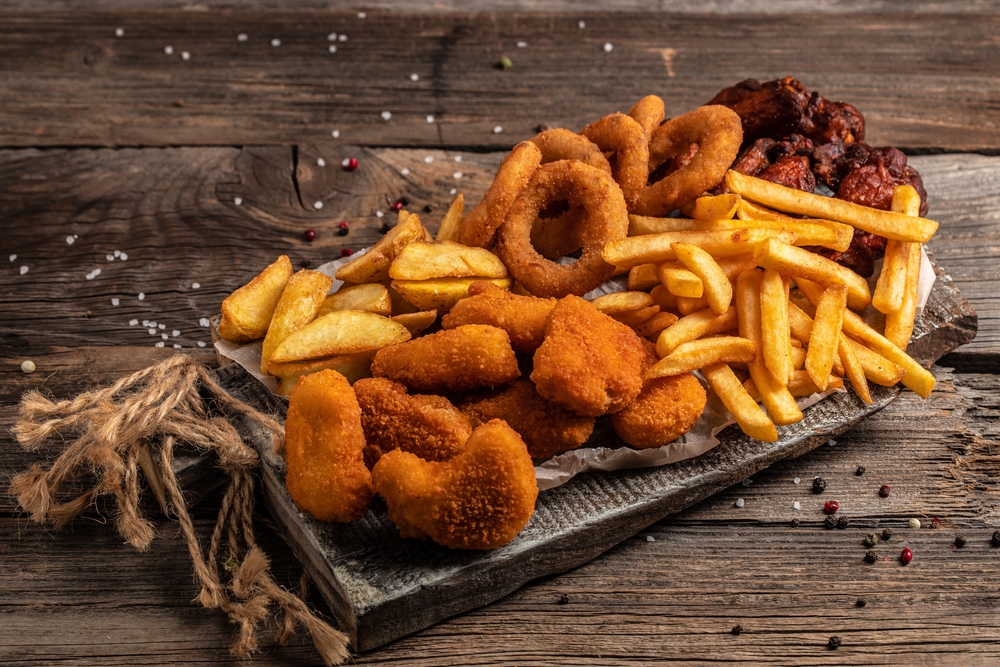
Fried foods such as french fries, fried chicken, and onion rings are especially tough on the digestive system when taking GLP-1 medications. Their high fat content can worsen nausea, stomach pain, and diarrhea — side effects already associated with these drugs. Fried foods are also calorie-dense, which can slow weight loss progress despite reduced appetite.
Sugary Drinks
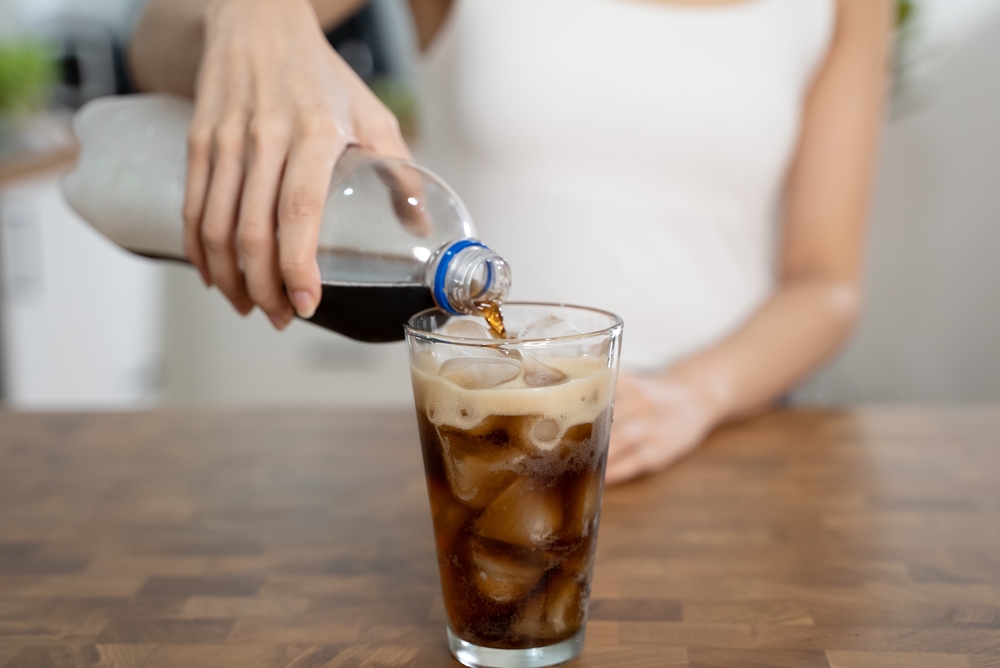
Sugar-sweetened beverages like soda, sweetened juices, and energy drinks directly work against weight loss goals. They deliver calories without promoting fullness and can interfere with blood sugar balance. Choosing water most of the time is one of the simplest and most effective habits to support both hydration and weight loss.
Red Meat
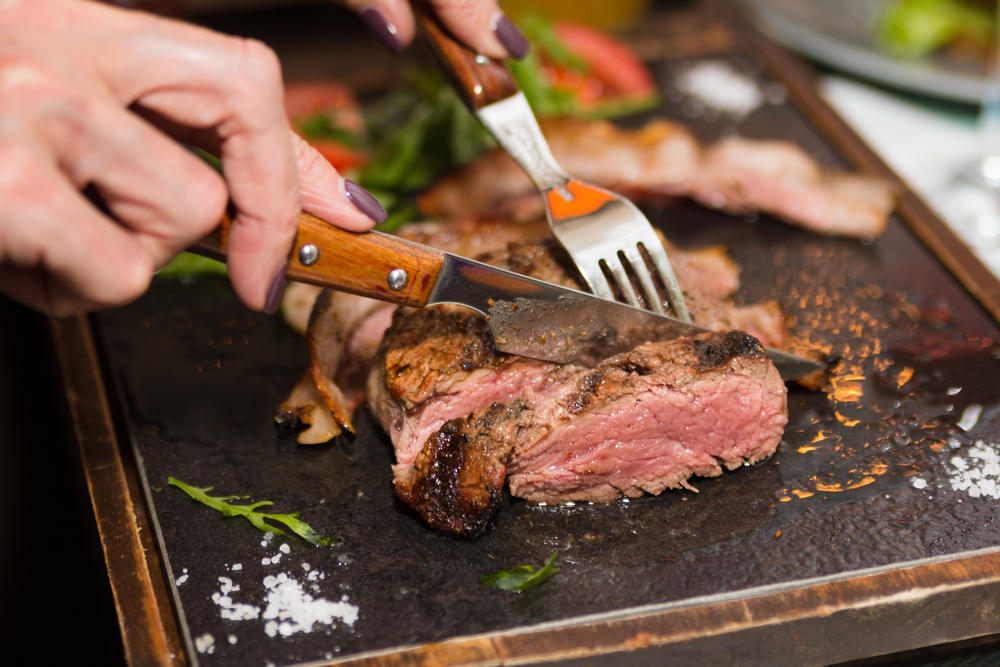
Although red meat contains protein, it’s often higher in fat, which can be harder to digest and may trigger gastrointestinal discomfort while on weight loss medications. If you choose to eat red meat, sticking to lean cuts and smaller portions can help reduce digestive issues and support your goals.
Weight loss medications help reduce how much you eat, but they don’t replace the need for smart nutrition. Prioritizing foods rich in protein and fiber — while limiting those high in sugar and unhealthy fats — can help protect muscle mass, support digestion, reduce side effects, and maximize your results.
Think of your meals as an opportunity to fuel your body efficiently. When you choose foods that work in harmony with your medication, you’re setting yourself up not just for weight loss, but for feeling healthier and more energized along the way.