
Avoid These Foods if You’re Not Eating Gluten
If you’ve been diagnosed with celiac disease, your relationship with food has to change completely. Even a small amount of gluten can damage the small intestine, triggering everything from bloating and brain fog to serious long-term health issues. Gluten hides in more places than you’d expect, and avoiding it takes more than just skipping bread or pasta. Some foods contain obvious gluten, while others are sneaky about it, often showing up in sauces, seasonings, or processed snacks.
The key to managing celiac disease isn’t just eating “gluten-free” foods; it’s knowing where gluten might be hiding and learning to spot it before it causes harm. Here are 13 common foods that people with celiac disease should avoid, plus a quick look at why they’re risky.
1. White or Whole Wheat Bread
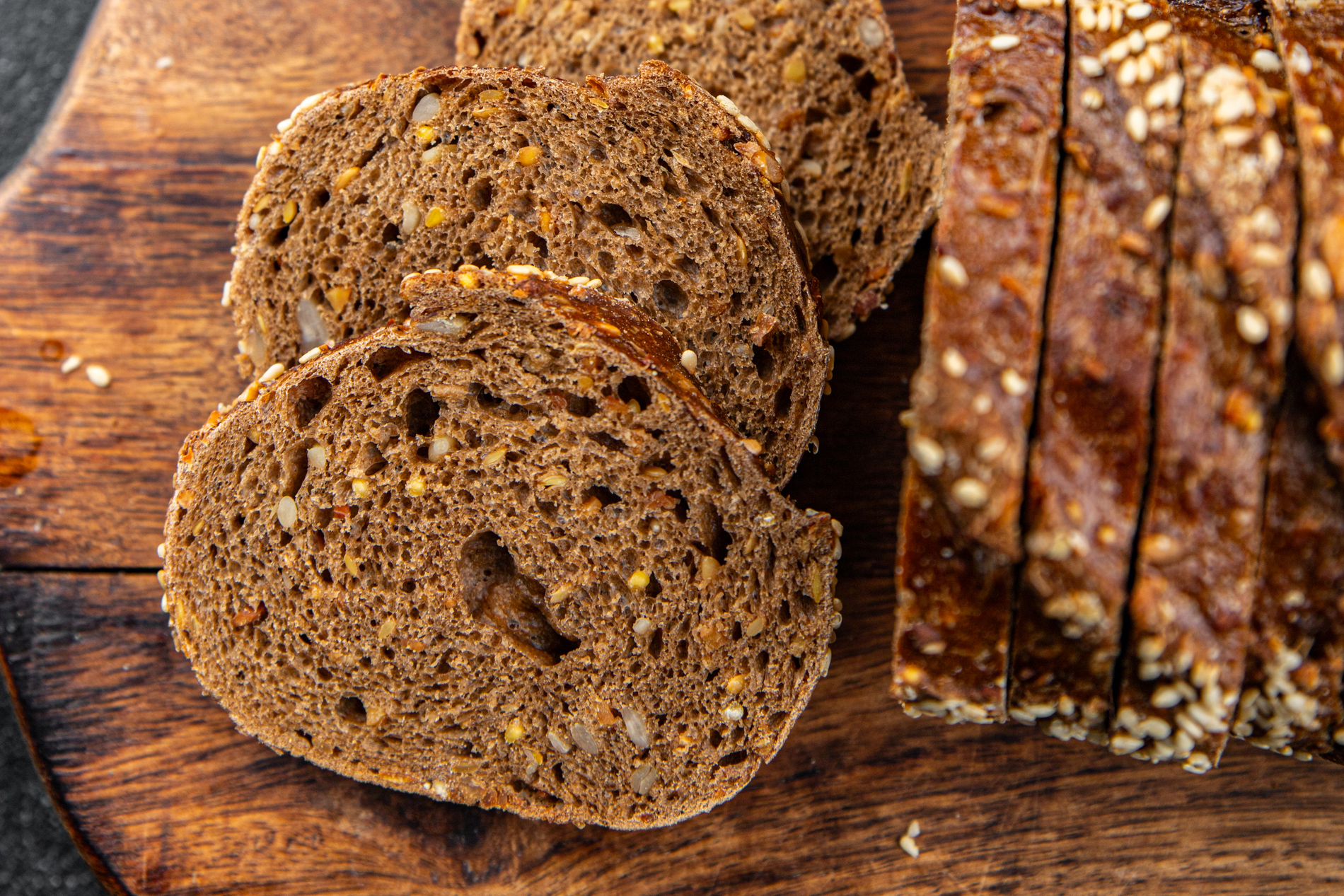
Even one slice of regular bread can contain enough gluten to trigger symptoms. It’s made with wheat flour, which is off-limits. Gluten-free breads are widely available now, but you’ll need to check labels carefully for cross-contamination.
2. Pasta (unless labeled gluten-free)
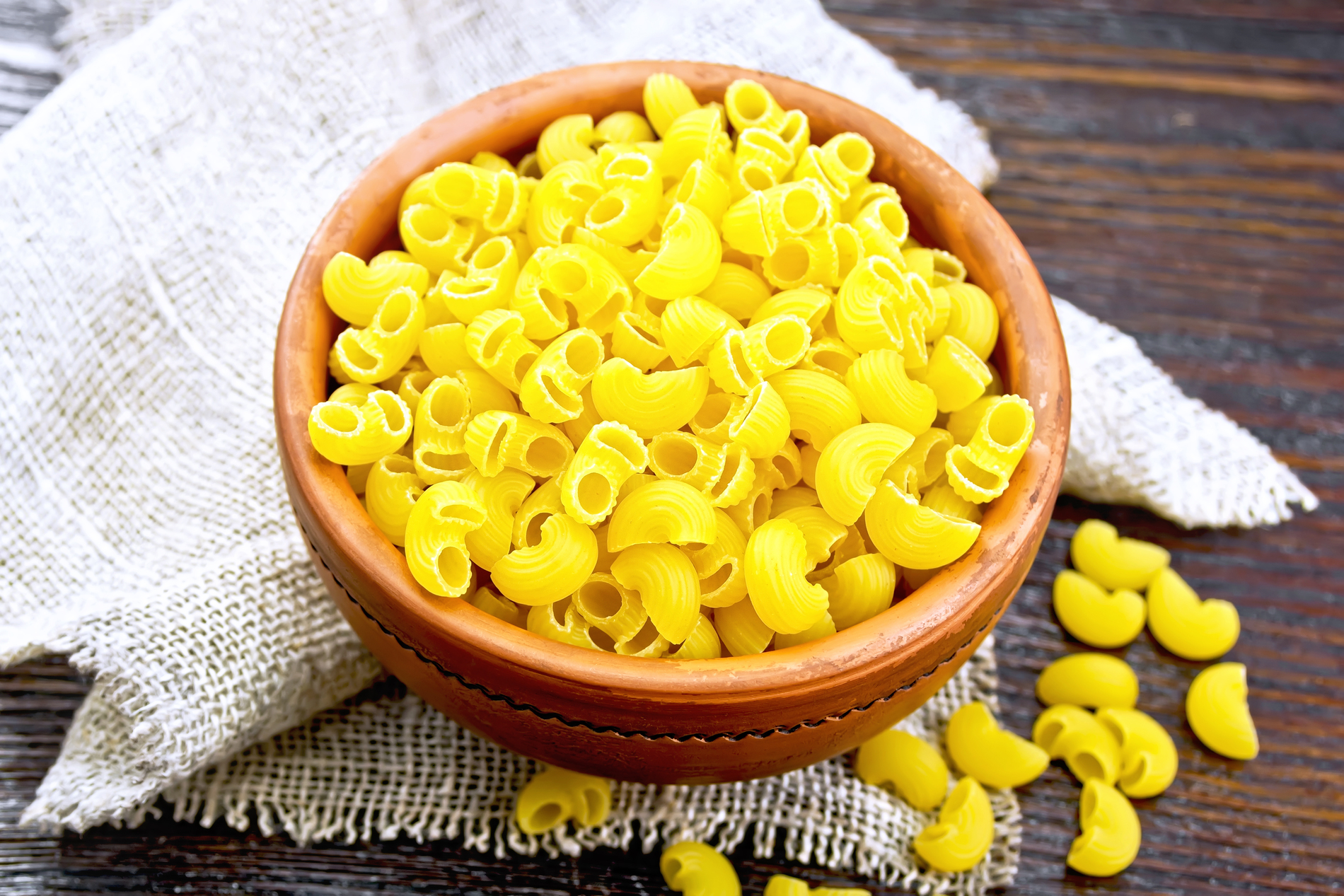
Most traditional pastas are made from wheat flour and are not safe for celiacs. Even if it looks like rice or corn pasta, don’t assume—it has to be clearly labeled gluten-free to be trusted.
3. Cakes, Cookies, and Pastries

These are usually made with wheat flour and are often prepared in facilities that handle other gluten-containing products. Unless they’re specifically made gluten-free, they’re not safe for someone with celiac disease.
4. Beer and Ale

Most beers are made from barley or wheat, both of which contain gluten. Even light beers still carry enough gluten to cause damage. Look for certified gluten-free beers made from alternative grains like sorghum or rice.
5. Soy Sauce

This one surprises a lot of people. Traditional soy sauce contains wheat as a primary ingredient. Tamari is a popular gluten-free alternative, but again—check the label to be sure.
6. Gravy and Sauces
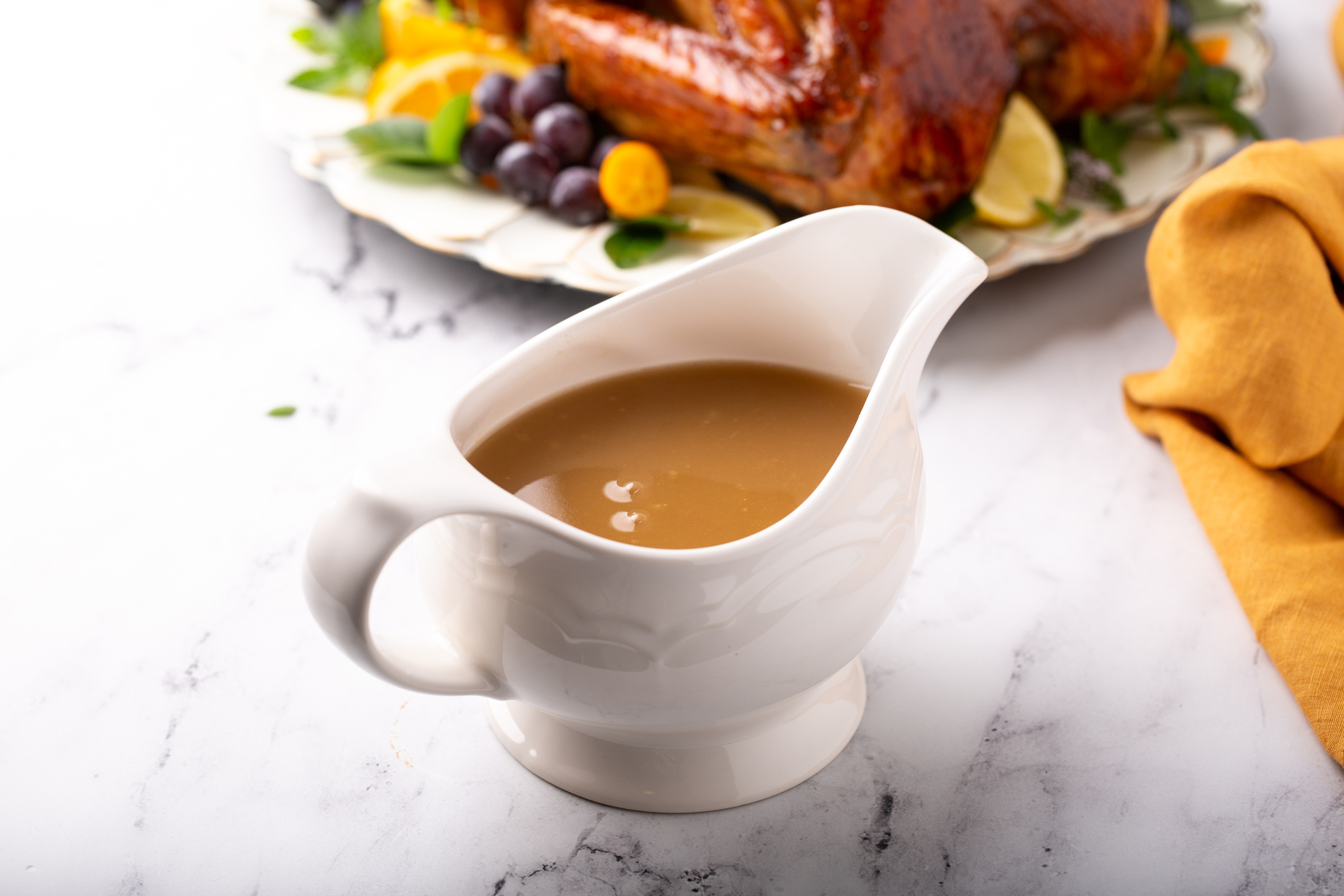
Gravies and sauces are often thickened with wheat flour. Even a small amount used as a thickener or base can be harmful. Homemade versions can be made with cornstarch or arrowroot instead.
7. Cereal (not labeled gluten-free)

Many breakfast cereals contain wheat, barley malt, or oats processed with gluten-containing grains. Even seemingly “healthy” ones like granola or bran flakes often contain hidden gluten.
8. Flour Tortillas
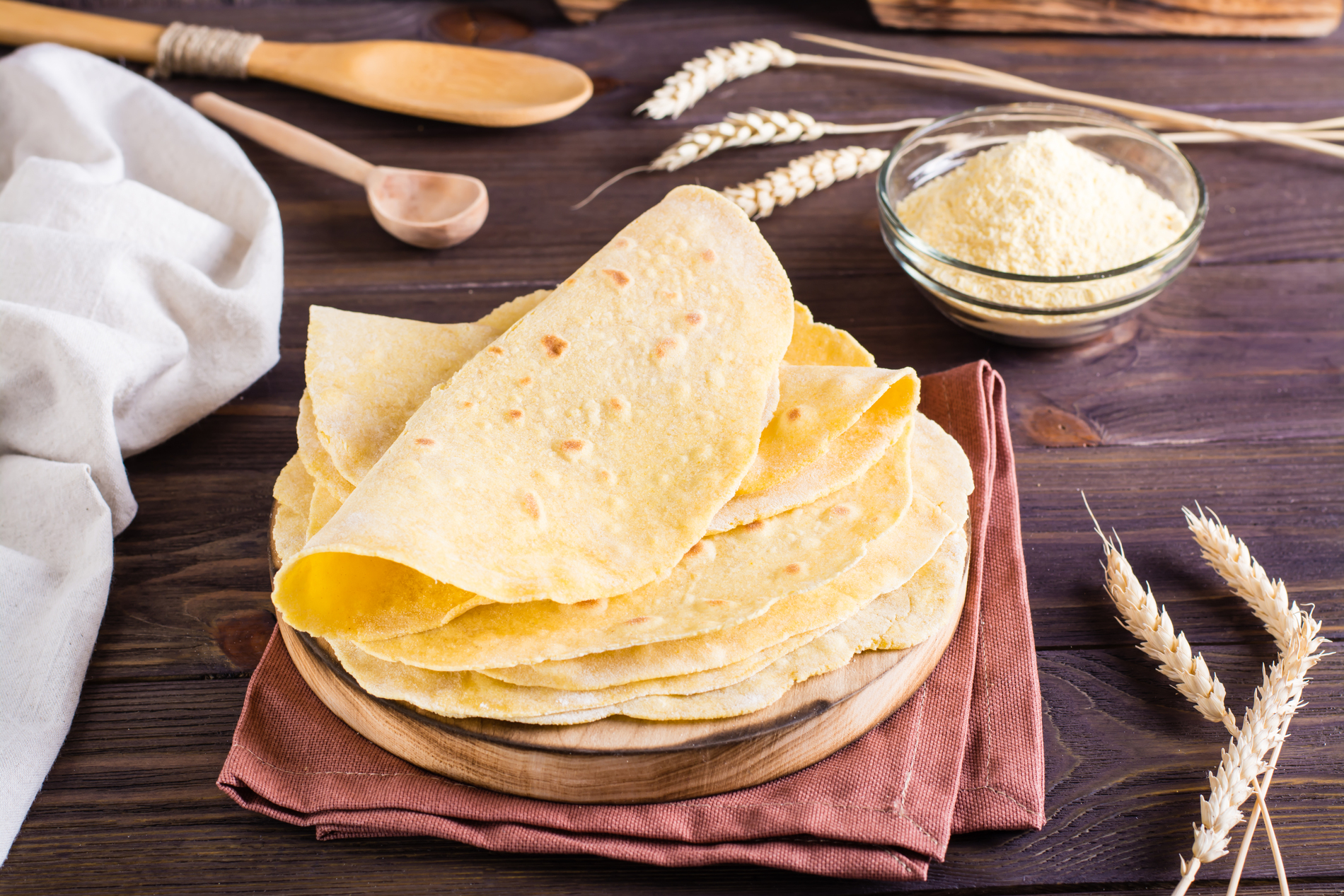
Standard tortillas used in burritos, wraps, and quesadillas are typically made with wheat. Corn tortillas are usually safe, but they must be labeled gluten-free to ensure they haven’t been processed in a shared facility.
9. Seitan (Wheat Meat)
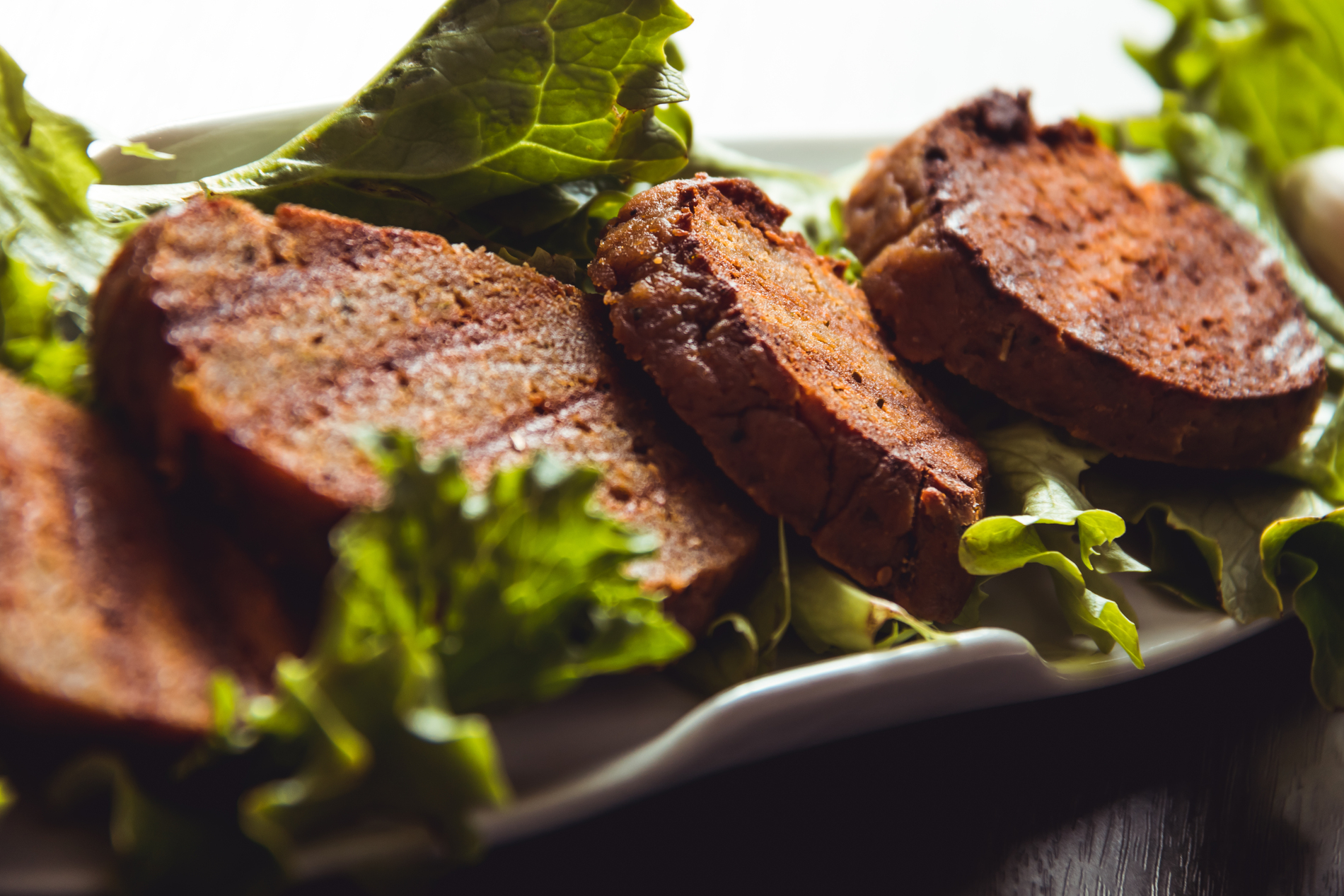
This one is basically pure gluten. Often used as a meat substitute in vegetarian or vegan dishes, seitan is completely off-limits for anyone with celiac disease.
10. Imitation Meats and Veggie Burgers
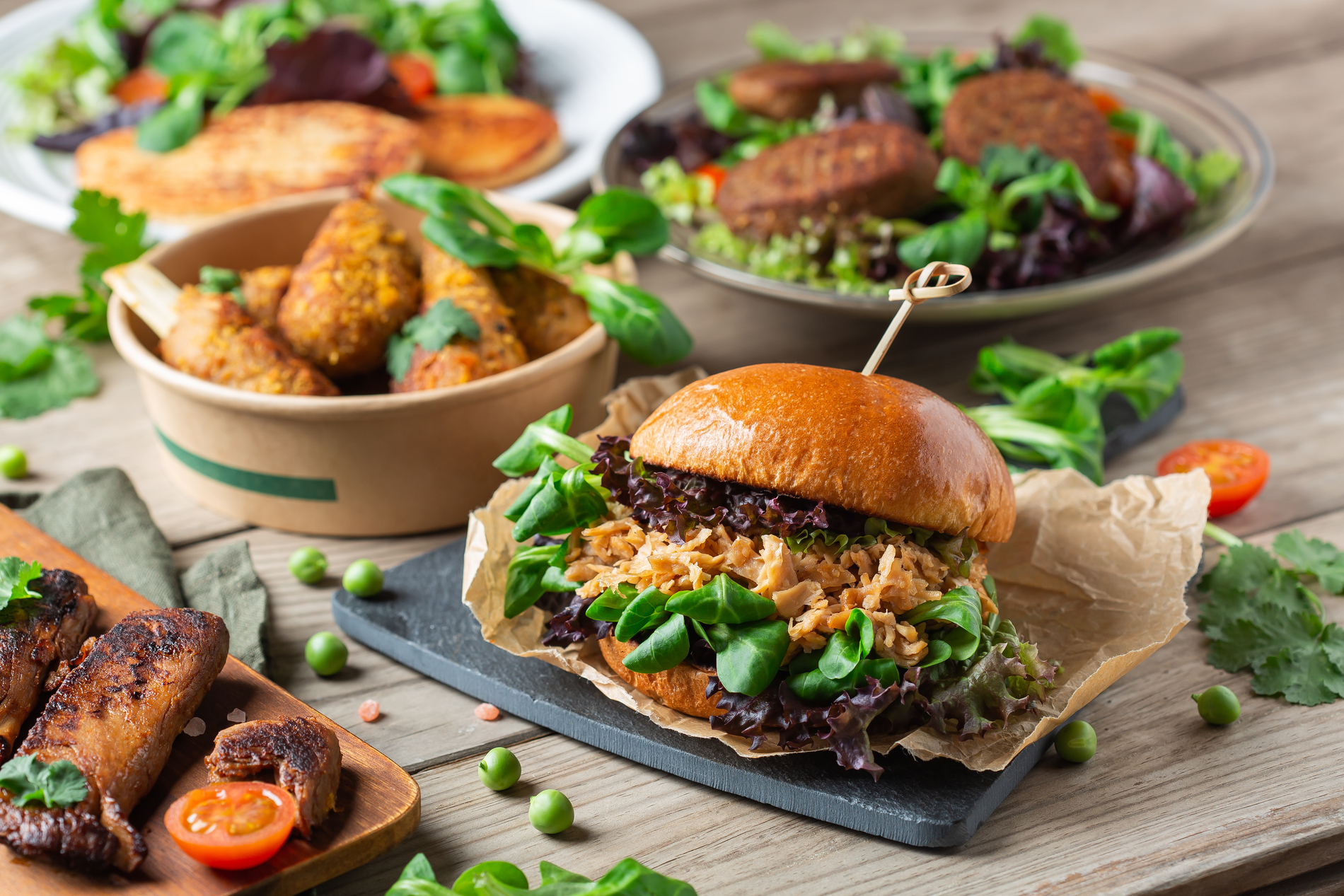
Many meat substitutes are made with wheat gluten or contain barley-based flavoring. While some are gluten-free, many are not. Always read the ingredient list before you dig in.
11. Salad Dressings and Marinades

They may seem safe, but a lot of dressings and marinades use soy sauce, malt vinegar, or wheat flour as thickeners. Look for certified gluten-free versions or make your own at home.
12. Oats (unless certified gluten-free)
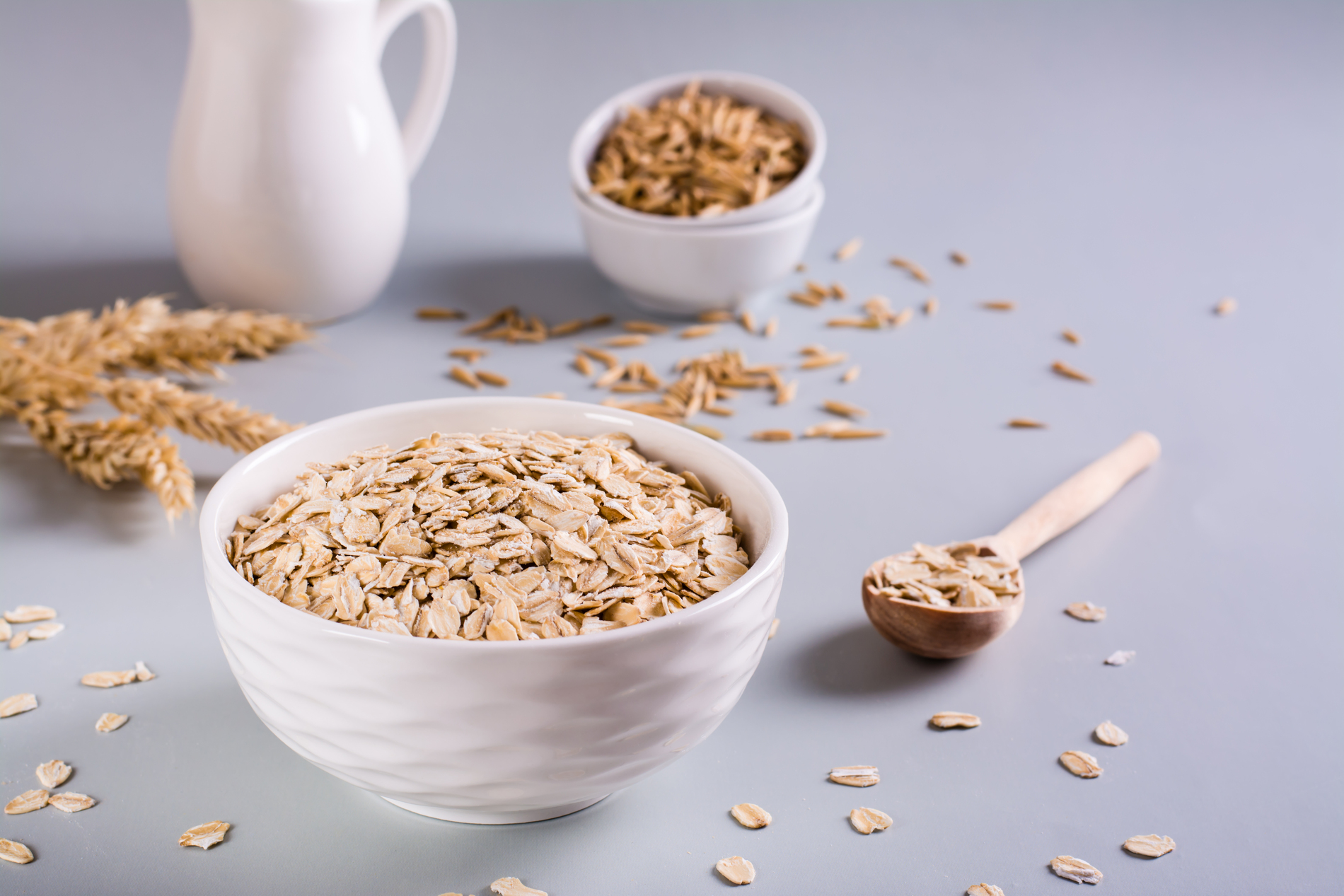
Oats are naturally gluten-free, but they’re often processed in facilities that also handle wheat. Cross-contact is common unless the oats are certified gluten-free, so read labels carefully.
13. Processed Deli Meats

Cold cuts, sausages, and hot dogs can contain gluten from fillers, binders, or flavorings. They can also be contaminated during processing. Choose brands that are specifically marked gluten-free.
The Takeaway
Living with celiac disease means becoming a bit of a food detective, but once you know where gluten hides, it gets easier. The safest route is to stick with whole, naturally gluten-free foods and double-check labels on anything processed. With the right knowledge and options, you can still eat well without risking your health.