Staying hydrated sounds simple—just drink water, right? And for everyday life, that’s absolutely true. Plain water does the job just fine for most people. But when you’re sweating buckets from intense workouts, stuck in extreme heat, or recovering from illness like diarrhea, your body loses more than just fluids. That’s when electrolytes step in as the real MVPs.
Electrolytes such as sodium, potassium, magnesium, and calcium help regulate fluid balance, muscle function, and energy levels. The right drink can prevent dehydration, fight fatigue, and even speed up recovery. The wrong one? Just extra sugar you didn’t need.
1. Infused Water
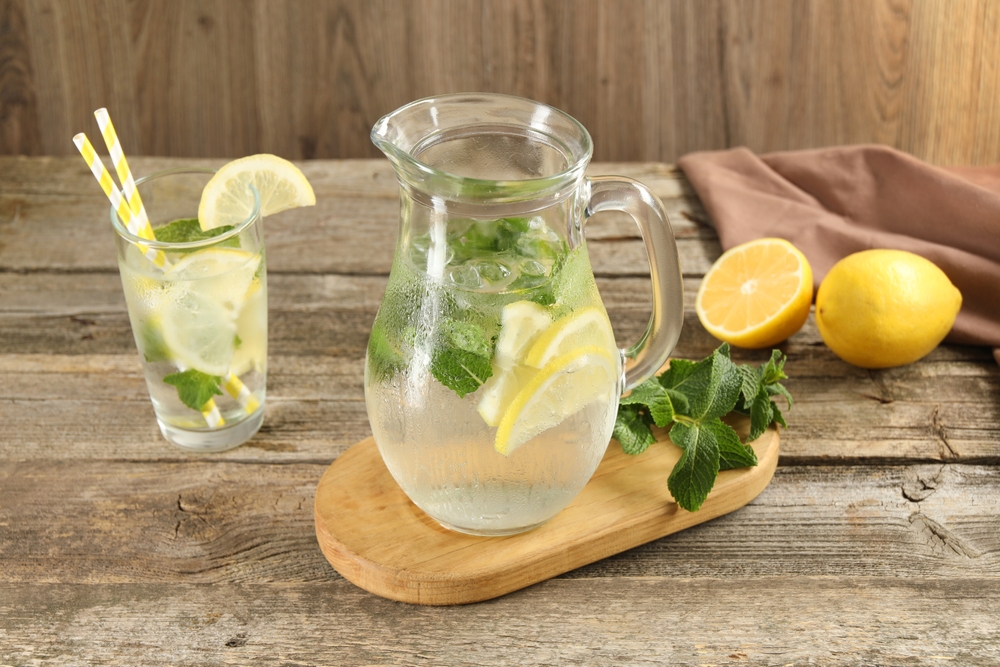
Infused water is basically water with a glow-up. It’s enhanced with electrolytes like sodium, potassium, and magnesium, sometimes with natural flavors from fruits or herbs like lemon and cucumber.
Research suggests that electrolyte-rich water consumed before exercise may help maintain electrolyte balance and reduce dehydration after workouts. It’s usually very low in sugar, making it a great choice if you want hydration without the calorie load.
Good to know: Not all infused waters are created equal. Some contain just as much sugar as sports drinks, so always check the label.
Best for: Light exercise, hot days, or anyone avoiding sugar.
2. Coconut Water
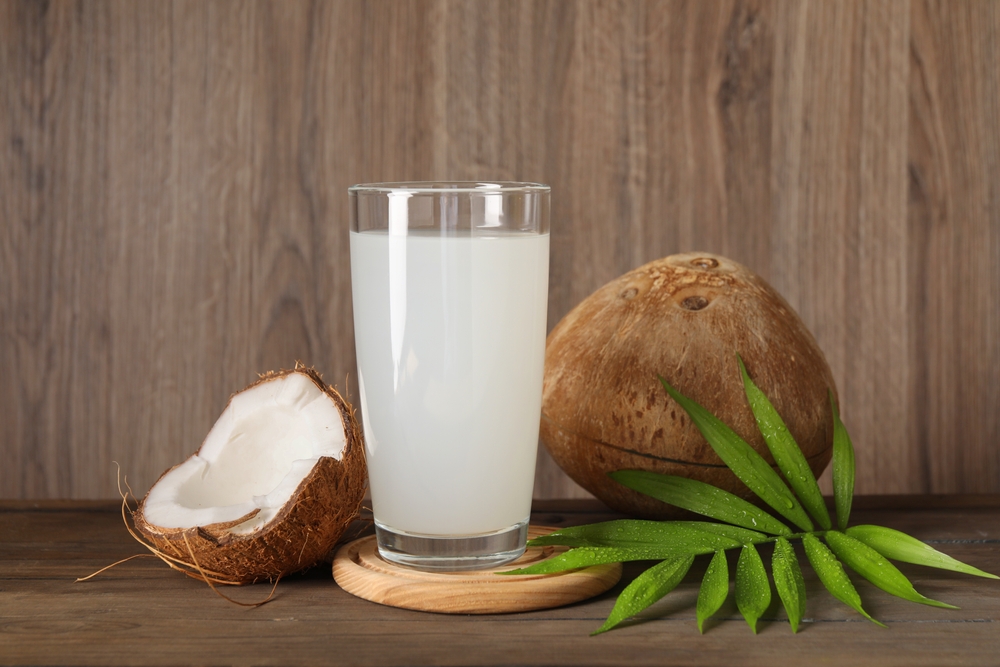
Coconut water is nature’s sports drink. The clear liquid inside young coconuts is rich in potassium and also provides sodium, chloride, and carbohydrates.
It’s been used effectively as an oral rehydration solution for dehydration caused by diarrhea, and it generally contains less sugar than most commercial electrolyte drinks. Bonus points: it’s packed with antioxidants that may help protect your cells from exercise-related stress.
Best for: Mild to moderate workouts, post-illness hydration, or a refreshing natural option.
3. Sports Drinks
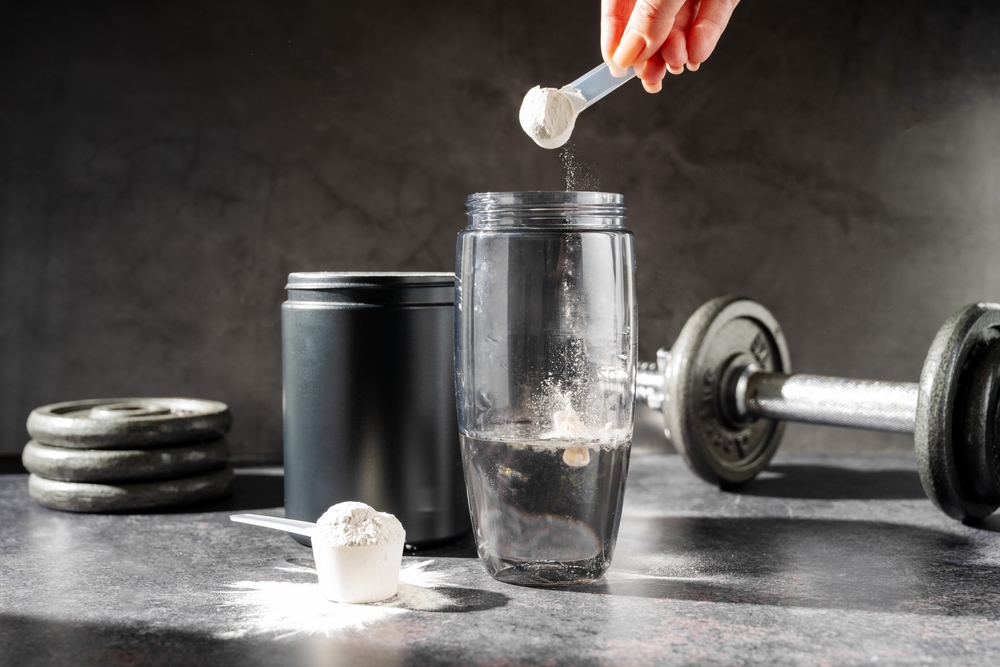
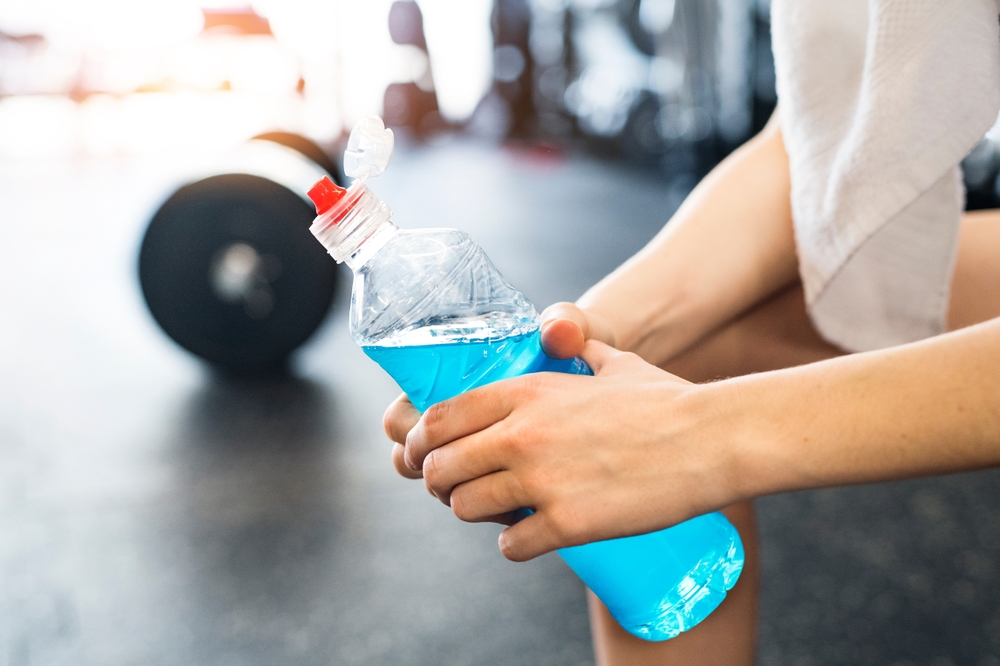
Sports drinks are specifically designed for performance. They typically contain 6–8% carbohydrates (mostly sugar), along with electrolytes, water, and sometimes vitamins.
They’re great at quickly replenishing fluids and providing energy during long or intense workouts. However, if you’re not exercising hard or long enough, they’re essentially sugar water.
Best for: Endurance athletes, long training sessions, or intense physical activity.
Not ideal for: Casual hydration or sedentary days.
4. Pedialyte
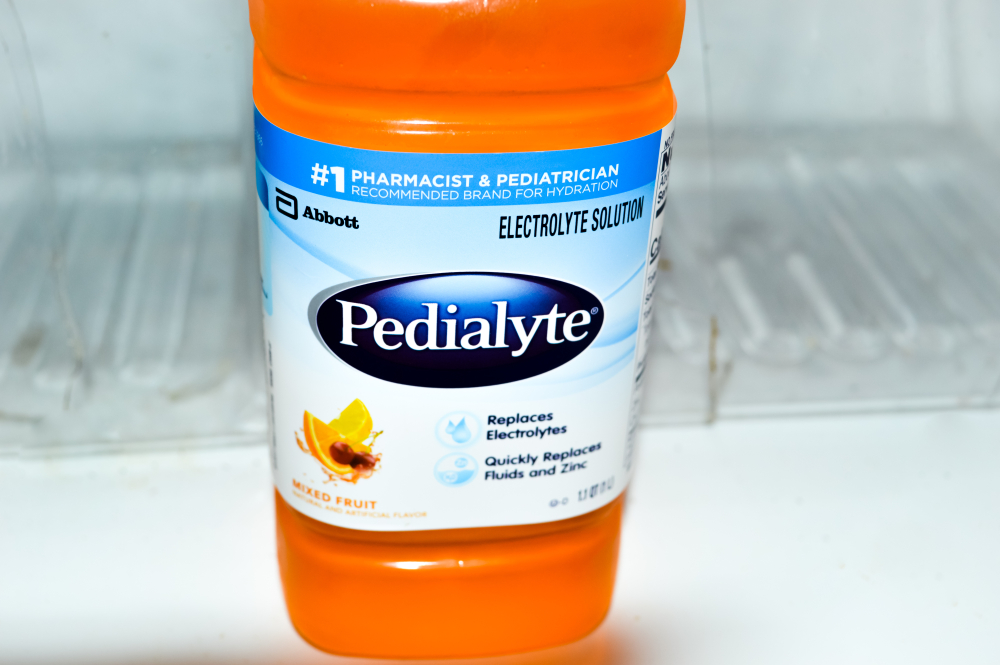
Originally developed for children, Pedialyte has earned a solid reputation among adults too. It contains water, electrolytes, zinc, and a modest amount of sugar, and studies suggest it can rehydrate more effectively than water alone.
It’s especially useful for dehydration caused by vomiting or diarrhea. Classic versions are lower in carbs, so they won’t give you much of an energy boost.
Best for: Illness-related dehydration or quick electrolyte replacement without excess sugar.
5. Cow’s Milk
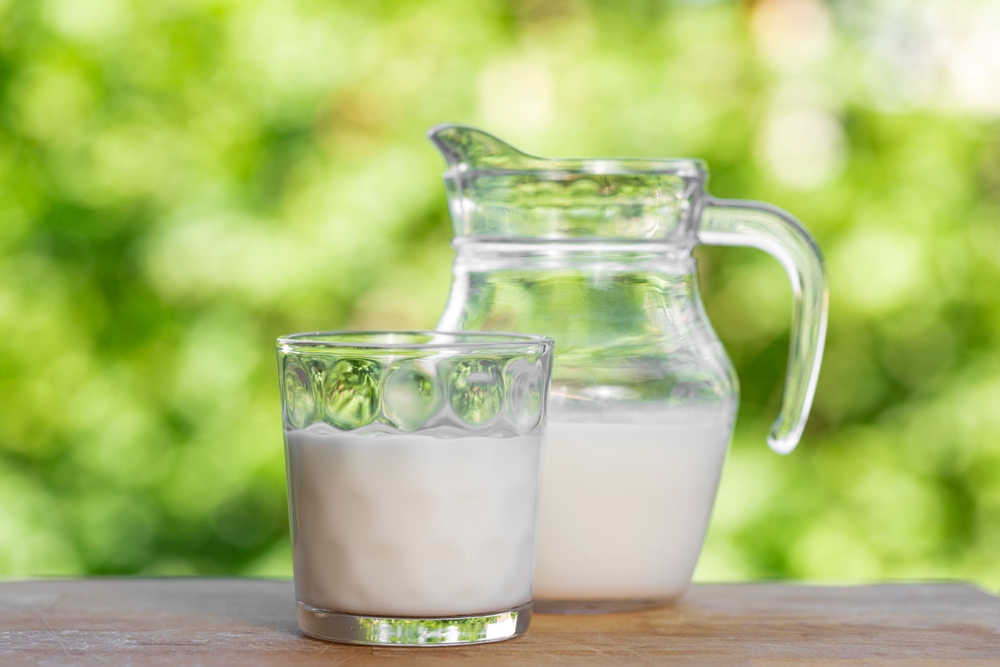
Surprising but true—cow’s milk can compete with sports drinks when it comes to recovery. It naturally contains sodium, calcium, carbohydrates, and protein.
The protein content may actually help your body retain fluids better, while also supporting muscle repair and energy recovery after exercise.
Best for: Post-workout recovery, especially strength or endurance training.
6. Pickle Juice
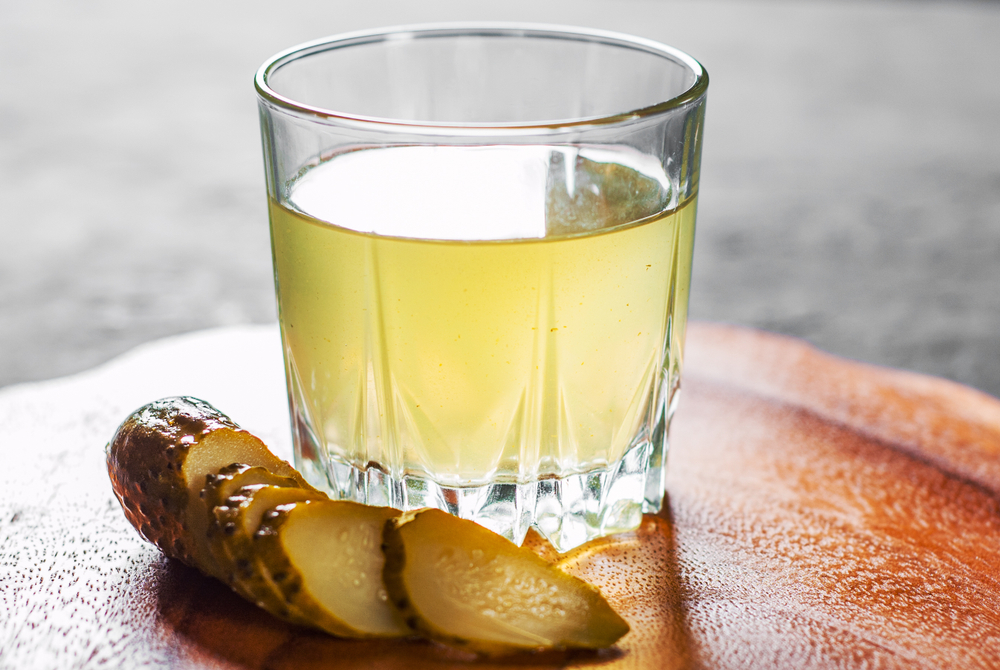
Pickle juice might sound extreme, but it’s a favorite among some athletes. It’s loaded with sodium and also contains potassium, zinc, and vitamin C. Some evidence suggests it may help prevent or relieve muscle cramps.
That said, it’s very high in sodium—an 8-ounce serving can contain over 800 mg.
Best for: Short-term use around intense workouts or cramp prevention.
Avoid if: You have high blood pressure or follow a low-sodium diet.
7. Maple Water

Maple water comes from the sap of maple trees and is gaining popularity among athletes. It contains electrolytes like potassium and calcium, along with antioxidants that may help reduce muscle inflammation.
However, it’s very low in sodium, which may explain why it doesn’t always feel as hydrating as other electrolyte drinks.
Best for: Recovery support and antioxidant benefits—just pair it with enough plain water.
8. Low-Fat Chocolate Milk
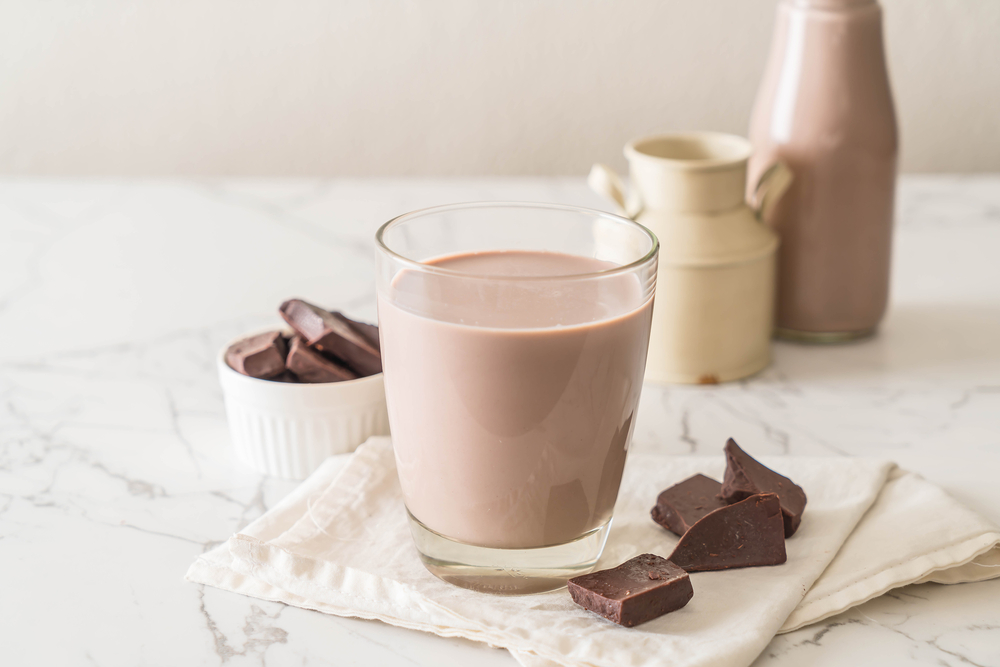
Yes, chocolate milk made the list—and for good reason. Low-fat chocolate milk provides fluids, sodium, carbohydrates, protein, and essential vitamins, making it a powerful post-workout recovery drink.
Studies show it can help reduce muscle fatigue and improve recovery just as well, if not better, than many commercial recovery beverages.
Best for: Post-exercise recovery when you want something affordable, effective, and tasty.
How to Choose the Right Electrolyte Drink?

Not all electrolyte drinks are worth your money—or your health. Here’s what to keep in mind:
What to Prioritize
- Electrolyte content: Sodium matters most, especially after heavy sweating. Endurance athletes may need 300–600 mg of sodium per hour.
- Natural ingredients: Look for drinks made with natural or organic sources.
- Purpose-driven carbs: High-intensity or long workouts may require carbs for energy; otherwise, low-sugar options are better.
What to Avoid:
- Artificial colors and flavors
- Refined sugars or sweeteners
- Unnecessary additives
For everyday hydration, water is enough. Electrolyte drinks are tools—not necessities—for specific situations like intense exercise, extreme heat, or illness. Choose wisely based on your activity level, health needs, and recovery goals, and you’ll hydrate smarter, not harder.