

When you have a fever, your body is fighting hard against infection, burning extra energy, and losing fluids through sweating. Choosing the right foods can help replenish nutrients, maintain hydration, and strengthen your immune defenses. Below are 15 foods backed by nutrition science that can help you recover faster while keeping meals gentle on the stomach.
1. Warm vegetable soup

A steaming bowl of vegetable soup is both soothing and nourishing. It hydrates while delivering important vitamins and antioxidants, such as beta-carotene from carrots and lycopene from tomatoes, which help reduce inflammation. The warm liquid can also ease nasal congestion and sore throats, making it easier to breathe and swallow.
2. Chicken broth
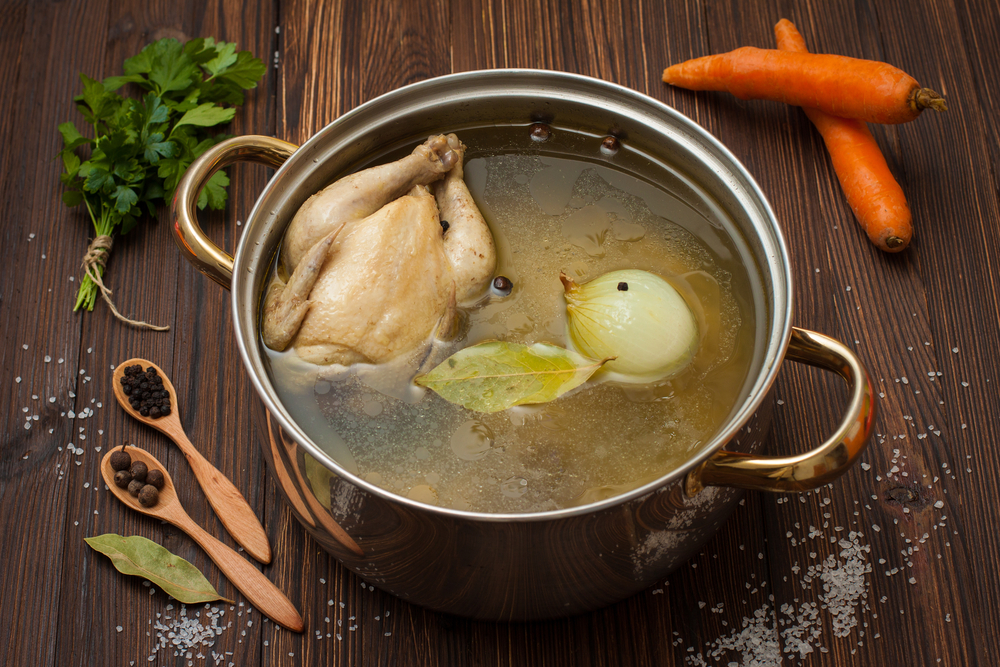
Chicken broth has been studied for its mild anti-inflammatory effects on the upper respiratory tract, which can provide symptom relief during colds and fevers. It’s naturally rich in electrolytes like sodium and potassium, which help restore fluid balance after sweating. A small amount of chicken adds gentle protein for tissue repair without being too heavy on digestion.
3. Soft khichdi

This comforting Indian dish, made from rice and lentils, offers a perfect balance of easily digestible carbohydrates and plant-based protein. The lentils provide iron, which supports oxygen transport in the blood—a key factor when your body is working overtime to fight illness. Its soft texture is ideal for low appetite days.
4. Steamed vegetables

Lightly steaming vegetables like broccoli, carrots, and zucchini preserves more vitamin C and folate compared to boiling, while also making them softer and easier to digest. Broccoli is rich in sulforaphane, a compound that may boost immune cell activity, while carrots supply beta-carotene and zucchini contributes potassium to maintain electrolyte balance.
5. Coconut water

Often called nature’s sports drink, coconut water is packed with potassium, magnesium, and trace sodium—minerals that help replenish electrolytes lost through fever-related sweating. Unlike many packaged drinks, it’s low in sugar and free from artificial additives, making it a gentle and hydrating choice.
6. Mashed sweet potatoes

Sweet potatoes are loaded with beta-carotene, a precursor to vitamin A that helps maintain the health of mucous membranes in your respiratory tract, creating a barrier against germs. They also provide vitamin C and potassium, which support immune function and muscle health during recovery.
7. Fresh citrus fruits

Oranges, lemons, and sweet limes are famous for their vitamin C content, which supports white blood cell production and antioxidant defenses. They also contain plant compounds called flavonoids that may help reduce inflammation. Eating them fresh or drinking diluted citrus juice can hydrate and refresh the body while providing immune support.
8. Herbal teas

Different herbal teas bring unique benefits. Ginger tea contains gingerol, known for its anti-inflammatory and anti-nausea properties. Peppermint tea provides menthol, which can relax airway muscles and ease breathing. Chamomile tea contains apigenin, a compound that promotes relaxation and better sleep—both crucial for healing.
9. Oatmeal

Oatmeal is a soft, warm meal that’s easy to eat when you have little appetite. It contains beta-glucan, a soluble fiber that may enhance immune defense by activating certain white blood cells. It’s also a good source of B vitamins, which help convert food into energy—important when your body is in repair mode.
10. Apple sauce
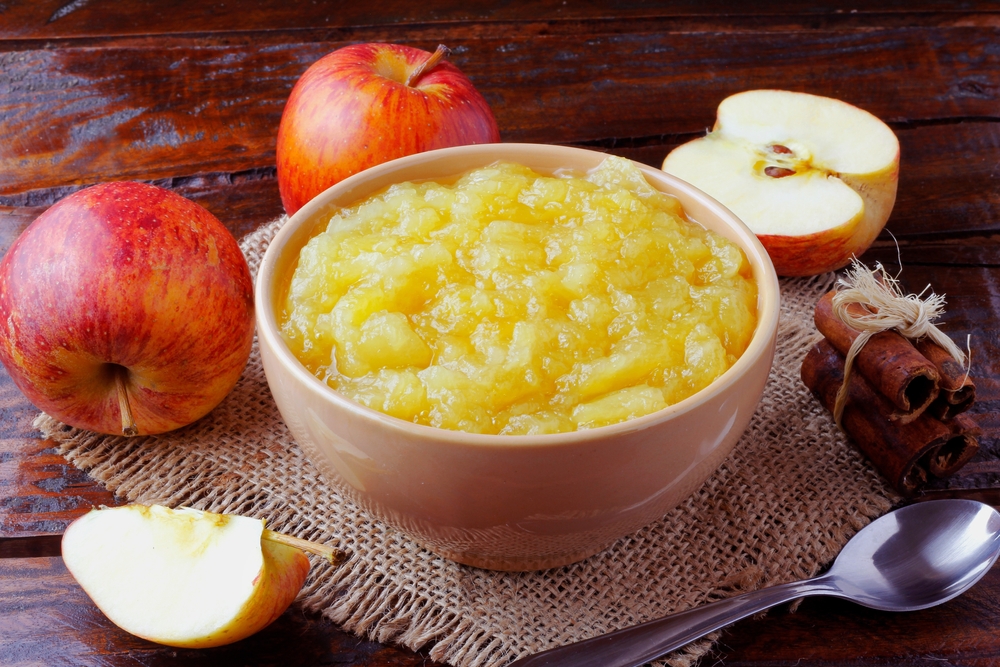
Cooked and mashed apples are gentle on digestion while still offering antioxidants like quercetin, which supports immune health. The natural pectin in apples helps maintain gut microbiome balance, which is linked to stronger immune function. Apple sauce also provides hydration and a light natural sweetness that can be comforting during illness.
11. Yogurt
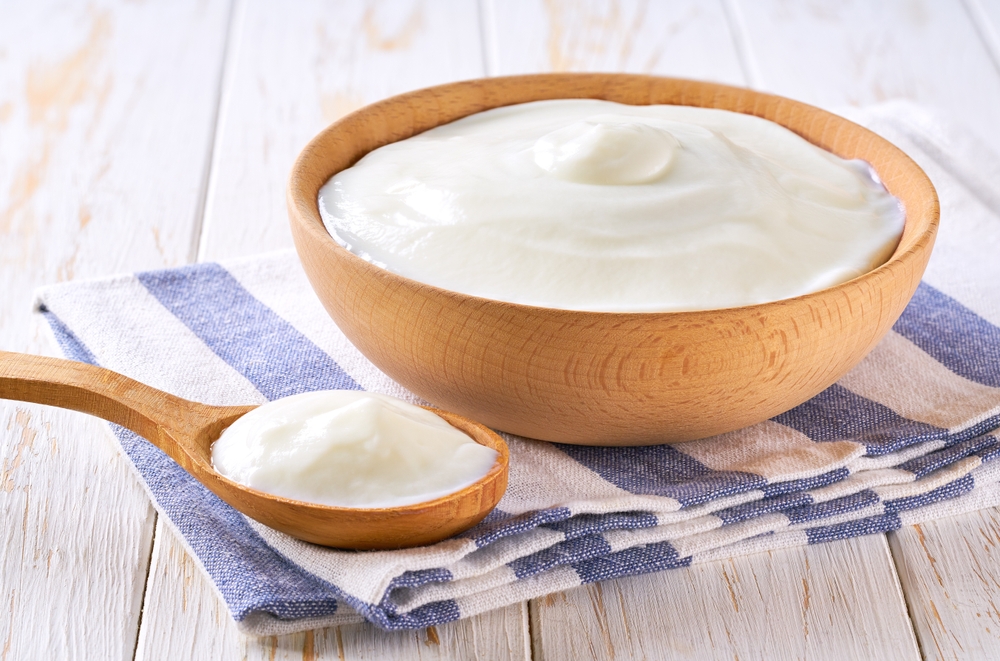
Plain, unsweetened yogurt is rich in probiotics such as Lactobacillus and Bifidobacterium, which help maintain healthy gut bacteria—an important factor since most immune cells are located in the gut. Yogurt also provides protein and calcium, helping maintain muscle strength and bone health during recovery.
12. Poached eggs

Eggs are a powerhouse of complete protein and contain vital micronutrients like zinc, selenium, and choline, which support immune signaling, antioxidant defense, and cell repair. Poaching eggs keeps them soft, easy to digest, and free from added fats that might burden digestion during fever.
13. Honey water

Honey has natural antimicrobial and antioxidant properties thanks to enzymes and compounds like hydrogen peroxide. When mixed with warm water, it can soothe an irritated throat, provide quick-release energy, and contribute to overall hydration. This simple remedy is especially comforting for nighttime relief.
14. Steamed fish
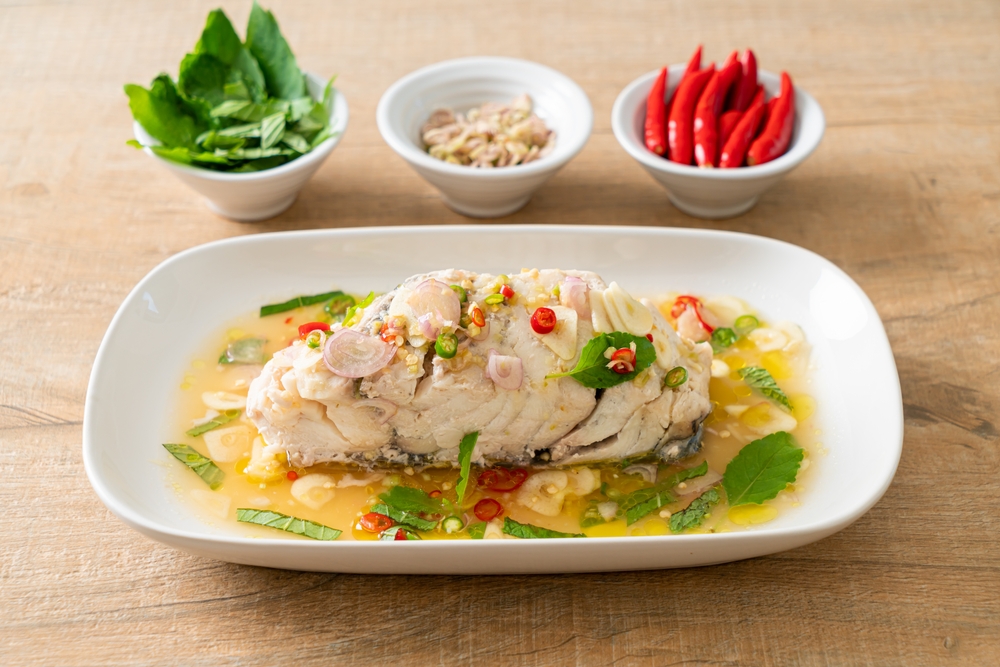
Light, flaky fish like cod or salmon deliver high-quality protein for tissue repair along with omega-3 fatty acids, which may help regulate inflammation. Fish is also a source of vitamin D, which supports immune regulation, and steaming ensures it remains gentle on the digestive system.
15. Hydrating popsicles

Homemade popsicles made from diluted fruit juice or coconut water are a refreshing way to maintain hydration, especially if fever has reduced your desire to drink. They can also soothe a sore throat and help cool the body, providing both comfort and nutrition.
Fever Recovery Tip: Alongside these foods, remember that hydration and rest are just as vital as nutrition. Aim for small, frequent meals instead of large portions, drink plenty of fluids, and avoid processed, greasy, or overly spicy foods that could slow recovery.