
More than just a way to boost self-esteem, a healthy smile is an indication of general wellbeing. According to studies, poor oral hygiene is associated with heart disease, diabetes, and even respiratory disorders in addition to cavities and gum disease. The good news is that, with the correct habits, maintaining dental health is easy. Here are 12 comprehensive yet doable suggestions to help you consistently practice good oral hygiene.
1. Brush Twice a Day for Two Minutes

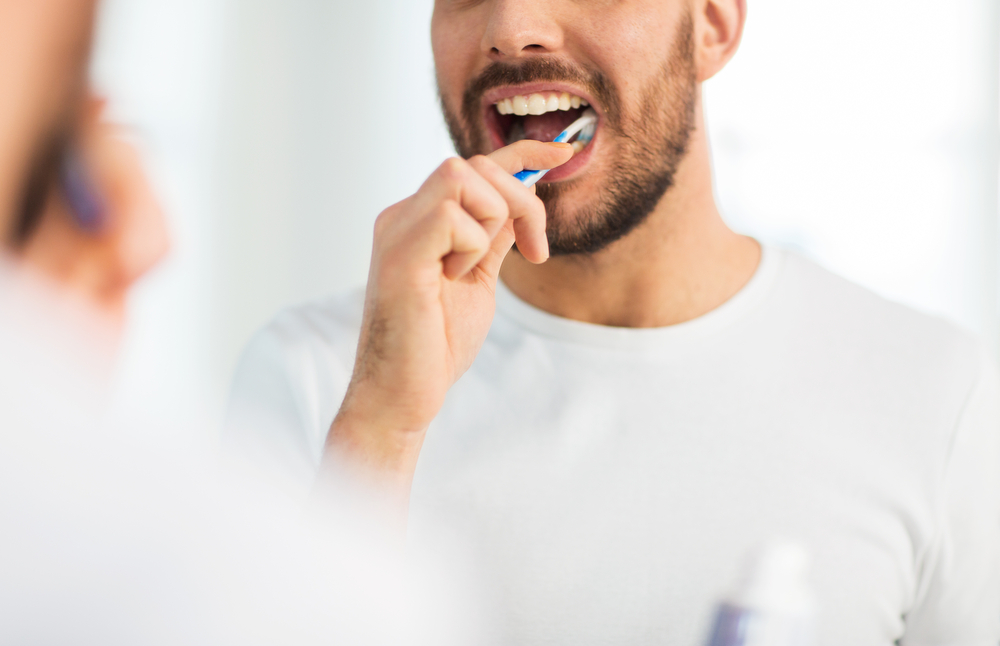
The cornerstone of oral hygiene is brushing. Dentists advise brushing for two complete minutes twice a day, preferably in the morning and right before bed. Plaque, a sticky layer of bacteria that can cause gum inflammation and tooth decay, is ensured to be removed in this way. Cavities are more likely to occur if you brush too quickly or neglect your nightly routine, which leaves dangerous bacteria in your mouth overnight. You can make sure you brush for a sufficient amount of time by setting a timer or by using an electric toothbrush with a built-in timer.
2. Choose the Right Toothbrush
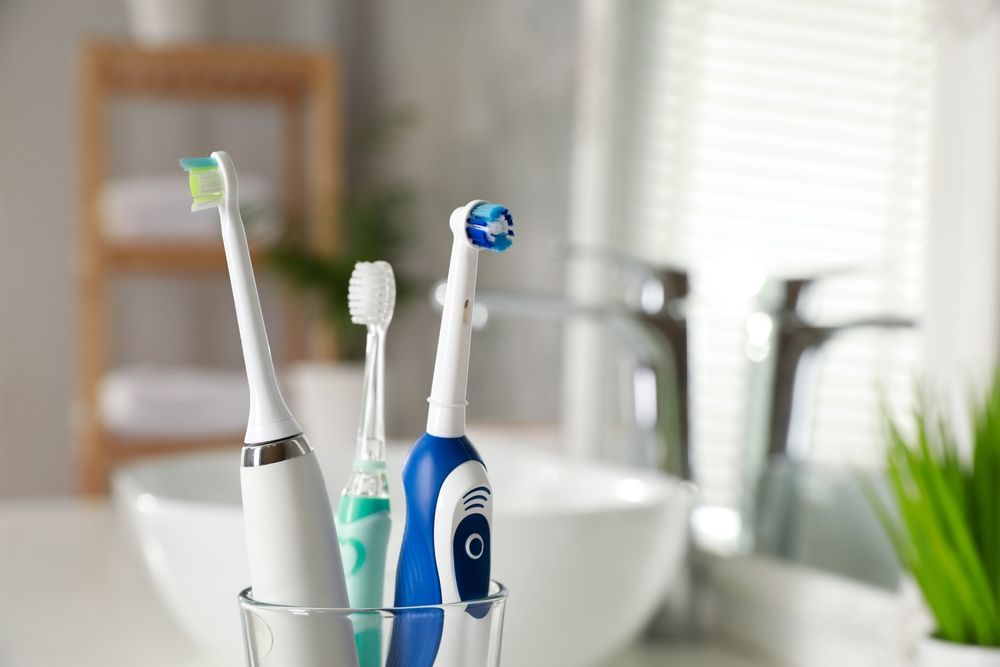
Your oral health can be significantly impacted by the kind of toothbrush you use. While still cleaning well, a soft-bristled brush is kind to your gums and enamel. Conversely, over time, hard bristles may cause gum irritation and enamel erosion. For those who have trouble brushing properly, electric toothbrushes are a great option because they offer more consistent movements and are better at removing plaque. To maintain effectiveness, it’s also essential to replace your toothbrush head on a regular basis.
3. Use Fluoride Toothpaste

For good reason, fluoride is frequently referred to as nature’s cavity fighter. It fortifies tooth enamel, increasing its resistance to bacterial and sugary food acid attacks. Since fluoride toothpaste has been shown to lower the risk of cavities, practically all dentists advise using it. Using fluoride toothpaste on a regular basis can also help stop cavities before they start.
4. Clean Your Tongue Daily

Bacteria that cause bad breath and can lead to plaque buildup frequently hide on your tongue. This bacterial layer can be eliminated and oral freshness enhanced by gently brushing your tongue with your toothbrush or by using a tongue scraper. This minor adjustment to your daily routine can greatly lessen foul breath and encourage oral hygiene.
5. Floss at Least Once a Day
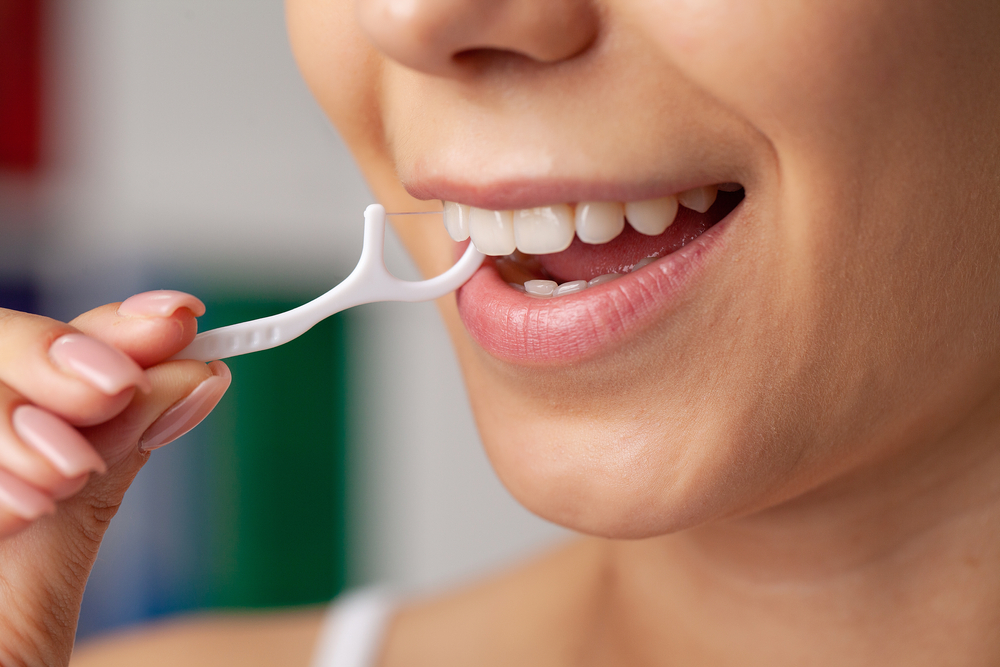
Only about 60% of your tooth surfaces are cleaned when you brush. Flossing is necessary for the remaining 40%, or the narrow spaces between your teeth. Plaque and trapped food particles that brushing just cannot get to are removed by flossing. Without it, plaque becomes tartar, which can cause tooth loss and gum disease. To finish your oral hygiene regimen, you must floss once daily, whether in the morning or the evening.
6. Rinse with Antimicrobial Mouthwash
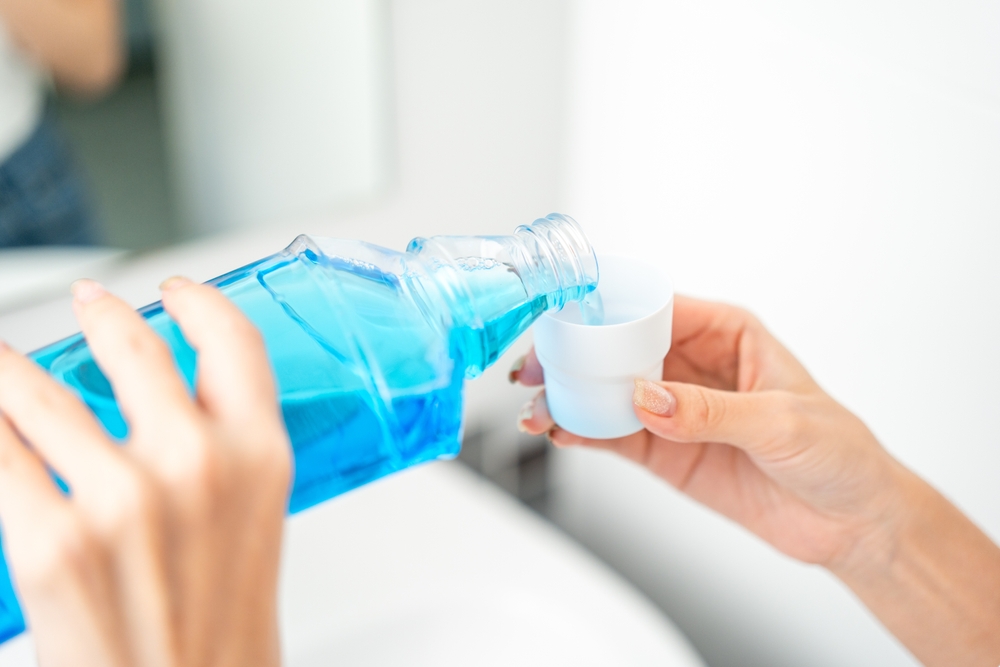
Although mouthwash provides an additional layer of protection, it cannot replace brushing and flossing. Antimicrobial mouthwashes improve breath quality while lowering plaque and bacteria. Using a mouthwash that contains fluoride can help prevent cavities. Choose alcohol-free varieties to avoid dry mouth, which raises the risk of tooth decay and foul breath.
7. Drink Plenty of Water

One of the most basic yet effective oral hygiene products is water. Water consumption lowers oral acidity and helps wash away food particles, preventing the erosion of tooth enamel. Additionally, maintaining proper hydration encourages the production of saliva, which is your body’s natural defense against bacteria and decay. Saliva aids in repairing early tooth damage and neutralizing acids. One of the simplest ways to keep your smile safe is to always have a water bottle on hand.
8. Limit Sugary and Acidic Foods

Two of the greatest threats to healthy teeth are sugar and acids. Sugary foods and beverages encourage the growth of bacteria, which in turn generate acids that break down tooth enamel and result in cavities. Enamel can also be weakened by acidic foods and drinks, such as energy drinks, soda, and citrus fruits. If you do eat these, try to eat them with meals rather than by themselves, rinse with water afterward to prevent damage, and use a straw to minimize contact with teeth.
9. Chew Sugar-Free Gum After Meals

Chewing sugar-free gum can be helpful when brushing is not an option. Gum promotes salivation, which neutralizes acids and naturally cleans the mouth. Another advantage of gum sweetened with xylitol is that it lessens the bad bacteria that cause cavities. Because of this, it’s a practical way to maintain a healthy and fresh mouth between meals.
10. Replace Your Toothbrush Regularly

The lifespan of your toothbrush is limited. Every three to four months, or sooner if the bristles are frayed, dentists advise replacing it. In addition to being unable to properly clean your teeth, worn-out bristles may even harbor bacteria. You’ll always get the best possible clean if you change your toothbrush on a regular basis.
11. Eat a Balanced, Tooth-Friendly Diet

Your oral health is directly impacted by the foods you eat. Vitamin D aids in the body’s absorption of calcium, and foods high in calcium, such as milk, cheese, and yogurt, fortify enamel. Strong teeth are also supported by phosphorus, which is present in fish, nuts, and eggs. Apples, carrots, celery, and other crunchy fruits and vegetables clean teeth surfaces and stimulate gums, acting as natural toothbrushes. In addition to strengthening teeth, a diet high in nutrients promotes healthier gums.
12. Visit Your Dentist Twice a Year

On its own, even the best at-home care is insufficient. Your dentist can remove tartar buildup and identify problems early with routine dental cleanings and examinations every six months. Many dental issues, like cavities or gum disease, can be detected and treated during a routine visit even though they may not initially show any symptoms. Compared to treating serious oral health issues later, preventive dental care is far less expensive and painful.
It takes a combination of daily routines, dietary decisions, and routine dental checkups to maintain good oral hygiene. You can safeguard your teeth, gums, and general health for many years to come by adhering to these 12 scientifically supported recommendations. Keep in mind that a healthy smile is a reflection of your self-care habits and is more than just aesthetically pleasing.