Vegetables That Help Prevent Cancer
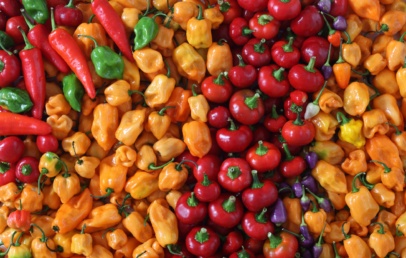
Vegetables are some of the most powerful foods for protecting long-term health. They’re packed with fiber, antioxidants, and plant compounds that can help reduce inflammation, protect DNA from damage, and lower the risk of certain cancers. Eating a wide variety of vegetables every day gives your body the tools it needs to defend itself and stay strong.
Here are 12 vegetables that research has linked to cancer prevention benefits.
1. Broccoli
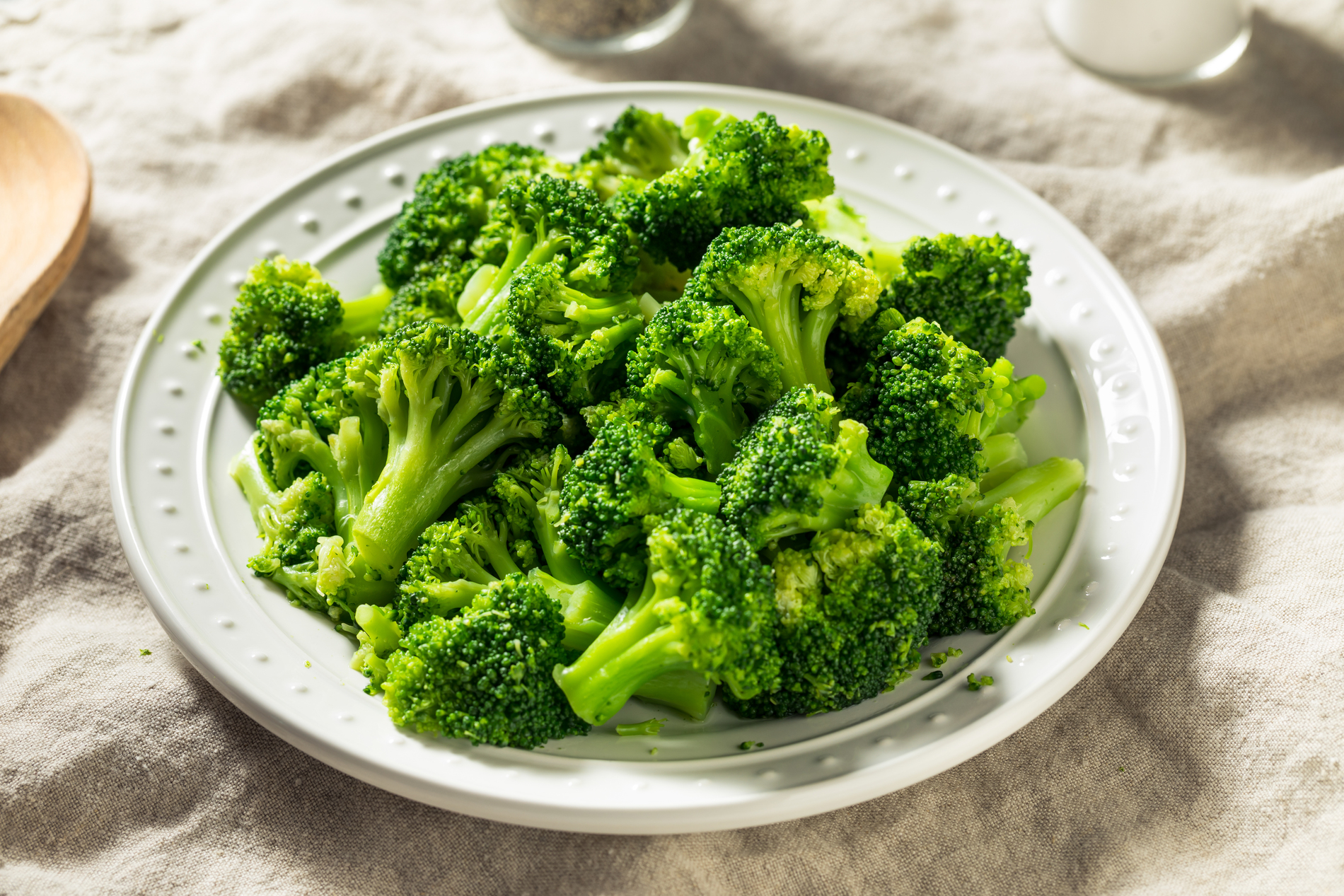
Broccoli contains sulforaphane, a compound that has been shown in lab studies to help kill cancer cells and slow tumor growth. It’s part of the calciferous vegetable family, which is well known for its protective properties.
2. Brussels Sprouts
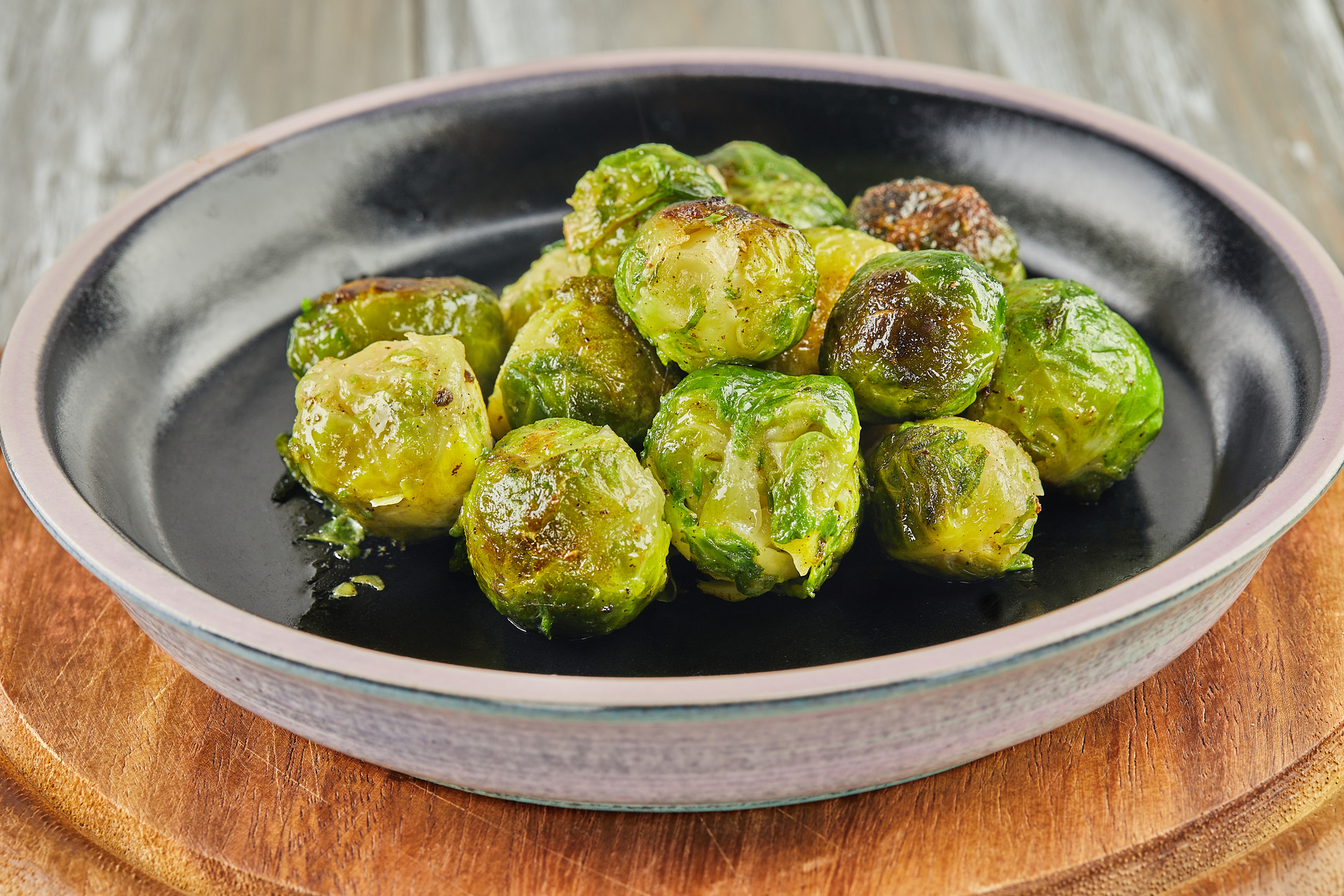
Like broccoli, Brussels sprouts are rich in glucosinolates that the body breaks down into cancer-fighting compounds. They also provide fiber and vitamin C, which support immune function and gut health.
3. Kale
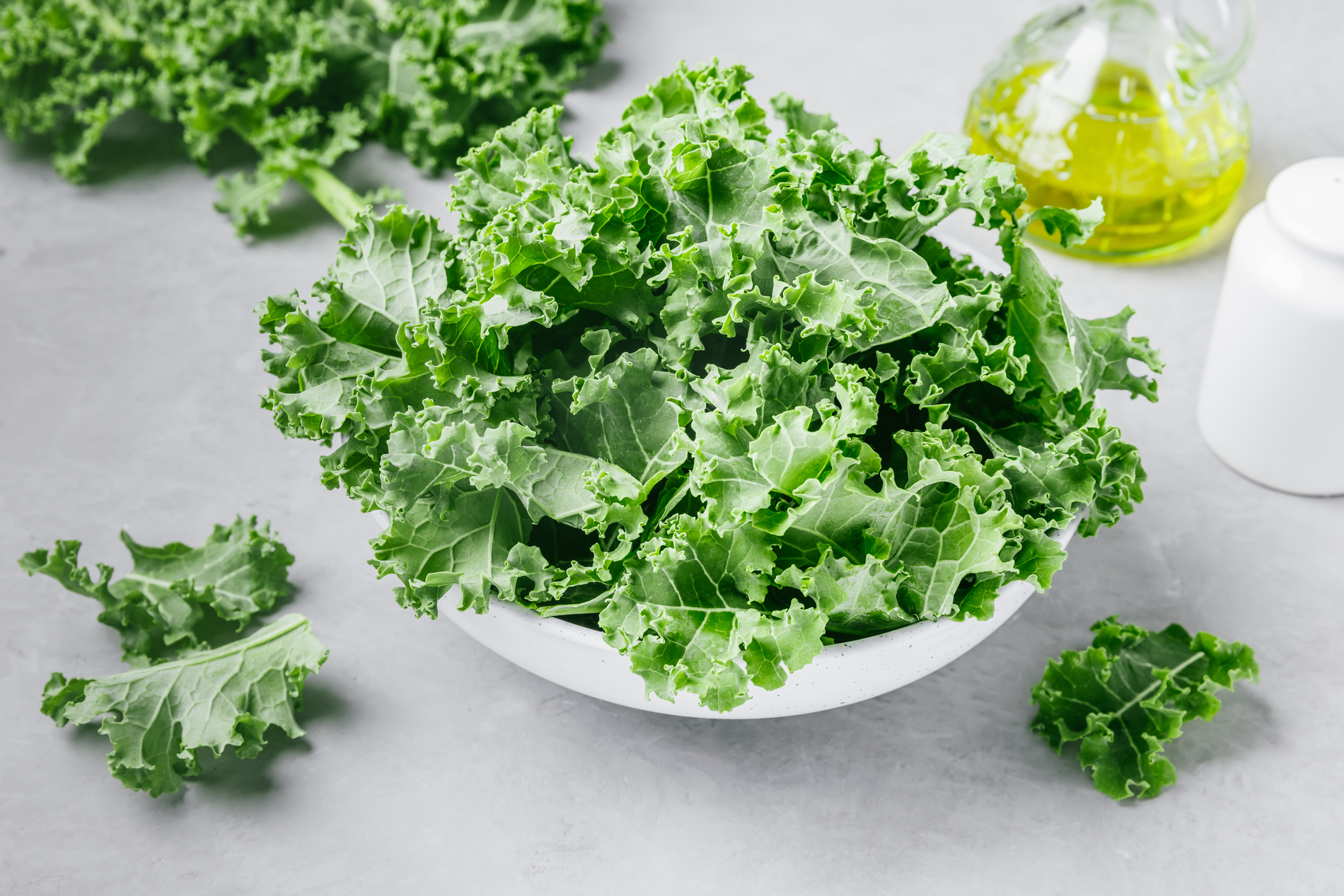
Kale is full of antioxidants like lutein and beta-carotene, along with glucosinolates. These compounds help neutralize free radicals that can damage cells, reducing the risk of cancers related to oxidative stress.
4. Spinach
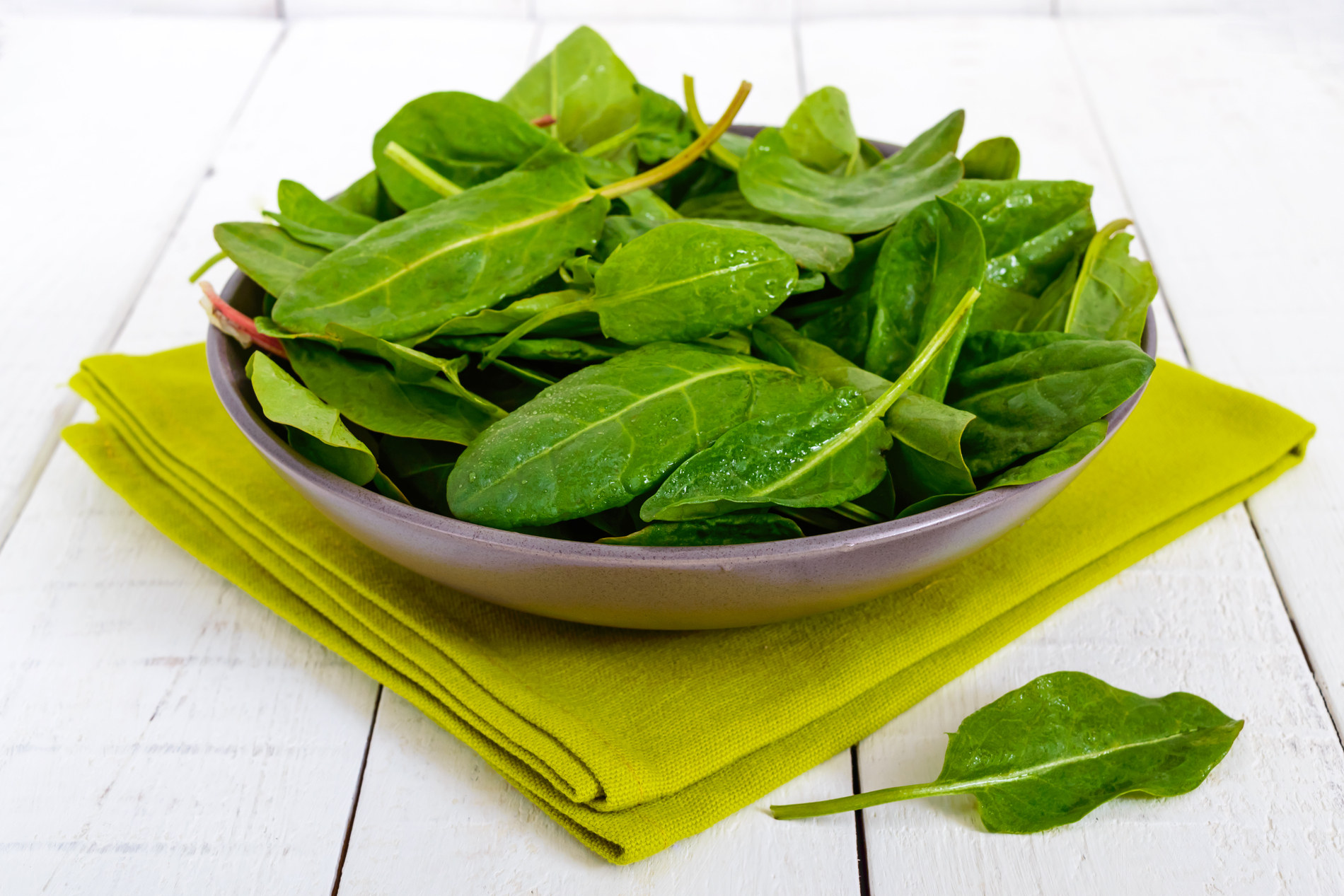
Spinach contains lutein, zeaxanthin, and flavonoids, which help protect cells from DNA damage. It’s also rich in folate, a nutrient important for proper DNA repair, lowering the risk of certain cancers.
5. Carrots

Carrots provide beta-carotene, which the body converts into vitamin A. High intake of beta-carotene has been linked to a reduced risk of lung and stomach cancers. The bright color signals strong antioxidant power.
6. Tomatoes
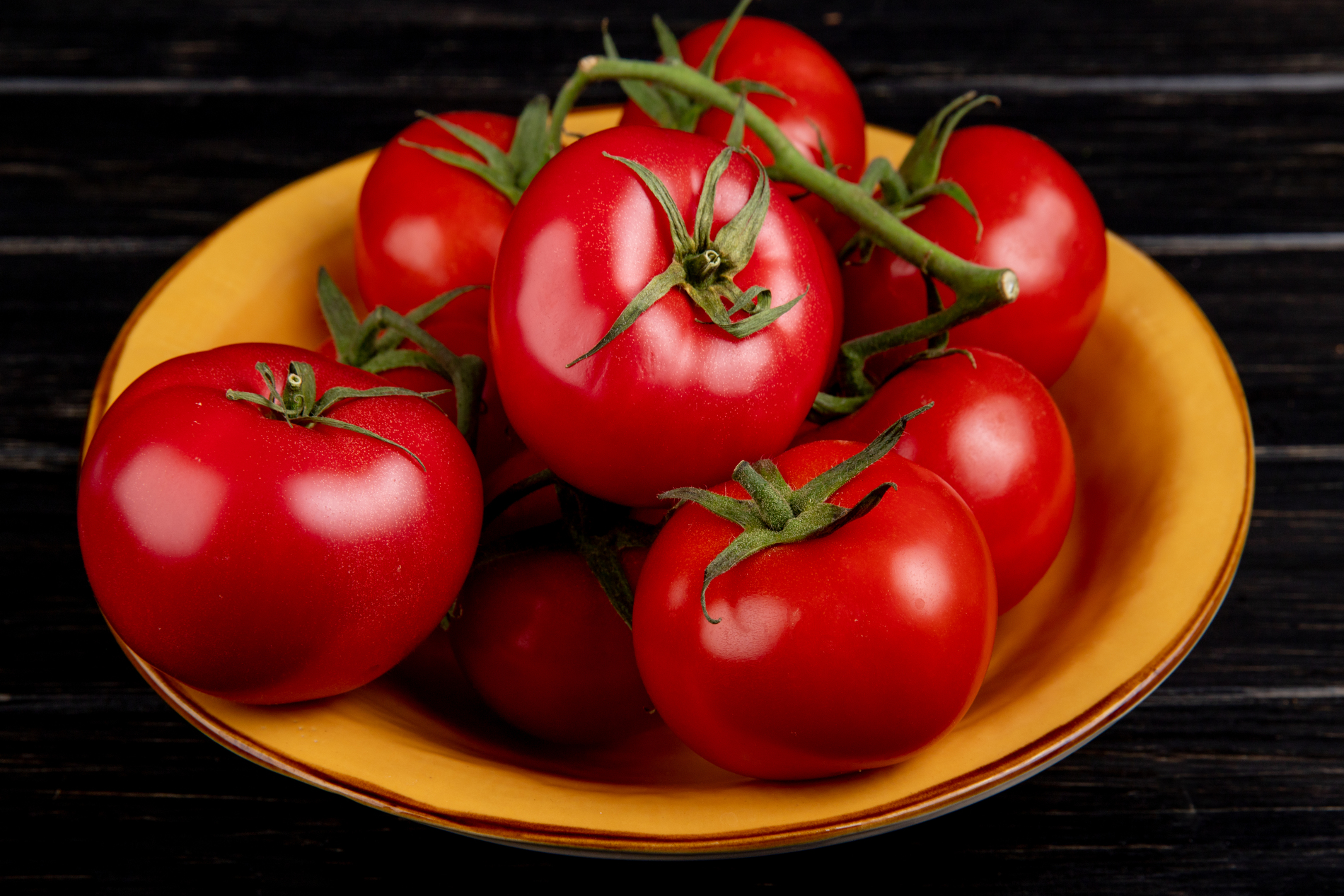
Tomatoes are rich in lycopene, an antioxidant linked with reduced prostate and stomach cancer risk. Cooking tomatoes in sauces or soups increases lycopene absorption, making them even more effective.
7. Garlic

Garlic contains sulfur compounds like allicin that have been studied for their ability to slow cancer cell growth. Regular garlic intake has been associated with lower rates of stomach and colorectal cancers.
8. Onions
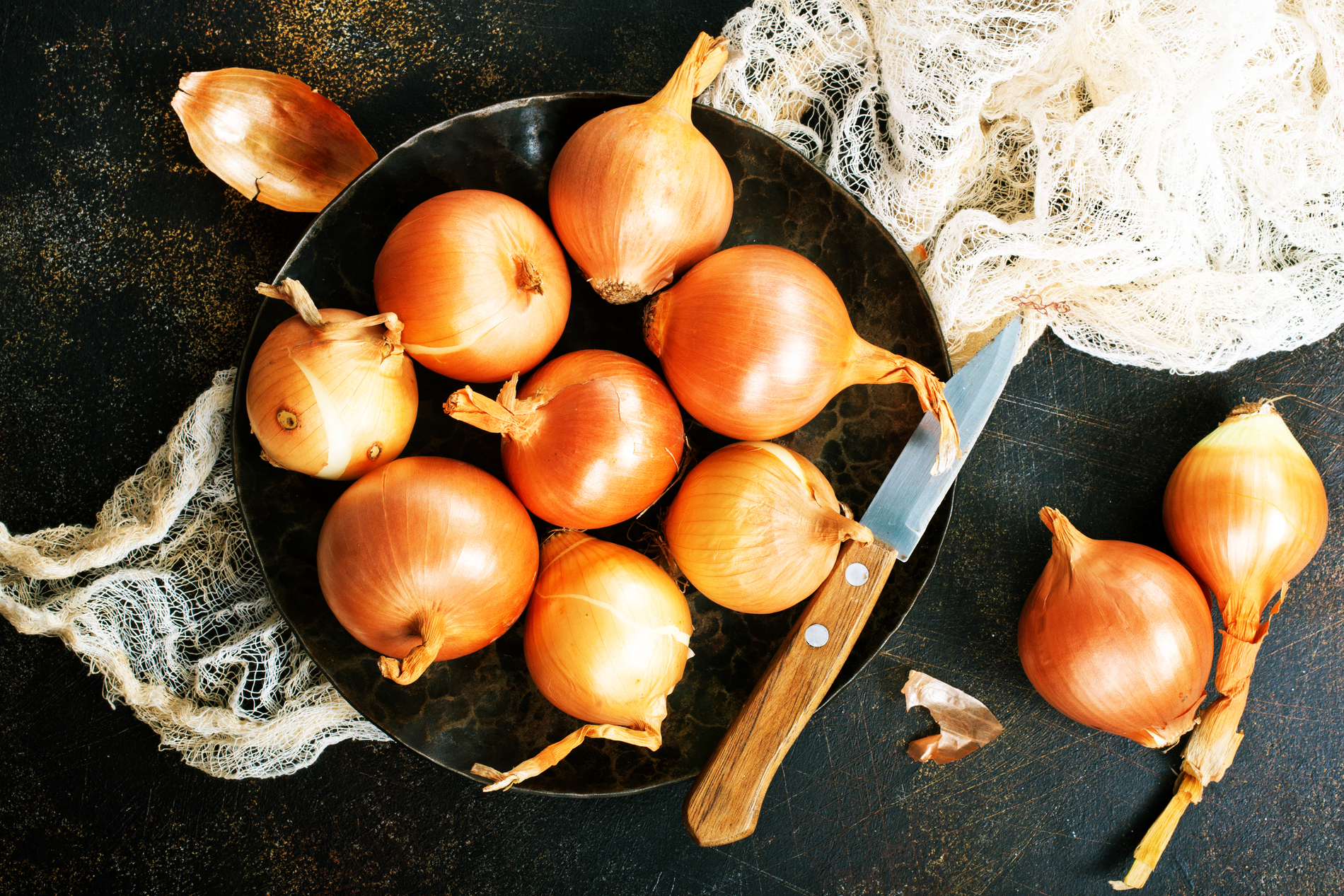
Onions are another allium vegetable with compounds that may reduce the risk of cancers of the stomach and digestive tract. They also contain quercetin, a powerful antioxidant that supports overall cellular health.
9. Cauliflower

Cauliflower belongs to the calciferous family and is loaded with glucosinolates and isothiocyanates, both linked to cancer protection. It’s versatile, easy to add into meals, and a strong contributor to dietary variety.
10. Cabbage
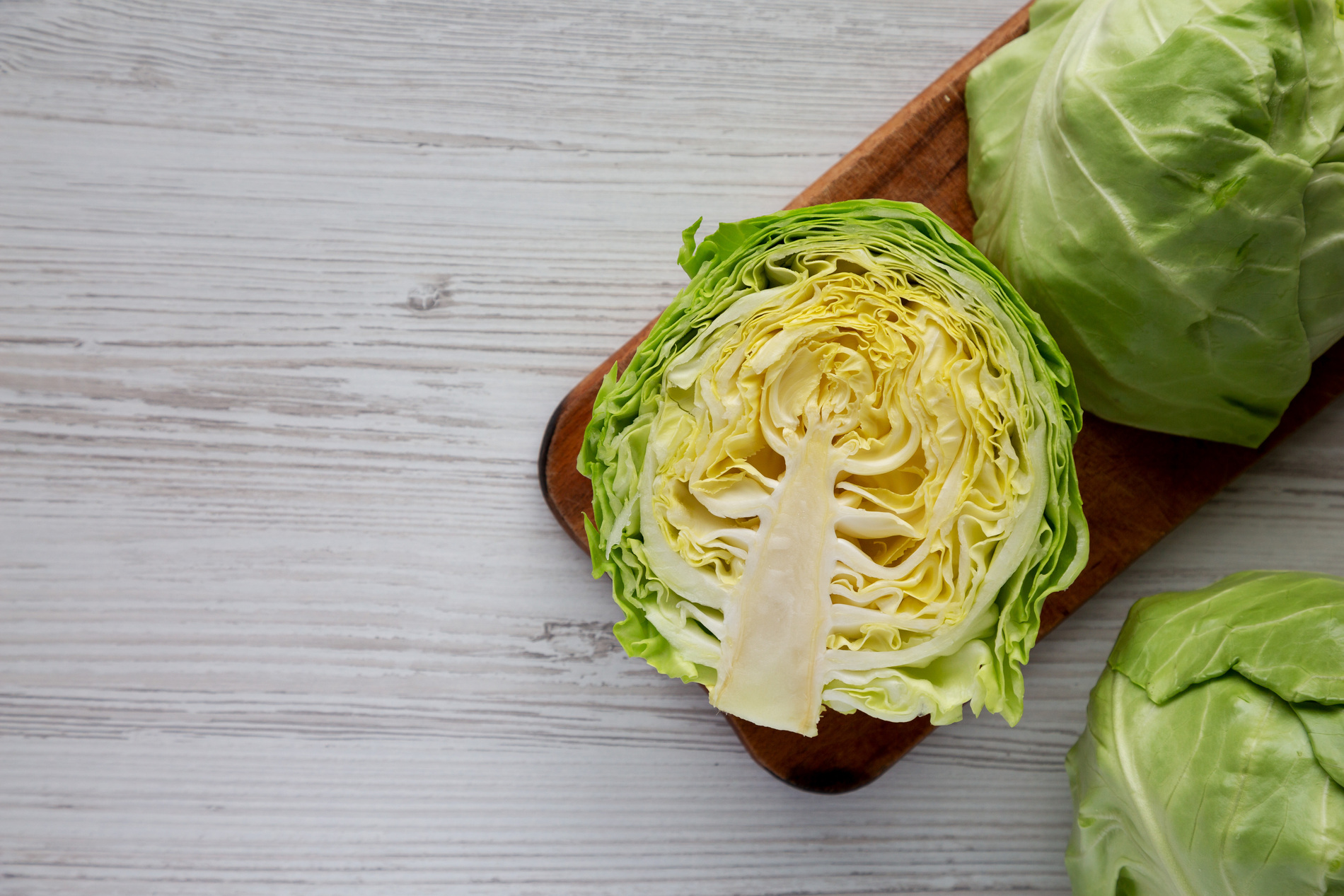
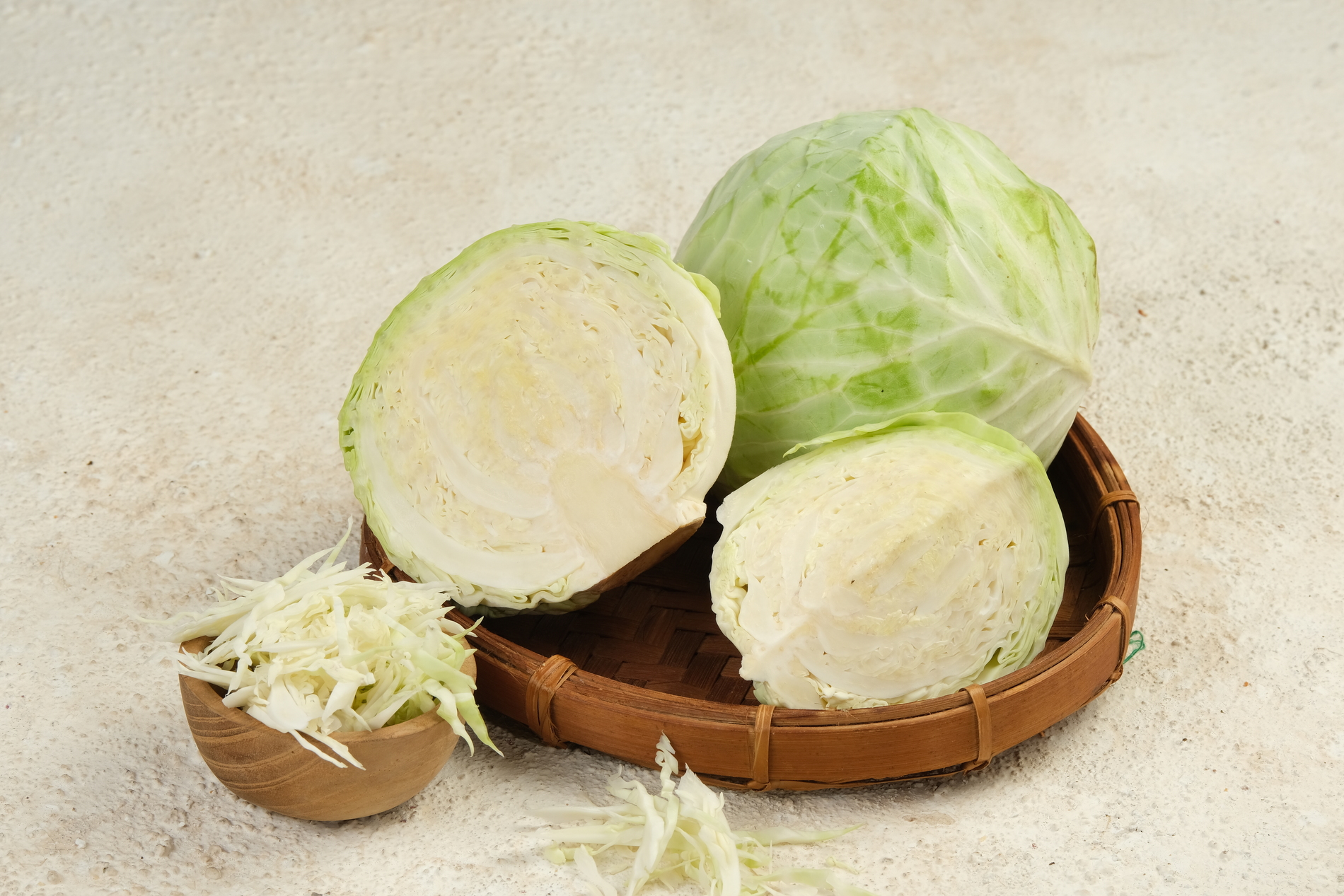
Cabbage, especially red cabbage, is high in anthocyanins and other antioxidants that reduce inflammation and may lower the risk of several cancers. Fermented forms like sauerkraut also support gut health, which is tied to immunity.
11. Sweet Potatoes

Sweet potatoes provide beta-carotene and other antioxidants that protect DNA from oxidative damage. Their fiber content also supports digestion, helping the body eliminate potential toxins more efficiently.
12. Beets

Beets are rich in betalains, pigments that have antioxidant and anti-inflammatory effects. They may help reduce cancer cell growth while also supporting liver function, an important part of the body’s detox system.
Final Thoughts
No vegetable on its own can prevent cancer, but including a wide range of them in your daily meals can reduce risk and strengthen your body’s natural defenses. Calciferous vegetables like broccoli and kale, alliums like garlic and onions, and antioxidant-rich options like carrots and tomatoes all play a role in protecting cells. Eating a colorful, varied mix ensures you get the full spectrum of cancer-fighting compounds that vegetables provide.